







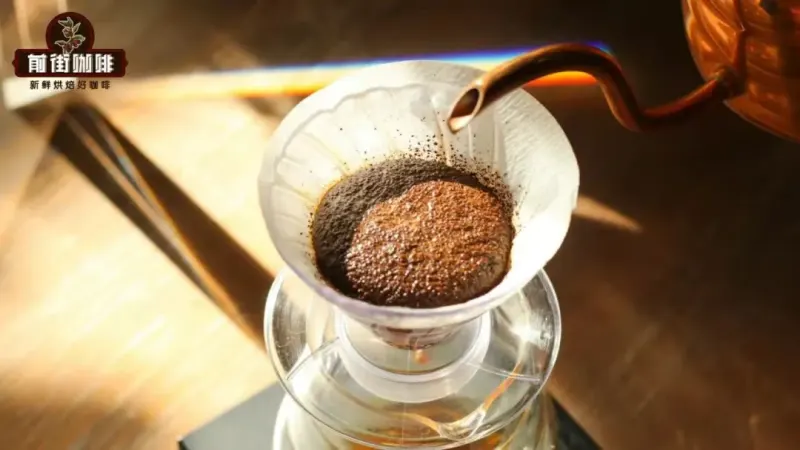
Rinsing the Filter Paper: A Coffee Brewing Detail
Rinsing the filter paper with hot water before brewing is not strictly required, but it still matters for many papers. Papers made with certain materials or processes can carry a papery odor that ends up in the cup, so testing the paper first and rinsing when that smell is present keeps the coffee's aroma and mouthfeel clean.
The practice began when papery odors were common, and improved manufacturing has removed the smell from many products, though not all. The coffee grinding process deserves the same attention: purging a few grams through the grinder before brewing avoids flavor transfer from old grounds, alongside water hardness and swirling after dripping.
Beyond the coffee-to-water ratio, water temperature, and pouring technique, the final flavor of a cup of coffee is also influenced by many easily overlooked steps. Drawing on Front Street Coffee's practical experience, this article outlines four operational details worth noting: whether the filter paper needs to be pre-wetted with hot water, how the hardness of the brewing water affects extraction, whether the brewed coffee should be swirled after dripping, and how to simply clean the grinder before grinding to avoid flavor transfer. These seemingly minor steps often inadvertently change the aroma, mouthfeel, and cleanliness of the coffee. Whether you prefer espresso or pour-over, you can find ideas here to optimize your daily brewing.
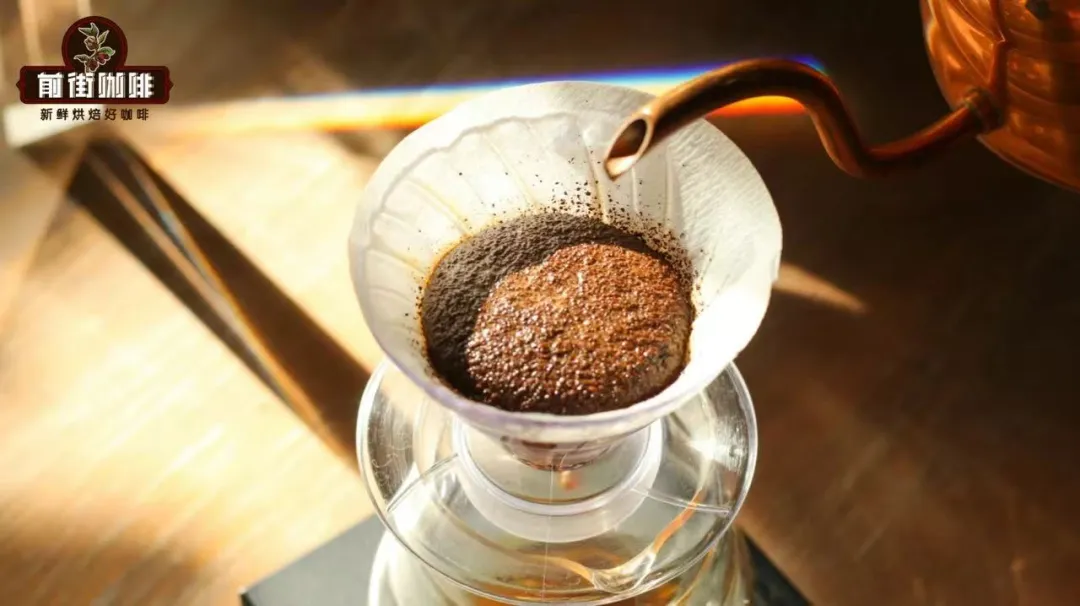
However, the variables affecting a cup of coffee's flavor and mouthfeel go far beyond extraction parameters and pouring motions. The consumables and equipment we choose also influence the final result from their own angles. So what Front Street Coffee wants to discuss today is: beyond parameters and techniques, what other brewing details are worth paying attention to?
I. Filter Paper
Front Street Coffee has a saying—the difference between one filter paper and another is as vast as the difference between a human and a gorilla. It sounds a bit exaggerated, but the reality is indeed so. Different filter papers produce different extraction performances, and these differences are directly reflected in the taste of the coffee.
Take drainage rate alone: some filter papers drain quickly, others slowly. The drainage rate determines how long extraction takes and is one of the factors affecting extraction efficiency. But this falls under extraction parameters, which Front Street Coffee has discussed many times before, so we won't elaborate here. What truly deserves attention are two other points. The first is the odor of the filter paper itself.
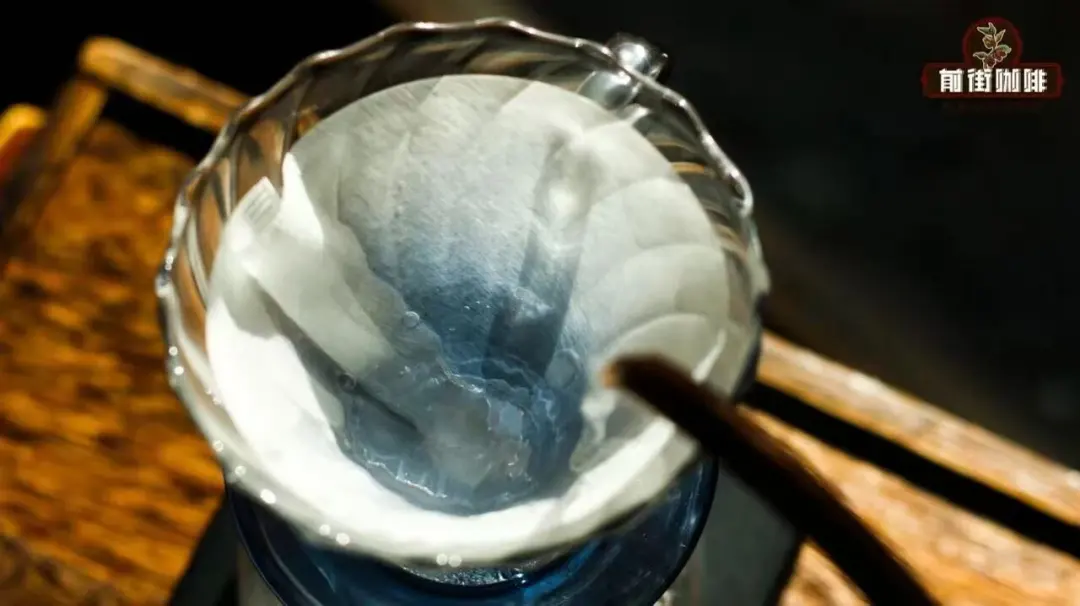
The reason people originally advocated rinsing filter paper with hot water before brewing was that filter papers back then generally had a papery smell that interfered with the coffee's flavor. As production processes have continuously improved, many manufacturers' filter papers no longer have a papery smell, which has led many people to skip the hot water rinsing step, or even not rinse at all.
But note that not all filter papers on the market are odor-free. Some filter papers made from special materials or using special processes still retain a certain papery smell. If you don't want this smell mixed into your coffee, it's best to smell and test the filter paper after buying it, then decide whether to keep the rinsing step, so that the papery smell doesn't ruin the coffee's overall performance.
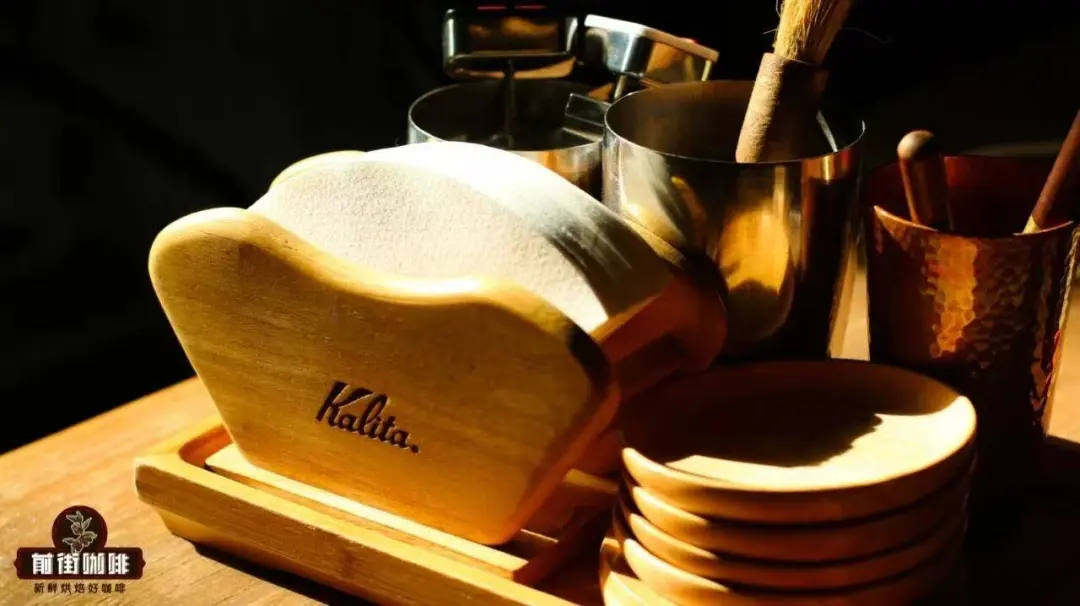
Another point worth noting is filtration strength. As we all know, common filter papers have quite strong interception capability—besides the visible coffee grounds, they can even filter out coffee oils.
However, oils are precisely what can enhance coffee's aroma and body. If you want to retain these oils, you can switch to a filter paper with lower filtration strength, such as non-woven fabric. Its interception capability is weaker, allowing oils to pass through smoothly, thereby making the coffee's aroma and mouthfeel more outstanding—at the cost of reduced cleanliness.
II. Water Quality
Whether making espresso, Americano, or pour-over, the quality and hardness of brewing water are details that cannot be ignored.
Water containing an appropriate amount of minerals helps more fully extract the flavor compounds in coffee; water that is too soft or too hard, on the other hand, hinders the dissolution of flavor compounds. Moreover, water quality directly affects the coffee's mouthfeel.
Just as we can distinguish different brands of mineral water by taste and mouthfeel, the impact of water quality on mouthfeel is equally reflected in coffee—after all, 98% of a cup of coffee is water. So even for iced Americano, where most of the water doesn't participate in extraction, the hardness of the water is still crucial.
Regarding brewing water, the SCA recommends a TDS value between 75~250ppm, with an ideal value of 150ppm—such water is most likely to brew delicious coffee. But in actual testing, water that consistently delivers good flavor tends to have a TDS below 100ppm. Most mineral water on the market or water filtered by household water purifiers falls within this range. If you're interested, why not test it yourself?
III. Blending
After brewing is complete, Front Street Coffee recommends shaking the sharing pitcher, or stirring the coffee liquid in the pitcher with any tool.
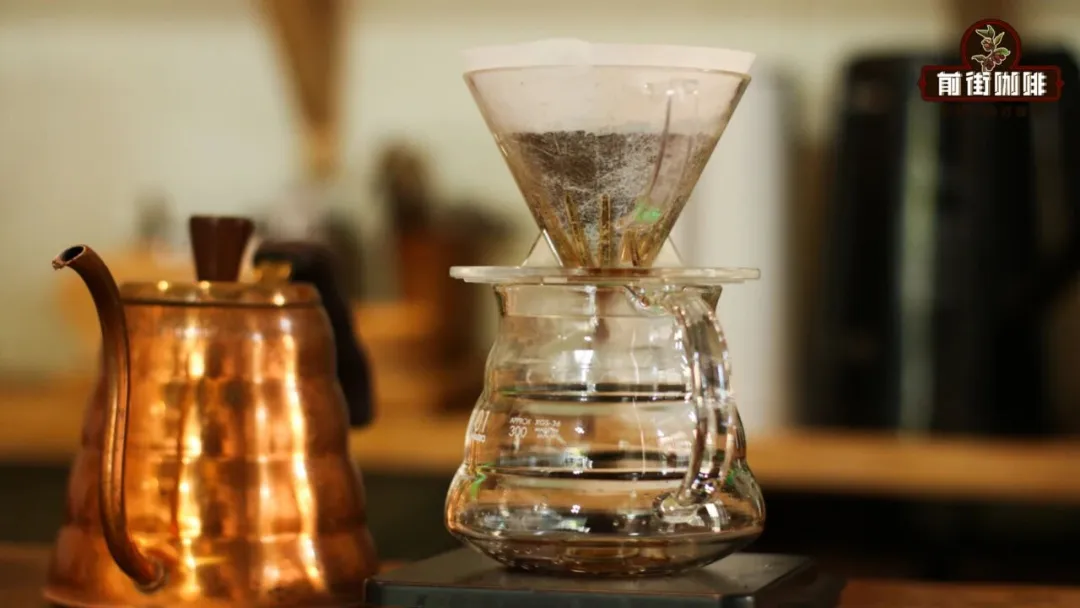
The reason is that during brewing, the concentration of coffee liquid dripping at different times is not uniform. The first drips have the highest concentration, and the later ones are increasingly diluted. If the coffee isn't poured out all at once after brewing, these liquids won't be agitated, and the concentration won't even out, easily resulting in a first sip that tastes weak and subsequent sips that get stronger and stronger.
IV. Grinder Rinsing
Before grinding the coffee beans you're about to brew, you can toss a few beans into the grinder for a pre-grind, which is essentially a simple "cleaning" for the grinder.
The grinder always retains coffee powder from the previous grind. If you directly grind new beans without first pushing out these residual grounds, those already-oxidized old grounds will mix into the current batch of coffee powder, affecting the final taste.
Therefore, the purpose of first grinding a few beans is to let them push out the previously retained grounds, effectively avoiding flavor transfer.
That's all for this sharing from Front Street Coffee. If you think there are other details worth noting, feel free to leave a comment in the comments section~
- END -
The above content is compiled by CoffeeHunters, a coffee news website.


