







Search Results for: and dark roasts
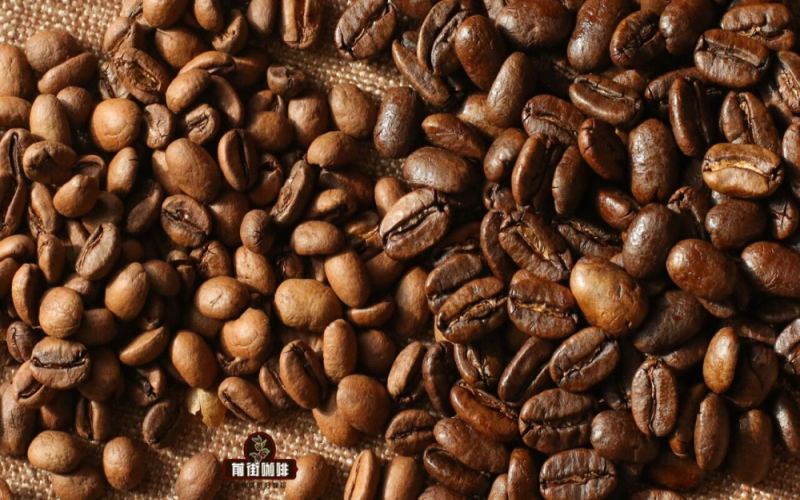
What are the differences between dark roast and light roast coffee beans? Are dark roast beans expensive, and how much do they generally cost?
Should coffee beans be dark roasted or light roasted? This is a long-running debate in the coffee world. Those who favor light roasting believe that it preserves the coffee's origin flavors and floral and fruity aromas to the greatest extent; those who champion dark roasting emphasize that only medium-dark roasting allows the Maillard reaction to complete fully, bringing a rich, full-bodied sweetness and a smooth mouthfeel. Each side has its points, and there is no absolute right or wrong. This article will sort out the core differences between dark roasting and light roasting, introduce the taste characteristics of the three levels—light roast, medium roast, and dark roast—and give specific Front Street Coffee bean recommendations for different flavor preferences, while also answering common questions such as how much dark-roasted coffee beans generally cost and whether they are expensive. [more…]
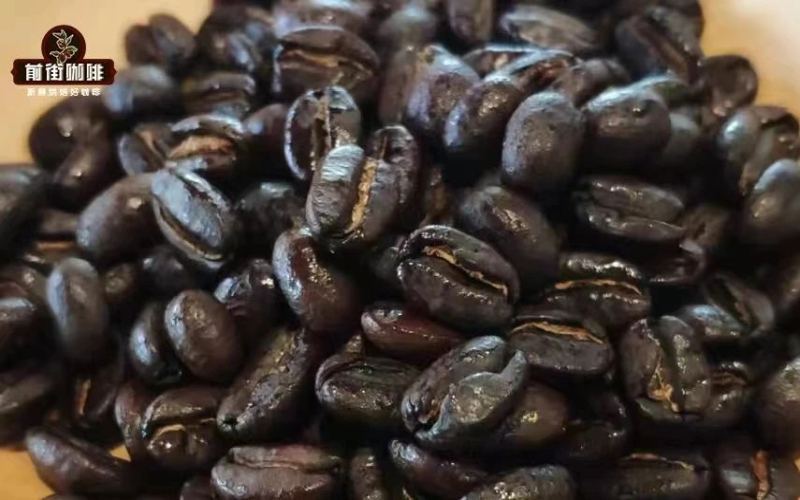
Are dark-roasted coffee beans necessarily burnt and bitter? What flavor do charred-black beans actually present?
Many people, when they hear "dark roast coffee beans," immediately think of burnt bitterness, heavy smoky flavors, or even find them hard to drink. But is that really the case? A properly roasted dark roast bean can actually offer pleasant notes of cocoa, dark chocolate, caramel, and nuts, with low acidity and a full body, balanced between sweetness and bitterness. Drawing on Front Street Coffee's roasting experience, this article sorts out the relationship between the Maillard reaction and roast level, and recommends a variety of Front Street medium-dark and dark roast products for different taste preferences, including Queen's Estate, PWN Golden Mandheling, Classic Blend, Specialty Blend, Commercial Blend, and Dark Cocoa Base Blend, helping coffee lovers find the rich, full-bodied choice that suits them. [more…]
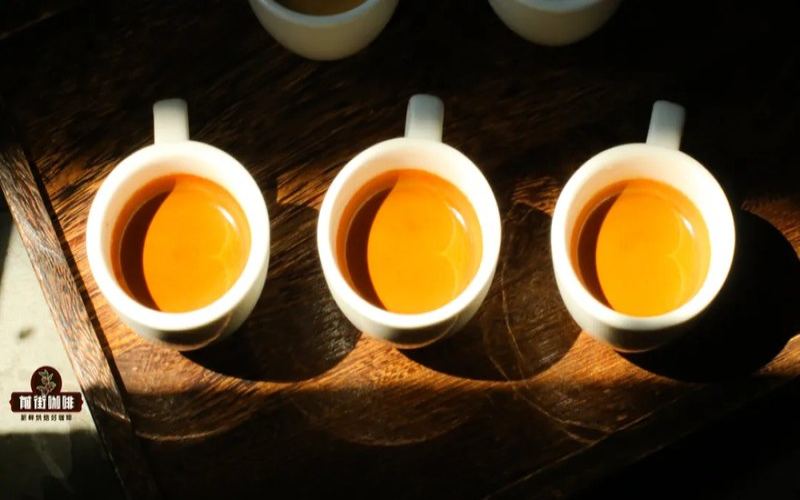
From Medium-Dark to Dark Roast: Choosing Dark Roast Beans for Pour-Over Like This
Pour-over is not only for bright, light-roasted beans. Once the roast level reaches medium-dark or dark, coffee reveals notes of cocoa, nuts, caramel, and roasted aromas, with a heavier mouthfeel and softer acidity. As long as you choose according to the intensity you want, dark-roasted pour-over can also deliver clear sweetness and a smooth texture. Pick [more…]
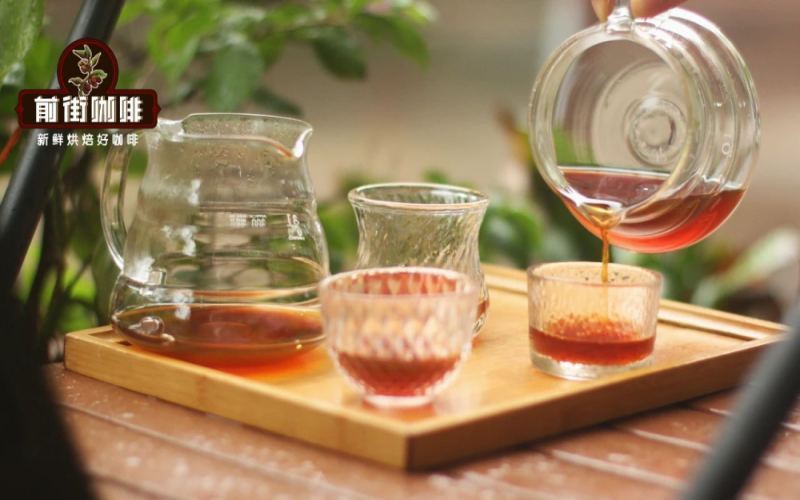
Is specialty coffee limited to light and medium roasts? The positioning and flavor analysis of dark roasts in the third wave
In the third wave of specialty coffee, light-to-medium roasts have almost become synonymous with the expression of "terroir," to the point that many enthusiasts frown the moment they see dark-roasted beans, even equating them with "Chinese herbal medicine taste" or "low-quality beans." But is dark roasting really incompatible with specialty coffee? What is the reason for its existence? From the SCA system to the bittersweet aesthetics of old Japanese-style kissaten, from differences in extraction methods to niacin and NMP on the health level, this article will dissect the rationality of dark roasting from a professional perspective and explain why a good-tasting dark-roasted coffee is often harder to find than a light roast. Front Street Coffee will also share the key principles of dark-roast brewing, guiding you to rediscover this underrated roasting style. [more…]
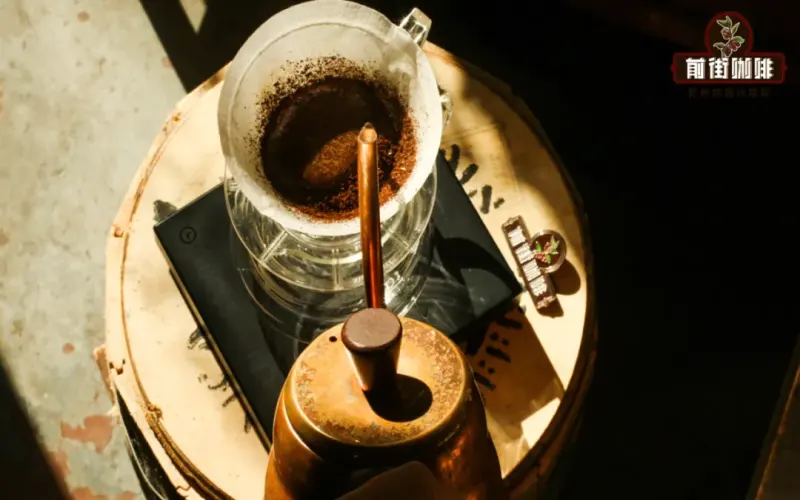
What is the difference in flavor between Blue Mountain No. 1 and Golden Mandheling? Is it true that dark-roasted coffee only tastes bitter?
In today's world where light roasts dominate the specialty coffee scene, dark-roasted coffee still retains a loyal following. This article explores the unique charm of dark-roasted coffee from three dimensions: aroma, mouthfeel, and sweetness. Using Jamaica Blue Mountain No. 1 and Indonesian Golden Mandheling as examples, it illustrates the differences in aroma that beans from different origins and varieties exhibit under dark roasting; and from the perspectives of expansion rate, moisture loss rate, and bitter compounds, it explains why dark-roasted coffee is richer and fuller-bodied. It also explores the taste layers of dark-roasted coffee where bitterness carries sweetness, as well as the lingering sweet aftertaste—a characteristic that light roasts find hard to replicate—taking you to rediscover the rich character of dark-roasted coffee. [more…]
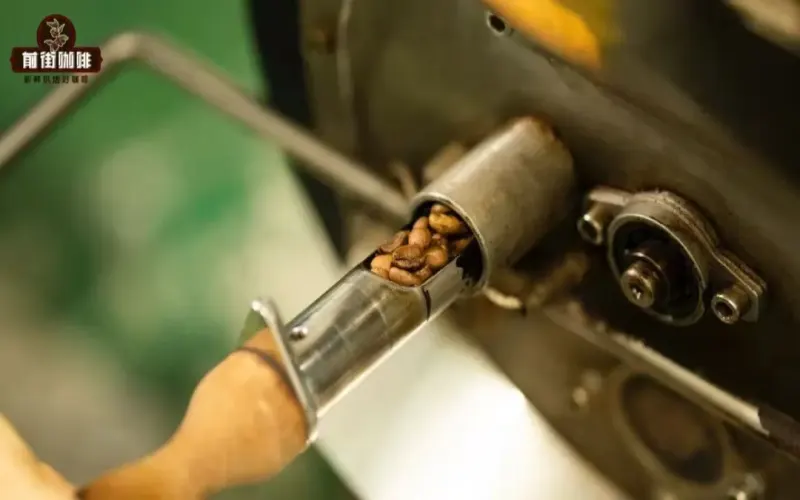
Analysis of Pour-Over Parameters for Medium-Dark and Dark Roast Coffee Beans and Recommended Suitable Varieties
The roasting degree of coffee beans directly affects the flavor profile: light roasts highlight acidity and floral notes, while medium-dark roasts bring the rich, mellow feel of nuts, chocolate, and caramel. Starting from roasting types, this article sorts out the characteristics and representative products of medium, medium-dark, and dark roasted coffee beans, and provides parameter references for pour-over brewing methods for dark roasted beans. For coffee lovers who prefer low acidity and a rich taste, the article also introduces several medium-dark roasted single origins and espresso blends under Front Street Coffee, helping you find the cup that suits you between pour-over and espresso. [more…]
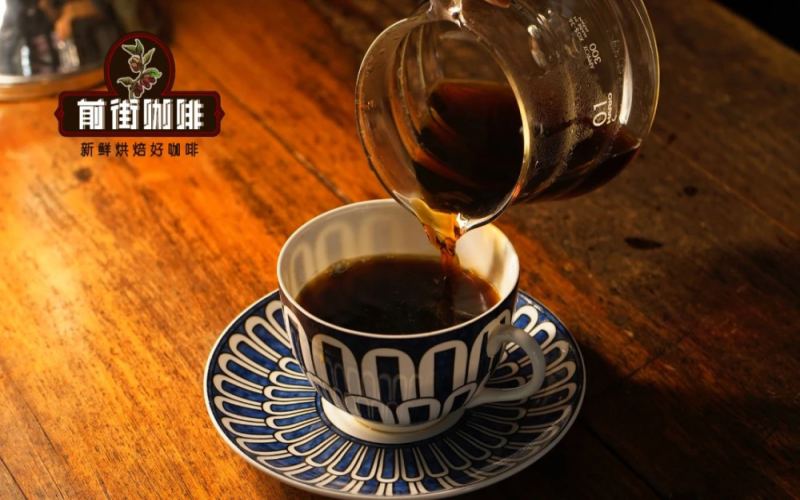
How Much Caffeine Is in Dark Roast Coffee Beans? A Selection of Dark Roast Black Coffees Worth Trying
The acidity and bitterness of coffee are closely related to the roast level, but is it true that dark-roasted beans contain more caffeine? This is a topic often discussed among coffee enthusiasts. In this article, Front Street Coffee first systematically outlines the eight roast stages from light to extremely dark and their flavor characteristics, then, combining specific origins with actual cupping experience, recommends three representative dark-roasted coffee beans—Golden Mandheling, Colombia Huila, and Brazil Queen Estate. Whether you prefer a rich, bitter profile or want to understand the logic of selecting dark-roasted beans, this content will help you build a clear cognitive framework and find the one that suits your taste. [more…]
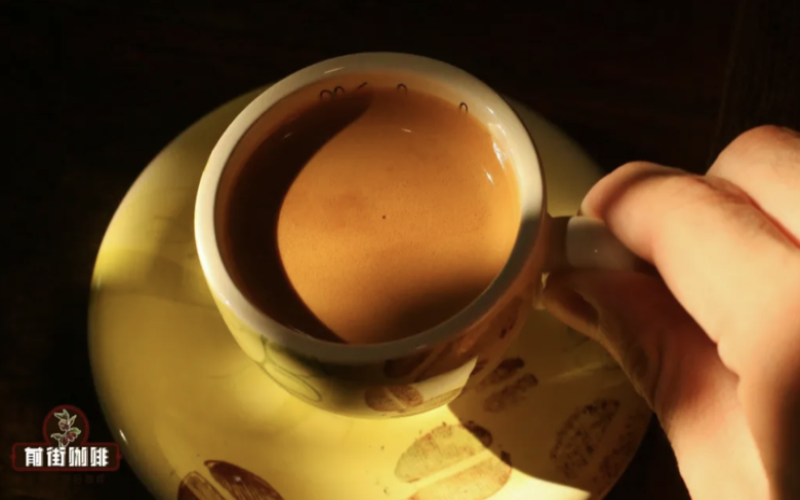
The Japanese Dark Roast School: A Roasting Philosophy That Takes Mouthfeel as Its Faith
In an era when specialty coffee has unmistakably surged toward "light-roast fruit acidity," the Japanese roasting world took the opposite path: roasting beans dark and thorough, pursuing the mellow aesthetics of "sweetness after bitterness." Japanese-style dark roasting is not an accidental product of over-roasting, but a self-consistent philosophical system. Understanding this school will change how you think about what "coffee should [more…]
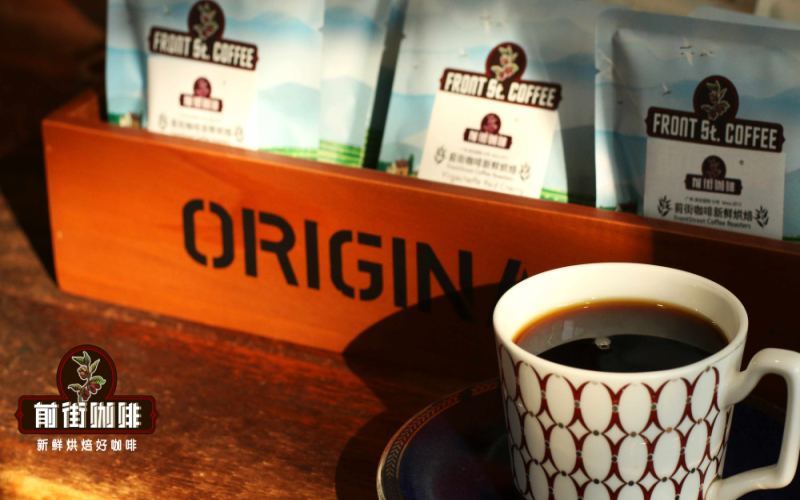
How Does Coffee Roast Level Affect Flavor? Medium vs. Dark Roast Differences Explained and Five Dark Roast Beans Recommended
The flavor profile of coffee is largely determined by the roast level. From light to dark roast, as the beans spend more time in the roaster, acidity gradually diminishes while bitterness and body steadily increase. Understanding the flavor characteristics of light, medium, and dark roasts can help coffee lovers more efficiently identify beans that suit their taste. This article will systematically break down the core flavor differences between medium and dark roast coffee, explain which roast level corresponds to coffee with lower acidity, and compile a list of five currently popular dark roast coffee beans, including several representative products from Front Street Coffee, for drinkers with different preferences to reference. [more…]
How Does Roast Level Shape Coffee Flavor? The Difference Between Light and Dark Roasts and Five Popular Dark Roast Bean Recommendations
The roast level of coffee is one of the key factors determining its flavor profile. From light to medium to dark roast, as roasting time increases, coffee beans present distinctly different aromas and tastes. Light roasts often feature bright fruity acidity and floral notes, medium roasts balance sweetness and acidity with nutty and chocolatey tones, while dark roasts are known for their rich bitterness and lingering sweet aftertaste. Understanding these differences can help you more precisely find the coffee that suits your taste. This article will systematically outline the flavor characteristics of the three roast levels and review five of the year's most popular dark-roasted coffee beans, including Front Street Coffee PWN Golden Mandheling, Classic Espresso Blend, Queen's Estate, Colombia Huila, and Specialty Espresso Blend, for coffee lovers' reference when purchasing. [more…]
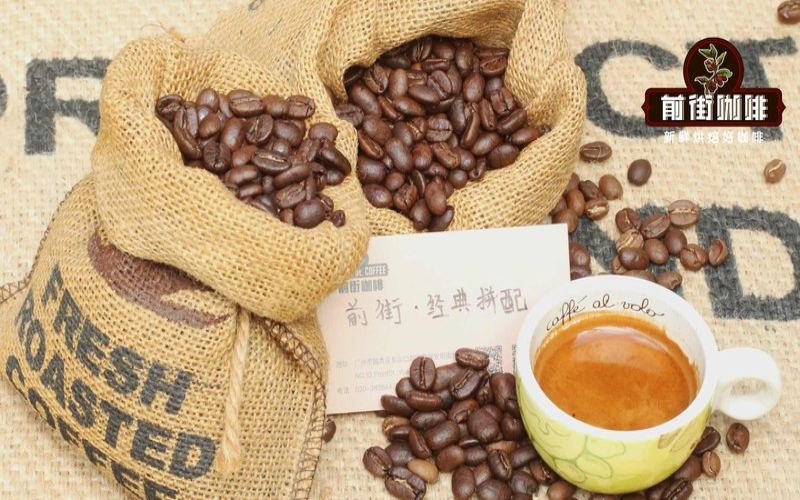
How to Choose Dark Roast Coffee Beans: From Roast Level to Everyday Brewing
The charm of dark roast coffee beans lies in their full body, deep aroma, and long finish. They often present notes of dark chocolate, roasted nuts, caramel, smoke, or spice, with acidity pushed to the background, making them suitable for pairing with breakfast in the morning or for making rich drinks with milk. If you prefer a solid, smooth coffee with a roasted feel, dark roast will be a good choice. [more…]
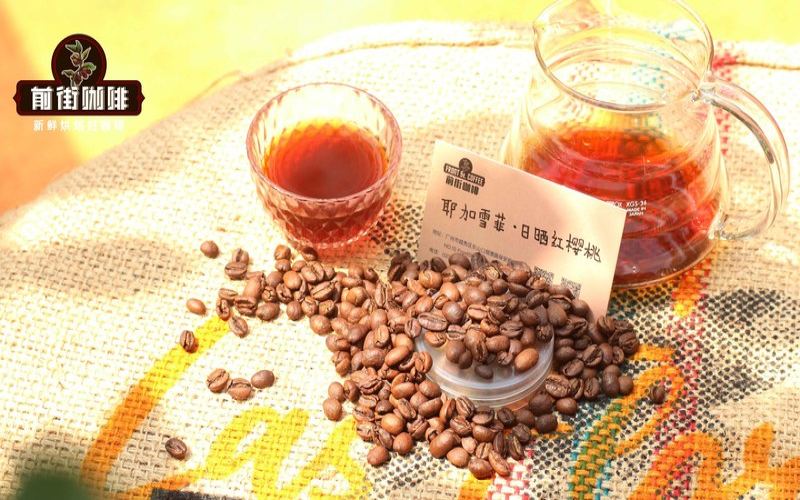
Dark roast coffee beans: how the roast level changes the taste
Dark-roasted coffee beans are not limited to just one flavor. As beans move from medium-dark to dark roast, their original fruity acidity gradually recedes, while caramel, cocoa, nutty, and roasted aromas become more prominent, and the cup feels fuller on the palate. When choosing, rather than fixating solely on the words "dark roast," it's better to further confirm whether it sits at the darker end of medium-dark or at a very dark level. Medium-dark leaning [more…]

Specialty Coffee | Why Are Light and Medium Roast Coffee Beans So Popular? Is Dark Roast Coffee Good? What's the Difference Between Dark Roast and Medium Roast Coffee?
Mainstream Third Wave Specialty Coffee Nowadays, cafes often emphasize that they serve "specialty coffee." What exactly is "specialty coffee"? Why is it that among the home-roasting businesses blooming like wildflowers, over ninety percent choose the so-called light-to-medium roast to interpret the flavors of green coffee beans? Just pay a little attention to coffee-related articles. [more…]

From Medium-Dark to Dark Roast: How to Choose Low-Acid Moka Pot Espresso Beans
Low-acid dark roast coffee beans do not have just one flavor; the roast color, development level, and post-roast resting state all influence how the coffee performs in the cup. If you want to make coffee with soft acidity and a full body using a moka pot or espresso machine, you can first look at the roast level, then decide whether you prefer cocoa, nutty, herbal, or balanced notes. [more…]
From Medium-Dark to Heavy Roast: How to Choose Beans for Pour-Over Dark Roast
Pour-over is not only for bright, light-roasted beans. Once the roast level reaches medium-dark or dark, coffee reveals cocoa, nut, caramel, and roasted aromas, with more weight on the palate and acidity that trends softer. As long as you choose according to the intensity you want, dark-roast pour-over can also deliver clear sweetness and a smooth texture. Pick [more…]
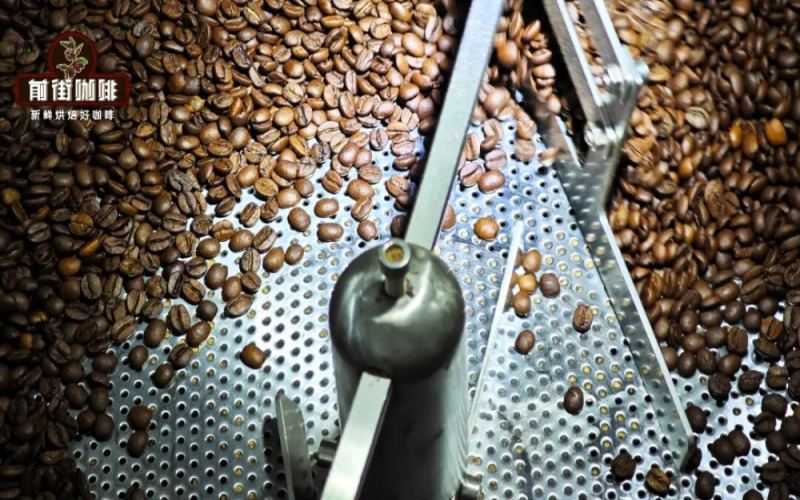
The Historical Origins of Japanese Ultra-Dark Roast Coffee: Why Japanese People Are Drawn to This Rich Flavor
At a time when specialty coffee is widely chasing the light-roast fruit acidity, Japanese-style dark roasting stands out with its unique low-heat, slow-roasting approach. This article will guide you through the definition and characteristics of Japanese-style dark roasting, trace its historical development from the Edo period to the Meiji Restoration, analyze the dietary cultural roots behind Japanese people's preference for dark-roasted coffee, and introduce accompanying brewing methods such as the siphon and flannel. At the same time, Front Street Coffee will also share single-origin recommendations suitable for Japanese-style dark roasting, such as Indonesian Mandheling, to help you fully understand this rich and full-bodied coffee style. [more…]
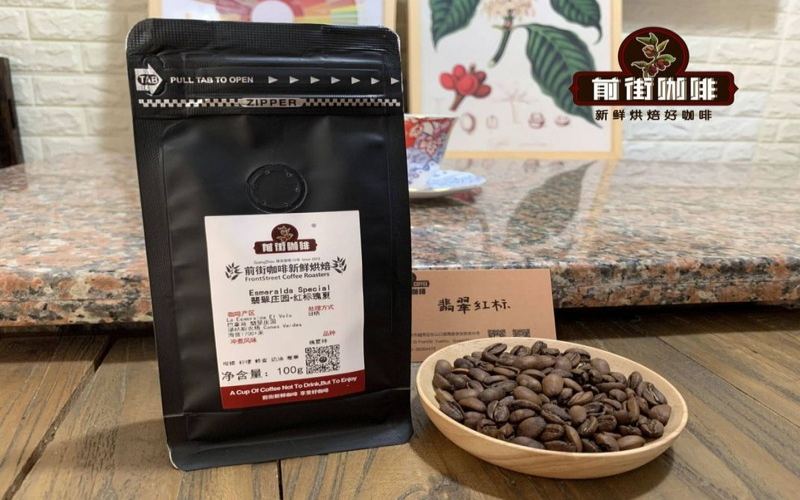
Three Flavor Levels of Dark Roasted Beans: Which Roast Level Suits You Best?
Dark-roasted beans don't have just one flavor. As the roast progresses from medium-dark all the way to dark, the acidity in the coffee gradually recedes, while nutty, cocoa, caramel, and roasted aromas become more prominent, and the mouthfeel shifts from crisp to full-bodied. To pick the right beans, start by checking the roast level on the packaging, then decide whether you care more about aroma or sweetness. [more…]
A Flavor Map of Dark Roasts and Richness: A Bold Bean Lineup Starting from Mandheling
Lovers of rich, full-bodied crema will eventually find their way into the world of dark-roasted beans. There, there is none of the fresh, fruity acidity—instead, there is an intense landscape woven from dark chocolate, caramel, herbs, and smoke. This flavor map starts from Mandheling and marks out, one by one, the classic coordinates of the dark-roast world. The starting station is Mandheling itself. Sumatra's wet-hulling process [more…]

Why Does Dark Roast Coffee Still Taste Sour? Explaining the Causes Behind Differences in Acidity and Bitterness Across Roast Levels
Many people believe that dark roast coffee should be completely free of acidity, but is that really the case? Front Street Coffee has noticed that some friends unexpectedly taste acidity in dark roasted beans, and even suspect that the roaster didn't roast them properly. In fact, the acidity in coffee comes from two sources: the organic acids inherent in the green beans, and the acetic acid produced by the caramelization reaction during roasting. The darker the roast, the more the organic acids break down, and the acidity decreases accordingly—but it doesn't disappear entirely. The reason the acidity in dark roast coffee is hard to detect is that the intense bitterness and signature aromas of smoke and chocolate mask it. This article will explain, from the perspectives of the causes of acidity, differences in roast level, and perception mechanisms, why dark roast coffee can still carry acidity, and in which situations that acidity is more likely to be tasted. [more…]
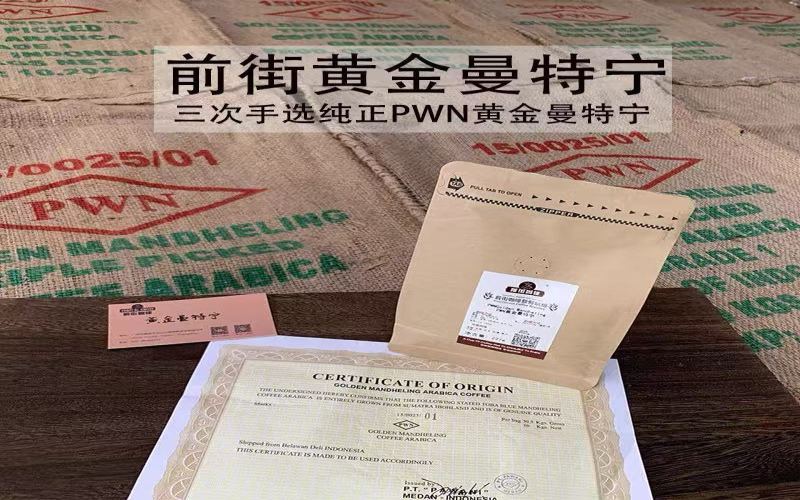
Are Dark Roast Beans Always Bitter? Understanding Dark Roast Coffee Even If You Fear Bitterness
The word "dark roast" has turned many people away—the mere thought of it conjures up an image of a bitter, astringent cup of strong coffee. But if you ask people who truly understand coffee, they will most likely tell you: the bitterness of dark-roasted [more…]