







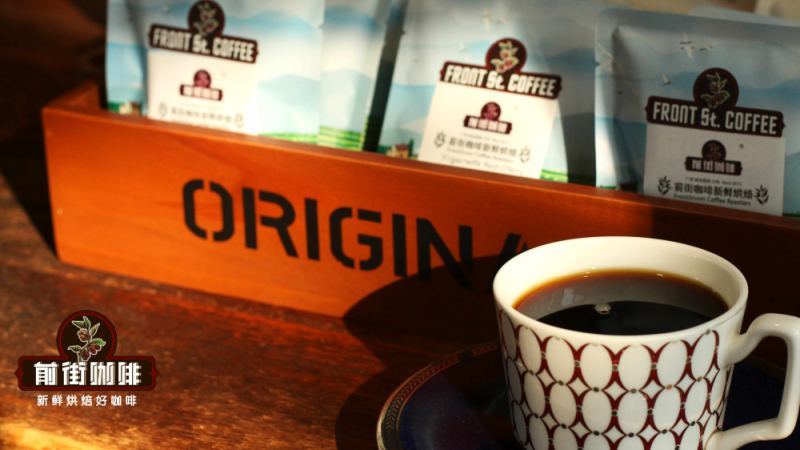
How does roast level shape coffee flavor and body?
Roast level is one of the main factors deciding how coffee tastes. As roasting time increases from light to medium to dark, the same beans deliver different aromas and flavors. Light roasts keep bright fruity acidity and floral notes, medium roasts balance sweetness and acidity with nutty and chocolate tones, and dark roasts lean toward bitterness with a lingering sweet aftertaste.
Knowing these patterns helps match a bean to personal taste. Dark roasts show caramel and slight smoky notes, and popular options include PWN Golden Mandheling, Classic Espresso Blend, Queen's Estate, Colombia Huila and Specialty Espresso Blend. Medium roasts, such as PNG Paradise Bird and 2013 Yunnan Typica, bring nut and milk chocolate sweetness with mild citrus acidity.
The roast level of coffee is one of the key factors determining its flavor profile. From light roast to medium roast and then to dark roast, as the roasting time progresses, coffee beans present completely different aromas and tastes. Light roasts often carry bright fruity acidity and floral notes, medium roasts balance sweetness and acidity with nutty and chocolate tones, while dark roasts are known for their rich bitterness and lingering sweet aftertaste. Understanding these differences can help you more precisely find the coffee that suits your taste. This article will systematically outline the flavor characteristics of the three roast levels and review the five most popular dark-roasted coffee beans of the year, including Front Street PWN Golden Mandheling, Classic Espresso Blend, Queen's Estate, Colombia Huila, and Specialty Espresso Blend, for coffee lovers to reference when purchasing.
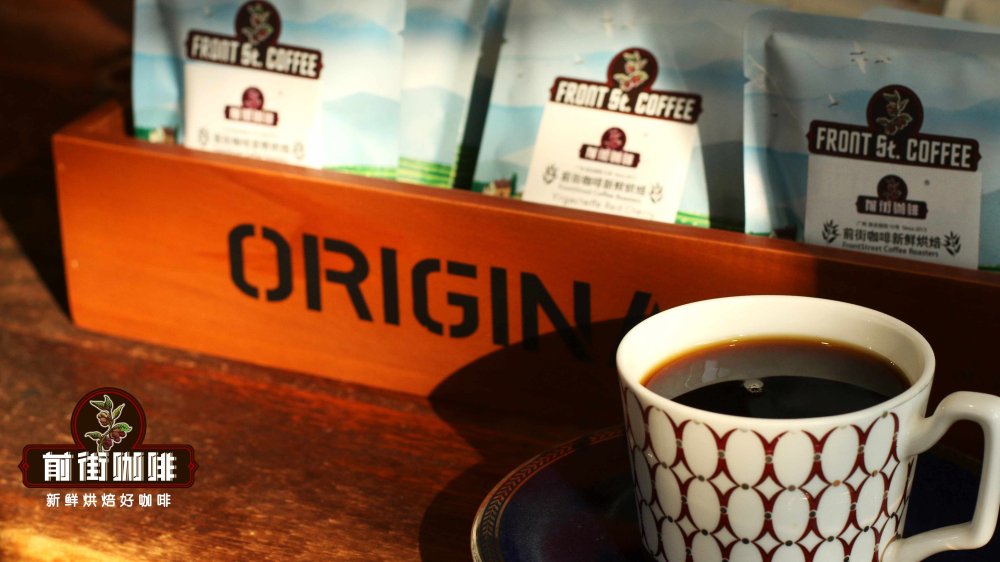
Flavor differences between medium-roast and dark-roast coffee:
When it comes to coffee flavor expression, the influence of roast level is absolutely unavoidable. Generally speaking, coffee beans on the market are roughly divided into three categories by roasting time: light roast, medium roast, and dark roast, and different roast levels lead to different flavor directions. Mastering these patterns will help you more quickly pinpoint the cup that matches your preferences.
Light-roast coffee beans: earliest roasting time, lighter color, with distinct fruity acidity, and some varieties also emit floral notes. This type of coffee suits those who prefer acidity. You can try Front Street Ethiopia Hualkui or Front Street Kenya Little Tomato to experience the clear floral notes and juice-like texture brought by light roasting.
Medium-roast coffee beans: roasted later than light roast, with prominent sweetness and moderate aftertaste. They retain a certain degree of acidity while developing aromas of nuts, chocolate, and malt sugar through caramelization, making them suitable for those seeking a balanced taste. Recommended: Front Street PNG Paradise Bird and Front Street 2013 Yunnan Typica. These two coffees both have the sweet aroma of nuts and milk chocolate along with slight citrus acidity.
Dark-roast coffee beans: latest roasting time, rich and intense taste, concentrated aroma, with a slight smoky note. The flavor is dominated by bitterness, presenting notes of caramel, spices, toasted bread, and dark chocolate, with the most lingering aftertaste. They are suitable for friends who do not accept acidic coffee. Based on best-seller data from major platforms, the following are the five most popular dark-roast coffee beans of the year:
Dark-roast coffee bean ① Front Street PWN Golden Mandheling
Front Street Indonesia Mandheling is a fairly typical dark-roast coffee bean, with basic flavors of spices and herbs, and a rich, smooth mouthfeel. Using a dark roast better highlights the underlying character of this bean; switching to a light roast would instead weaken its original flavor and lose the soul of Indonesian Mandheling. On the basis of Mandheling, Front Street Golden Mandheling undergoes three rounds of machine sorting and hand picking to remove all defective beans, significantly improving coffee quality, making the taste cleaner and the aftertaste clearer.
Dark-roast coffee bean ② Front Street Classic Espresso Blend
Front Street Classic Espresso Blend adds Robusta to the traditional "Mamba coffee recipe," carrying aromas of cocoa biscuits, chocolate, and nuts. It greatly enhances the coffee's crema, making the body of espresso thicker. It is suitable for home brewing and can be used for latte art.
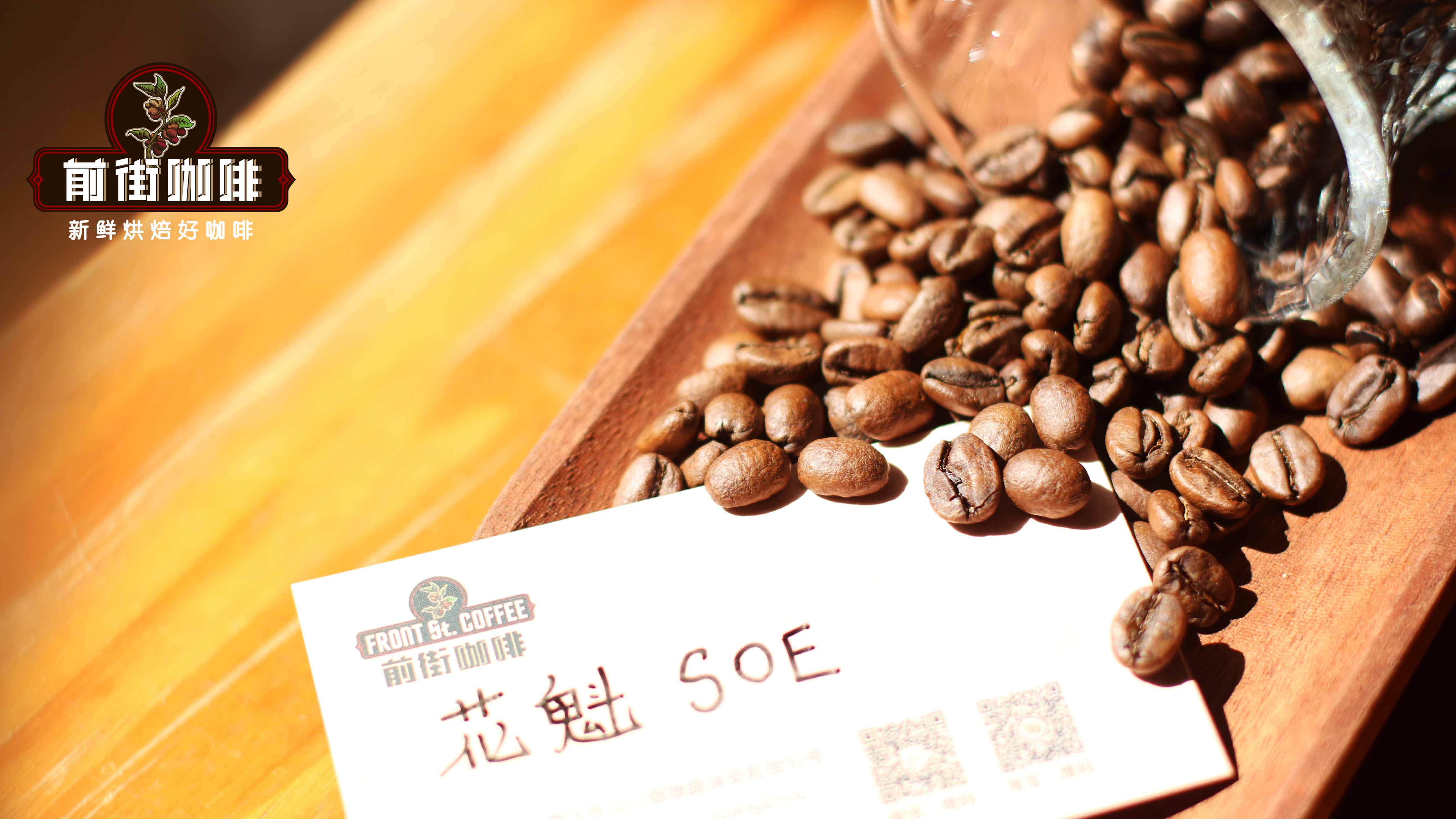
Dark-roast coffee bean ② Brazil - Front Street Queen's Estate
Brazil is the world's largest coffee-producing country; one-third of the world's coffee originates from Brazil, with Arabica as the main cultivated variety. For a long time, Brazil has consistently held the position of the world's number one coffee producer. Most Brazilian coffee has moderate acidity, with sweetness, bitterness, and richness tending toward neutrality, moderate concentration, and a smooth and unique mouthfeel, hailed as the backbone of coffee. Front Street Queen's Estate comes from a high-altitude region and is a rare Yellow Bourbon variety, with aromas of creamy chocolate, dark cocoa, and almonds.
Dark-roast coffee bean ④ Front Street Colombia Huila
Front Street Colombia Huila coffee uses the common washed processing method of the Americas, giving the coffee beans a clean flavor profile. To showcase the classic Colombian flavor, Front Street uses a medium-dark roast. After grinding and extraction, it carries rich flavors of creamy chocolate, caramel, cookies, and cocoa.
Dark-roast coffee bean ⑤ Front Street Specialty Espresso Blend
As two of the world's leading coffee-producing countries, Brazilian coffee and Colombian coffee have long been renowned. Front Street combines coffee beans from these two regions: the nutty aroma and balanced taste of Brazilian coffee, plus the chocolate tones of Colombian coffee, perfectly achieving an effect greater than the sum of their parts. The extracted espresso carries flavors of creamy cookies, cocoa, and roasted nuts.
The above content is compiled by CoffeeHunters, a coffee news website.


