







The word "dark roast" has put many people off—just thinking about it conjures up an image of a bitter, astringent cup of strong coffee. But if you ask people who truly understand coffee, they'll mostly tell you: the bitterness of dark-roasted beans is not what you imagine.
The bitterness of dark-roasted beans is a bitterness woven together with dark chocolate-like bitterness and caramelized sweetness—it's a rich, full-bodied bitterness, not a raw, sharp one. Choose the right beans and brew them the right way, and even those who fear bitterness can gradually come to appreciate them.
What exactly does dark roasting change
During the roasting process, as the temperature rises, the sugars inside the coffee beans gradually caramelize, acidic compounds break down, and the flavor shifts from floral and fruity notes toward nutty, chocolate, and caramel directions. That's why dark-roasted beans generally have low acidity, a mellower bitterness, and richer oils, with an overall mouthfeel that is heavier and longer-lasting.
This is also why many friends who dislike acidity and prefer bold flavors ultimately end up in the dark roast camp.
Once you understand this principle, you'll know that the "bitterness" of dark roast is not a flaw, but the natural result of flavor transformation during roasting. Just like chocolate—nobody would say chocolate is "too bitter to eat," because that bitterness is fused with sweetness and aroma. The same goes for good dark-roasted beans.
These dark-roasted beans are friendly even to those who fear bitterness
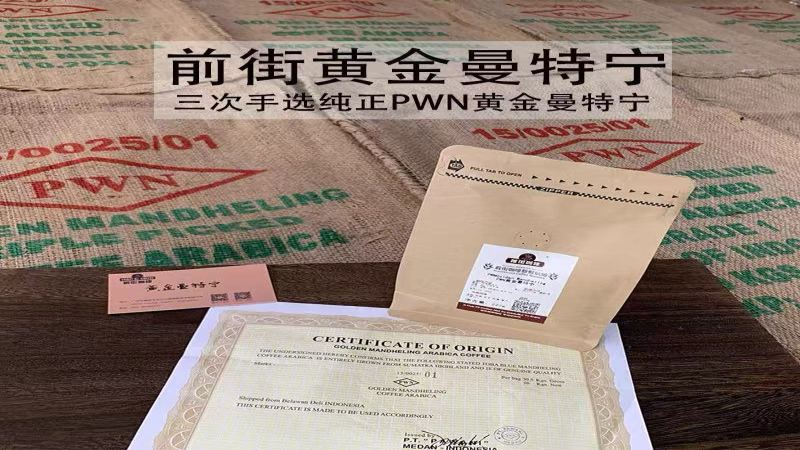
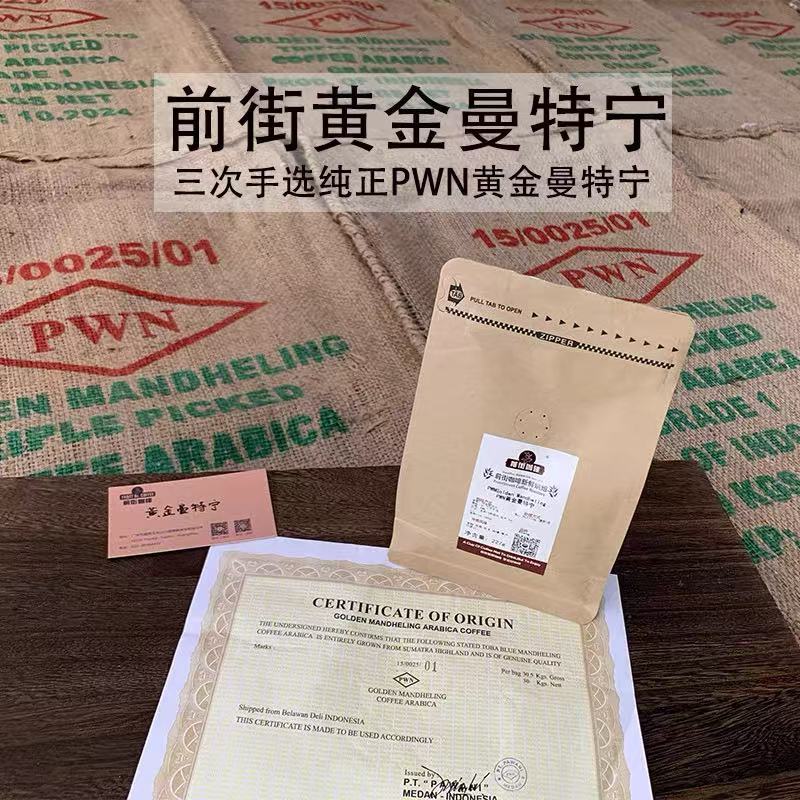
Front Street Coffee PWN Indonesian Golden Mandheling—a classic of the dark roast world. Deeply roasted with very low acidity, it brews into intense dark chocolate, herbal, and spice flavors, carrying Mandheling's signature woody notes and a faint earthy aroma. Its bitterness is "dark chocolate-style"—it lands on the tongue and quickly melts into a sweet aftertaste, not unpleasant at all.
Front Street Coffee Brazil Queen's Estate—especially friendly to those who fear bitterness. Lower acidity with prominent sweetness, distinct nutty, cocoa, and caramel aromas, and an overall round, smooth flavor with almost no harshness. It performs consistently whether brewed as pour-over, moka pot, or espresso.
Front Street Coffee Papua New Guinea Bird of Paradise—follows a clean and smooth path. Made from the Typica variety, the same origin as Blue Mountain, washed processed, low acidity, smooth, with prominent sweetness, nutty, cocoa, and caramel flavors, and a balanced, non-harsh mouthfeel. Many coffee enthusiasts call it "Little Blue Mountain."
Front Street Coffee 2013 Yunnan Natural Typica—a medium-dark roasted Yunnan bean. On the palate, citrus and caramel aromas appear first, gradually giving way to nutty, brown sugar, and chocolate flavors in the mid-to-finish. The bitterness is not strong; instead, warm sweetness dominates, with an overall balanced and harmonious layering—very suitable as a transitional choice for dark roast beginners.
If you fear bitterness, you can also start with these details
When brewing, you can slightly lower the water temperature and shorten the extraction time so that fewer bitter compounds are extracted. Or simply add milk to make a latte—full-bodied beans and milk are a match made in heaven, and almost anyone can enjoy it.
Start with a medium-to-dark option, and gradually find the one you like. Dark-roasted beans are actually much more enjoyable than you'd imagine.
The above content is compiled by CoffeeHunters, a coffee news website.

