







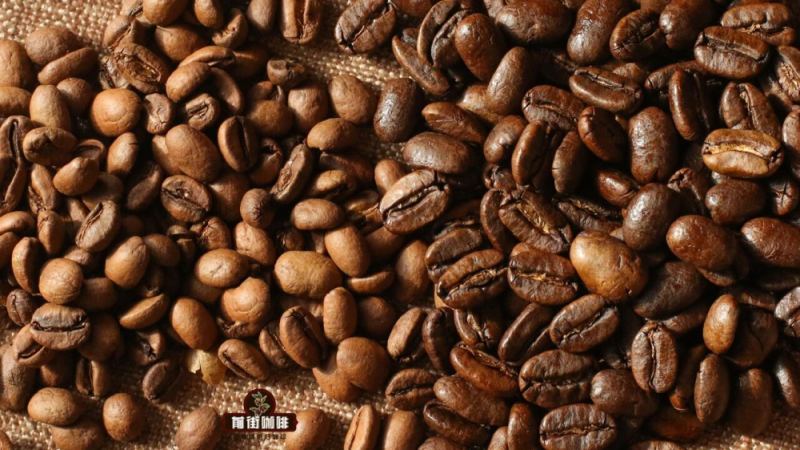
How do dark roast and light roast coffee beans differ?
Dark roast and light roast differ mainly in how much of the bean's own flavor survives roasting. Light roasting keeps origin flavors and floral, fruity aromas; medium-dark roasting lets the Maillard reaction finish, bringing full-bodied sweetness and a smooth mouthfeel. Neither side is simply right, and the article sorts out the taste of light, medium, and dark roasts and addresses whether dark roast beans are expensive.
The debate reflects each roaster's understanding of flavor rather than a fixed standard. Light roasting has become a benchmark for specialty coffee, with some US roasters going quite far in that direction, while Peet's in San Francisco has long taken the dark roast route. Bean recommendations follow different flavor preferences, and cost questions are answered with typical price ranges.
Should coffee beans be dark roasted or light roasted? This is a long-standing debate in the coffee world. Those who favor light roasting believe that light roasting preserves the coffee's origin flavors and floral and fruity aromas to the greatest extent; those who champion dark roasting emphasize that only medium-dark roasting allows the Maillard reaction to fully complete, bringing a rich, full-bodied sweetness and a smooth mouthfeel. Both sides have their points, and there is no absolute good or bad. This article will sort out the core differences between dark roasting and light roasting, introduce the taste characteristics of light roast, medium roast, and dark roast, and give specific Front Street Coffee bean recommendations for different flavor preferences, while also answering common questions such as how much dark-roasted coffee beans generally cost and whether they are expensive.
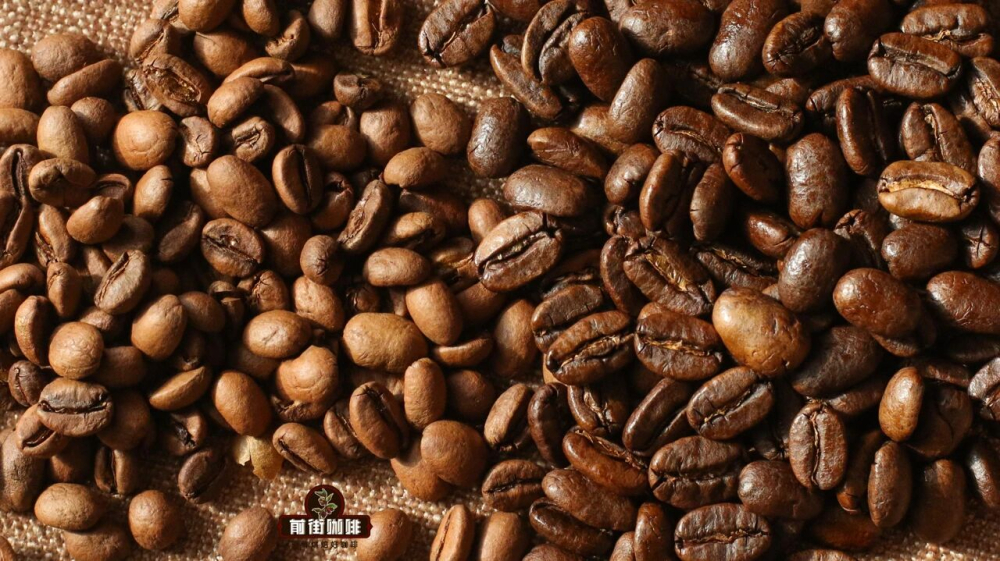
Should coffee beans be dark roasted or light roasted? What exactly are the differences between these two roasting styles?
Within the coffee industry, the debate over whether a bean should be dark roasted or light roasted has never stopped. Roasters who favor light roasting argue that light roasting can maximize the release of the coffee bean's own flavor characteristics, and this view is held mostly by the younger generation of roasters.
In fact, with the advancement of the global specialty coffee wave, light roasting has indeed gradually come to be regarded as a benchmark and direction for specialty coffee. Some specialty roasters in the United States even use light roasting to a degree that is surprising. On the other side, those in the dark roast camp insist that only after medium-dark roasting can the "Maillard reaction" in coffee beans be fully completed. Peet's in San Francisco is a representative that has always taken the dark roast route, and it is also widely recognized as an authority in the field of dark roasting.
●This debate about dark roasting versus light roasting will probably continue for a long time, because the choice of roast level essentially reflects the roaster's or roasting company's personal understanding of coffee flavor. In my view, dark roasting and light roasting neither need nor should be boxed in by a uniform standard. Every roaster's understanding of coffee is different to begin with, and even among roasters who all take the light roast route, the roast levels and curves they use vary.
However, as a roasting company, when deciding the roast level of coffee, you cannot rely only on the roaster's personal preferences and interests; the needs of the audience should come first. Light roasting has its reasons, and dark roasting has its basis. There is no distinction of superior or inferior between the two. If your customers pursue flavor complexity and want to experience the terroir and character of the coffee's origin, then light roasting can let them capture what they want relatively clearly.
Conversely, if customers prefer a smooth, full-bodied coffee with a rich mouthfeel and prominent sweetness, then medium to dark roasting will be more suitable. But many light roast roasters believe that once coffee enters a dark roast state, it has no flavor other than burnt bitterness, and that the flavor is almost completely lost during dark roasting. This claim is actually not objective. A roaster skilled in dark roasting will not produce coffee with a smoky, burnt taste, and customers can still perceive rich flavors in it. In other words, those who can only roast beans until they are black and oily with a pungent smoky, burnt smell are not roasters at all, but charcoal burners.
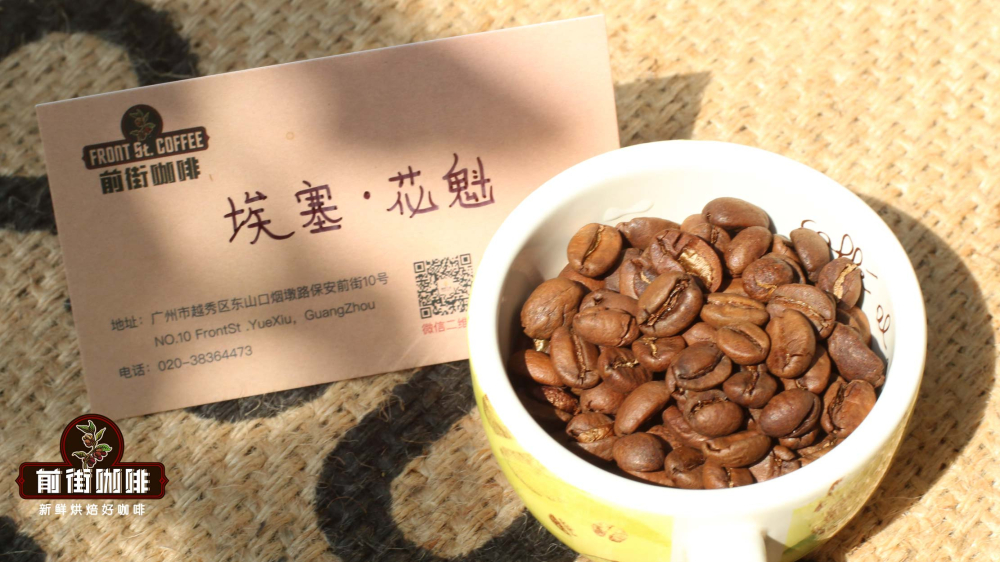
●What taste characteristics do light roast, medium roast, and dark roast coffee beans each present?
Generally speaking, light-roasted beans have a more prominent refreshing quality and especially rich flavor layers. Floral notes, fruity acidity, and certain tea-like qualities are typical expressions of this type of bean. Top recommendations are Front Street Coffee Gudingding Yirgacheffe, Front Street Coffee Huakui, and Front Street Coffee Little Tomato Kenya.
Medium roasting presents a relatively balanced state, retaining a refreshing flavor while also having a certain substantial mouthfeel, and sometimes it can also show relatively high sweetness. Here I recommend Front Street Coffee Strawberry Candy Geisha Blend, which lets you taste flavors of rose fragrance, grapes, dried blueberries, and fruit candy-like sweetness.
Dark-roasted beans highlight the mouthfeel more, and the flavor is often relatively intense. Smoky, chocolate, and woody notes are common expressions of this type of bean. Friends who like this type usually do not accept sourness very well, so the top choice is Front Street Coffee PWN Golden Mandheling. It is suitable for pour-over, French press, siphon, and espresso machines, and is a very classic coffee bean with low acidity and prominent roasted aroma.
It should be noted that the division of these three roast levels is only a rough classification. In fact, many factors such as the bean's origin, variety, and the roaster's personal style all affect how light or dark the roast is. The above answer is also only a general summary. Baristas adjust the roasting curve according to the characteristics of each bean, and dropping the beans one degree earlier or two seconds later can make the final flavor completely different.
The above content is compiled by CoffeeHunters, a coffee news website.


