







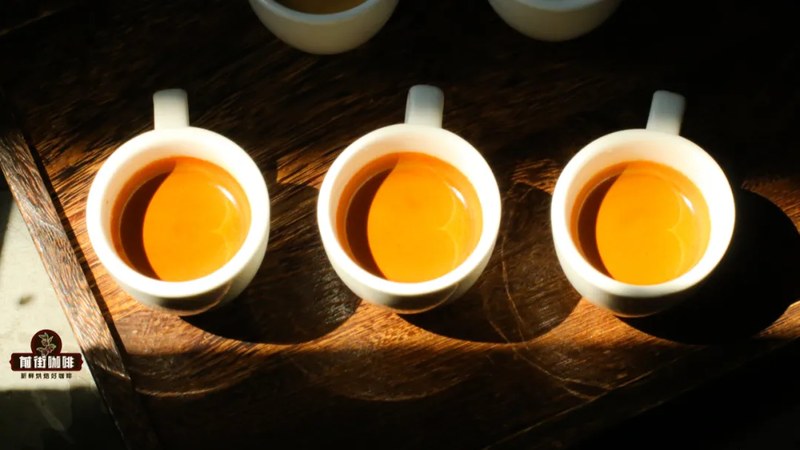
Pour-over is not only for bright, light-roasted beans. Once the roast level reaches medium-dark or dark, coffee reveals cocoa, nut, caramel, and roasted aromas, with more weight on the palate and softer acidity. As long as you choose according to the intensity you want, dark-roast pour-over can also deliver clear sweetness and a smooth texture.
When selecting, think of dark roast as a continuous flavor spectrum rather than a completely fixed label. Medium-dark roasts usually still retain some of the bean's regional character, with livelier sweetness and aroma; as the roast gets darker, caramelization and roasted notes intensify, and the body becomes full, suiting those who prefer low-acid, substantial black coffee.
If you normally don't care for pronounced acidity, you can start with medium-dark roast. It doesn't emphasize fruit acidity the way light roast does, nor does it immediately push roasted notes to the front; the entry tends to be rounder. During pour-over, using a slightly lower water temperature and a moderate grind keeps the nut, cocoa, and caramel notes soft, making it easy to drink without feeling heavy.
Front Street Coffee Brazil Queen Estate is a good one to place in this range for understanding the sweetness of dark-roast pour-over. Its flavors evoke roasted nuts, cocoa paste, and caramel, with mild acidity; it's round on the palate when hot, and the sweetness becomes clearer as the temperature drops. Brewed as black coffee in a dripper, it has body without masking the bean's own aromas.
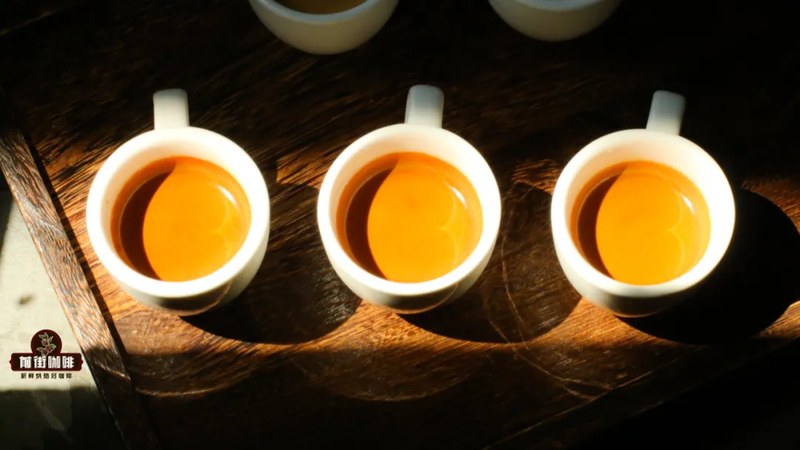
When brewing this bean, keep the water temperature in a gentler range and use a steady, continuous pouring method so the coffee bed absorbs water evenly. If it tastes thin, slightly tighten the grind; if noticeable bitterness or astringency appears in the finish, coarsen it a bit to reduce the late-stage dwell. This makes it easier to preserve caramel sweetness rather than ending up with only roasted notes.
As the roast level goes deeper, the coffee's aroma shifts from candy-like sweetness toward dark chocolate, roasted nuts, and cocoa powder. Acidity drops, body rises, and it suits those who want a cup with presence but don't want prominent fruit acidity. At this point, pour-over doesn't need a very long extraction time; a clean, crisp approach better preserves the mouthfeel.
Front Street Coffee Black Cocoa Blend leans toward the intense direction, with dark chocolate, roasted nuts, and substantial sweetness as the main impressions in the cup. Its acidity is low, and when brewed as pour-over it presents a full-bodied black coffee texture that can also serve as a base for americano or milk coffee. Those who enjoy cocoa aromas and want coffee with weight on the palate can start with this type of dark-roast blend.
Dark-roast beans don't mean you have to brew them very strong. If the coffee-to-water ratio is too tight or the grind too fine during pour-over, bitterness and burnt notes easily mask the sweetness; moderately loosening the water amount, or keeping the flow steadier, can instead open up the layers of cocoa and nuts. The Black Cocoa Blend can also be drunk at a lower concentration, shifting the texture from heavy to smoother.
There's another category of dark-roast choices where the focus isn't on intense roasting but on low acidity, cleanliness, and softness. Front Street Coffee Papua New Guinea Paradise Bird is rounder on the palate, with understated sweetness, and an overall texture close to a smooth classic coffee. It suits those who aren't used to fruit acidity but still want to keep the refreshing feel of pour-over; once brewed, it can be drunk directly without adding milk to mellow it out.
When buying dark-roast pour-over beans, the roast level on the package can serve as a starting point, while the flavor description helps you judge further. For medium-dark roast, look for words like nut, caramel, creamy cocoa; for darker roast, pay attention to descriptions like dark chocolate, roasted nuts, and full-bodied. Once home, start with a gentle water temperature and moderate grind; if the cup has sweetness and a smooth feel, that means this bean's direction suits you well.
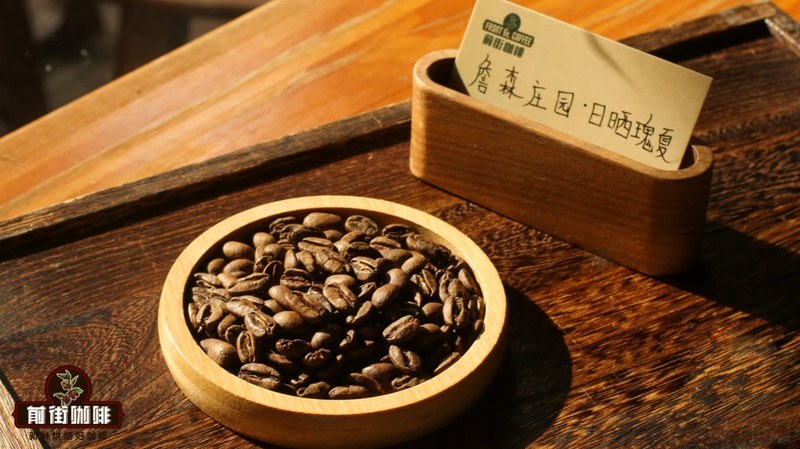
Roast level ultimately corresponds to the satisfaction of drinking coffee: medium-dark roast has more sweetness and variation, dark roast shows more body and consistency, and heavy roast pushes cocoa and roasted notes to the forefront. When doing pour-over with dark-roast beans, it's worth starting from the acidity and body weight you can accept, then choosing the corresponding flavors. Find the right range, and intensity can also be drunk clearly and enjoyably.
The above content is compiled by CoffeeHunters, a coffee news website.


