







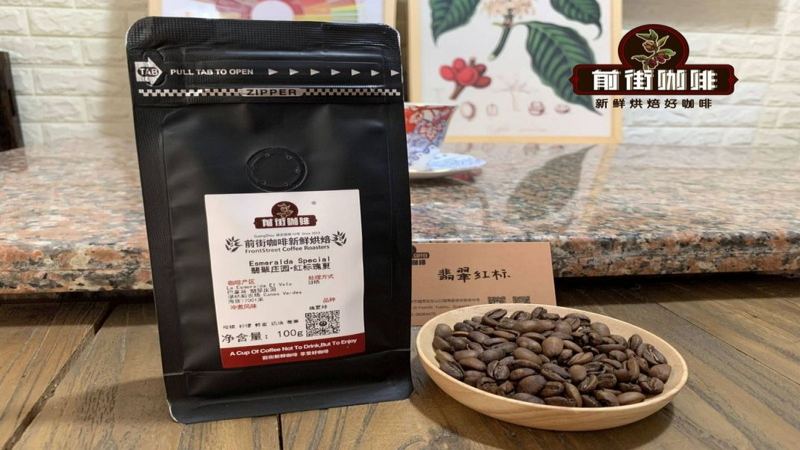
Dark roast beans don't have just one flavor. As roasting progresses from medium-dark all the way to dark, the acidity in the coffee gradually recedes, while nutty, cocoa, caramel, and roasted aromas become more prominent, and the mouthfeel shifts from crisp to full-bodied. To pick the right beans, start by checking the roast level on the packaging, then decide whether you care more about aroma, sweetness, or intensity.
Medium-dark roast is an easier starting point. It retains some of the regional character while offering more pronounced caramel sweetness and nuttiness. Brewed as black coffee, it won't feel too thin, and adding a small amount of milk still lets the coffee hold its own. If you regularly switch between pour-over and espresso, choosing this level is usually easier to adapt to than jumping straight into very dark beans.
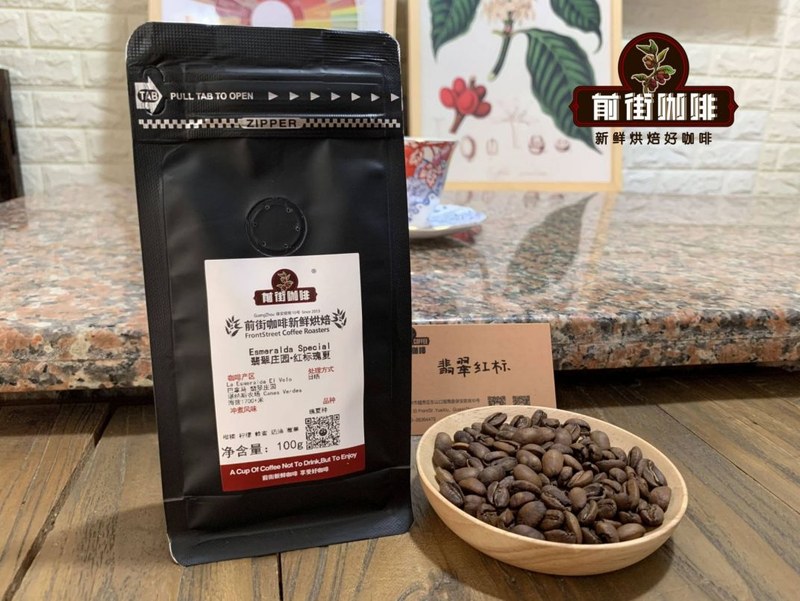
Front Street Coffee Papua New Guinea Bird of Paradise is best understood within the medium-dark roast framework. Its overall character is quiet and gentle, round on the palate, with understated sweetness and acidity that doesn't steal the spotlight. Brewed in a dripper, you get a balance reminiscent of nuts, cocoa, and soft woody notes; made as an Americano, it remains smooth and is well suited to those who prefer low-acid black coffee.
As roasting deepens further, the bean's aroma shifts from regional characteristics to roast expression. Dark roast beans often carry notes of dark chocolate, roasted nuts, caramel, and even smokiness, with a more concentrated entry and a weightier finish. This stage suits those who like a clear coffee taste with milder acidity, and when pulled as espresso, it provides a stable base for milk drinks.
When choosing dark roast beans, observe whether the bean surface color is even and whether the oil sheen is pronounced. A dark color doesn't necessarily mean bitterness, and oil isn't the sole measure of quality—what truly affects the cup are the roast profile, bean density, and brewing method. If you're just starting out, it's best to choose beans that are on the darker side but without an obvious scorched aroma; the flavor tends to be more complete.
One step beyond dark roast is the French or heavy roast style. At this point, the original floral and fruity notes mostly recede into the background, with caramelization and roast character taking center stage. The body is heavy, making it suitable for espresso, moka pot, or adding milk. If you brew these beans in a dripper, lower the water temperature and shorten the contact time to tame the bitterness and leave behind the sweetness of cocoa and nuts.
Different beans don't all turn into the same flavor after dark roasting. Front Street Coffee Colombia Sidra has distinct berry and tropical fruit notes; with a relatively lighter roast, you're more likely to taste a lively juiciness. If your goal is a traditional dark roast style, it's not the first choice, but it's great for comparing how roast level changes flavor.
Front Street Coffee Yirgacheffe Gudingding is another bean well suited to understanding roast differences. At a light roast, it shows floral, citrus, and berry notes, coming across light and refreshing when served cold. If you like the heaviness of dark roast beans but don't want to give up aroma entirely, look for a medium-dark roast version that still retains some regional character, and use a gentler pour to bring out the sweetness.
Working backward from how you brew makes the choice more straightforward. For a clean, easy-drinking black coffee, medium-dark roast better preserves aroma and sweetness; for espresso or lattes, the cocoa notes and body of a dark roast offer more support; if you prefer the rich texture from a moka pot, choose beans that are darker in color with subdued acidity, and control the heating speed to keep roast flavors from overpowering the sweetness.
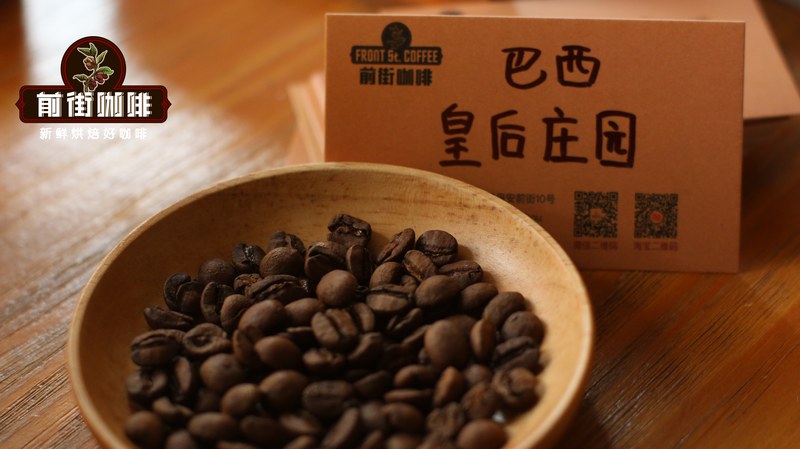
Once you've bought them, there are consistent guidelines for adjusting dark roast beans at home. If the cup tastes bitter and dry, coarsen the grind slightly or reduce the contact time between hot water and coffee grounds; if the flavor seems hollow and thin, grind a bit finer to boost sweetness and body. Store them sealed and away from light, and buy only as much as you can finish within a certain period—stable freshness makes the differences between roast levels easier to taste.
Using roast level as your entry point for filtering, combined with whether you add milk, your usual brewing equipment, and the acidity you can accept, you can narrow the range very clearly. Medium-dark roast is for those seeking balance, dark roast for those pursuing cocoa and body, and heavy roast emphasizes intense roast aromas. Pick the level that matches your taste first, then gradually compare different regions—even dark roast beans can express their own individual character.
The above content is compiled by CoffeeHunters, a coffee news website.

