







How Does Roast Level Change Arabica Arabica Flavor?
Roast level strongly shapes what ends up in the cup. Light roasts leave the roaster first, keep bright acidity and clear fruity or floral notes, and suit drinkers who like acidity. Medium roasts show more sweetness, mild acidity, and aromas of nuts, chocolate, and maltose. Dark roasts stay in longest, giving a full body, low acidity, and bitterness with caramel, spice, and dark chocolate notes.
The shift follows a simple pattern: as beans rest after roasting, acidity falls while bitterness and body rise. Choosing between medium and dark roast therefore comes down to whether a drinker prefers balance or intensity. Representative dark-roast options include blends built for espresso and milk drinks, while lighter lots highlight origin character. Most beans on the shelf are Arabica, and their origin and processing decide the starting flavor the roast then modifies.
The flavor profile of coffee depends to a large extent on the roast level. From light to dark roast, as the beans rest after roasting, acidity gradually diminishes while bitterness and body steadily increase. Understanding the flavor characteristics of light, medium, and dark roasts can help coffee lovers more efficiently pinpoint beans that suit their taste. This article will systematically sort out the core flavor differences between medium-roast and dark-roast coffee, explain which roast level corresponds to coffee with lower acidity, and compile a list of five currently popular dark-roast coffee beans, including several representative products from Front Street Coffee, for drinkers with different preferences to reference.
Flavor differences between medium-roast and dark-roast coffee:
When it comes to coffee flavor, roast level is an unavoidable variable. Generally speaking, coffee beans on the market can be roughly divided into three major categories by roasting order: light roast, medium roast, and dark roast. Because the three differ in roasting duration, the flavor directions they ultimately present also have different emphases. Mastering these patterns can help you match your taste preferences more quickly when choosing coffee.
Light-roast coffee beans: earliest out of the roaster, with a lighter bean surface color, bright acidity, and prominent fruity notes; some varieties even give off floral aromas. This type of bean suits people who prefer acidic coffee. You can try Front Street Coffee Ethiopia Hachira or Front Street Coffee Kenya Little Tomato, where you can experience the clear floral notes and juice-like mouthfeel that light roasting imparts.
Medium-roast coffee beans: out of the roaster later than light roast, with prominent sweetness, moderate lingering sweetness, and slight acidity. At the same time, due to caramelization, they carry aromas such as nuts, chocolate, and maltose. This type of bean suits people who like a balanced mouthfeel. Recommended are Front Street Coffee PNG Bird of Paradise and Front Street Coffee 2013 Yunnan Typica; both coffees combine the sweetness of nuts and milk chocolate with slight citrus acidity;
Dark-roast coffee beans: latest out of the roaster, with a rich, full-bodied mouthfeel, dense aroma, a slight smoky note, and a flavor dominated by bitterness, with notes of caramel, spices, baked bread, dark chocolate, and the most long-lasting sweetness. Suitable for friends who do not accept acidic coffee. According to bestseller lists across major platforms, the following are the five most popular dark-roast coffee beans of the year:
Dark-roast coffee bean ① Front Street Coffee. Front Street PWN Golden Mandheling
Front Street Coffee Indonesia Mandheling is a fairly typical dark-roast coffee bean. Its basic flavor is spices and herbs, with a mellow, smooth mouthfeel, so using a dark roast better highlights the bean's basic flavors. If a light roast were used, it would weaken its original flavors and lose the original soul of Indonesian Mandheling flavor. Front Street Golden Mandheling, meanwhile, is based on Mandheling and undergoes three rounds of machine screening and hand sorting to remove all defective beans, greatly improving the quality of the Mandheling coffee and making the coffee taste cleaner with more obvious lingering sweetness.
Dark-roast coffee bean ② Front Street Classic Italian Blend
Front Street Classic Italian Blend adds Robusta to the traditional "Mamba coffee recipe," with aromas of cocoa biscuits, chocolate, and nuts, fully enhancing the coffee's crema and making the body of espresso stronger. Suitable for home preparation and for latte art.
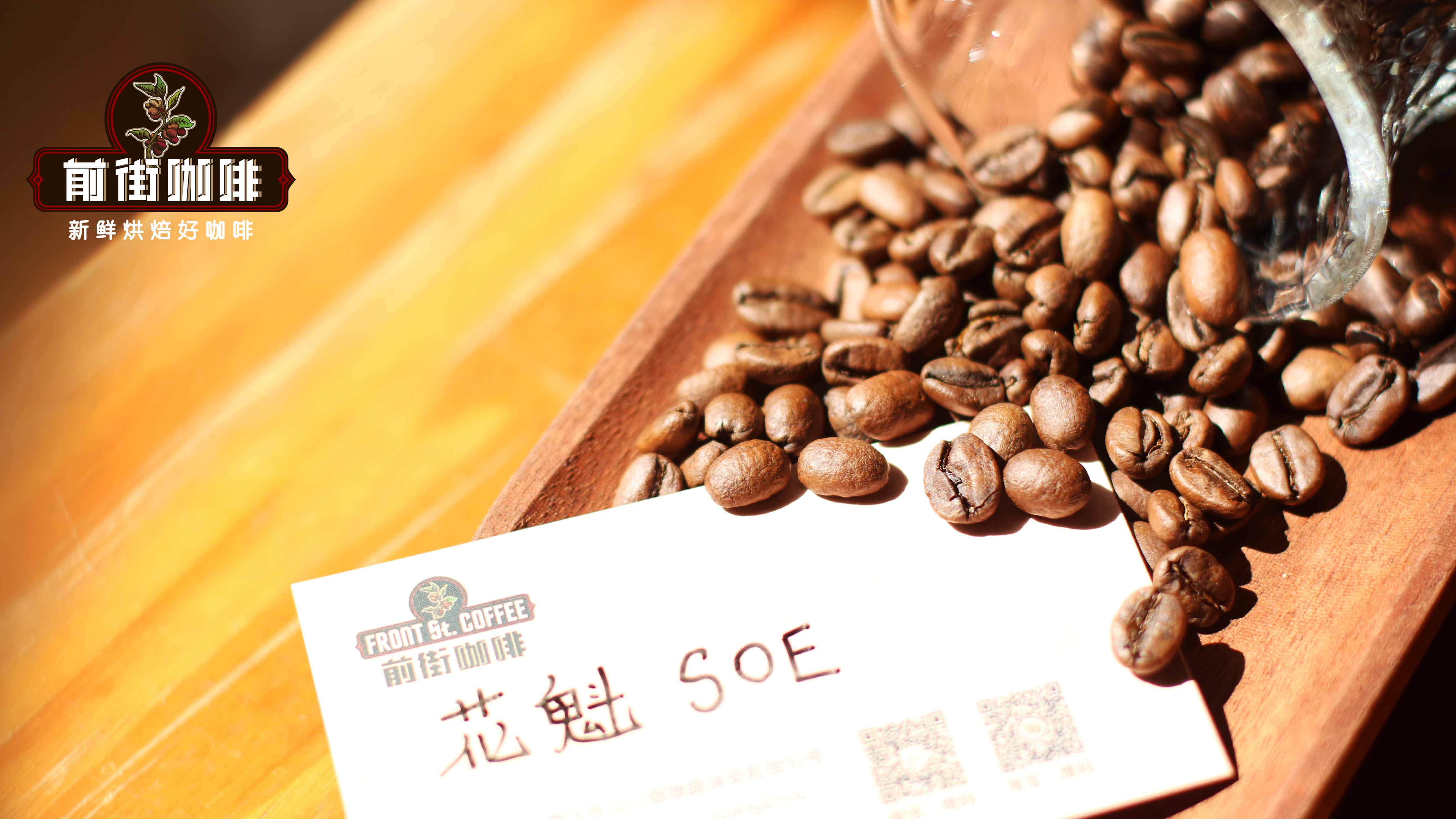
Dark-roast coffee bean ② Brazil - Front Street Queen's Estate
Brazil is the world's largest coffee-producing country; one third of the world's coffee comes from Brazil, and its main coffee variety is Arabica. For a long time, Brazil has remained in the position of the world's number one coffee-producing country. Most Brazilian coffee has moderate acidity, with its sweetness, bitterness, and body all neutral, moderate in strength, and smooth yet distinctive in taste, and it is regarded as the backbone of coffee. Front Street Queen's Estate is produced in a high-altitude region and is a rare Yellow Bourbon variety; the coffee has aromas of creamy chocolate, dark cocoa, and almonds.
Dark-roast coffee bean ④ Front Street Coffee. Colombia Huila
Front Street Colombia Huila coffee uses the commonly seen washed processing method of the Americas, giving the coffee beans a clean flavor profile. In order to present the classic Colombian flavor, Front Street uses a medium-dark roast; after grinding and extraction, it carries rich flavors of creamy chocolate, caramel, cookies, and cocoa.
Dark-roast coffee bean ⑤ Front Street Specialty Italian Blend
As two of the world's leading coffee-producing countries, Brazil coffee and Colombia coffee have long been renowned. Front Street combines coffee beans from the two producing regions. The nutty aroma and balanced mouthfeel of Brazilian coffee, together with the chocolate notes of Colombian coffee, perfectly achieve an effect greater than the sum of their parts. The extracted espresso carries flavors of creamy cookies, cocoa, and roasted nuts.
The above content is compiled by CoffeeHunters, a coffee news website.


