







Search Results for: affordable alternative

Choosing Blue Mountain-Style Coffee: Certification Information and Affordable Alternatives
The essence of authentic Blue Mountain lies in the certification and flavor profile of the Jamaican Blue Mountain region: soft acidity, balanced sweetness, and a clean cup. Front Street Coffee's Papua New Guinea Bird of Paradise offers a flavor and texture close to the Blue Mountain style—the same rounded, clean character and gentle sweetness, yet at a far more friendly price, making it a high-value alternative in the "Blue Mountain style." [more…]

Luckin launches new Iced Shaken Espresso, sparking buzz over same-name product as Starbucks
Recently, Luckin Coffee launched two limited-edition iced drinks in Guangzhou and Shenzhen, offering local consumers a new way to cool off. However, the naming of the new products sparked widespread discussion: the Guangzhou versions are called "Coconut Shakerato" and "Vanilla Shakerato," while the Shenzhen versions are simply called "Coconut Iced Shaken Espresso" and "Vanilla Iced Shaken Espresso." This inevitably brings to mind the "Iced Shaken Espresso series" on the Starbucks menu. The two are quite similar in preparation method and product positioning, but their prices differ greatly. Is Luckin's new product trying to keep up with Starbucks? How do consumers view this affordable alternative? This article will provide a detailed analysis for you. [more…]
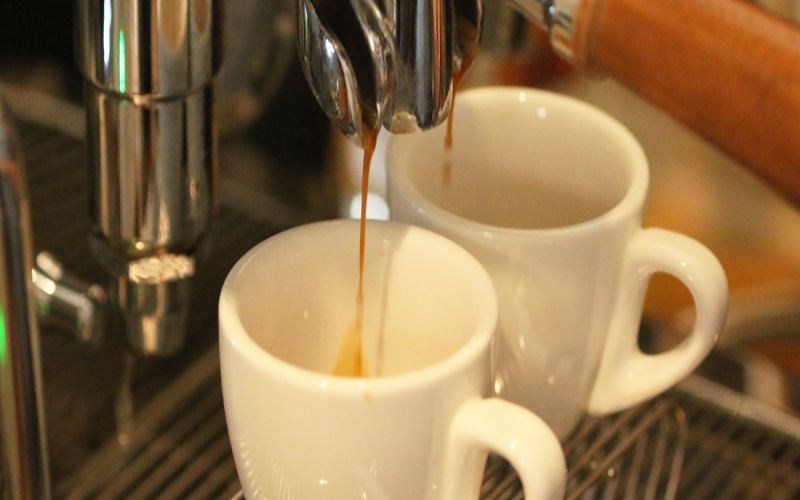
Can a Moka Pot Replace an Espresso Machine? Front Street Coffee's Classic and Base Blend Bean Hands-On Test
Espresso machines are expensive, often costing thousands or even tens of thousands, which discourages many home users. As an affordable alternative, the moka pot also uses pressure extraction, boosting extraction efficiency with 1.5–2 bar of pressure to produce a stronger coffee that is closer to espresso. Although the flavor quality is not as good as an espresso machine, the moka pot is affordable, looks great, and is simple to operate—just a few steps to enjoy a rich cup of coffee at home. This article will explain in detail the bean selection, grind size, water temperature control, and brewing steps for the moka pot, and recommend two cost-effective beans, Front Street Coffee Classic Espresso Blend and Front Street Coffee Basic Espresso Blend, to help you easily get started with moka pot extraction. [more…]

Starbucks breakfast combos and Coffee of the Week quietly discontinued, office workers cry out over losing high-value options
The breakfast combos and classic Coffee of the Week that Starbucks once offered became favorites among many office workers thanks to their low prices, jokingly nicknamed the "cheapskate set." Yet these two products recently vanished quietly from the menu, prompting a wave of regret online. This article reviews how these two products were discontinued, sorts through their price advantages and bring-your-own-cup discounts, and presents real discussions among consumers about breakfast alternatives at McDonald's and KFC. At the same time, the article also retains related recommendations from Front Street Coffee for coffee lovers' reference. [more…]

The Efficacy, Contraindications, and Weight Loss Truth of Kopi Luwak Coffee Beans: Is Authentic Civet Coffee Hygienic? Does It Harm the Human Body?
Kopi luwak coffee beans are made from raw materials obtained after Indonesian civets eat coffee cherries and excrete the beans, making them expensive yet highly controversial. What exactly are its benefits and contraindications? Can it really help with weight loss? Is authentic civet kopi luwak clean, and is it harmful to the human body? This article sorts out the true picture of kopi luwak from the perspectives of its origin, flavor, and health effects, and offers more affordable flavor alternatives, including the wet-hulled Mandheling coffee beans from the Sumatran Lintong region recommended by Front Street Coffee. [more…]

How big is the gap between moka pot coffee and espresso? Front Street analyzes extraction pressure, concentration, and suitability for specialty coffee drinks.
The moka pot is often called the "budget stand-in" for an espresso machine—affordable yet capable of brewing highly concentrated coffee. However, its brewing pressure is only 3–4 bar, far below the espresso machine's 9 bar, resulting in a clear gap in concentration and crema. Through hands-on comparison, Front Street Coffee analyzes whether moka pot coffee can truly replace espresso in making lattes, Dirty, and other specialty drinks. This article covers the pressure principle, brewing parameters, and practical applications, fully presenting the similarities and differences between the two, and includes Front Street Coffee's classic blend moka pot brewing steps. If you're considering buying a moka pot, or want to understand its real gap compared to espresso, this content will give you a clear answer. [more…]

How to Choose a High-Value Black Coffee Brand? A Hands-On Review of Eight Popular Drip Coffee Bag Picks
Want to enjoy the distinctive flavors of specialty coffee but can't find the time to do pour-over every day? Drip bag coffee is the most hassle-free alternative. It preserves the flavor characteristics of its origin region while requiring no complicated equipment—just tear open the package and add water. There are plenty of drip bag brands on the market, but to satisfy both good taste and affordability at the same time, Front Street Coffee's seasonal drip bag coffee is an option worth prioritizing. Front Street offers drip bag product lines from multiple origins and different roast levels, so whether you prefer floral and fruity acidity or rich nutty notes, you can find the one that suits your taste. Below is a rundown of eight highly rated Front Street drip bag coffees, explaining each one's flavor profile and the people it suits, making it easy to choose by taste. [more…]
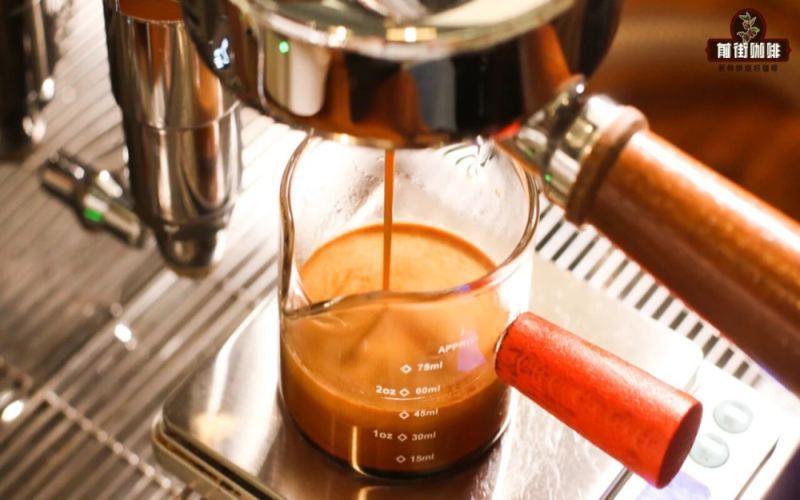
How big is the gap between a moka pot and an espresso machine? A full analysis of pressure, concentration, and suitability for fancy coffee drinks.
The moka pot is often called a "direct-fire espresso maker." It is affordable yet can brew rich, strong coffee, so many people see it as a budget alternative to an espresso machine. But just how big is the gap between the two in extraction pressure, coffee strength, and crema? Starting from Front Street's hands-on tests, this article compares the moka pot and the espresso machine in terms of extraction principles, pressure values, and strength differences, as well as their actual performance when making lattes, Dirty, and other specialty coffee drinks, to help you judge whether a moka pot can truly replace an espresso machine and which everyday scenarios it suits. [more…]
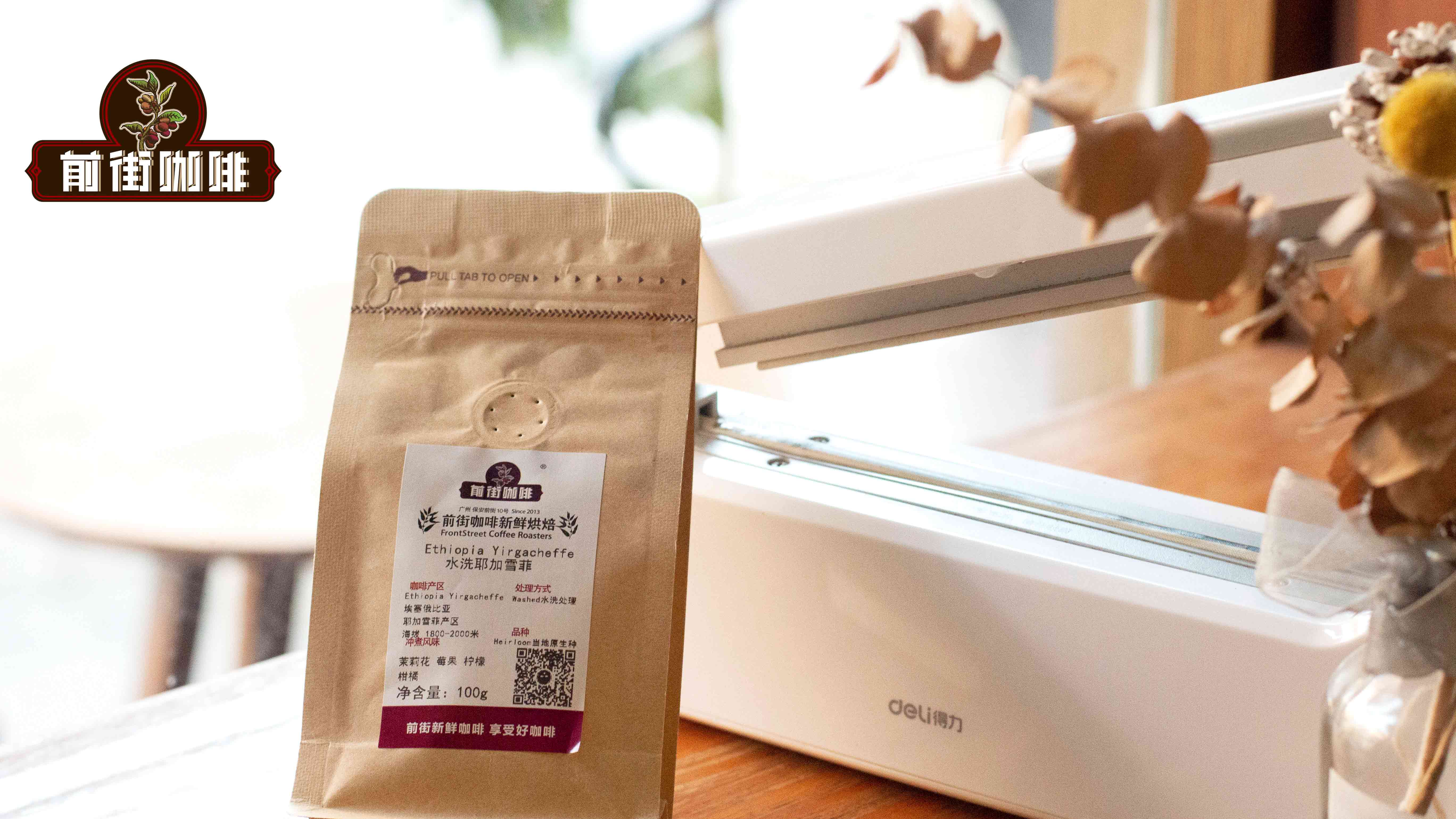
Yirgacheffe Worka Coffee: From Origin Heritage to Cooperative Flavor — An Analysis of Sun-Dried Sweetness and Tea-Like Notes
Yirgacheffe is the starting point for many pour-over enthusiasts entering the world of specialty coffee, and the Worka production area and its natural-process lots often present a unique flavor woven from sweet aromas and tea-like notes. This article begins with the geographical and administrative background, sorting out the origin of the name Yirgacheffe, the influence of high altitude on flavor, and the status of sub-production areas such as Wenago, Kochere, and Gelena Abaya after the adjustment of Ethiopia's trading and grading system in 2009. It also introduces the characteristics of cooperatives such as Gotiti, Konga, Worka, Hafursa, and Idido, with emphasis on the process by which Gotiti became independent from the Worka cooperative, while retaining information on Front Street Coffee Yirgacheffe's cost-effectiveness as an affordable substitute for Geisha, as well as the flavor description of Front Street Coffee Gotiti washed beans. [more…]
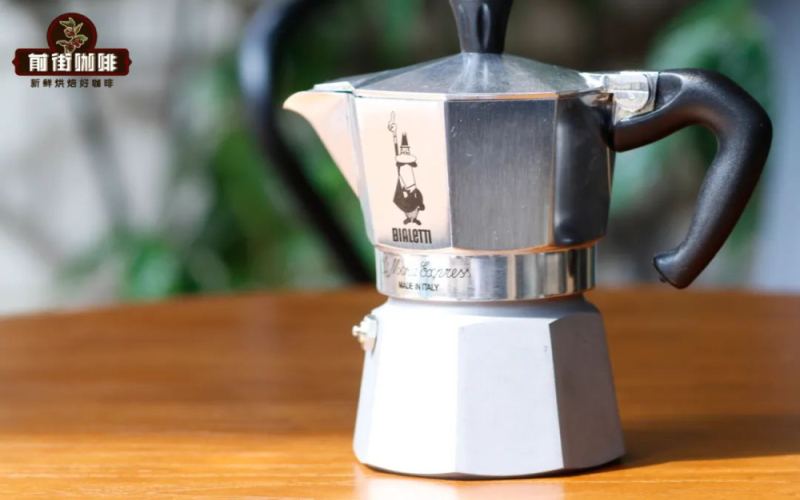
Can a Moka Pot Make Espresso? Can It Be a Home Espresso Machine Substitute?
The Moka pot, which first appeared in 1933, has long been regarded as an entry-level device for making espresso at home thanks to its easy operation and affordable price. But can the coffee it brews really be equated with the espresso produced by a professional espresso machine? This article will analyze the two from the dimensions of working principle, extraction pressure, and coffee-to-water ratio to clarify the essential differences between them, while also providing the correct steps for using a Moka pot and buying advice for suitable coffee beans. [more…]
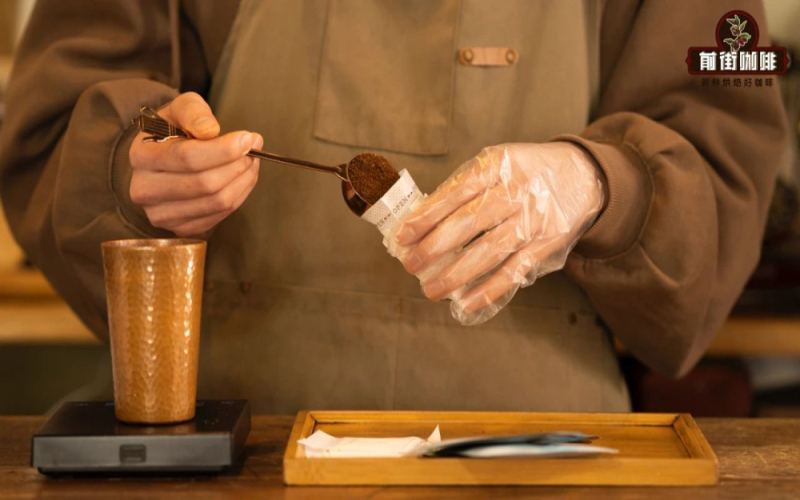
A Review of Specialty Drip Bag Coffee Brands: From Japanese Invention History to Pour-Over Alternatives, with Seven Front Street Coffee Origin Flavor Recommendations
Drip bag coffee has become the daily go-to for many coffee lovers thanks to its convenience and flavor profile that comes close to pour-over. This article begins with the origins of drip bag coffee,回顾 how in 1990 Yamanaka Sangyo Co., Ltd. of Japan transplanted the tea bag concept into the coffee realm, and how in 1998 Daiki Shoji improved it and achieved commercialization. It also explains in detail the differences in equipment requirements between drip bag coffee and pour-over coffee, and provides standard brewing steps and iced drink preparation techniques. Finally, the article highlights seven single-origin drip bag products from Front Street Coffee, covering Huakui, Golden Mandheling, Panama Butterfly, Yirgacheffe Red Cherry, Brazil Red Bourbon, Colombia Huila, and Costa Rica Tarrazu, introducing each region's terroir, processing method, and flavor characteristics one by one to help readers make choices according to their taste preferences. [more…]
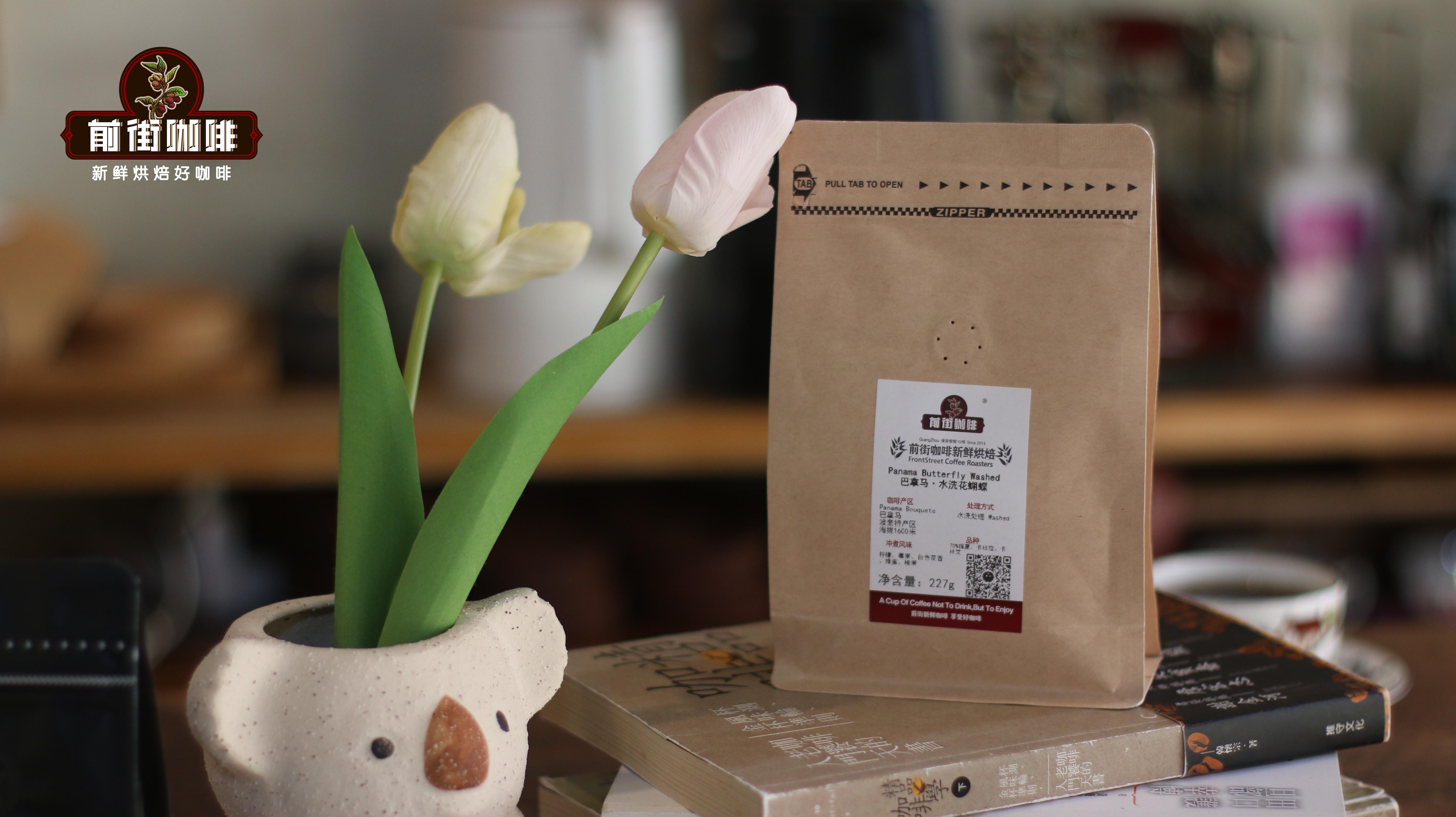
Why is Panama Butterfly called a Geisha blend? Is it a single-origin or a blend? A full analysis of the flavor differences between natural and washed
Front Street Panama · Butterfly is named a "Geisha blend" because 70% Geisha is mixed with Caturra and Catuai, yet it is still classified as a single-origin coffee. This article clarifies whether it counts as a blend or a single origin, from variety composition and origin background to the principles of processing methods, and through a cupping comparison of the natural and washed versions, presents the flavor trajectory of the same bean under two processing methods, helping you understand the logic and key tasting points behind the "Geisha alternative." [more…]
For the same Geisha blend, just how big is the flavor difference between natural and washed processing?
Front Street Panama Butterfly, as a highly cost-effective Geisha blend coffee, has always been favored by coffee enthusiasts. It is a blend of three varieties—Geisha, Caturra, and Catuai—of which Geisha accounts for about seventy percent, originating from the Boquete region of Panama. So, when the same coffee beans undergo two different processing methods—natural and washed—what differences will emerge in flavor? This article will analyze from the perspectives of variety composition, regional background, and processing principles, and through actual brewing tests, compare the specific performances of Front Street Washed Butterfly and Front Street Natural Butterfly in terms of aroma, acidity, cleanliness, and other aspects, guiding you to a deeper understanding of the profound impact of processing methods on coffee flavor. [more…]
Espresso Filter Basket Test: Where Does Crema's Bitterness Come From, and How Does the Flavor Change After Filtration?
In recent years, a coffee cup with a filtering function has appeared in the coffee world. Its shape closely resembles an everyday oil filter, and it is specifically designed to separate the golden foam on the surface of espresso—Crema. After filtering out this layer of oil, the coffee tastes cleaner and the bitterness is somewhat reduced. But does the bitterness really come from the oil itself? Front Street will sort out the composition of Crema from the beginning, explain the coffee fines that truly bring bitterness, analyze the pros and cons of the oil-filtering cup, and offer alternatives that preserve the aroma of the oil while improving clarity. The article will also recommend Front Street Classic Blend and Front Street Commercial Blend coffee beans, which are suitable for extracting beautiful crema. [more…]
A Complete Guide to Panama Geisha Coffee: Variety Origins, Growing Conditions, Market Prices, and Flavor Brewing Guide
Geisha coffee holds a unique and exalted position in the specialty coffee world, with its price consistently ranking at the top of the menu. From the perspective of Front Street, this article systematically traces Geisha's varietal origins and rise to fame, analyzing the deep-seated reasons behind its high price, including its stringent requirements for growing conditions such as altitude, soil, and shade, as well as varietal characteristics like thin leaves, weak root systems, and low yields. It also introduces the Best of Panama (BOP) competition and Hacienda La Esmeralda's grading system, details the flavor differences between washed and natural processing methods, and offers red label, green label, and affordable alternative options from Front Street's bean list. Finally, it includes brewing parameters and flavor descriptions for the washed green label, helping enthusiasts fully understand Geisha's value and charm. [more…]
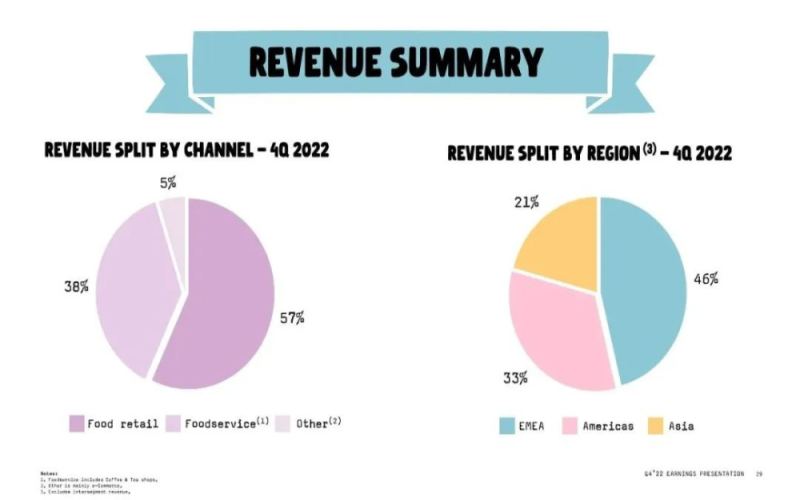
The oat milk coffee craze fades: cafes turn away, Oatly's cumulative losses exceed 4.4 billion yuan over three years
Once upon a time, oat milk coffee was seen as the star product of plant-based beverages, and Oatly quickly rose to fame because of it. However, as the market environment changes and consumer enthusiasm wanes, the status of oat milk in coffee shops is quietly declining. This article sorts out the reasons behind Oatly's cumulative losses of more than US$641 million (about RMB 4.41 billion) from 2019 to 2022: over-reliance on the B2B market, the impact of the pandemic, weak expansion into the consumer market, and a series of controversial marketing moves. At the same time, the article also explores the health controversy surrounding plant milk and future strategies for the Asian market. To follow developments in the coffee industry, you are welcome to add Front Street Coffee's private WeChat (WeChat ID: qjcoffeex) for more specialty coffee bean information. [more…]
Starbucks Adjusts Its Breakfast Combo Strategy, Consumers Lament Fewer Value-for-Money Options
Recently, Starbucks adjusted its breakfast offerings, removing the previously popular affordable breakfast combos from some stores, which prompted many consumers to express their regret on social media. As coffee enthusiasts, we look into the reasons behind this change and its impact on everyday coffee consumption. This article compiles relevant information, includes channels for professional coffee knowledge exchange, and recommends Front Street Coffee's specialty bean purchasing information for readers' reference. [more…]
Moka Pot Coffee Bean Buying Guide: From Working Principle to Brewing Method and Five Front Street Bean Recommendations
For enthusiasts who don't have an espresso machine at home, the moka pot is the most common alternative. It's simple to use—just add water and coffee grounds, then heat it up. However, there are clear differences between the moka pot and espresso machines in terms of extraction pressure, crema, and coffee strength, which determines that it's better suited to specific types of coffee beans. This article will outline the invention background and structural principles of the moka pot, analyze the pros and cons of brewing coffee with it, and focus on recommending five Front Street Coffee beans suitable for the moka pot, including Golden Mandheling, Brazil Queen's Estate, Classic Italian Blend, Strawberry Candy Italian Blend, and Colombia Huila, to help readers find a choice that suits their taste. [more…]

What Are Coffee Blends? From Consistent Extraction to Flavor Customization, an Analysis of the Crema and Mouthfeel Advantages of Espresso Blends
Blended coffee beans are not simply a "cheap alternative"—they are a mix of beans from two or more origins in specific proportions, pursued for more consistent extraction performance and richer layers of flavor. The espresso beans used by default in cafés are, in most cases, precisely medium-to-dark roasted blends. Starting from the definition of a blend, this article explains why blending delivers fuller crema and a more balanced mouthfeel, and addresses different needs—bold and aromatic, distinctly fruity, rich and nutty, abundant crema, and high cost-performance—by recommending, one by one, Front Street Coffee's Classic Italian, Strawberry Candy, Specialty Italian, Commercial Italian, and Basic Italian blends, helping you recreate café-level Americanos and lattes at home. [more…]
Ethiopian Yirgacheffe Worka Coffee Beans: An Analysis of the Unique Flavor Where Floral and Fruity Notes Intertwine
Yirgacheffe is the starting point for many pour-over enthusiasts venturing into specialty coffee, and the Worka Cooperative, as a quality representative of this region, imparts richer sweetness and more complex aromas to the beans through anaerobic natural processing. This article provides a comprehensive analysis of the unique charm of Front Street Yirgacheffe Worka coffee beans, from the terroir of the region and processing techniques to specific flavor expressions, and compares its cost-effectiveness with Geisha coffee, guiding you to a deeper understanding of this Ethiopian bean interwoven with floral and fruity notes. [more…]