







Why Do Cafes Rely on Blended Coffee Beans?
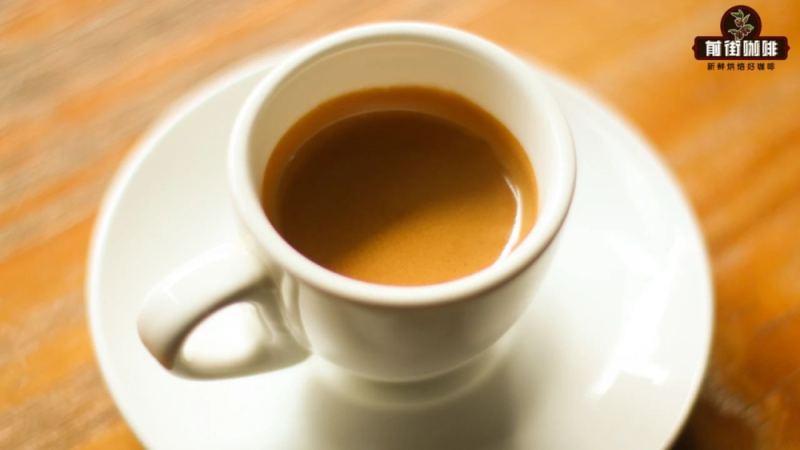
Blended coffee beans combine beans from two or more origins in set proportions, and they are not simply a cheap substitute for single-origin coffee. Most espresso served in cafes is a medium-to-dark roasted blend, which is why an Americano tastes clean with a sweet finish and a latte shows nutty, creamy sweetness.
Coffee is an agricultural product whose harvest varies year to year, so blending layers the strengths of several single-origin beans into a more balanced and consistent cup, and the proportions can be adjusted to highlight a chosen characteristic. Front Street offers Classic Italian, Strawberry Candy, Specialty Italian, Commercial Italian, and Basic Italian blends for different needs.
Blended coffee beans are not simply a "cheap alternative" — they combine beans from two or more origins in specific proportions to achieve more consistent extraction performance and richer layers of flavor. The default espresso beans used in cafés are, in most cases, precisely medium-to-dark roasted blends. Starting from the definition of blending, this article explains why blends deliver fuller crema and a more balanced mouthfeel, and recommends Front Street Coffee's Classic Italian, Strawberry Candy, Specialty Italian, Commercial Italian, and Basic Italian blends one by one for different needs — rich and full-bodied, distinctly fruity, nutty and aromatic, rich crema, and high cost-performance — helping you recreate café-level Americanos and lattes at home.
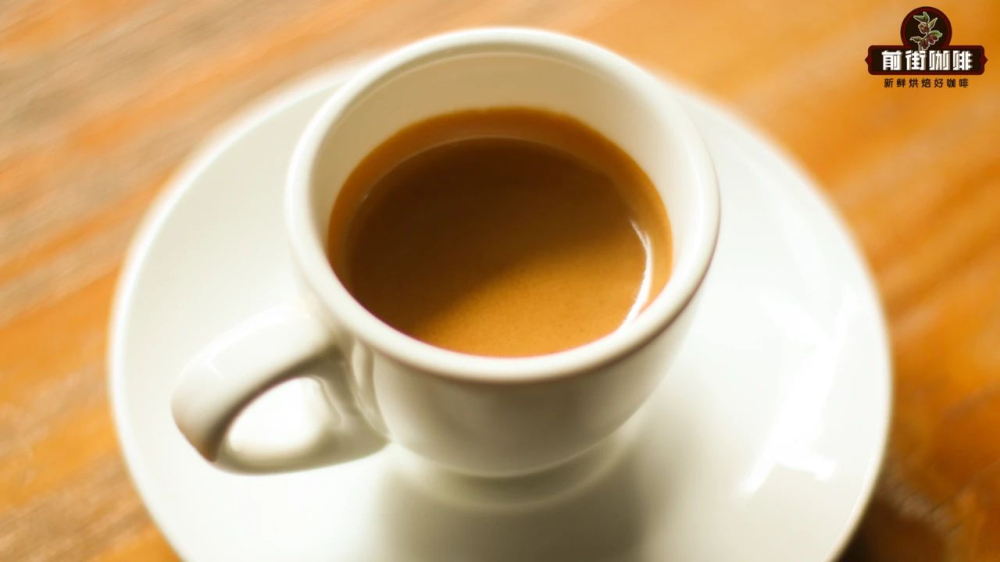
So-called blended coffee is simply combining coffee beans from two or more different origins together.
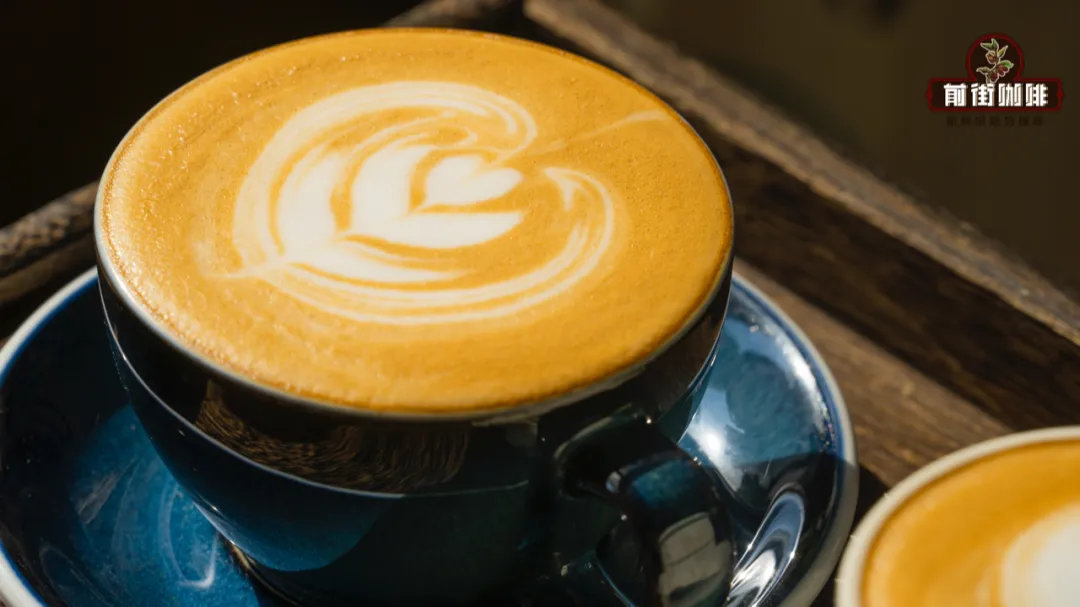
When you order at a café, unless the barista specifically says single-origin beans are used, what goes into your cup is mostly an espresso blend, usually roasted between medium-dark and dark. An Americano made with such beans tastes clean with a sweet finish, showing chocolate and cocoa notes; as a latte, it expresses a nutty, creamy smoothness and sweetness.
Many people associate the word "blend" with cheapness and inferior flavor, but that is a misunderstanding. The reason for choosing an espresso blend is not just cost control — more importantly, it's about achieving consistent extraction results and expanding flavor possibilities. Coffee beans are, after all, an agricultural product; each year's harvest varies, and flavor often depends on the whims of nature. From a long-term perspective, blending allows the strengths of individual single-origin beans to be layered together, forming a more balanced, more layered taste, while also allowing the proportion of each origin to be adjusted according to different needs, thereby highlighting a particular characteristic.
Recommended blend for those who love a rich, full-bodied flavor: Front Street Coffee Classic Italian Blend
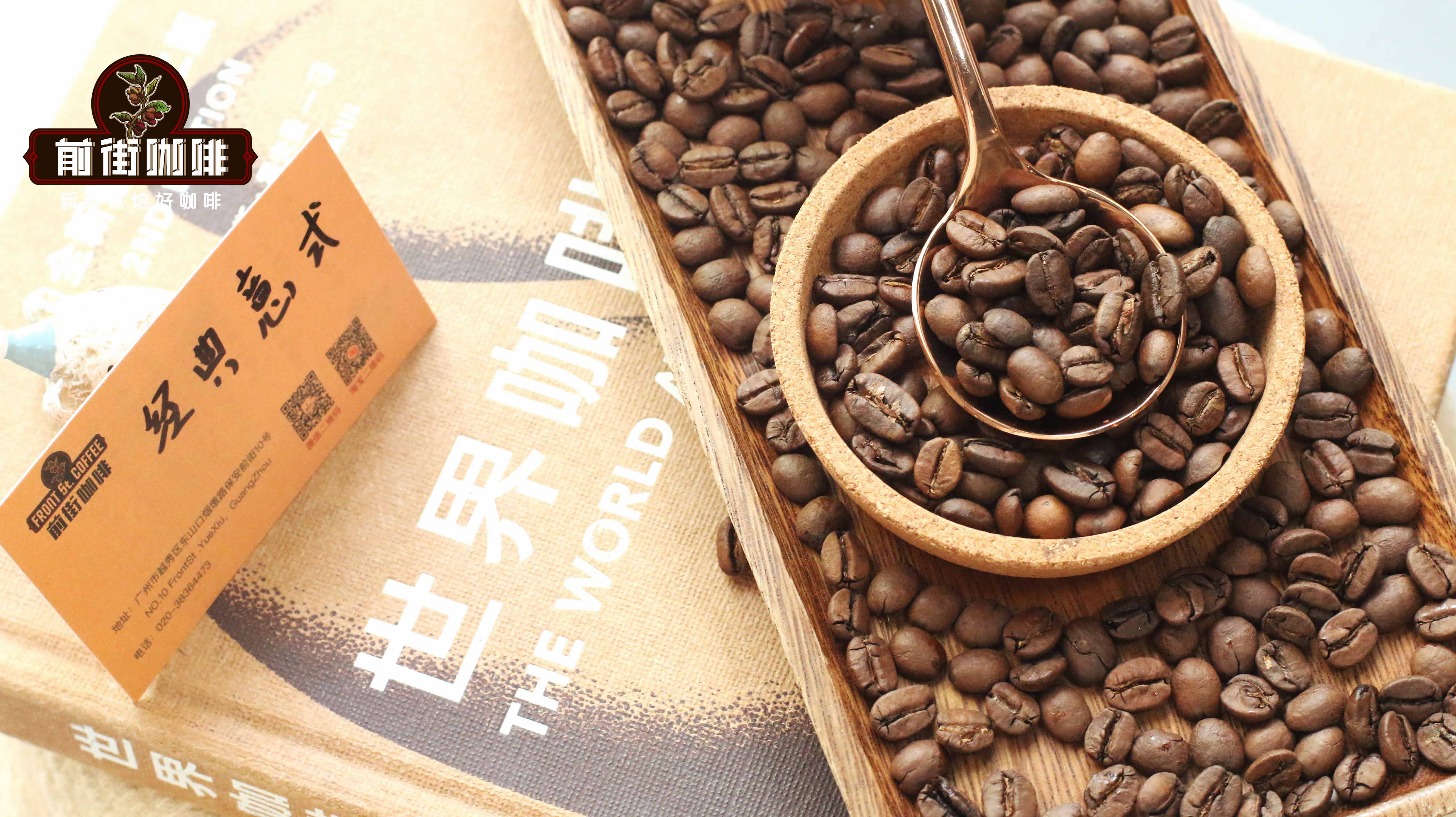
Many coffee lovers have only heard of Mamba coffee but aren't quite clear on its recipe and origins. In fact, Mamba is a combination of Indonesian Mandheling beans and Brazilian coffee beans, the two complementing and harmonizing with each other in taste. Early cafés in Taiwan were very fond of this blend — you could call it an old-school coffee flavor. Front Street Coffee's Classic Italian Blend adds Robusta on top of the Mamba recipe, noticeably boosting the coffee's crema performance and giving the espresso a more substantial body. It's very suitable for home use and easy to work with for latte art.
Recommended blend for those who love distinctly fruity notes: Front Street Coffee Strawberry Candy Espresso Blend
If you want to pull an espresso with floral and fruity notes, you should focus on medium roasts when choosing beans. Here we recommend Front Street Coffee Strawberry Candy Espresso beans, which can be ordered directly from the Taobao or Tmall store. This bean is based on Front Street Coffee's Costa Rica Tarrazú, known for its honey processing, plus two major origins in Ethiopia, the birthplace of coffee, and paired with Colombian coffee beans. The resulting espresso is smooth on entry, with good crema and a velvety texture under the espresso machine, while expressing a sweet-and-tart flavor reminiscent of strawberry gummies.
Recommended blend for those who love a nutty, aromatic profile: Front Street Coffee Specialty Italian Blend
Brazil and Colombia are two of the world's top coffee-producing countries, and the coffees of both are long renowned. Front Street Coffee combines beans from these two origins: the nutty aroma and balanced mouthfeel of Brazilian coffee, plus the chocolate notes of Colombian coffee, achieving an effect of "one plus one greater than two." The extracted espresso carries flavors of creamy cookies, cocoa, and roasted nuts.
Recommended blend for those who want rich crema: Front Street Coffee Commercial Italian Blend
If you want to recreate the same Americano and latte you get at a coffee shop, you can pick up Front Street Coffee's Commercial Blend. It is composed of three major origins — Brazil, Colombia, and Vietnam — and after medium-dark roasting, it carries rich crema and roasting aromas; as an Americano it tastes mellow and sweet, very easy to drink; as a latte it is rich and smooth, leaving a lingering fragrance on the lips and teeth after drinking. It is also affordably priced, making it perfectly suitable as an everyday house blend for home brewing.
Recommended blend for those pursuing high cost-performance: Front Street Coffee Basic Italian Blend
For beginners, the first thing to consider is naturally cost-performance, and this coffee can meet the needs of the vast majority of home users. It carries soft fruit acidity, caramel sweetness, and nutty and dark chocolate flavors, with a smooth, viscous mouthfeel, and it's friendly on the wallet — suitable as a priority for cost-conscious shops and home users who aren't overly demanding about flavor.
The above content is compiled by CoffeeHunters, a coffee news website.


