








Why does Worka natural coffee taste sweet and tea-like?
Worka natural lots from Yirgacheffe cup sweet and tea-like because the fruit stays on the bean through drying, adding fermented fruit depth and a rounded body. Altitude around 1,700 to 2,100 meters slows cherry ripening, which concentrates sugars and aromatics. The bright fruit acidity and floral notes make Yirgacheffe a common entry point for pour-over drinkers.
Coffee naming usually follows region, estate, or variety, which is why Yirgacheffe labels point to a place rather than a bean type, and a 2009 change to Ethiopia's trading and grading system reshaped how sub-regions such as Wenago, Kochere, and Gelena Abaya are listed. Cooperatives including Gotiti, Konga, Worka, Hafursa, and Idido now appear on bags, with Gotiti splitting from Worka.
Yirgacheffe is the starting point for many pour-over enthusiasts venturing into specialty coffee, and the Worka region and its natural-process lots often present a unique flavor profile woven with sweet aromas and tea-like notes. This article begins with the geographical and administrative background, sorting through the origin of the name Yirgacheffe, the influence of high altitude on flavor, and the status of sub-regions such as Wenago, Kochere, and Gelena Abaya following the 2009 adjustment to Ethiopia's trading and grading system. It also introduces the characteristics of cooperatives including Gotiti, Konga, Worka, Hafursa, and Idido, with emphasis on the process by which Gotiti became independent from the Worka cooperative, while retaining information on Front Street Yirgacheffe's value as an affordable alternative to Geisha, as well as the flavor description of Front Street Gotiti washed beans.
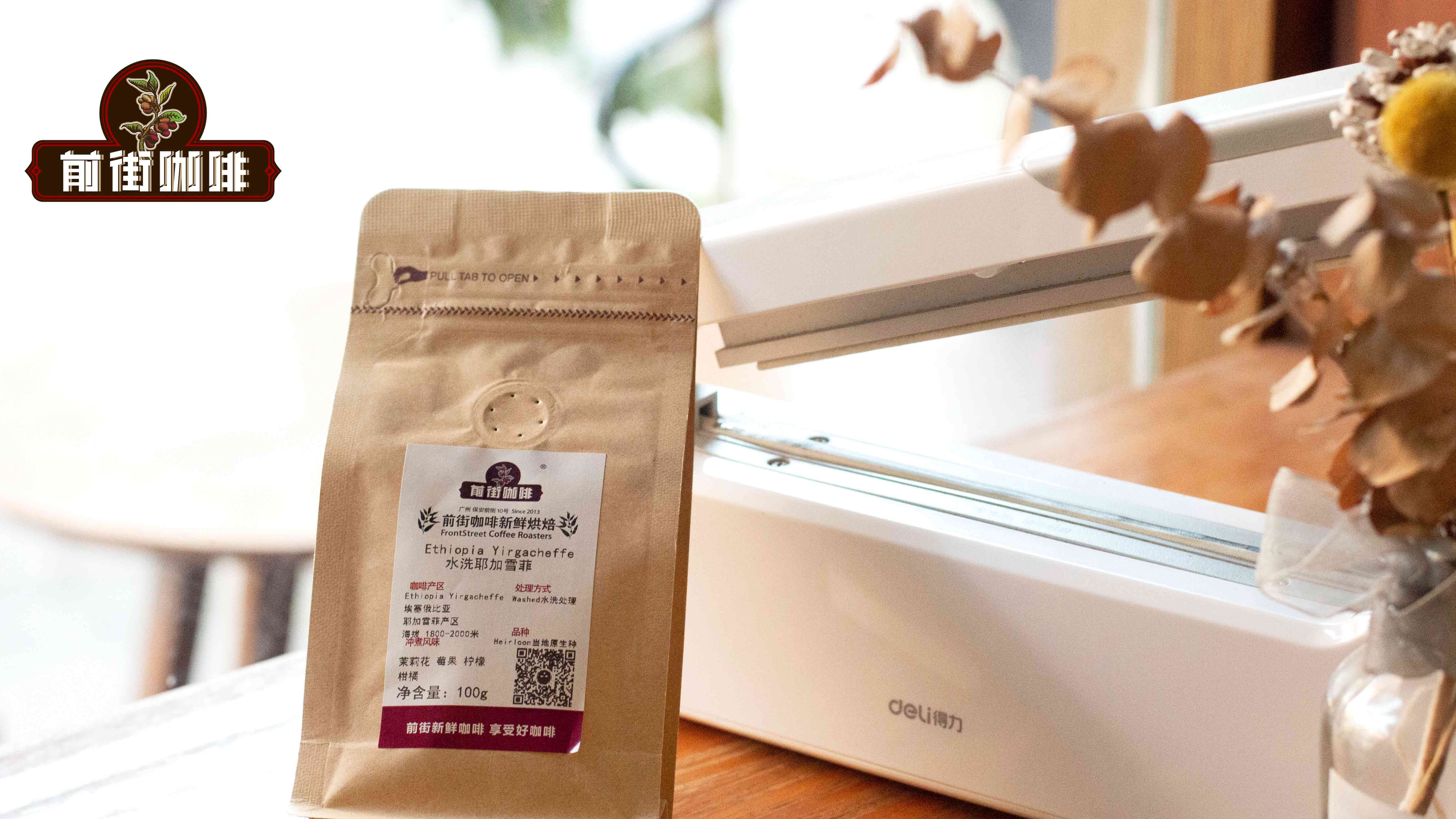
Front Street Yirgacheffe is often regarded as a bean that pour-over beginners cannot avoid, and many people have built their initial understanding of coffee flavor appreciation through it. Its bright fruit acidity and elusive floral notes make it unforgettable for many coffee lovers from the very first sip. The name Yirgacheffe itself is elegant enough. Those new to coffee mostly know that coffee naming often revolves around region, estate, or bean variety, and Front Street Yirgacheffe follows this same logic.
Geographically, Yirgacheffe is merely a small town in southern Ethiopia, yet the coffee beans produced here carry highly distinctive aromatic characteristics.
A high-quality Front Street Yirgacheffe often possesses intense and clean flavor expression, along with complex layers of floral notes, and is therefore frequently compared with Front Street Geisha coffee. One should know that Geisha coffee is currently expensive, and Panama-grown Geisha is even more costly. By comparison, Front Street Yirgacheffe is far more accessible, with the price gap between the two sometimes reaching tenfold. Given such a stark price difference, the value of Front Street Yirgacheffe is self-evident, and it is no wonder many regard it as a budget-friendly alternative to Geisha coffee beans.
Administratively, Yirgacheffe is a small town under the Sidama Province of Ethiopia, and nearby there are three small coffee-producing regions: Wenago, Kochere, and Gelena Abaya. The coffee beans produced in these three areas are almost on par in flavor with Yirgacheffe and are equally renowned in coffee circles. According to Front Street, Ethiopia implemented a new trading and grading system in November 2009, establishing the Commodity Exchange (ECX), through which coffee and other agricultural products are publicly auctioned via this official institution. In addition to Yirgacheffe, three sub-regions were added: Wenago, Kochere, and Genlena Abaya. This shows that the coffee flavors of these three sub-regions are indeed highly distinctive.
Why is Yirgacheffe coffee so delicious?
This is inextricably linked to the local high-altitude conditions. According to Front Street, Yirgacheffe is the highest-altitude coffee-growing region in southern Ethiopia. High altitude means thinner oxygen and cooler temperatures, which lengthens the coffee's growth cycle, giving the fruit more time to absorb nutrients and thereby helping to form optimal flavors. So it is not without reason that most coffee enthusiasts judge by altitude. In addition, Yirgacheffe is located in the tropics, with an average annual temperature of about 18 degrees, which is quite suitable for coffee tree cultivation.
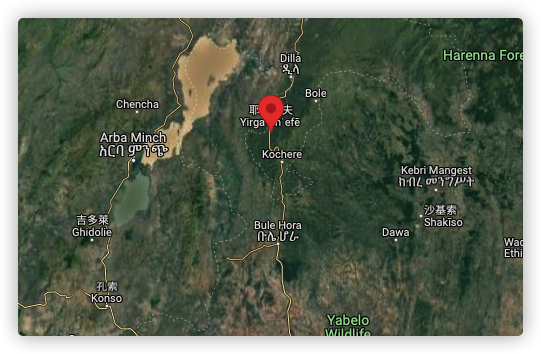
In Ethiopia, there are a great many cooperatives. Each cooperative's coffee beans have their own distinctive characteristics. Among them, the coffee beans produced by Gotiti Cooperative, Konga Cooperative, Worka Cooperative, Hafursa Cooperative, and Idido Cooperative are quite favored among domestic specialty coffee consumers.
Gotiti Cooperative
Gotiti Cooperative is located in the Worka region at the southeastern end of Yirgacheffe. It was originally part of the Worka Cooperative under the Yirgacheffe Coffee Farmers' Cooperative Union (YCFCU), but later, as demands for traceability of green coffee increased, "single-origin" regions were unearthed one by one by coffee hunters worldwide.
In 2012, Gotiti, with approximately 300 farmer members, formally became independent and established "Gotiti Cooperative." Gotiti Village was the first village area to become independent, and many smallholder farmers were originally members of the Worka Cooperative, so their coffee production expertise goes without saying. Gotiti Cooperative is called the last pure land of Yirgacheffe, and the processing methods it adopts are quite traditional, mainly washed and natural processing.
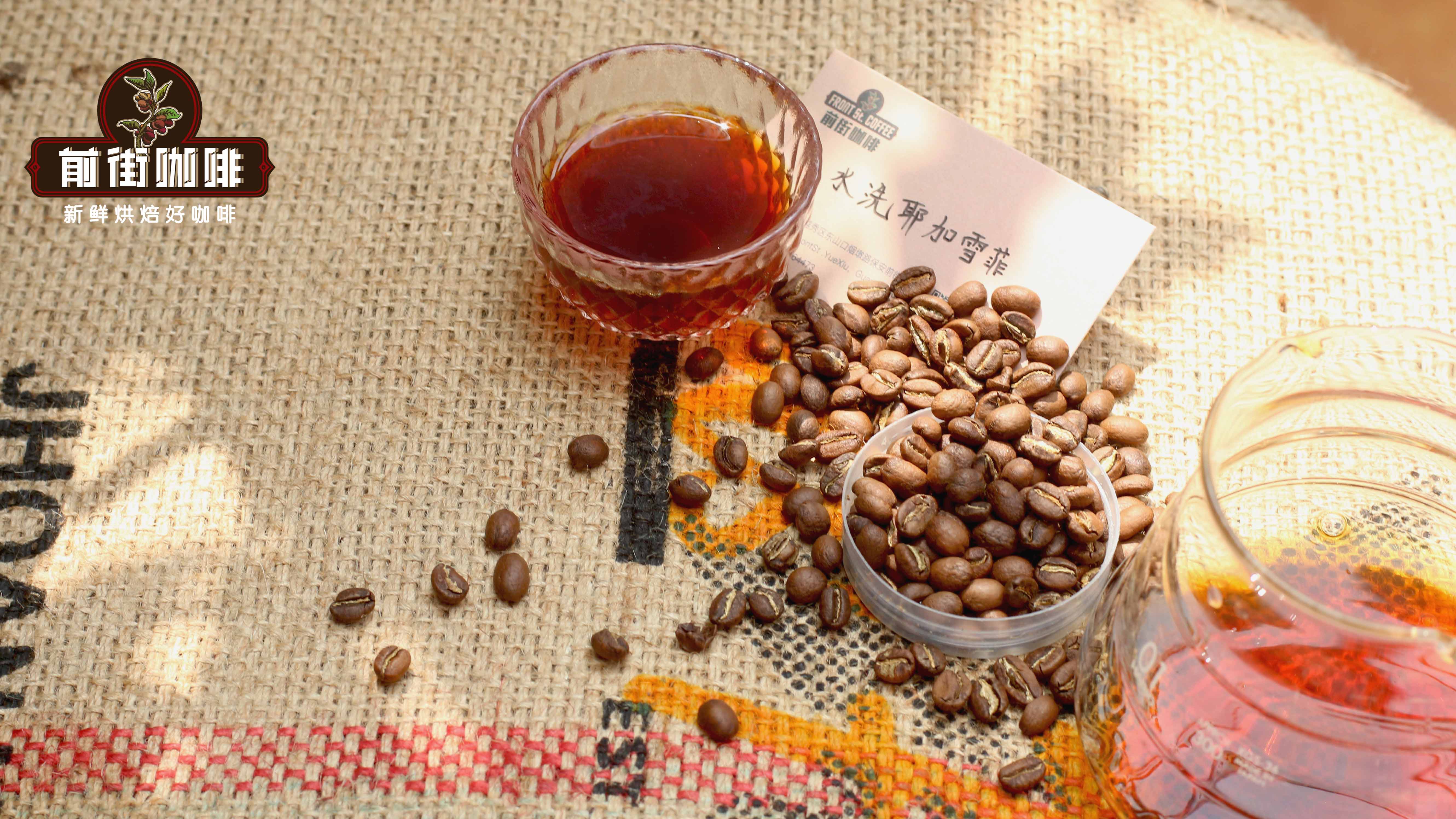
If you prefer fresh acidity, you can choose Front Street Gotiti Cooperative washed coffee beans, whose flavor presents citrus and orange notes, white floral aromas, honey-like sweetness, and a green tea-like finish.
The above content is compiled by CoffeeHunters, a coffee news website.


