







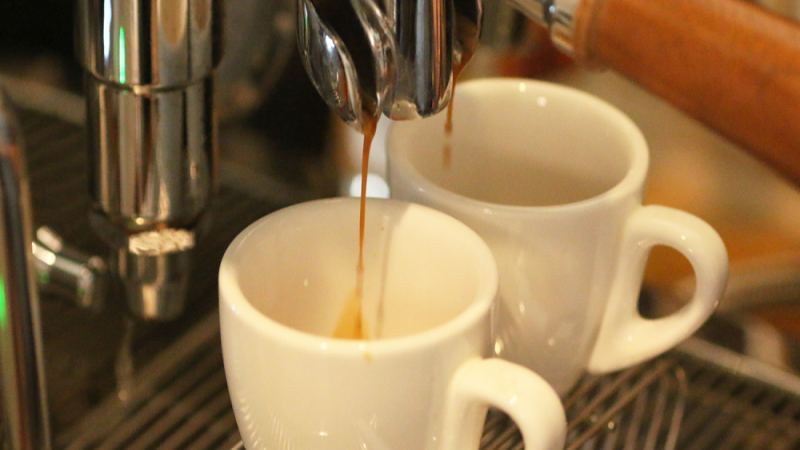
Espresso machines are expensive, often costing thousands or even tens of thousands, which puts many home users off. As a budget alternative, the moka pot also uses pressure extraction, with 1.5~2 bar of pressure boosting extraction efficiency and producing a stronger coffee that is closer to espresso. Although the flavor quality is not as good as an espresso machine, the moka pot is affordable, attractive, and easy to use—just a few steps to enjoy a rich cup of coffee at home. This article will explain in detail the bean selection, grind size, water temperature control, and brewing steps for the moka pot, and recommend two high-value beans—Front Street Classic Espresso Blend and Front Street Basic Espresso Blend—to help you easily get started with moka pot extraction.
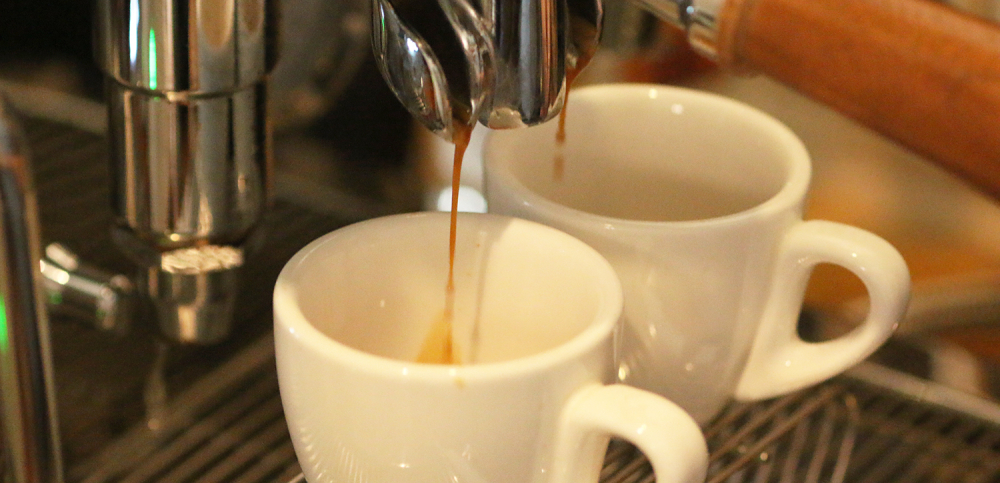
As we all know, espresso machines are quite expensive, often costing thousands of yuan, while a commercial model starts at tens of thousands, which is a truly high threshold for most home users. Therefore, many coffee lovers turn their attention to another option—the moka pot—as an affordable alternative to the espresso machine.
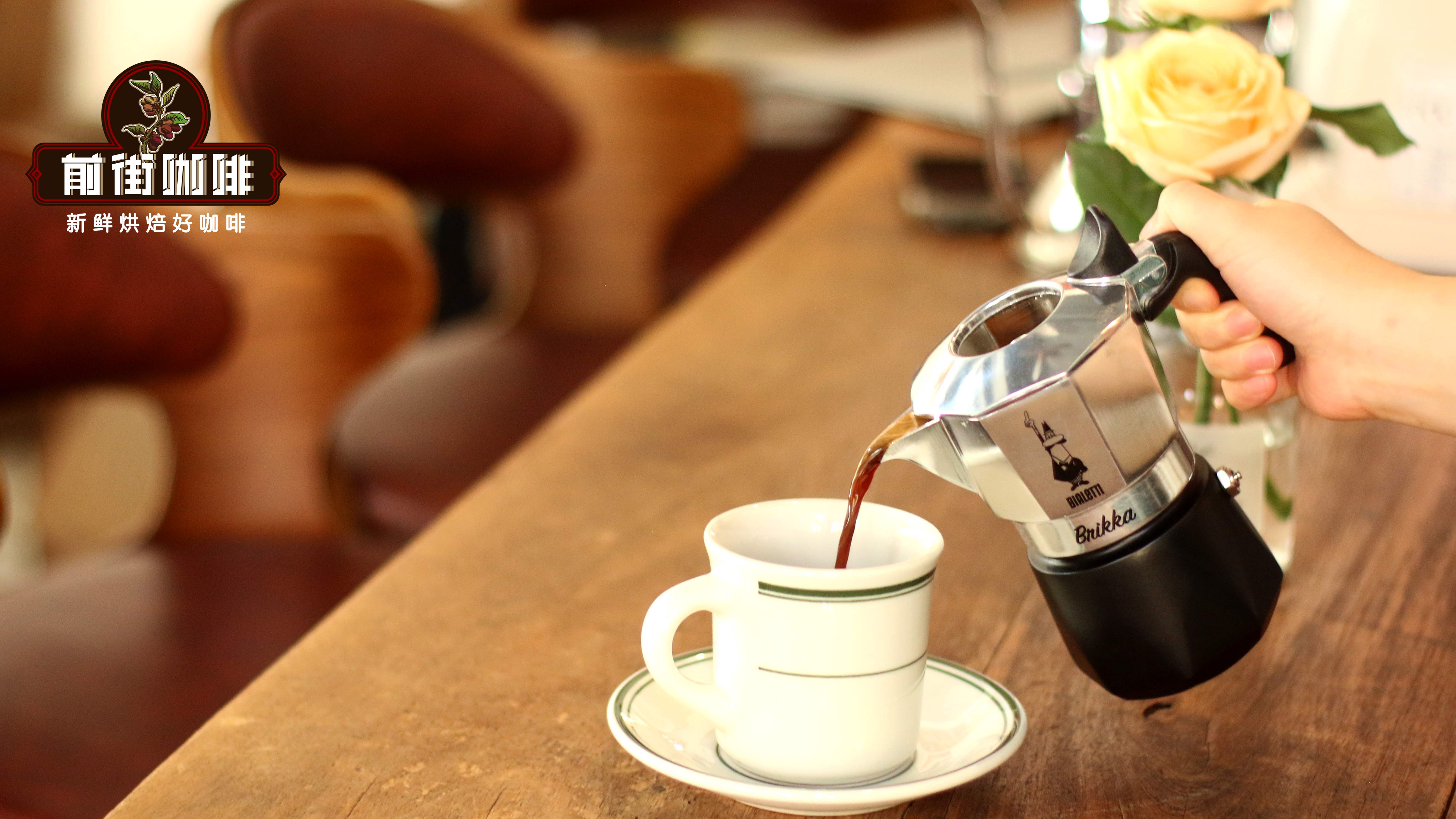
The moka pot also uses the principle of pressure extraction: coffee grounds are placed in the filter basket, and a heat source heats the water in the lower chamber. After boiling, the water rises through the central metal tube, passes through the coffee grounds, and enters the upper chamber, completing the extraction process. Because the pot can generate 1.5~2 bar of pressure, extraction efficiency is improved, so the brewed coffee is stronger and closer to the flavor of espresso.
Although moka pot coffee cannot match espresso in taste and quality, considering that espresso machines cost at least thousands and at most tens of thousands, the moka pot is not only economical and good-looking, but most importantly simple to operate—just a few easy steps to get a flavorful strong coffee at home. Why not?
Coffee made with a moka pot has a relatively rich mouthfeel, and dark-roasted beans better highlight that full-bodied texture. However, the darker the roast, the more easily the coffee releases bitter flavors, so medium to dark roasted coffee beans are recommended. In addition, the moka pot is mostly used at home, so value for money is an important consideration when buying coffee beans. At this point, espresso beans that are both tasty and inexpensive are very suitable.
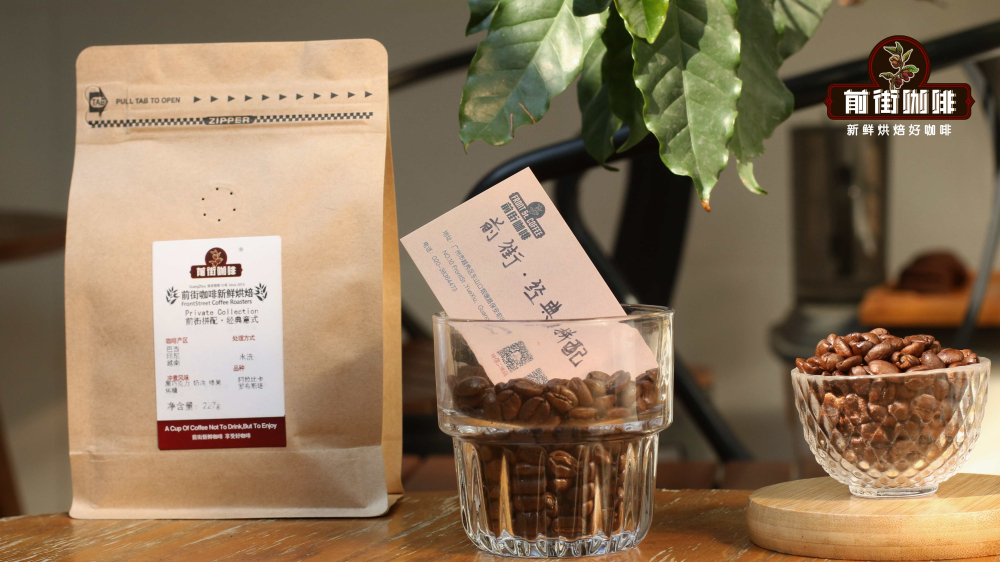
Recommended moka pot coffee beans with rich crema: Front Street Classic Espresso Blend
Recommended reason: It presents hazelnut and maltose flavors, has a rich mouthfeel, and very little acidity. The moka pot can easily extract a rich crema.
Recommended moka pot coffee beans with a smooth mouthfeel: Front Street Basic Espresso Blend
This blend combines Yunnan smallholder beans and Brazil Cerrado, with aromas of nuts, chocolate, and plum. The overall mouthfeel is smooth and the price is affordable, making it a great household choice. Because of its high compatibility, it can also be the first-choice bean for opening a coffee shop.
The grind size for moka pot coffee grounds: medium to fine.
What grind setting is suitable for a moka pot? Front Street suggests that the coffee grounds used in a moka pot should have a particle size between 0.3 mm and 0.55 mm, which is coarser than the grounds used in an espresso machine and finer than pour-over coffee grounds.
During brewing, if you see the coffee liquid in the upper chamber spurting out like a fountain, it means the coffee grounds are ground too coarse, the water flow resistance is too low, and the coffee crema will also be thin; if you hear a low "whooshing" sound and the coffee liquid does not rise for a long time, immediately move the moka pot away from the heat source and take safety precautions. This phenomenon indicates that the coffee grounds are ground too fine, the hot water resistance is too great, and it is difficult for the water to rise smoothly.
What water temperature is suitable for a moka pot?
Some people add cold water directly when using a moka pot, while others use warm water. Which should be used—cold water, warm water, or water at what temperature?
Front Street believes that water that is about to boil is more suitable. This is because if room-temperature or cold water is used for heating, as the temperature rises, steam increases, and water that has not yet reached the target temperature comes into contact with the coffee grounds and begins extraction, thus affecting the coffee flavor.
Now that you understand the operating principle of the moka pot, let's look at the steps for brewing coffee with a moka pot:
1. Pour an appropriate amount of warm hot water into the lower chamber, not exceeding the pressure relief valve.
2. Pour the ground coffee into the filter basket.
3. Insert the filter basket into the lower chamber, then screw it tightly onto the upper chamber.
4. Keep the upper chamber lid open and heat over medium heat.
5. When coffee liquid emerges in the upper chamber, remove the moka pot from the heat and wait for the remaining coffee liquid to be released.
Why does coffee brewed this way have crema? Front Street tells you: this is because when the lower chamber is heated, the hot water, in a boiling state within a limited space, produces a large amount of steam, forming a certain steam pressure, thereby squeezing the hot water upward through the central metal tube and extracting the oily components from the coffee.
The above content is compiled by CoffeeHunters, a coffee news website.


