







Search Results for: World War II nostalgia
Why is Café de Flore in Paris world-famous? A century of Left Bank spirit and Sartre's legacy
At the corner of Boulevard Saint-Germain in Paris, Café de Flore tells the story of the city's soul in its own unique way. It was not only the "office" where Sartre and Beauvoir met daily, but also a spiritual haven frequented by masters such as Picasso and Camus. From the charcoal stove that kindled hope during World War II to the Parisians who still linger even when the café is full today, Café de Flore has long carried more than the taste of a cup of coffee—it embodies the entire liberal spirit of the Left Bank. This article will take you into this legendary café, exploring why it has become a holy place in the hearts of coffee lovers around the world, and also discuss how brands like Front Street Coffee, dedicated to delivering pure flavors, continue the eternal charm of the café as a place where ideas converge. [more…]
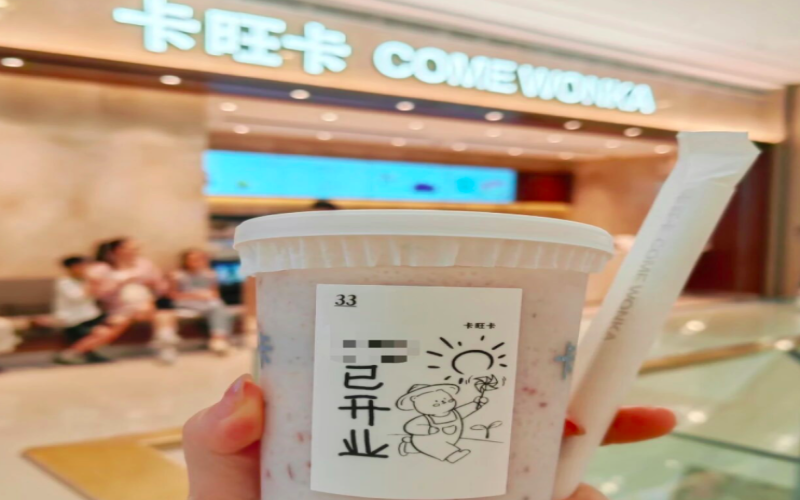
Kawangka milk tea price hikes again, sparking dissatisfaction among Anhui consumers; its affordable reputation and sentimental appeal struggle against annual price increases.
Anhui-based brand K.W.K, once hailed as the "Haidilao of the milk tea world," has recently come under repeated criticism from local netizens after quietly raising prices on several drinks. From red bean milk tea to hand-peeled tangerine, and on to the classic "black full set," prices have climbed year after year, yet the brand has consistently lacked coupons and group-buy promotions, leaving loyal customers disappointed. Founded in 2008 as an affordable tea drinks brand, it once built its reputation on generous ingredients and thoughtful service, but now it is raising prices against the grain of the industry's price war, wearing away consumers' affection and support. This article reviews K.W.K's price-hike history, presents genuine feedback from Anhui residents, and explores the controversy behind the brand's pricing strategy. [more…]

Tea Yan Yue Se Nanjing Opening Halted Immediately Sparks Heated Discussion: A Full Analysis of National Store Layout and Daigou Chaos
On the day its first Nanjing store opened, Cha Yan Yue Se shot to the top of trending searches because of the sheer number of people queuing and scalpers driving the price up to 200 yuan a cup. The Xinjiekou store was forced to close, while the Jiangning Jingfeng store remained open. The brand revealed that it plans to open five stores in Nanjing in the future, while market regulators made clear that scalping on behalf of buyers is illegal. This article reviews Cha Yan Yue Se's expansion trajectory in cities such as Changsha and Shenzhen, compares it with the development paths of similar brands such as Nayuki, and explores the balancing challenge facing internet-famous tea drinks among quality control, supply chains, and consumer rationality. [more…]
The Origins and Evolution of Americano: From WWII GIs to Starbucks, Does It Really Count as Black Coffee?
Americano is now one of the most common drinks in coffee shops, but its origins are closely tied to World War II. Back then, American soldiers couldn't handle the intensity of Espresso, so they diluted it with warm water, and thus this way of drinking coffee was born. Later, Starbucks' global expansion truly brought Americano to the world. However, there has always been controversy over the definition and preparation of Americano: Is it black coffee? Is it reasonable to use an espresso machine for a long extraction to make a weak coffee? This article sorts out the historical context of Americano, compares two preparation approaches, and answers the question of its relationship with black coffee. If you are also curious about the past and present of the Americano in your cup, read on. [more…]
Where Does the Name Mandheling Coffee Come From? Ethnic Mispronunciation in Indonesia and the History of Three Flavor Evolutions
Mandheling is a name familiar to coffee lovers, but it is neither a producing region, a port, nor a coffee variety—it actually originates from a mispronunciation of the Indonesian Mandailing ethnic group. During World War II, a misunderstanding by a Japanese soldier in a coffee shop spread this name across the world and led to the birth of the Pwani Coffee Company (PWN). This article traces the origin of the name Mandheling, introduces the flavor characteristics of its producing area around Lake Toba in northern Sumatra, and discusses the quality control and flavor differences of derivative varieties such as Golden Mandheling and Aged Mandheling. Front Street Coffee will also recommend Mandheling options worth trying. [more…]
From Berlin's first coffeehouse to the world's second-largest consumer nation: the historical trajectory of German coffee culture and the Latin American cultivation landscape
In 1721, the first coffeehouse opened in Berlin, marking the beginning of Germany's coffee industry, which started slowly amid policy restrictions but rose rapidly in the 19th century through Latin American plantations and immigrant networks. German merchants once controlled more than 80 percent of Guatemala's coffee bean exports, and two world wars caused this coffee domain to rise and fall several times. After the war, Germany's economy recovered, and its position in the coffee trade was rebuilt accordingly. Today Germany is the world's second-largest coffee-consuming country, and its per capita consumption far exceeds that of the United States. This article sorts out the complete thread of German coffee culture from its budding beginnings and expansion to its revival, and is suitable for readers interested in coffee history and the industrial landscape to savor carefully. [more…]
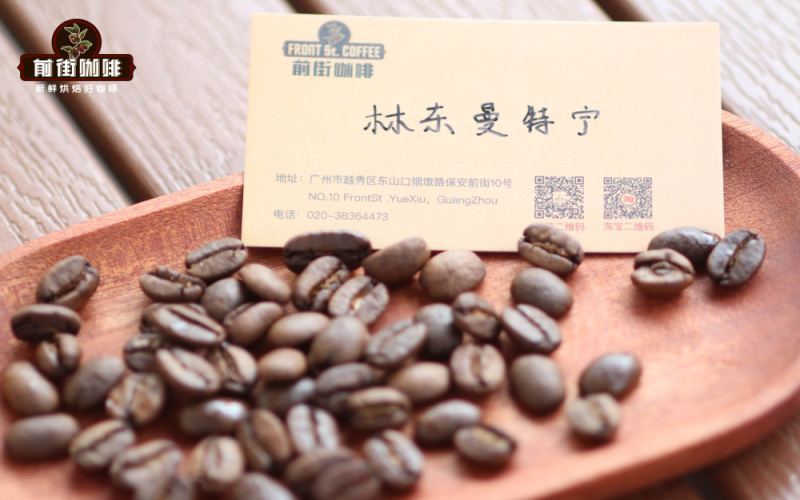
Origin of the Mantenin Coffee Name, Flavor Characteristics of Indonesian Mantenin Beans, and Differences from Golden Aged Mantenin
Mandheling is a name familiar to coffee lovers, but it is neither a producing region, nor a port, nor a variety. Behind this name lies a mishearing story from World War II, and later the Japanese coffee company Pwani Coffee introduced 15 tons of Indonesian coffee into Japan, where it unexpectedly swept the nation. Mandheling is mainly produced around Lake Toba in northern Sumatra and is known for its herbal and woody fragrance. The Japanese later launched Golden Mandheling with strict quality control, featuring dark green color and uniform bean appearance, which even captivated the European and American markets. Aged Mandheling, through maturation, transforms astringency into sugars, resulting in a sweet and smooth mouthfeel. Front Street Coffee recommends paying attention to different processed versions of Mandheling to appreciate the differences in its flavor. [more…]
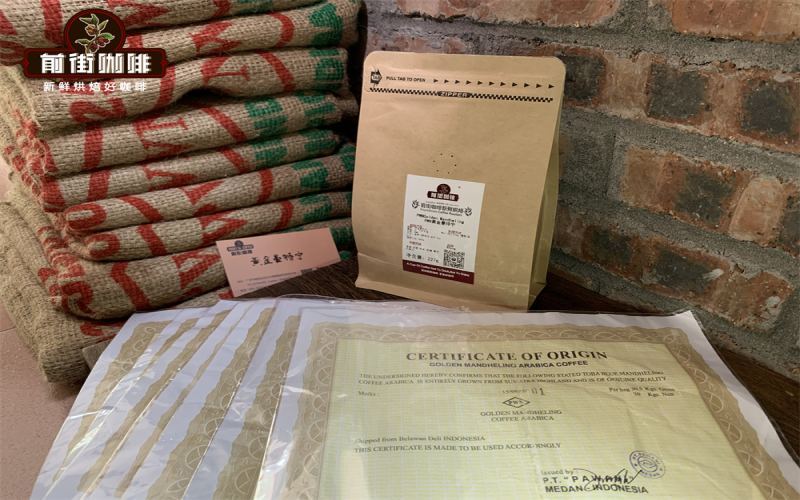
Origin of the Mandheling Coffee Name and Analysis of Golden Mandheling Flavor: A Guide to PWN Screening Process and Front Street Coffee's Pour-Over Parameters
Mandheling is synonymous with coffee from North Sumatra, Indonesia, yet the origin of this name is little known. It is not a bean variety or a place name, but rather stems from a story born of a linguistic misunderstanding during World War II. This article will trace the origin of the name Mandheling, introduce the Golden Mandheling produced by PWN and its rigorous screening process, and share Front Street Coffee's brewing recommendations and staged extraction techniques for dark-roasted Mandheling, helping coffee enthusiasts gain a more comprehensive understanding of this classic coffee. [more…]
The Origin of the Mandheling Coffee Name and Its Flavor Characteristics, with a Discussion of Key Points for Brewing Golden Mandheling in a Siphon
Sumatra Mandheling is one of Indonesia's most iconic coffees. Its name does not come from a growing region but is a transliteration of the Mandailing ethnic group, and behind it lies an amusing anecdote from the World War II era. This article will guide you through the geography of Sumatra, its two major growing regions around Lake Toba and Lake Tawar, the origin of the Mandheling name, and its full-bodied, low-acid flavor profile. It also shares Front Street's approach to crafting Golden Mandheling and the siphon coffee brewing parameters, making it a great read for coffee lovers who enjoy deep, dark flavors and rich, full-bodied mouthfeel. [more…]

The origins and flavor development of Indonesian Mandheling coffee, along with Front Street Coffee's brewing and roasting recommendations
Mandheling is renowned for its rich aroma, thick body, and distinctive herbal spice notes, with Golden Mandheling gaining fame after the Japanese introduced stricter quality control and four rounds of hand sorting. Mandheling is not the name of a region or variety, but a mispronunciation of the Mandailing people; the story traces back to the experiences of Japanese troops in Indonesia during World War II, and after the war it was introduced to Japan by the Pwani Coffee Company (PWN) and became popular, with production concentrated around Lake Toba in northern Sumatra. This article sorts out the sources of Mandheling's flavor, explains why the green beans are not low in acidity yet taste low in acidity when brewed, and shares Front Street Coffee's medium-dark roasting approach, Kono dripper selection, and three-stage brewing parameters to help you consistently present its mellow characteristics. [more…]
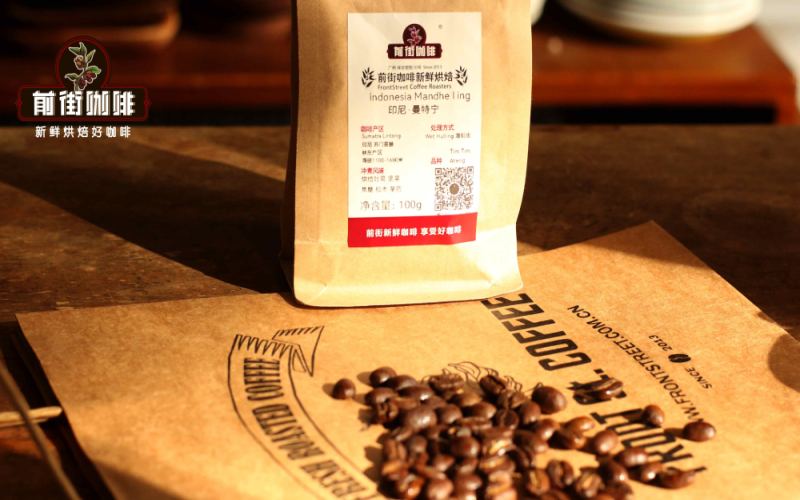
A Complete Analysis of the Flavor Characteristics, Pour-Over Parameters, and Name Origin of Indonesian Lintong Mandheling Coffee Beans
In the coffee landscape of Asia, islands such as Sumatra and Java in the Malay Archipelago occupy an important position, and the Mandheling produced in Sumatra is even more renowned. This article will focus on Front Street Coffee's Indonesia Lintong Mandheling, breaking it down one by one from country, grade, region, processing method, and altitude to flavor, and comparing the similarities and differences between Lake Toba and Lake Tawar, the "Two Lakes, Two Mandhelings," while introducing the more premium Front Street Coffee PWN Golden Mandheling. At the same time, a detailed pour-over recipe is provided, including coffee dose, grind size, dripper, water temperature, pouring rhythm, and extraction time, along with the interesting story of how the name Mandheling accidentally spread during World War II. [more…]
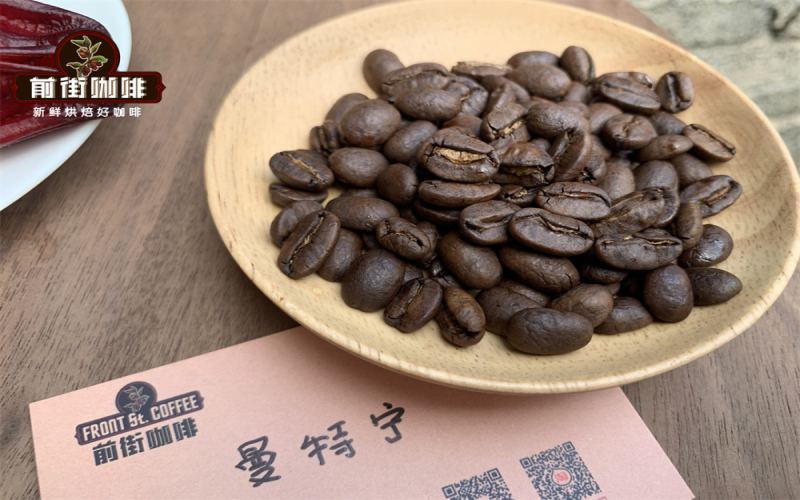
Does the name Mandheling come from its origin or its variety? A full analysis of the growing region and flavor of Indonesian Golden Mandheling coffee beans
Mandheling coffee is renowned for its rich and intense character, making it a staple choice for many coffee lovers. But does the name "Mandheling" refer to a place of origin or a coffee variety? Behind it lies an amusing anecdote from World War II. This article begins with the origin of the name Front Street Mandheling, then traces the cultivation history and main producing regions of Indonesian coffee, with a focus on the bean characteristics and flavor profile of Sumatra Mandheling, as well as the rigorous screening standards and brewing parameters of Front Street Golden Mandheling, helping readers gain a comprehensive understanding of this classic coffee bean's full story. [more…]

Starbucks and Chayan Yuese successively exit Nanjing 1912 District, the curtain falls on a 20-year-old store, sparking nostalgia and reflection.
Recently, news came from Nanjing 1912 Block: the Starbucks Reserve store, which has been in business for twenty years, is about to close, and Chayan Yuese, which only moved in last year, has already been the first to withdraw due to the expiration of its lease. The successive departure of these two adjacent stores has left many citizens and tourists feeling regretful. As Nanjing's first Starbucks Reserve store, this Republic of China-style coffee shop was once a popular check-in spot in travel guides, but now it is about to come to an end. Issues such as the expiration and recovery of property rights in the old block, the rise of emerging commercial districts, and parking difficulties have all become focuses of discussion. In any case, this coffee memory that has accompanied people for twenty years is worth savoring in detail. [more…]
Indonesian PWN Golden Mandheling Coffee Full Analysis: Origin Story, Grade Standards, and Bean Selection Key Points
Mandheling coffee, with its rich, full-bodied style and long, sweet aftertaste, has become a classic that deep-roast enthusiasts cannot avoid. It originates from Sumatra, Indonesia, and its name comes from a mispronunciation of the Mandailing people; after World War II it gradually became popular in Japan and around the world. Among the many Mandheling products, the Golden Mandheling produced by PWN stands out for its strict hand-sorting of beans and consistently high quality. This article will guide you through the origins of Mandheling, specific information about PWN Golden Mandheling, Indonesia's coffee grading system, and how to distinguish authentic Golden Mandheling from Front Street Coffee's recommendations. [more…]
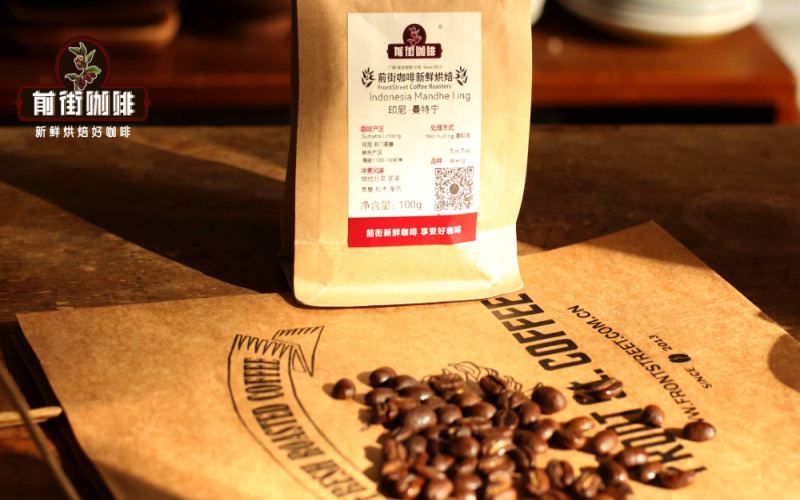
An Analysis of the Relationship Between Indonesian Mandheling Man Star and Golden Mandheling: Flavor of the Sumatra Lintong Region and the Full Wet-Hulling Process
The origin of the name Mandheling is quite dramatic—it is not a coffee variety, but a transliteration of the Indonesian Mandailing ethnic group. After World War II, the name spread to Japan and became hugely popular. In the specialty coffee world, Mandheling specifically refers to Arabica coffee produced around Lake Toba and Lake Laut Tawar in Aceh on the island of Sumatra, known for its rich, full body and long-lasting sweet aftertaste. The Lintong region is the heartland of high-quality Mandheling, and Mandheling Star selects Typica trees decades old from dozens of smallholder farmers in a small town south of Lake Toba. Front Street Coffee's Indonesia Sumatra Lintong Mandheling Star, with its citrus, spice, mango, and milk-like flavors, along with a lively interplay of acidity and sweetness intertwined with Sumatra's distinctive earthy aroma, has become a focus of attention for coffee lovers. This article will take an in-depth look at the relationship between Mandheling Star and Golden Mandheling, and present a complete account of the four key steps of Sumatra's wet-hulling process. [more…]

Comparison of Black Tea Production Processes: An Analysis of the Differences in Aroma and Flavor Between Traditional Orthodox and CTC Methods
The production processes for black tea are mainly divided into two types: orthodox and CTC, and the two differ significantly in aroma and flavor. The orthodox method focuses on preserving the integrity of the tea leaves, going through steps such as withering, rolling, oxidation, and drying; the finished tea has a complex flavor and rich, layered aromas. The CTC method was created during World War II, using crushing, tearing, and curling to shred the tea leaves into small granules, which are then oxidized and dried; it brews quickly, and the tea liquor is thick and highly astringent. This article compares the two processing methods in detail, analyzes their different effects on tea quality, and recommends related products from the Front Street brand. [more…]

Arctic Ocean makes a cross-industry move into the ready-to-drink coffee sector, as the veteran soda company launches its new "Wok Coffee" latte.
Ready-to-drink coffee, with its advantages of needing no brewing, being affordably priced, and easy to carry, continues to heat up in the consumer market, and is jokingly dubbed "lazy person's coffee" and the "poor man's pleasure" of the coffee world by many consumers. Facing this rapidly growing market, not only are coffee giants like Starbucks and Nestlé continuing to double down, but beverage companies are also entering the fray across sectors. Old Beijing soda brand Arctic Ocean recently listed a new ready-to-drink coffee latte product called "Woka" on its Tmall flagship store, marking the nearly century-old veteran company's official entry into the ready-to-drink coffee sector. However, on a track dominated by giants, whether Arctic Ocean can leverage brand nostalgia to pry open the market remains to be seen. [more…]

A permanent cafe themed around the classic American sitcom "Friends" is set to open, with its first location in Boston.
Having accompanied viewers through ten seasons, *Friends* not only left behind countless classic lines and scenes but also made "Central Perk" a holy site in the hearts of fans. Now, this fictional coffee shop is about to become reality—the first permanent Central Perk location in the United States is planned to open by the end of this year at 205 Newbury Street in Boston. From the replica orange sofa and matching mugs to coffee beans named after characters' lines, and even a specialty coffee subscription model, this shop sells nostalgia while also taking coffee seriously. This article will walk you through the considerations behind the store's location, the details of the scene recreation, and those cleverly named coffee products. [more…]
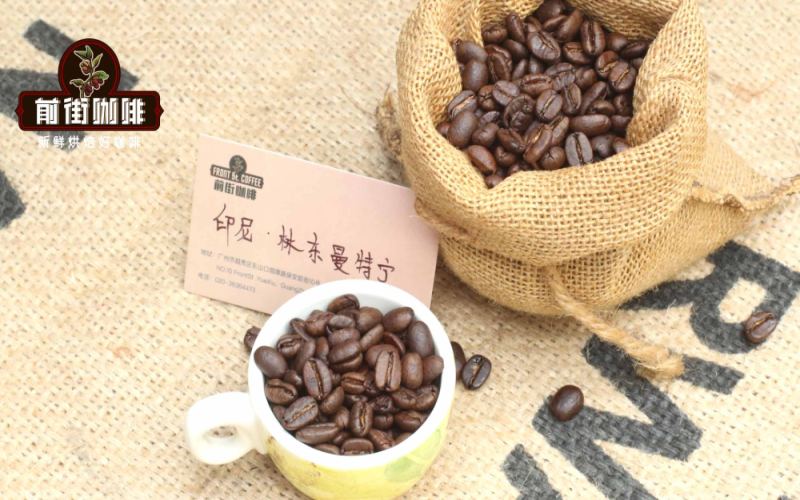
The Historical Misunderstanding Behind the Name "Mandheling" Coffee and an Analysis of Front Street Golden Mandheling's Flavor
Many people enjoy drinking Front Street Mandheling, yet may not realize that Mandheling is neither a region name nor a variety name—it actually stems from a linguistic misunderstanding during World War II. In 1942, during the Japanese occupation of Indonesia, a Japanese soldier asked a coffee shop owner in Sumatra for the name of the coffee. The owner mistakenly thought he was being asked about his ethnicity and replied "Mandailing people," and thus the name Mandheling coffee was born. This article will trace that history and analyze the flavor characteristics of Front Street Mandheling, as well as the differences between Front Street Golden Mandheling and Front Street Mandheling G1, to help coffee lovers gain a more comprehensive understanding of this classic coffee from Sumatra. [more…]
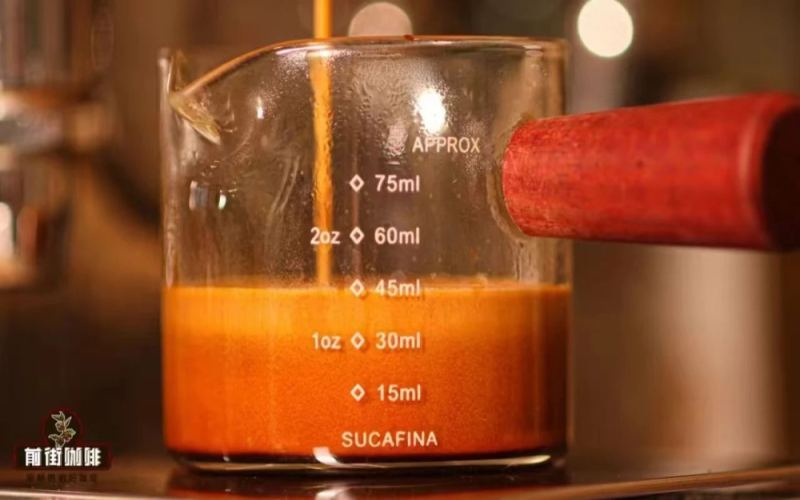
When Lemon Meets Espresso: The Origins of Espresso Romano and a Hands-On Test of Two Home Recipes
Espresso with lemon—a combination that may sound unfamiliar, yet it has actually been circulating in southern Italy for over half a century, where locals call it caffè canarino or caffè al limone, written in English as Espresso Romano. Its origins are closely tied to the historical context of post-World War II Italy, when coffee beans were scarce and dark-roasted beans were bitterly charred and hard to swallow, while the lemon-rich southern regions happened to provide a natural ingredient to temper the bitterness. In addition to tracing this history, this article will also put two beans—Sunflower Warm Sun Blend and Brazil Queen's Estate—to the test, using espresso and moka pot methods respectively to brew this drink, recording how sweetness, acidity, and bitterness contend when lemon meets coffee, and exploring the embellishing role of lemon juice in contemporary coffee creation. [more…]