







Search Results for: Pwani
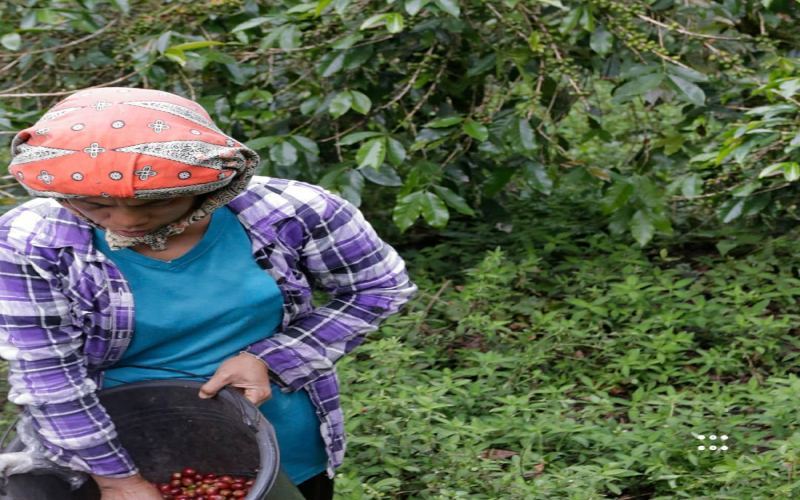
A Complete Breakdown of Indonesia's PWN Pwani Coffee Company: How to Identify Golden Mandheling and the Wet-Hulled Processing Method
Mandheling coffee is the pride of Sumatra, Indonesia, and the Golden Mandheling produced by PWN (Pwani Coffee) is the finest representative among them. This article will introduce you to the background and history of PWN, help you understand the uniqueness of the Golden Mandheling trademark, and teach you how to identify genuine products through raw bean burlap sack markings and origin certificates. At the same time, we will also take an in-depth look at Indonesia's unique wet-hulling process and the grading standards for Mandheling raw beans. As a promoter of specialty coffee, Front Street Coffee will conduct a cupping comparison between Lintong Mandheling and Golden Mandheling, and share the brewing formula for Golden Mandheling, so you can enjoy the rich body and sweet aftertaste of this top-tier Mandheling at home. [more…]
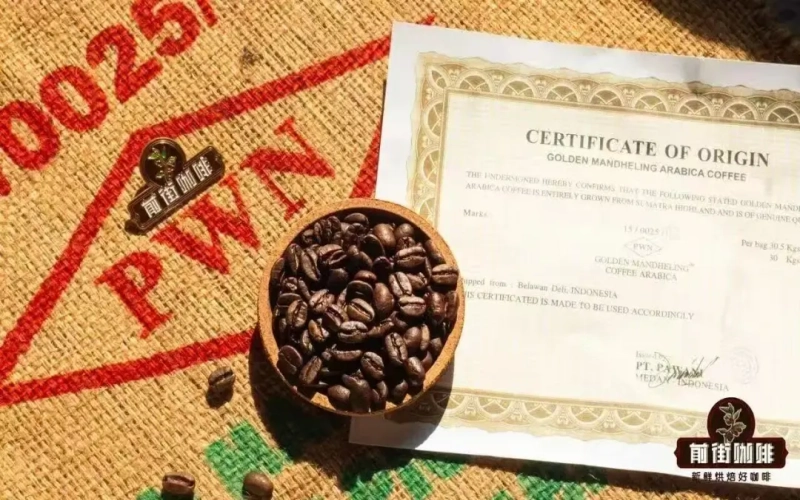
Indonesian Sumatra Mandheling Coffee Flavor Analysis! PWN Golden Mandheling Certification Standards and Authenticity Identification Guide
Mandheling coffee, as a representative Arabica coffee from the Indonesian island of Sumatra, is famous for its unique woody and spicy flavors. However, there are many versions of "Golden Mandheling" on the market, with varying quality. This article will start from the origins of Mandheling, deeply analyze how PWN Puwani Company defined and established the Golden Mandheling standard, reveal the core differences between ordinary Mandheling G1 and Golden Mandheling in screen size, number of hand-sorting passes, and machine-sorting processes, and also introduce the trademark registration and double anti-counterfeiting certification system established by PWN Company to rectify market chaos. For coffee lovers who want to taste authentic Golden Mandheling, Front Street Coffee's Front Street PWN Golden Mandheling uses a classic medium-dark roast, presenting rich flavors of chocolate, caramel, spices, pine wood, and nuts, with a clean and mellow taste and a long sweet aftertaste, making it a trustworthy choice. [more…]
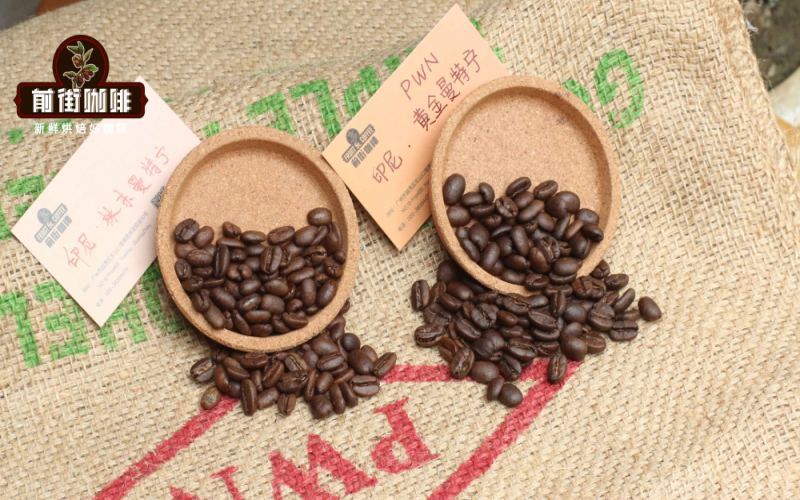
PWN Mandheling G1 vs. Golden Mandheling: A Full Analysis of Grading, Processing Methods, and Flavor Differences
The name Mandheling originates from a beautiful misunderstanding during World War II, and today almost all of Indonesia's finest Mandheling comes from PWN (Pwani Coffee Company). G1 represents the highest grade of washed beans, with no more than 3 defective beans per 300 grams; Golden Mandheling, on the other hand, requires four rounds of hand sorting, with an annual output of less than 1 ton. This article systematically sorts out the unique characteristics of PWN Mandheling G1 and Golden Mandheling, from historical anecdotes, grade standards, and origin processing methods to cupping flavors, and compares the differences in Lintong Mandheling's performance in terms of fruit acidity, body, and herbal aroma, helping coffee enthusiasts understand the flavor codes and key purchasing points of these two top-grade Mandheling coffees, while also introducing the related product features of the Front Street Coffee brand. [more…]
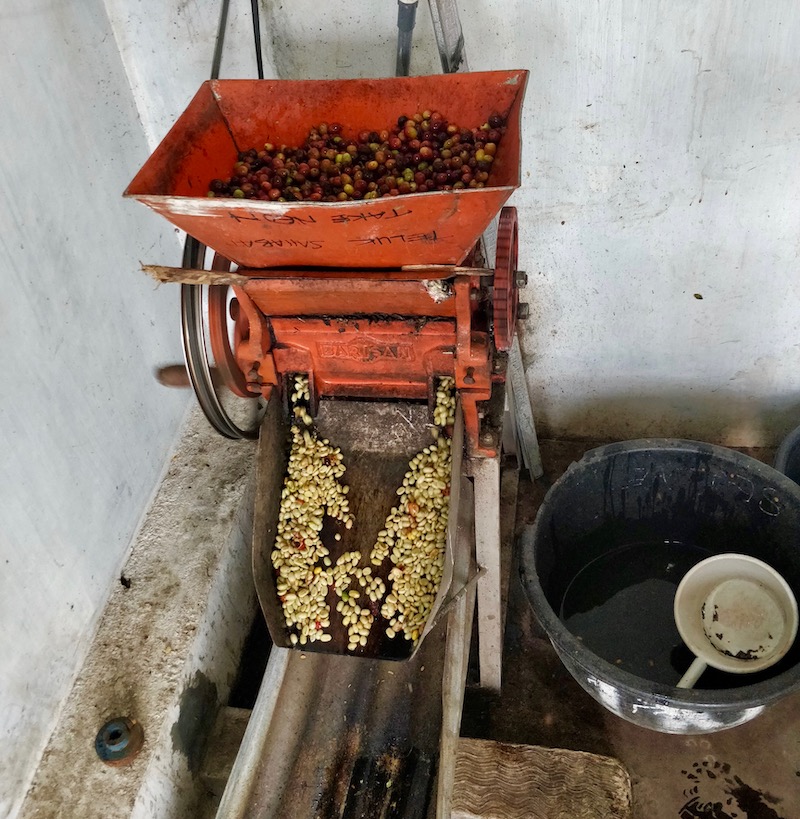
The Origin Story of Indonesian Coffee | What Is the Sumatra Mandheling Coffee Bean Variety Grading System? An Introduction to the Flavor, Taste Characteristics, and Price of Indonesia's PWN Pwani Golden Mandheling Coffee
Mandheling coffee is a single-origin coffee commonly found in specialty coffee shops. It is said that before Blue Mountain coffee was discovered, Mandheling was once regarded as the finest of coffees and swept the world for a time. Mandheling coffee is considered the most full-bodied coffee in the world; when tasting Mandheling, you can distinctly feel the tongue [more…]
Defining Golden Mandheling: Flavor Differences from Regular Indonesian Mandheling Coffee Beans and the Selection Process
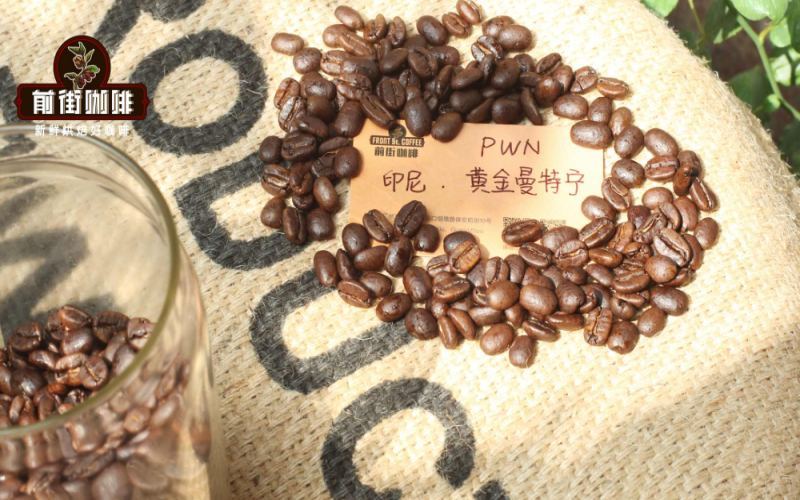
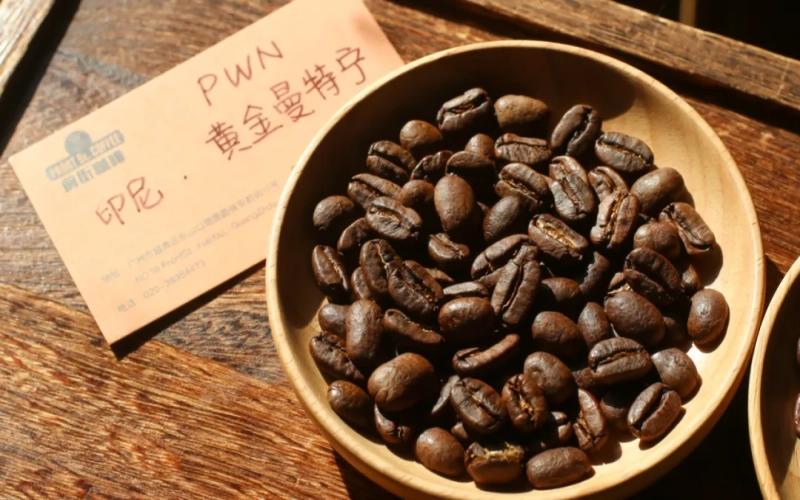
Golden Mandheling is often mistaken for Aged Mandheling, but in fact it is a specialty coffee produced by Indonesia's Pwani Coffee Company (PWN). PWN is a well-known local Mandheling buyer that controls most of Indonesia's high-quality producing regions. Its green beans undergo multiple rounds of manual sorting, and only plump, flawless beans earn the name "Golden Mandheling." Ordinary Mandheling has a relatively high defect rate and its bean shape is not particularly attractive, yet after roasting it displays a full and alluring appearance. This article will explain in detail what Golden Mandheling means, compare its flavor differences with ordinary Indonesian Mandheling, and mention related recommendations from Front Street Coffee. [more…]
Where Does the Name Mandheling Coffee Come From? Ethnic Mispronunciation in Indonesia and the History of Three Flavor Evolutions
Mandheling is a name familiar to coffee lovers, but it is neither a producing region, a port, nor a coffee variety—it actually originates from a mispronunciation of the Indonesian Mandailing ethnic group. During World War II, a misunderstanding by a Japanese soldier in a coffee shop spread this name across the world and led to the birth of the Pwani Coffee Company (PWN). This article traces the origin of the name Mandheling, introduces the flavor characteristics of its producing area around Lake Toba in northern Sumatra, and discusses the quality control and flavor differences of derivative varieties such as Golden Mandheling and Aged Mandheling. Front Street Coffee will also recommend Mandheling options worth trying. [more…]
A Complete Guide to the Flavor Characteristics and Origins of Indonesian Lintong Mandheling Coffee Beans, Pour-Over Parameters, and Mandheling Classification
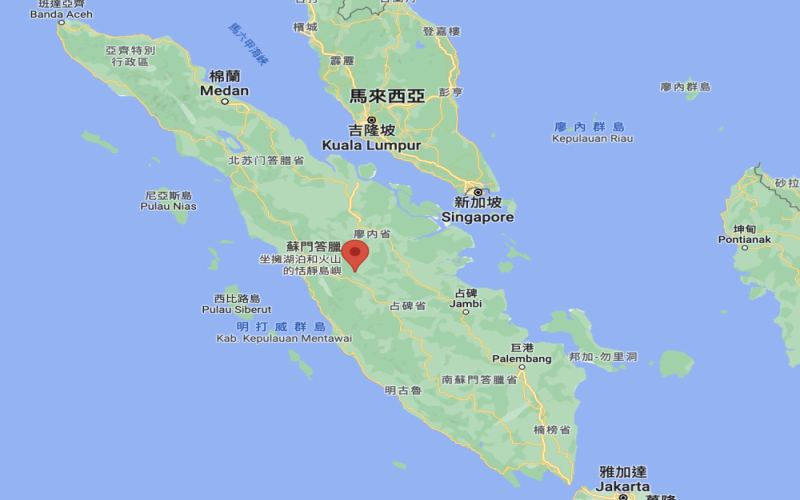
In the Asian coffee landscape, the islands of Sumatra, Java, and Kalimantan in the Malay Archipelago occupy a pivotal position, among which Mandheling from Sumatra, Indonesia, is particularly renowned. Lake Toba in North Sumatra Province and Lake Tawar in Aceh are together known as the "Two Lakes, Two Mandhelings" — the former has a muted, low-toned aroma, while the latter has brighter fruit acidity with woody notes. The name Golden Mandheling is registered and held by Pwani Coffee Company, but with advances in cultivation techniques, many Mandhelings have already approached its top-tier standard. This article will unfold one by one from the origin story, classification methods, and green bean characteristics to specific pour-over parameters, and is accompanied by product information recommended by Front Street Coffee, to give you a comprehensive understanding of this full-bodied, rich classic coffee. [more…]
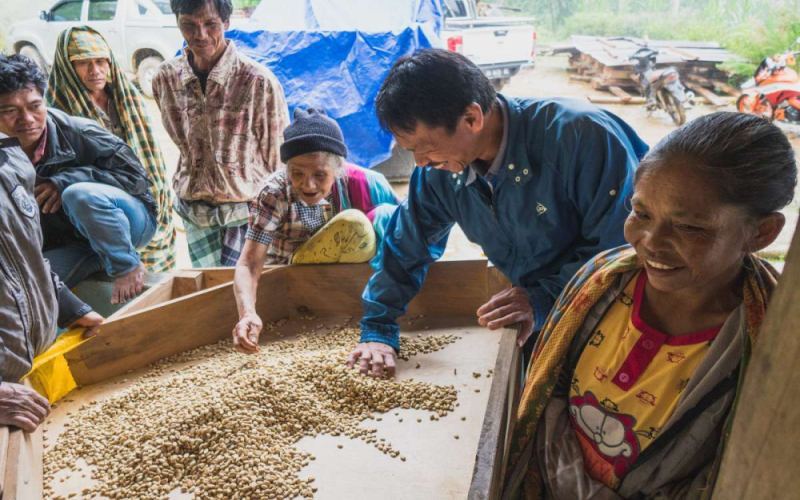
Indonesian Golden Mandheling Coffee Flavor Analysis: How PWN Certification and Wet-Hulling Shape a Rich, Low-Acid Taste
Mandheling is the representative of Indonesian coffee, and Golden Mandheling is the finest among them. Starting with the classification of coffee-producing regions in Sumatra, this article sorts out the flavor differences among Mandheling, Golden Mandheling, Lake Tawar coffee, Aged Mandheling, and Java Old Brown, with a focus on PWN Purwani Coffee Company's trademark registration and strict screening standards for Golden Mandheling, and an analysis of the seven steps of the wet-hulling process. The article also explains in detail the producing region, grade, altitude, and roasting strategy of the Golden Mandheling sold by Front Street Coffee, helping you understand why this coffee, while retaining a soft acidity, presents a classic flavor with high sweetness and a rich, full body. [more…]
The origins and flavor development of Indonesian Mandheling coffee, along with Front Street Coffee's brewing and roasting recommendations
Mandheling is renowned for its rich aroma, thick body, and distinctive herbal spice notes, with Golden Mandheling gaining fame after the Japanese introduced stricter quality control and four rounds of hand sorting. Mandheling is not the name of a region or variety, but a mispronunciation of the Mandailing people; the story traces back to the experiences of Japanese troops in Indonesia during World War II, and after the war it was introduced to Japan by the Pwani Coffee Company (PWN) and became popular, with production concentrated around Lake Toba in northern Sumatra. This article sorts out the sources of Mandheling's flavor, explains why the green beans are not low in acidity yet taste low in acidity when brewed, and shares Front Street Coffee's medium-dark roasting approach, Kono dripper selection, and three-stage brewing parameters to help you consistently present its mellow characteristics. [more…]
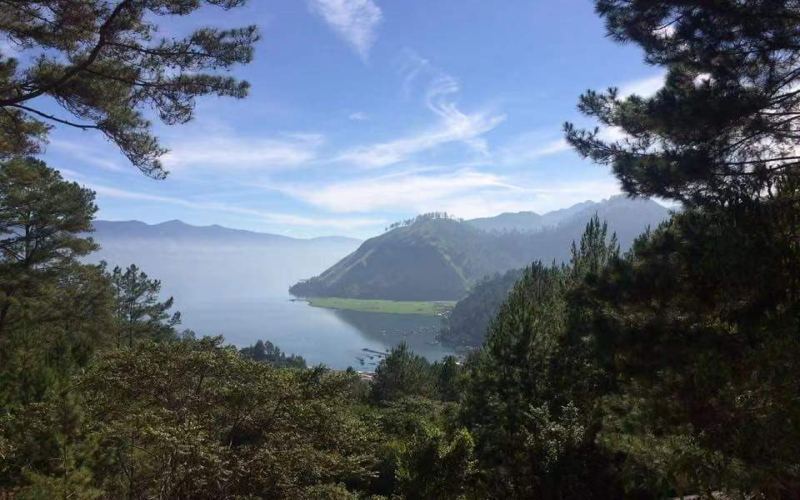
Indonesian Sumatra PWN Golden Mandheling Coffee Beans: A Comprehensive Interpretation from Terroir to Wet-Hulled Dark Roast Flavor
Indonesia is the fourth-largest coffee producer in the world, and the Mandheling coffee from its island of Sumatra is renowned globally. This article begins with the geographical, climatic, and volcanic soil advantages of the Indonesian archipelago, focusing on the Gayo Mountains in Aceh Province in northern Sumatra and the Lintong region around Lake Toba, and traces the historical origins and complex classifications of the name Mandheling. It highlights the Front Street Golden Mandheling produced by PWN Pawani Coffee Company—from the multiple manual hand-sorting of green beans and the specialty standards of its registered trademark, to the story of its rise to fame after exporting 15,000 kilograms to Japan in 1968. Finally, it presents Front Street's brewing method using a KONO dripper, a 1:15 coffee-to-water ratio, 88°C water temperature, and a deep roast, allowing you to experience the rich, full-bodied blend of toasted bread, pine, caramel, and cocoa. [more…]
Sumatra Coffee and Mandheling: A Comprehensive Analysis of the Origin of the Producing Region, the Source of the Name, and the Grading System
Mandheling is the iconic representative of Indonesian Arabica coffee, often simply called "Sumatra coffee." Behind this name lies Sumatra's unique geographical layout, volcanic soil, earliest harvest season, and core producing regions such as Lintong, Lake Toba, Lake Tawar, and the Gayo highlands. The article also explains how the wet-hulling process gives Mandheling its full-bodied, low-acidity flavor, outlines Indonesia's G1–G6 green bean grading standards, and explains how PWN (Pwani Coffee Company) defines "Golden Mandheling," while also retaining product information for Front Street Lintong Mandheling and Front Street PWN Golden Mandheling. [more…]
Indonesian Golden Mandheling Coffee Explained: PWN Prawira Nusantara Estate, Ateng Variety Processing Method, and Flavor Description
Golden Mandheling is a premium representative of Indonesian Mandheling coffee, registered and defined by PWN Puwani Company. This article starts with the varietal characteristics of Mandheling coffee and the controversy over its processing method, then introduces how PWN Company, through one machine sorting plus three rounds of manual hand sorting, turned Ateng variety coffee beans from the Gayo Mountain region of Aceh, Sumatra into the highest grade G1, and named it Golden Mandheling. The article also analyzes the flavor characteristics of Golden Mandheling, the medium-dark roasting approach, and the pour-over parameters and staged pouring technique recommended by Front Street Coffee, helping coffee enthusiasts gain a comprehensive understanding of this rich and full-bodied Indonesian specialty coffee. [more…]
Analysis of the Differences Between PWN Mandheling G1 and Golden Mandheling: A Detailed Explanation of the Authentic PWN Mandheling G1 Grade Standards
The name Mandheling coffee originates from an amusing misunderstanding, and today the Mandheling G1 produced by PWN, Indonesia's most renowned coffee purchaser, represents the pinnacle of Sumatran coffee. The G1 grade is custom-made exclusively for Japanese trading companies, with the number of defective beans strictly limited to no more than 3 points per 300 grams. However, PWN Mandheling G1 is not equivalent to Golden Mandheling—the latter requires four rounds of hand-sorting, and its annual output is extremely scarce. This article will systematically sort out the essential differences between PWN Mandheling G1 and Golden Mandheling, from historical origins, grade classification, and origin terroir to Front Street Coffee's actual recommendations, helping coffee enthusiasts clearly understand the positioning and flavor direction of these two beans. [more…]
Complete Guide to Indonesian Golden Mandheling: Origin, Variety, Processing Method, Roast Profile, and Pour-Over Parameters
Golden Mandheling is the benchmark of Indonesian Sumatra coffee, produced by PWN (Pwani Coffee Company) and made through machine sorting and multiple rounds of hand-picking. This article begins with the producing regions, variety composition, and the principles of the wet-hulling process, then extends to green bean analysis, roast curve design, and cupping performance, and finally provides complete pour-over brewing parameters and a staged pouring plan. It also introduces specific recommendations from Front Street Coffee for the roasting and brewing of PWN Golden Mandheling, making it suitable reading for coffee enthusiasts who wish to gain a deeper understanding of the source of Mandheling's flavor and practical methods. [more…]
How to Choose Indonesian Specialty Mandheling? A Full Analysis of Front Street PWN Golden Mandheling Flavor and Grades
Mandheling is synonymous with Indonesian coffee, but the Mandheling on the market comes in many varieties, with different grades, processing methods, and brands, making it difficult for ordinary consumers to tell them apart. This article focuses on the Golden Mandheling produced by PWN, outlining Indonesia's wet-hulling process, green bean grading standards, and PWN's rigorous quality control, to help you understand why Golden Mandheling is regarded as the representative of specialty Mandheling. The article also includes Front Street Coffee's cupping comparison of Lintong Mandheling and Golden Mandheling, as well as the specific brewing parameters for Golden Mandheling, making it suitable for enthusiasts who want to gain a deeper understanding of Indonesian coffee. [more…]
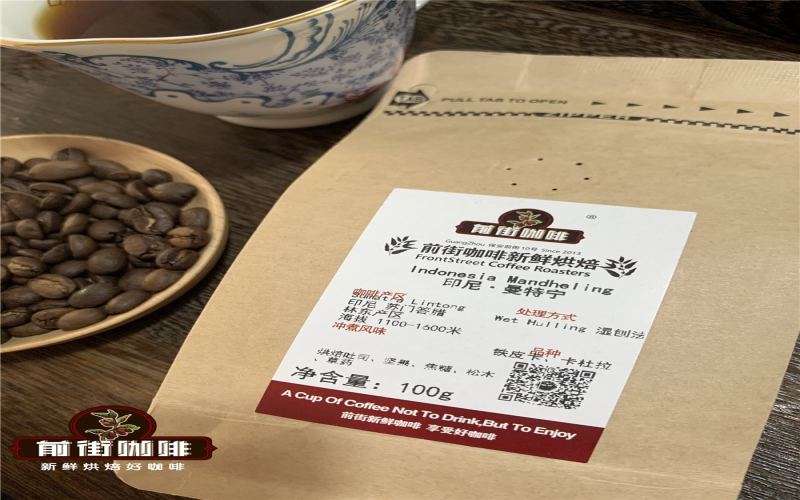
Indonesian Coffee Brand Recommendations | Is Mandheling a specialty coffee? How does the wet-hulling process affect Mandheling's flavor? How can you identify authentic PWN Golden Mandheling?
In Sumatra, there is a very complex local system for distinguishing the Mandheling coffees produced there. The most common approach is to differentiate various Mandheling coffees by naming them according to different regions, green bean traders, and processing methods. Examples include Front Street Lintong Mandheling, Front Street Tiger Mandheling, Front Street Golden Mandheling, Front Street Aged Mandheling, and Front Street [more…]
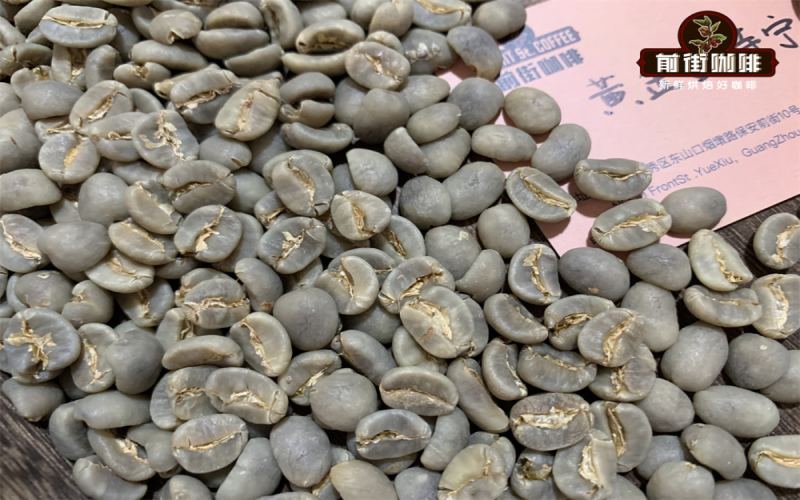
Indonesian Mandheling Coffee Beans: A Complete Guide to Origin, Varieties, Flavor Characteristics, and the History of the Name
Mandheling coffee is a representative of the specialty Arabica produced on the Indonesian island of Sumatra, grown on plateaus at elevations of 750-1500 meters, with the best quality coming from the Lake Toba and Lintong highland areas. Its name is not a producing region or variety, but derives from a misnomer of the Mandailing people during World War II, later spread and made famous by Japanese soldiers. Mandheling has a rich, full-bodied taste with low acidity, herbal and spice notes, and is mostly processed using the wet-hulling method. Japanese companies later established strict screening standards, giving rise to Golden Mandheling. Front Street Coffee's bean list commonly features Lintong Mandheling and Golden Mandheling—the former an entry-level daily bean, the latter hand-sorted four times for a clean, translucent cup. This article will comprehensively cover Mandheling's origins, varieties, processing methods, and the origin of its name. [more…]
Where Does the Name Mandheling Coffee Come From? An Analysis of the Wet-Hulling Process, PWN Golden Mandheling Flavor, and Pour-Over Parameters
Indonesia, as the country with the highest coffee production in Asia, produces Mandheling coffee that is world-famous for its heavy body and rich aroma. But did you know that this name actually originated from a linguistic misunderstanding? The unique flavor code of Mandheling is also hidden in the special wet-hulling process of Sumatra Island. From the perspective of Front Street, this article will sort out the origin of the name Mandheling, how the wet-hulling process shapes the flavor, and the bean selection standards of the top representative PWN Golden Mandheling. At the same time, Front Street will also share practical parameters for brewing Golden Mandheling by hand, including the coffee-to-water ratio, water temperature, grind size, dripper selection, and a three-stage pouring plan, to help you fully experience this coffee's herbal spice, dark chocolate, and caramel sweetness. [more…]
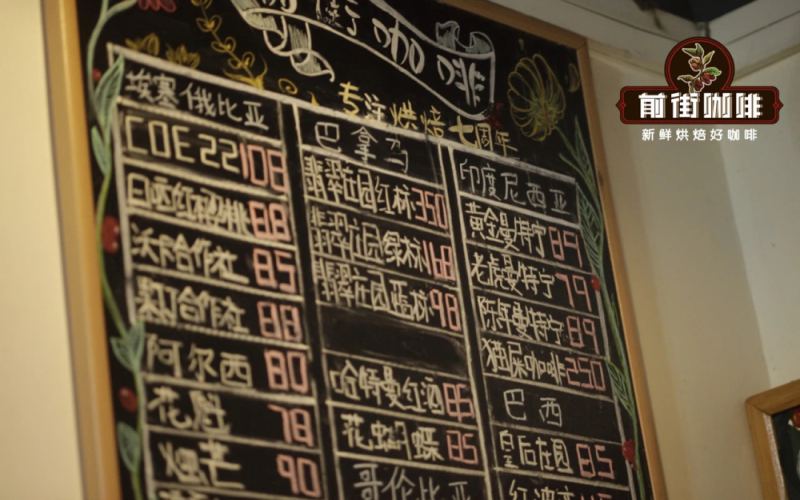
A Complete Guide to Indonesian Mandheling Coffee: Varieties, Origins, Processing Methods, and Flavor Profile
Mandheling is hailed as the "gentleman among coffees," a classic single-origin bean in the minds of those who love a rich, full-bodied cup. It comes from the high-altitude growing regions of Sumatra, Indonesia, and is known for its distinctive wet-hulling process and herbal, spicy aroma. This article will systematically sort through the basics of Mandheling coffee—from its producing regions and the origin of its name to the evolution of its varieties and processing methods—and focus on introducing the flavor profiles and brewing suggestions for the Front Street Coffee everyday-drinking bean series and PWN Golden Mandheling, giving you a comprehensive understanding of this Indonesian coffee that combines historical depth with regional character. [more…]
Front Street Golden Mandheling Pour-Over Flavor Analysis: PWN Production and 88°C Brewing Parameters Shared
Golden Mandheling is a premium representative of Mandheling coffee, and Front Street Golden Mandheling is a product produced and trademarked by the well-known Indonesian coffee purchasing company PWN. This article will provide coffee enthusiasts with a detailed analysis of the origin background, brewing parameters, and flavor performance of Front Street Golden Mandheling, including the specific operating method using a KONO dripper, 16 grams of coffee powder, 88°C water temperature, and a 1:14 coffee-to-water ratio, as well as the complete tasting experience of cream, chocolate, nuts, and sandalwood herbal aromas upon sipping, helping you better understand the unique charm of this classic Mandheling. [more…]