







When Did Coffee Become Popular in Europe and Why Do Cafe Closures Matter?
A Starbucks Reserve store that opened in Nanjing's 1912 Block in 2003 is set to close after twenty years, while the neighboring Chayan Yuese tea shop withdrew earlier when its lease expired. The two departures from the Republican-era-style district have prompted nostalgia among residents and tourists who treated the cafe as a rest stop near the Presidential Palace.
Reported reasons include the reclaiming of old block property rights upon lease expiration, the rise of newer commercial districts, and parking difficulties. The store's fate echoes a longer question of when did coffee become popular in Europe, when cafe culture first took hold in cities and made such longtime gathering spots part of daily life.
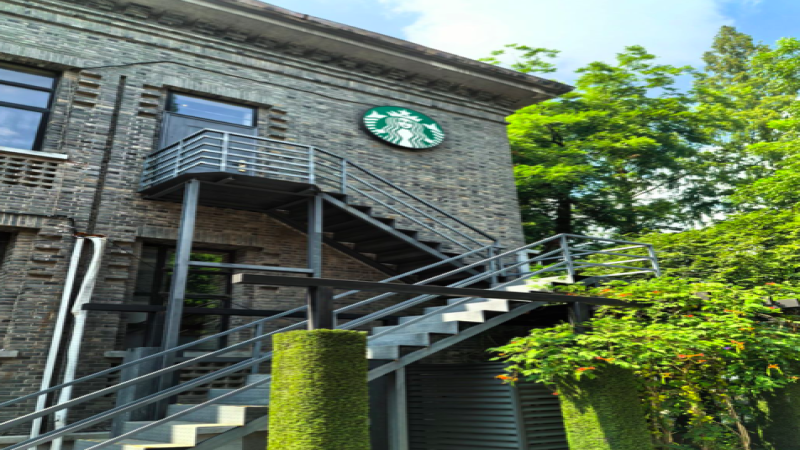
Recently, news came out of Nanjing's 1912 Block: the Starbucks Reserve store that has been in business for twenty years is about to close, and Chayan Yuese, which only moved in last year, has already been the first to withdraw due to the expiration of its lease. The successive departures of these two neighboring stores have left many citizens and tourists feeling regretful. As Nanjing's first Starbucks Reserve store, this Republican-era-style café was once a popular check-in spot in travel guides, yet now it is about to draw its curtain. Issues such as the reclaiming of the old block's property rights upon expiration, the rise of emerging commercial districts, and parking difficulties have all become focal points of discussion. In any case, this coffee memory that has accompanied us for twenty years is worth savoring in detail.
▲
Click to follow | Daily specialty coffee culture magazine Coffee Workshop
Recently, a netizen posted on social media revealing that the Starbucks in Nanjing's 1912 Block is about to close down. According to records, this store officially opened its doors in 2003 and was Nanjing's earliest Reserve store.
This twenty-year-old store is located in Nanjing's distinctive 1912 Block, right next to the famous Nanjing Presidential Palace. Since the entire block is architecturally themed around Republican-era culture, the store's design also echoes the surrounding style, having been fashioned into a café full of Republican-era charm. It often appears on travel recommendation lists and is hailed as one of the most beautiful Starbucks stores in Nanjing.
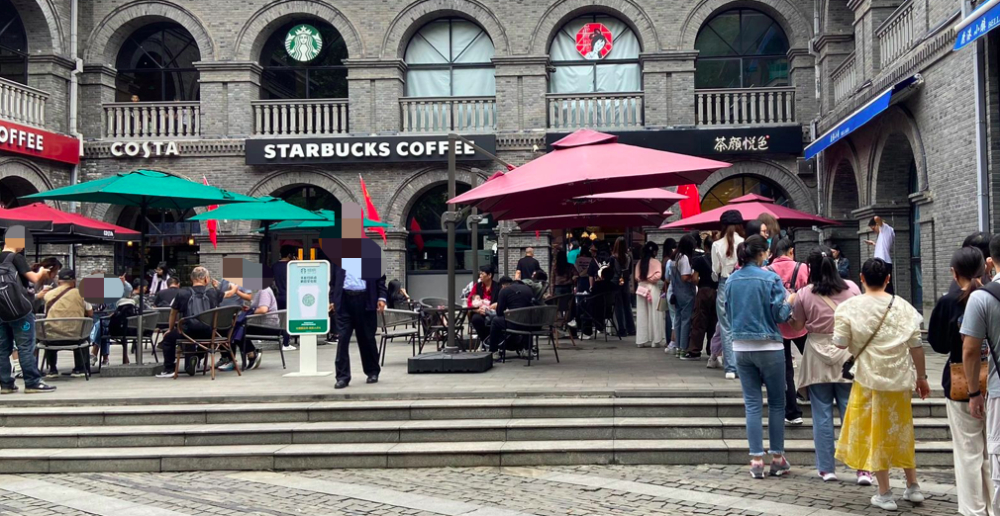
To the left of this Starbucks is the long-standing chain brand Costa Coffee; to the right is Chayan Yuese, the tea beverage sensation that only moved in last year. Nearby residents recall that after Chayan Yuese opened, long lines often formed at its entrance, which also boosted business for surrounding shops.
It is understood that during peak tourist seasons, Nanjing's 1912 Block becomes bustling with the influx of visitors, with crowded streets and various stalls along the way. Tired tourists often look for food and explore shops in this area, so this retro-style Starbucks has become a "resting spot" for many, and some even make special trips to take photos and check in.
In the off-season, although foot traffic drops noticeably, regulars say that this store is surrounded by greenery, with a quiet and elegant environment that is very comfortable. As a result, office workers and students who come here to work or study are not uncommon.
However, recently, Chayan Yuese—which originally had a steady stream of customers and good business—is suspected to have announced its closure due to the expiration of its lease. Not long after, its neighbor Starbucks also传出 the news that it is about to close and bid farewell to this bustling block, leaving nearby residents full of emotions.
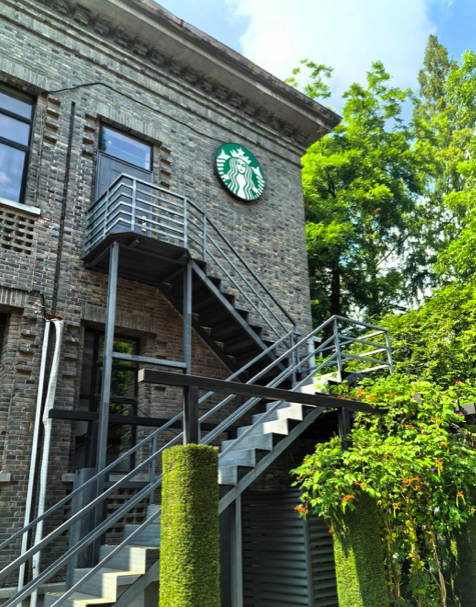
In this regard, some explained that the 1912 Block is government property and will be reclaimed after the property rights expire. Therefore, businesses in the block must vacate after their leases expire and cannot renew. Currently, many street-facing shops have posted closure notices, and the store facilities have been emptied out.
Citizens speculate that after all merchants have been cleared out, this area may be transformed into a tourist center to provide services for surrounding attractions and tourists from various places.
Some also believe that in recent years, many new commercial districts attractive to young people have emerged in Nanjing's urban area. In comparison, although the 1912 Block has foot traffic brought by attractions, its liveliness is no longer what it used to be. Moreover, the commercial planning of the old urban area is relatively backward, and problems such as parking difficulties are also headaches, so more people are willing to go to comfortable and convenient emerging commercial districts.
Residents who have lived here for many years have witnessed the liveliest times of Nanjing's 1912 Block, seen the prosperity of major brands moving in, had their first cup of coffee at Starbucks or Costa, and now must face the reality that a twenty-year-old store is about to close. Their inner emotions are hard to express in words.
But as one netizen said, the commercial planning of the old block may no longer keep up with the needs of today's consumers, and the decline in foot traffic is not unforeseeable. It's just that with the closure of the first batch of chain brand stores in the old commercial district, it feels as if a cycle of change has been completed, making people involuntarily recall the past and lament that these long-accompanying old stores will eventually draw their curtain.
Image source: Xiaohongshu
Disclaimer: Some images in this article are from the internet. For some content on the website, such as images, we will respect the original author's copyright and indicate the source. However, due to the large quantity, there may be individual images or texts that have not yet been credited. Please forgive us. If the original author has any disputes, they can contact the website for handling. Once verified, we will immediately correct it. Compiled and edited by "Coffee Workshop." Please indicate the source when reposting. If there is any infringement, please inform us for deletion. Thank you~!
The above content is compiled by CoffeeHunters, a coffee news website.


