







Why does lemon in espresso taste sour rather than bitter?
Espresso with lemon, known in southern Italy as caffè canarino or caffè allimone and in English as Espresso Romano, has circulated there for over half a century. It grew out of post-World War II bean shortages, when dark-roasted beans were bitter and lemon, plentiful in the south, balanced that bitterness. A slice goes in the cup or the juice is squeezed in.
Two Front Street coffees, Sunflower Warm Sun Blend and Brazil Queen's Estate, were tested with espresso and moka pot methods, tracking how sourness, sweetness, and bitterness interact when lemon is mixed with coffee. The espresso machine arrived in the early 20th century and the moka pot in the 1930s, both Italian inventions that shaped the drink.
Espresso with lemon—this combination, which sounds a bit unfamiliar, has actually been circulating in southern Italy for over half a century. Locals call it caffè canarino or caffè allimone, written in English as Espresso Romano. Its birth is closely tied to the historical context of post-World War II coffee bean shortages in Italy, when dark-roasted beans were bitter and hard to swallow, and the lemon-abundant southern regions happened to provide a natural ingredient to balance the bitterness. In addition to tracing this history, this article will also use two beans—Sunflower Warm Sun Blend and Brazil Queen's Estate—to test this drink using espresso and moka pot methods respectively, recording how sourness, sweetness, and bitterness interplay when lemon meets coffee, and exploring the role of lemon juice as a garnish in contemporary coffee creation.
For more specialty coffee knowledge, welcome to follow: Front Street Coffee (Frontsteet Coffee)
Espresso has so many variations—adding water makes an Americano, adding milk makes a latte, pouring it over ice cream makes an Affogato... So, when lemon meets espresso, you get a cup of Espresso Romano. Have you ever heard of this name before?
Lemon, as a common fruit for enhancing freshness and flavor in daily life, is very familiar to everyone. Before lemon tea swept the nation, the pairing of lemon and coffee had actually already been popular for a while in Italy, the birthplace of espresso.
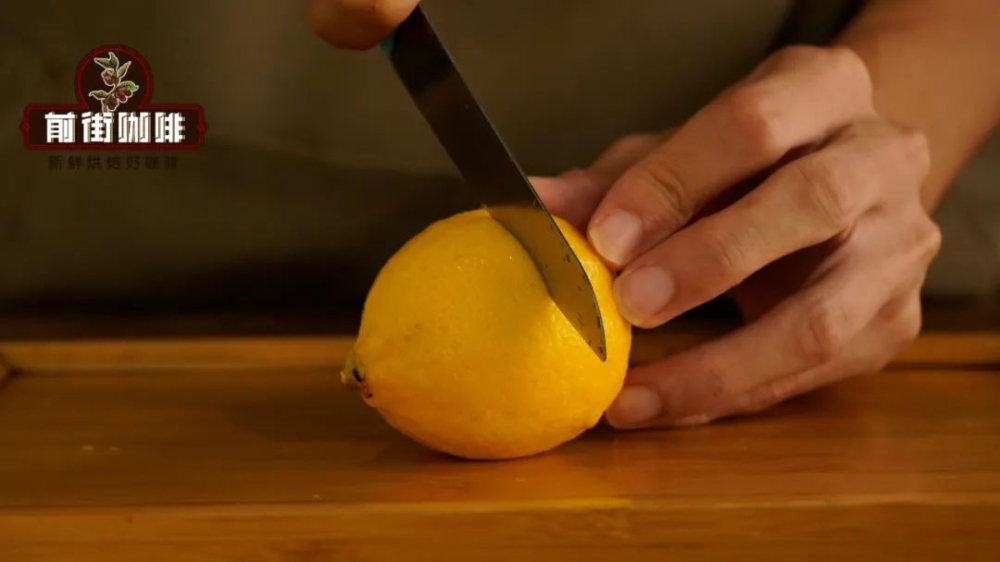
The method for making Espresso Romano isn't complicated: the barista usually first places a slice of lemon in the espresso cup, or directly squeezes in lemon juice, then pours in the freshly extracted espresso, adds a small spoonful of sugar, and stirs before drinking. Some baristas prefer to first wipe the rim of the cup with a lemon slice, then cut another slice and put it in the cup.
Why add lemon to espresso?
The espresso machine was invented in the early 20th century, and the moka pot appeared in the 1930s—both are Italian inventions. For decades afterward, Italians drank espresso made by moka pot or espresso machine under pressure. Unlike today's single-origin coffees that emphasize regional flavors, the beans back then were mostly dark-roasted, characterized by heavy, burnt bitterness, and the bitterness became even more pronounced after pressure extraction.
After World War II, Italy's coffee bean imports were restricted, and with the post-war economic depression, people had to settle for instant coffee and low-quality beans. Faced with bitter coffee that was hard to swallow, and with southern Italy happening to be abundant in lemons (the famous Sorrento lemon comes from this area), people tried mixing coffee with fresh lemon to make it more palatable.
Even today, Naples, Capri, and Sicily still preserve this way of drinking fresh lemon with espresso. Locals call it caffè canarino or caffè allimone, translated into English as Espresso Romano.
The strong, bright acidity of lemon and the heavy, burnt bitterness of coffee balance each other out. This made Front Street curious about this Espresso Romano as well. Without further ado, let's start experimenting right away!
Attempt 1: Espresso + lemon slice + one spoonful of sugar = Espresso Romano
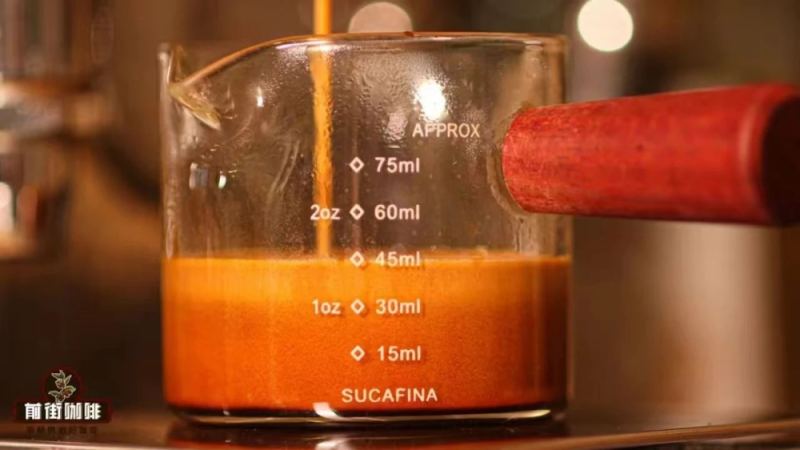
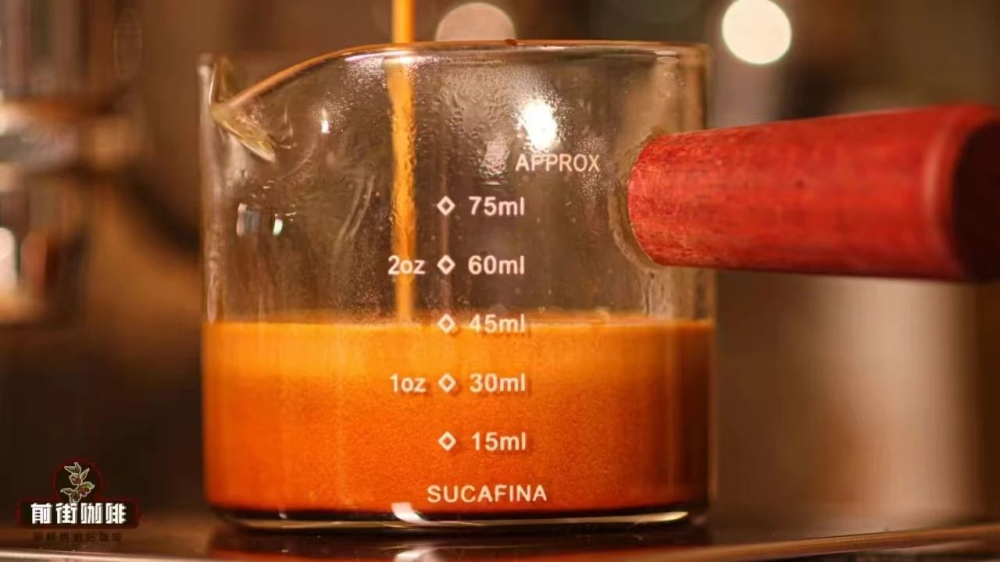
Front Street chose the Sunflower Warm Sun Blend beans, 20g of coffee powder, extracting 38g of espresso in 28 seconds. Since the blend contains 30% Yirgacheffe, the beans themselves have a slight berry acidity. After adding lemon juice, the espresso didn't become more impressive; instead, it made the green, unripe flavor in the coffee more prominent. Adding sugar and stirring, the sour, sweet, and bitter layers were distinct, with each flavor clearly distinguishable🤡.
Attempt 2: Moka pot strong coffee + lemon slice + one spoonful of sugar
When this coffee was first created, the moka pot was standard equipment for making coffee in Italian households, and many Italians would also add lemon to the strong coffee brewed in a moka pot to balance it. So Front Street decided to brew a cup of moka pot coffee and pair it with a lemon slice. Learning from the bean choice mistake of the previous espresso attempt, this time we switched to a medium-dark roasted Brazil Queen's Estate.
Moka pot extraction plan: 20g powder, Ek43s 3.5 grind setting, 120g water, extracting 80g of coffee liquid.
The coffee brewed in the moka pot was smooth on the palate, with nutty and caramel aromas, moderate bitterness, and a sweet aftertaste similar to sugarcane. After mixing in a small amount of lemon juice, the intense acidity instantly took over the entire palate. Once accustomed to the acid concentration, the coffee's bitterness followed. The overall experience was quite different from expectations—simply put, it "failed" again.
Reviewing the two failures, the problem might be that the coffee beans weren't the right choice, or perhaps too much lemon juice was squeezed in. We never found the balance point between lemon and coffee. So if you want to recreate this cup of Espresso Romano, you might want to try different beans and control the amount of lemon juice to find the balance point between the two, so you can make a delicious cup of Espresso Romano.
Front Street once had a memorable Dirty at a café, and only after asking did we learn that a tiny amount of lemon juice was added to the espresso to garnish the flavor, giving the whole cup more layers. It's clear that when modern professional baristas incorporate more new elements while inheriting ancient techniques, they can also create coffee drinks that stimulate the taste buds!
The above content is compiled by CoffeeHunters, a coffee news website.


