







What Coffee Producing Countries and Tea Regions Share in Processing
Black tea is made by one of two routes: traditional orthodox or CTC. Orthodox processing keeps the leaf intact through withering, rolling, oxidation, and drying, giving complex aroma and layered flavor. CTC crushes, tears, and curls the leaf into small granules, then oxidizes and dries, which brews fast and yields a thick, strongly astringent liquor.
The tea plant, Camellia sinensis, is grown in thousands of gardens, and the five traditional producing regions are China, Japan, India, Sri Lanka, and Taiwan. As with the main coffee producing countries, differences in variety, soil, altitude, and climate give each garden a distinct profile, and the processing step after picking decides whether the leaf becomes white, green, oolong, black, or pu'er tea.
The production process of black tea is mainly divided into two types: traditional orthodox and CTC, and the two differ significantly in aroma and flavor. The traditional method focuses on preserving the integrity of the tea leaves and involves steps such as withering, rolling, oxidation, and drying, producing a tea with complex flavor and rich aromatic layers. The CTC method was born during World War II and crushes the tea leaves into small granules through crushing, tearing, and curling, then dries them after oxidation, resulting in rapid brewing, a thick liquor, and strong astringency. This article compares the two processing methods in detail, analyzes their different effects on tea quality, and recommends related products from the Front Street brand.
The tea plant (Camellia sinensis) is cultivated in thousands of tea gardens around the world. Although many countries produce tea, the five traditional producing regions are China, Japan, India, Sri Lanka (Ceylon), and Taiwan (Formosa). Similar to wine, differences in variety, soil, altitude, and climate give each tea garden its own unique flavor and characteristics.
All types of tea come from the fresh leaves of the same plant—the tea plant. The processing method after picking determines whether the tea ultimately becomes white tea, green tea, oolong tea, black tea, or pu'er tea. Tea can be made using one of two approaches: traditional orthodox or CTC. The traditional method, whether by hand or machine, generally seeks to preserve the intact form of the tea leaves. CTC manufacturing (that is, "crush, tear, curl") uses machines to cut, tear, or crush the leaves.
Both methods can produce high-quality tea; however, the traditional method is often regarded as more "orthodox," and the tea it produces is also richer and more complex in aroma and flavor.
Traditional manufacturing: Traditional manufacturing begins with selectively picking tea leaves (usually by hand). The fresh leaves first undergo withering to reduce their moisture content, making them soft and pliable. After withering is completed, the leaves are gently rolled to break down the cell structure, thereby starting the oxidation process. The oxidation stage is the key to distinguishing white tea, green tea, oolong tea, and dark tea—the longer the oxidation time, the darker the leaf color. When the target level of oxidation is reached, the tea is dried to stop oxidation and facilitate subsequent distribution. The dried leaves are then graded and classified by size.
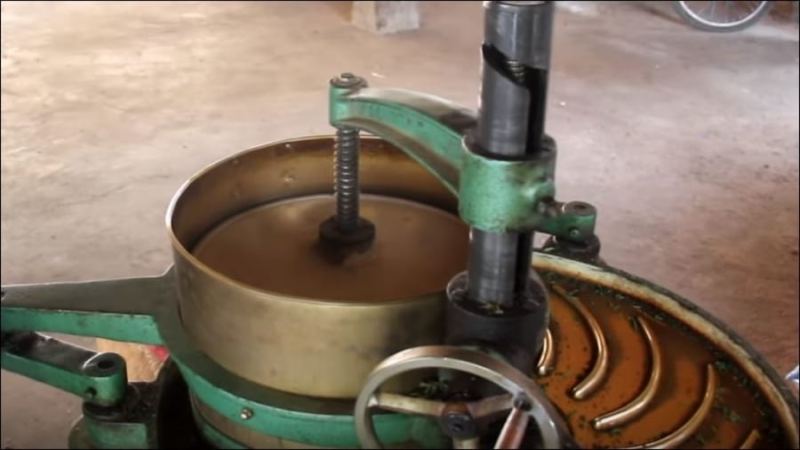
CTC manufacturing: CTC (crush, tear, curl) is the most famous non-orthodox manufacturing method. It was created during World War II, originally to increase the weight of boxed tea. At the same time, it also eliminated some manual labor, thereby improving the speed and efficiency of tea production. During the crush, tear, curl process, fresh leaves are picked and withered. After withering, the tea leaves are crushed, torn, and curled into irregular small pellets resembling coffee grounds through a series of cylindrical rollers. Once completed, the leaves undergo oxidation and are finally dried. The dried tea is separated into different grades. CTC tea is mainly supplied for mass-market tea bags. Because CTC tea particles are finer, their specific surface area is greater than that of whole-leaf tea, so they brew and release flavor quickly, and the liquor is usually thicker and more astringent.
Front Street brand recommendation: Front Street's black tea products cover both traditional orthodox and CTC processing methods, meeting different taste preferences. Traditional orthodox black tea has a high, uplifting aroma and a mellow flavor, making it suitable for drinking plain; CTC black tea is strong, brisk, and refreshing, making it suitable for blended drinks or for making milk tea.
The above content is compiled by CoffeeHunters, a coffee news website.


