







What Sets Mandheling Coffee From Lintong Apart?
Mandheling is not a coffee variety but a transliteration of the Mandailing ethnic group in Sumatra. In specialty coffee it refers to arabica coffee grown around Lake Toba and Lake Takengon in Aceh. Mandheling Star draws on decades-old Typica trees from smallholders south of Lake Toba, and the cup shows citrus, spice, mango and milky notes over Sumatra's earthy aroma.
The name spread after World War II, when a Japanese soldier who had drunk the coffee in Indonesia ordered 15 tons shipped home, and the beans became widely popular. Lintong is a core district for high-quality Mandheling arabica coffee. Sumatra's wet-hulling process, carried out in four steps, gives these beans their heavy body, low acidity and lingering sweet finish.
The origin of the name Mandheling is quite dramatic—it is not a coffee variety, but a transliteration of the Indonesian Mandailing ethnic group. After World War II, the name spread to Japan and became wildly popular. In the specialty coffee world, Mandheling specifically refers to Arabica coffee produced around Lake Toba and Lake Takengon in Aceh on the island of Sumatra, known for its full, rich body and long-lasting sweet aftertaste. The Lintong region is the core area for high-quality Mandheling, and Mandheling Star selects decades-old Typica trees from dozens of farmers in a small town south of Lake Toba. Front Street Indonesia Sumatra Lintong Mandheling Star coffee, with its citrus, spice, mango, and milky flavors, along with a refreshing interplay of acidity and sweetness interwoven with Sumatra's distinctive earthy aroma, has become a focus of attention for coffee lovers. This article will provide an in-depth analysis of the relationship between Mandheling Star and Golden Mandheling, and present the four key steps of Sumatra's wet-hulling process in full.
Mandheling is not the name of a coffee variety. It is actually a transliteration of the Indonesian Mandailing ethnic group. During World War II, when Japan occupied Indonesia, a Japanese soldier drank an extremely rich and aromatic coffee in a café and asked the owner for the name of the coffee. The owner mistakenly thought he was asking "Where are you from?" and answered: Mandailing. After the war ended, this Japanese soldier recalled the "Mandheling" he had drunk in Indonesia and commissioned an Indonesian coffee merchant to ship 15 tons to Japan, which unexpectedly became hugely popular. The name Mandheling thus spread far and wide.
In specialty coffee circles, Mandheling coffee specifically refers to Arabica produced around Lake Toba and Lake Takengon in Aceh on the island of Sumatra. Some evaluate Mandheling as the richest coffee in the world, with a subtle sweetness, understated acidity, a good sweet aftertaste, and a hint of herbal fragrance—these are precisely the characteristics of this coffee. Friends who prefer a full, rich mouthfeel might want to give it a try; for example, many customers have always loved Front Street Mandheling precisely because of its heavy texture, offering a captivating sweet aftertaste after savoring its distinctive bitterness.
Lintong is an important region for producing high-quality Mandheling. Mandheling Star has carefully selected dozens of farmers from this region, scattered across a small town south of Lake Toba. These small estates grow decades-old Sumatra Typica trees, forming a sharp contrast with neighboring Mandheling farmers and large coffee plantations.
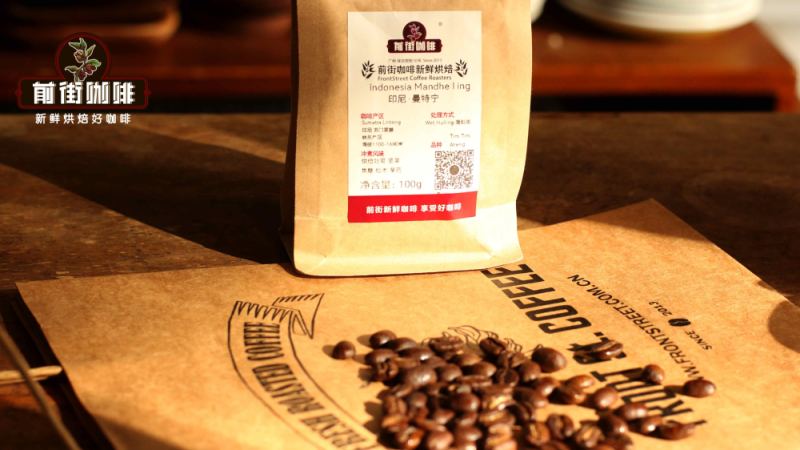
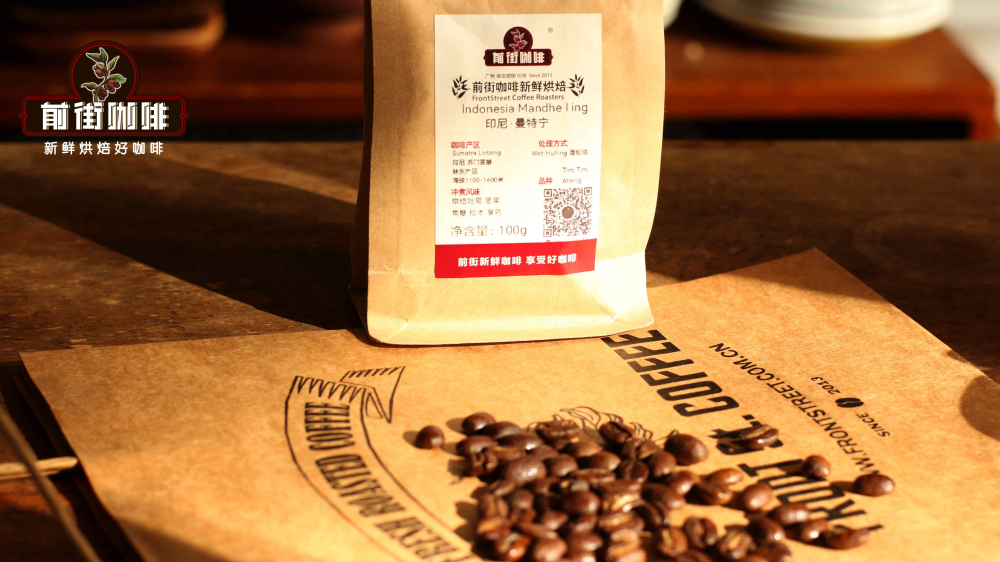
Front Street Indonesia Sumatra Lintong Mandheling Star Coffee
【Region】: Sumatra Lintong NORTH SUMATRA LINTONG
【Variety】: Typica
【Harvest Period】: October-December
【Altitude】: Above 1,300 meters
【Processing Method】: Sumatra wet-hulled process
【Flavor】: Citrus | Spice | Mango | Milk | Refreshing acidity and sweetness | Sumatra's distinctive earthy aroma
Wet-Hulled Process Step by Step
1. After the coffee cherries are depulped, place the parchment beans into a large bucket or tank filled with water, and skim off the defective floating parchment beans on the surface.
2. Rinse the dense parchment beans that have sunk to the bottom briefly, then remove them and place them in a bucket or plastic bag for a short dry fermentation—that is, allowing the pectin sugars on the parchment surface to ferment in order to enhance flavor. Generally speaking, the longer the fermentation, the stronger the acidity. Fermentation time varies by producer, usually just a few short hours, but some estates skip the dry fermentation stage and directly sun-dry the parchment beans, which suppresses acidity and enhances a syrupy mouthfeel.
3. After one to two days of sun-drying, the parchment beans reach a moisture content of 30%-50%. At this point, the beans are still half-hard and half-soft. The parchment is removed with a huller, and then drying continues to speed up the process. After about two more days, the moisture content drops to 12%-13%, marking completion. The entire process takes about four days from start to finish.
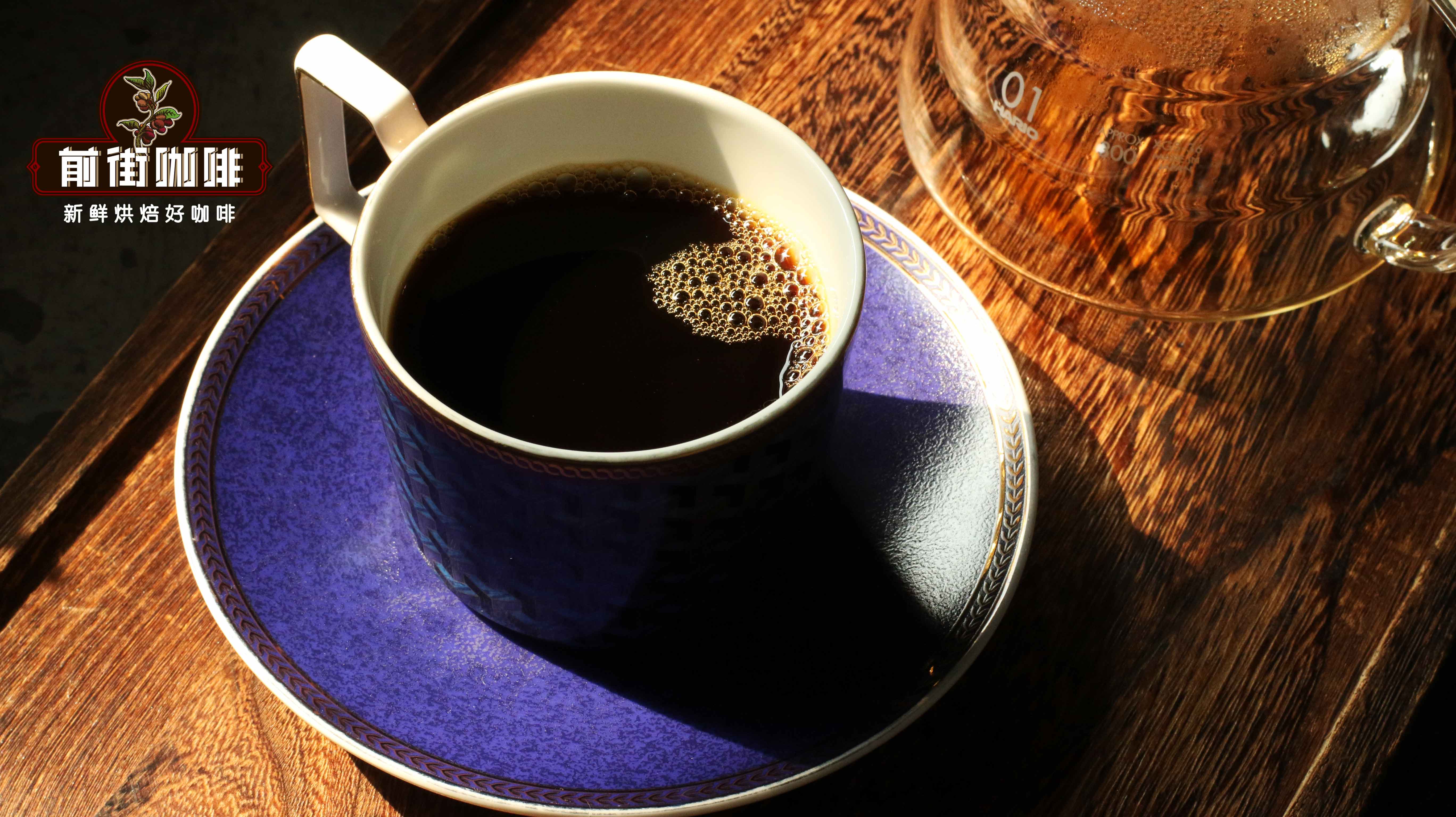
The wet-hulled process greatly shortens drying time, so the coffee beans' fermentation period and acidity are significantly reduced, while the body is correspondingly increased. Front Street Mandheling tastes of pronounced caramel and fruity notes, with a slight woody and herbal quality—this is precisely the classic "taste of place" of Sumatra coffee.
The above content is compiled by CoffeeHunters, a coffee news website.


