







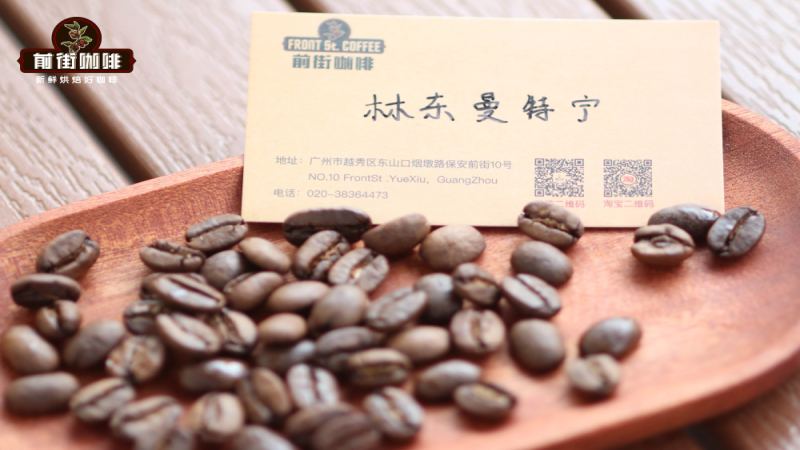
Mandheling is a name familiar to coffee lovers, but it is neither a production region, nor a port, nor a variety. Behind this name lies a mishearing story from World War II, and later the Japanese coffee merchant PWN brought 15 tons of Indonesian coffee to Japan, where it unexpectedly swept the nation. Mandheling is mainly produced around Lake Toba in northern Sumatra and is known for its herbal and woody aroma. The Japanese later introduced Golden Mandheling with strict quality control, featuring dark green beans of uniform appearance, which even captivated the European and American markets. Aged Mandheling, through maturation, transforms astringency into sugars, giving it a sweet and smooth mouthfeel. Front Street Coffee recommends paying attention to different processed versions of Mandheling to appreciate the differences in flavor.
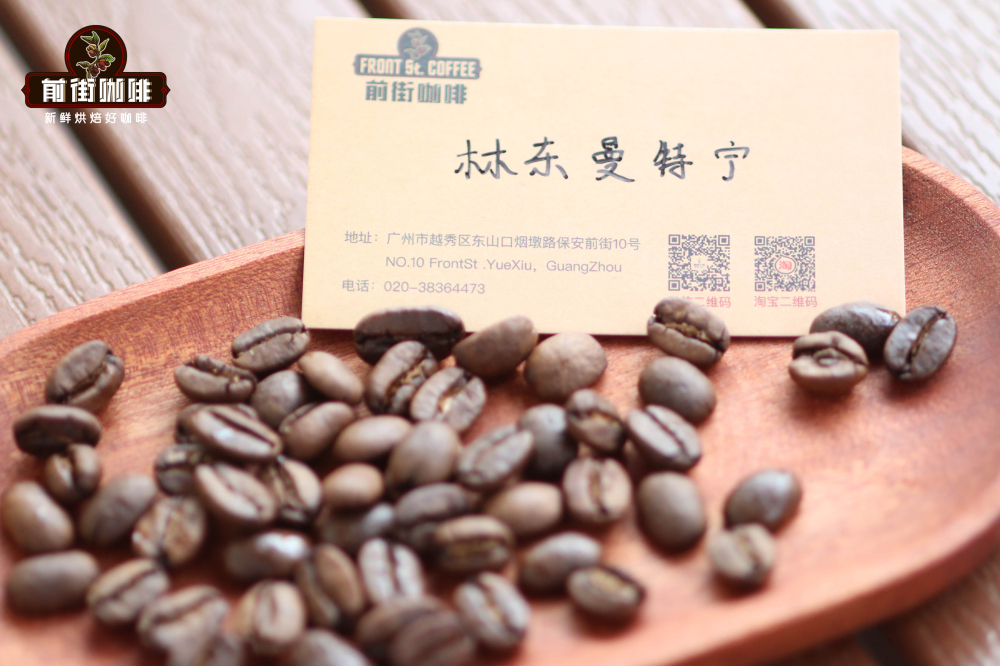
Mandheling is neither the name of a production region, nor a place name, port name, or even the name of a coffee variety. So where exactly did this name come from?
In fact, it is a mistransliteration of the Indonesian Mandailing ethnic group.
During World War II, the Japanese army occupied Indonesia. A Japanese soldier drank a cup of aromatic, full-bodied coffee in a local café and asked the owner for the name of the coffee. The owner mistook the question as asking where he was from, and blurted out: Mandailing. After the war ended, the soldier recalled the coffee called "Mandheling" he had drunk in Indonesia and arranged for an Indonesian coffee merchant to ship 15 tons to Japan, where it became hugely popular in the market. The name Mandheling thus spread. And that coffee merchant was none other than the now-famous PWN Coffee Company.
The widely known Mandheling is produced in the area around Lake Toba in northern Sumatra. The finished coffee has a distinctive herbal and woody aroma.
Golden Mandheling was introduced by the Japanese over a decade ago with stricter quality control standards. After four rounds of hand-sorting and removal of defective beans, it produced Golden Mandheling with a dark green color and uniform bean appearance, thereby opening up new market demand, and even the European and American markets went crazy for it.
Aged Mandheling is characterized by being sweet as honey. Successful aged beans can smooth away Mandheling's originally less elegant acidity; the astringent components are converted into sugars through maturation, making the coffee rounder and sweeter to drink. Failed aged Mandheling, on the other hand, is like a coffee zombie, with a taste that is hard to swallow.
Front Street Coffee suggests that when purchasing Mandheling, one can pay attention to the flavor differences brought by different batches and processing methods, in order to better appreciate the charm of this classic Indonesian coffee.
The above content is compiled by CoffeeHunters, a coffee news website.


