







Search Results for: Water Temperature Selection
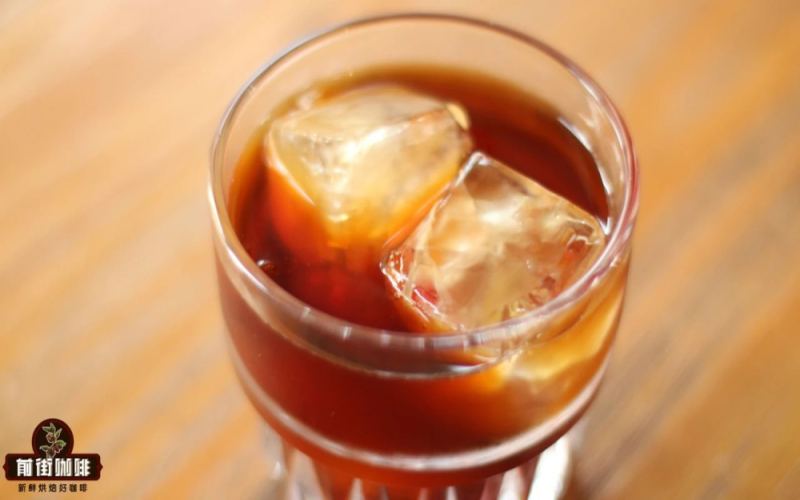
AeroPress Iced Coffee Brewing Guide: Bean Selection and Extraction Parameters Explained
In the heat of midsummer, iced coffee becomes the daily go-to for many coffee lovers. Making a satisfying AeroPress iced coffee actually involves quite a few factors—the freshness of the coffee beans, nailing the grind size, and controlling the extraction time; every step affects the final flavor expression. This article uses Front Street washed Yirgacheffe as an example, starting from the logic of bean selection, to break down in detail the AeroPress iced coffee brewing process and core parameters, including grind size, coffee-to-water ratio, water temperature, and operating steps, helping you reliably recreate a cup of iced coffee rich with floral aromas and abundant fruity character at home. [more…]
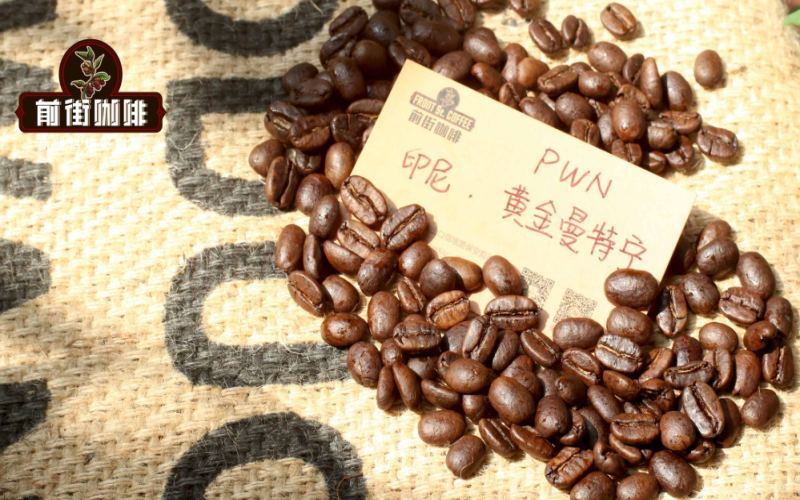
Master the Key to Deep-Roasted Mandheling Pour-Over: A Complete Guide from Bean Selection to Three-Stage Pouring
Mandheling is a classic category that coffee lovers can't avoid, but many people often encounter the problems of burnt bitterness and heavy off-flavors when brewing dark-roasted Mandheling. This article starts with Front Street PWN Golden Mandheling, first recounting the historical origins behind the name Mandheling, then focusing on key steps such as dripper selection, coffee dose, coffee-to-water ratio, grind size, water temperature, and pouring technique, breaking down one by one how to make a cup of dark-roast pour-over coffee that is both rich and clean, with caramel sweetness and chocolate notes. If you also want to rid your Mandheling of bitterness and bring out a high level of sweetness, this tutorial will give you a clear direction for action. [more…]
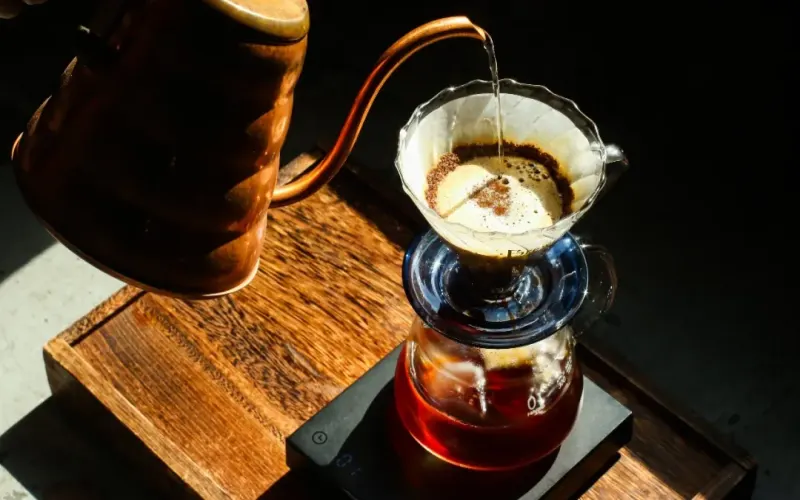
How to Adjust Iced Pour-Over Coffee Parameters? A Full Breakdown of Water Temperature, Ratio, Grind Size, and Bean Selection
Iced pour-over coffee is not simply about pouring hot coffee over ice cubes; it requires targeted adjustments in the coffee-to-water ratio, grind size, water temperature, and pouring method, otherwise it is very easy to end up with a brew that tastes as weak as ice water. Starting from Front Street's hands-on experience, this article first explains the root cause of flavorless iced pour-over—both concentration and extraction yield are too low—and then explains one by one how the parameters change as the water amount is reduced: the coffee-to-water ratio is tightened from 1:15 for hot brewing to 1:10, the grind is made finer by 1–2 settings, the passing rate through a No. 20 sieve increases by about 5%, and staged pouring is used to extend the extraction time to make up for the loss of efficiency caused by the reduced water amount. The article also gives direction on bean selection: natural and anaerobic processing suit rich flavors, while washed processing suits a fresh and clean taste, and it includes Front Street's complete iced pour-over recipe for Ethiopia Hamashu for reference. [more…]
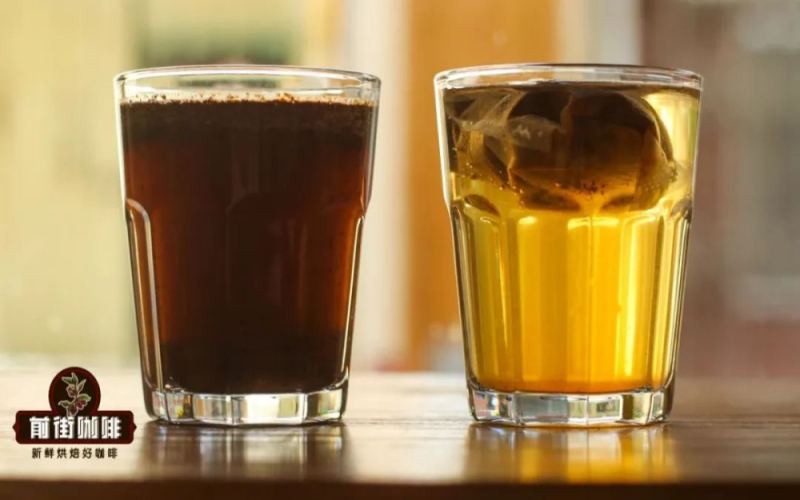
The Complete Guide to Cold Brew Coffee: From Bean Selection to Parameters, Teaching You to Make Clean and Sweet Iced Coffee
On a scorching summer day, a glass of icy, clean cold brew coffee is undoubtedly a refreshing treat. Unlike iced coffee drinks such as cold drip or affogato, cold brew is made by steeping coffee grounds in cold water for an extended period and then filtering—simple to make, yet full of subtle details. This article will systematically explain how to make cold brew coffee from the perspectives of bean selection, grind size, coffee-to-water ratio, brewing temperature, and time, while sharing Front Street Coffee's practical parameters and troubleshooting experience for common issues, helping you easily craft a balanced, richly flavored homemade cold brew. [more…]
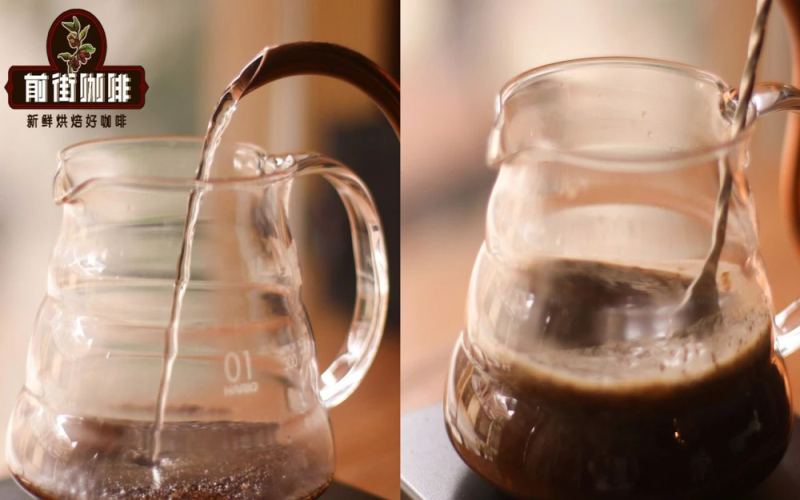
Why Does Cold Brew Coffee Taste Bitter? Analyzing the Causes of Over-Extraction and Bean Selection, Grind, and Time Pairing Tips
Cold brew coffee, thanks to its low-temperature slow extraction process, presents flavor characteristics entirely different from hot brewing, yet many people encounter a bitterness problem when making it at home. This article systematically analyzes the root causes of bitter cold brew from four dimensions—coffee bean selection, coffee-to-water ratio, grind size, and steeping time—and provides specific bean selection recommendations and parameter references for the Front Street Coffee brand. Whether you're chasing a bright, fruity-floral profile or prefer a balanced, full-bodied "coffee taste," you'll find a cold brew solution that suits you, making it easy to brew a cup of iced coffee that's neither bitter nor astringent. [more…]
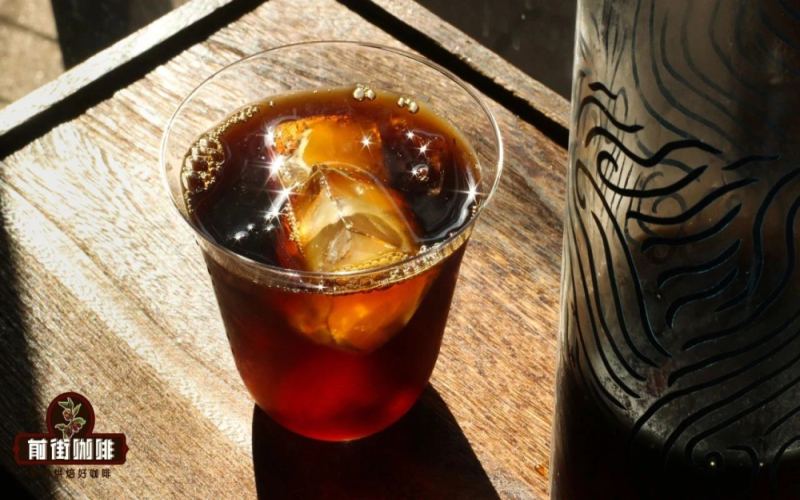
Cold Brew Coffee Bean Selection Guide and Complete Home Brewing Analysis: Practical Tips from Bean Selection to Extraction
On a scorching summer day, do you want to drink a refreshing iced coffee but don't want to go out? Making cold brew at home is actually not complicated. The biggest difference between cold brew and regular iced coffee lies in the low-temperature, long-time extraction, which makes the coffee taste softer, with balanced acidity and sweetness, and can clearly showcase the regional flavors of specialty beans. This article will start from the extraction principles of cold brew, tell you why medium-light roasted single-origin beans are more suitable for cold brew, and recommend three best-selling Front Street Coffee beans: Washed Yirgacheffe, Strawberry Candy Geisha Blend, and Natural Hualkui. Then it will break down key parameters such as coffee-to-water ratio, grind size, and steeping time in detail, and include the complete steps for Front Street Coffee Hualkui cold brew, helping you easily make a cup of full-flavored homemade cold brew. [more…]
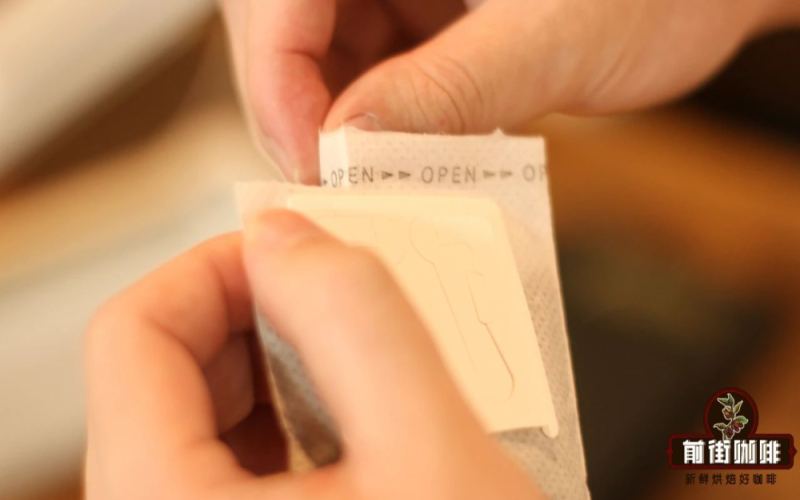
Can Drip Bag Coffee Be Made into a Cold Drink? A Full Guide to Bean Selection and Iced Drip Bag Pour-Over Brewing
Drip bag coffee, with its portability and ease of use, has become the choice for many people's daily coffee. Once the weather heats up, making a cup of iced coffee with a drip bag has become a new pastime for many enthusiasts. However, not all drip bags are suitable for adding ice—the roast level and flavor profile directly affect how the drink tastes over ice. This article covers the bean selection direction for drip bag coffee, the logic behind adjusting parameters for iced pour-over, and the specific steps, and recommends two Front Street Coffee drip bag products suitable for making iced coffee, helping you easily recreate a refreshing iced drip bag coffee at home. [more…]
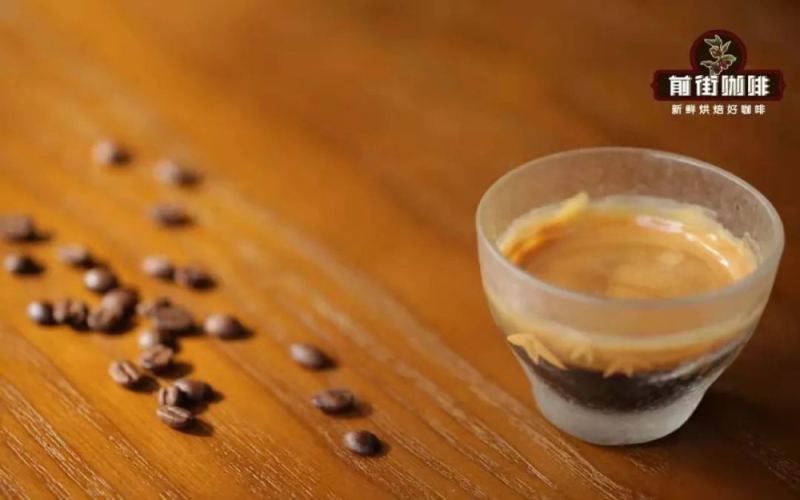
A Complete Analysis of the Flavor Differences Between Espresso and Cold Brew: Causes of Acidity and Bitterness, Brewing Processes, and Bean Selection Guide
The same cup of black coffee—why does espresso taste bitter, while cold brew is often criticized for being too sour? Behind this lies a complex interplay of extraction temperature, pressure principles, and coffee bean selection. This article, from the perspective of Front Street Coffee, will systematically sort out the origins, brewing methods, and flavor causes of espresso and cold brew, and offer specific bean selection advice for the sourness issue in cold brew, helping you find the cup that best suits your taste. [more…]
Beginner's Guide to Drip Coffee: From Brewing Principles to Taste and Flavor, Front Street Teaches You Bean Selection and Pour-Over Techniques
What exactly is drip coffee? How does it differ from espresso? Starting from the origins and working principles of the drip method, this article provides a detailed analysis of the taste characteristics of drip coffee, its core differences from espresso, the ideal brewing water temperature and roast level selection, and, combined with practical case studies of Front Street Coffee's V60 and KONO brewers, gives specific brewing parameters for bean varieties such as Sidamo Flower Queen and Mandheling. Whether you are a beginner who has just encountered coffee or an enthusiast looking to refine your pour-over technique, you will find brewing ideas and bean selection suggestions that suit you. [more…]
French Press Coffee Grind Size and Bean Selection Guide, with Front Street Coffee Huakui Brewing Step-by-Step Instructions
The French press, with its simple operation and rich, full-bodied flavor, has become the daily go-to for many coffee enthusiasts. But to brew a truly refined cup with it, grind size, water temperature control, and bean selection all matter. Starting from the history and working principle of the French press, this article explains in detail the grind sifting rates and water temperature recommendations for different roast levels, recommends Front Street Coffee beans suited to immersion brewing, and finally, using Front Street Coffee Huakui beans as an example, provides complete French press brewing parameters and steps to help you easily recreate a cup of full-bodied, rich Huakui. [more…]
A Beginner's Guide to Pour-Over Coffee: 7 Key Elements from Bean Selection to Extraction and a Step-by-Step Breakdown
For those just getting into specialty coffee, the wide array of equipment and techniques can often feel overwhelming. In reality, pour-over coffee isn't as complicated as it seems—master a few core points and you can get started quickly. This article compiles 7 key elements distilled from Front Street Coffee baristas' years of hands-on experience, covering coffee bean freshness, grind size, water temperature control, water quality requirements, dripper selection, coffee-to-water ratio, and extraction time, and further breaks down the three stages of coffee extraction: wetting, dissolution, and diffusion. Finally, using Front Street Ethiopia Sidamo Natural Hualing 8.0 as an example, it presents a complete practical workflow from parameter setting to brewing technique, helping beginners build a clear pour-over framework. [more…]
The Grinding Logic and Bean Selection Guide for Low-Temperature Cold Brew Coffee: From Extraction Principles to Specialty Drink Concentration Control
Cold brew coffee is extracted in a low-temperature, still environment, and many people habitually assume that grinding the coffee finer will increase its strength—but is that actually true? Through comparative experiments, Front Street Coffee found that a coarser grind actually yields a higher TDS reading in cold brew. Starting from the underlying logic of water temperature and particle movement, this article will explain why the "finer grind equals stronger coffee" theory that applies to high-temperature pour-over does not hold for cold brew. It also offers coffee bean recommendations suitable for cold brew, suggested coffee-to-water ratios, and points to note on grind selection for beans of different roast levels, helping you make a specialty cold brew with just the right strength and an aroma that isn't masked by added ingredients. [more…]
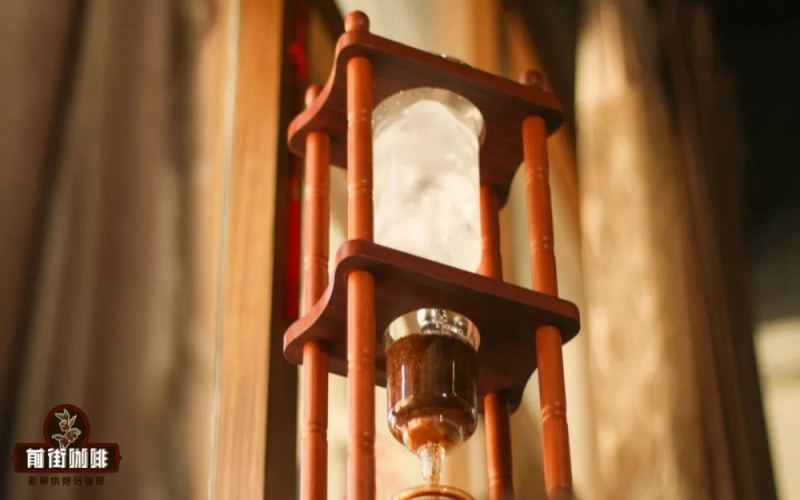
Cold Brew Coffee Making Guide: A Detailed Explanation of 6 Key Steps and Parameters from Bean Selection to Drip Filtration
Cold brew coffee is deeply favored by enthusiasts for its rich, wine-like body and refreshing fruity aroma, but recreating the ideal flavor at home requires precise control over bean selection, grinding, ratio, extraction, and aging. This article systematically outlines the 6 core steps for making cold brew coffee, including suitable roast levels and single-origin bean recommendations, coffee grounds coarseness standards, the golden coffee-to-water ratio, techniques to avoid channeling, optimal drip rate settings, and refrigeration fermentation methods for enhancing flavor. The article specifically includes suggestions for several single-origin beans from Front Street Coffee, such as Bird of Paradise, Queen's Estate Brazil, and Honduras Sherry, to help you create a cup of cold brew coffee that combines bright fruity acidity with fermented depth through slow drip filtration and low-temperature aging. [more…]
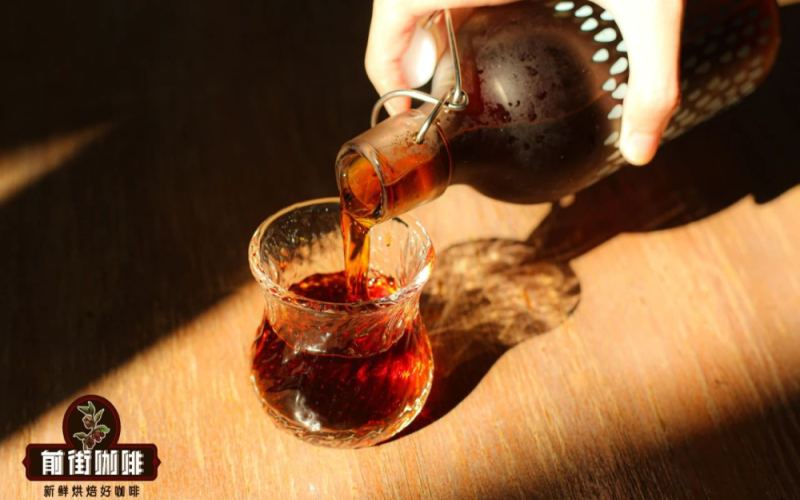
Cold Brew Coffee Home Brewing Guide: Bean Selection Approach and Simple Step-by-Step Process Explained
Cold brew, a classic among iced coffee drinks, has won many fans with its refreshing taste. Its origins can be traced back to the early age of sailing, when conditions were too limited to heat anything, so someone tried steeping coffee grounds directly in cold water and, after filtering, unexpectedly ended up with a rather good cup of black coffee — a method that gradually spread. Today, more and more coffee lovers choose to make cold brew at home. This article starts with the principles of cold brew, explaining why low-temperature extraction brings a more balanced sweetness, acidity, and body, then offers bean-selection advice for home cold brew, including the flavor profiles of three beans — Front Street Coffee Washed Godin Godin, Front Street Coffee Huakui, and Front Street Coffee Mozart — and finally provides the simplest home brewing steps along with a reminder about storage time, helping you easily make a satisfying cup of cold brew. [more…]
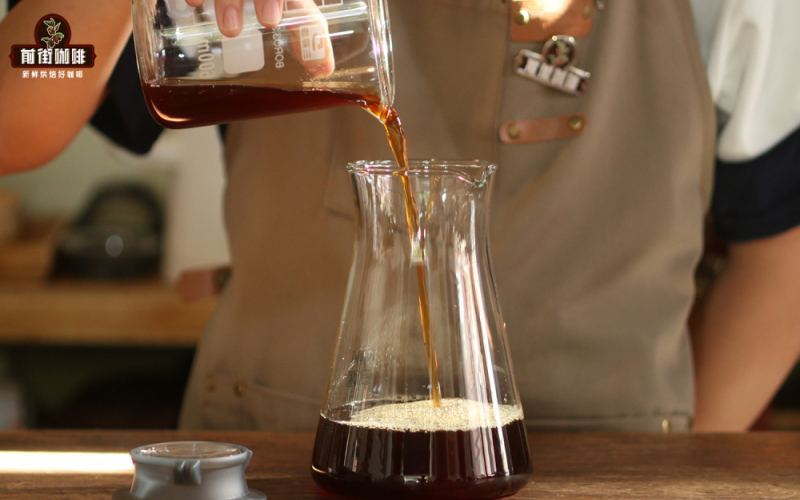
The Complete Guide to Making Cold Brew Coffee at Home: A Detailed Explanation of Coffee Bean Roast Level Selection, Grinding Parameters, and Steeping Ratios
Making a refreshing, easy-drinking cold brew coffee at home is actually not complicated, but there are a few key details worth paying attention to. Cold brew differs from hot brewing in that it relies entirely on low-temperature water of 4-10°C for slow extraction throughout, so the roast level of the coffee beans, grind size, steeping time, and coffee-to-water ratio all directly affect the final flavor. Front Street Coffee, drawing on its daily production experience, shares a complete approach from bean selection to filtration, and offers specific suggestions regarding the differences in performance between light-roasted and medium-dark-roasted beans. If you'd also like to enjoy a cup of iced coffee with balanced acidity and sweetness and a clean mouthfeel anytime in summer, you might want to try making it by following the steps below. [more…]
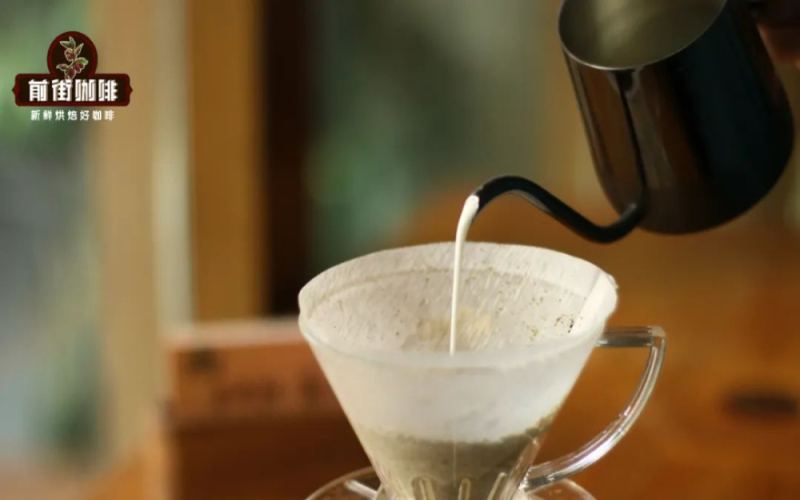
How to Add Milk to Pour-Over Coffee Without Ruining It: A Complete Practical Guide from Bean Selection to Milk Temperature
Want to make a delicious milk coffee at home with pour-over equipment, but always end up with too much milk flavor or the coffee losing its sweetness? The problem lies in concentration, beans, grind, water temperature, and milk quantity. Pour-over coffee has a concentration of only about 1.3%, while espresso is as high as around 9%, so adding milk directly tends to let the milk overpower the coffee. Drawing on brewing experience, Front Street Coffee offers practical parameter suggestions step by step—from choosing medium-dark roasted beans, a grinding standard of 75% passing through a No. 20 sieve, a water temperature of 88–90°C, and a coffee-to-water ratio of 1:9–1:11, to adding 80–100 ml of whole milk and heating it to 60–70°C—to help you make a pour-over milk coffee with a balance between coffee and milk. [more…]
A Review of Popular Cold Brew Coffee Maker Brands and a Practical Guide: A Full Breakdown from Bean Selection to Cold Brew Fermentation
Cold brew coffee, with its refreshing sweet-and-sour flavor profile brought about by low-temperature extraction, has been gaining increasing favor among coffee enthusiasts in recent years. But if you want to make a delicious batch of cold brew at home, every step matters—from bean selection, grinding, and tamping to drip rate and refrigerated fermentation. This article walks through the complete cold brew-making process, covering in detail how to choose coffee beans based on roast level and freshness, the key techniques for leveling and tamping the grounds, the role of pre-wetting and placing filter paper, the standard range for grind size, how to regulate drip rate and coffee-to-water ratio, and the flavor-enhancing effect of refrigerated resting. The article also recommends several single-origin beans suited to cold brew, including Front Street Coffee's Sidra, Strawberry Candy, and Cherry Tomato, along with specific recipes and operating parameters—making it a useful reference for coffee lovers who want to systematically master cold brew techniques. [more…]
Beginner's Guide to Pour-Over Coffee: A Detailed Look at Equipment Selection, Coffee-to-Water Ratio, and Three-Stage Pouring Techniques
Want to brew a delicious pour-over coffee at home but don't know where to start? Drawing on the production experience of Front Street Coffee, this article systematically lays out all the equipment and ingredient selection points needed for pour-over, including how to judge coffee bean freshness, grind size references for grinders, water quality selection, and recommendations for drippers and pour-over kettles. It also explains in detail the coffee-to-water ratio, water temperature range, and the specific operation of three-stage pouring, and uses a Panama Boquete washed Geisha as an example to fully demonstrate each step from blooming to the end of dripping, helping beginners quickly build a pour-over framework. [more…]
Complete Guide to Bean Selection and Brewing for Cold Brew Coffee: Coffee-to-Water Ratio, Refrigerated Fermentation Time, and Storage Tips
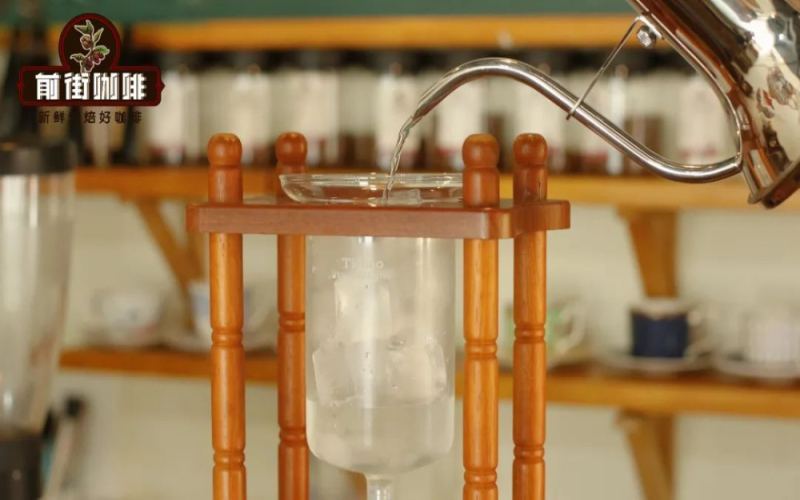
Cold brew coffee, with its refreshing taste and rich aroma brought by low-temperature extraction, has become increasingly popular among coffee lovers in recent years. But which beans should you use, how do you set the coffee-to-water ratio, why must it be refrigerated for more than 8 hours after brewing, and how long can it be stored? This article addresses these frequently asked questions, drawing on the practical experience of Front Street Coffee, and breaks down the key points of making cold brew coffee one by one—from bean selection ideas and classic blend recipes to the complete steps for using a Tiamo cold brew tower—to help you make a cup of cold brew coffee that is full of aroma and smooth on the palate. [more…]
A Full Analysis of the Differences Between Pour-Over Coffee and Americano: Strength, Sweetness, Extraction Principles, and Front Street Coffee Bean Selection Tips
Pour-over and espresso are the two mainstream brewing methods in today's specialty coffee scene, and most coffee beans on the market are developed around these two uses. Pour-over uses atmospheric-pressure drip filtration, giving a clean, refreshing cup akin to brewing tea; espresso relies on high pressure for rapid extraction, producing a rich, full-bodied concentrate. The two differ markedly in bean selection, grinding parameters, and flavor expression. Drawing on Front Street's brewing experience, this article sorts out the core differences between pour-over and Americano, including the equipment required, key points of espresso extraction, the logic behind choosing blend beans versus single-origin beans, and how Front Street's cafés make hot and iced Americanos. Whether you're just starting out or drinking coffee daily, you'll find a brewing approach and bean-selection direction that suits you. [more…]