







How Do You Prepare Coffee Powder for Iced Drip Bag Coffee?
Drip bag coffee can be served cold, but the bean choice decides whether it works. Grind the beans, seal the powder in a filter bag with two hanging ears, then brew over ice. Medium and medium-light roasts hold up over ice; dark roasts turn bitter once chilled, so they are a poor fit for this method.
For iced pour-over, brew a concentrated hot extraction and pour it directly onto ice, since melting ice dilutes strength. Floral options such as a washed Yirgacheffe show jasmine, citrus, and lemon with a green tea finish, while natural beans from Hambela bring mango, guava, and strawberry. Anyone curious what a raw coffee bean tastes like will notice how much roast level shapes the iced cup.
Drip bag coffee has become a daily choice for many people thanks to its portability and ease of use. Once the weather heats up, making iced coffee with drip bags has become a new pastime for many enthusiasts. However, not all drip bags are suitable for adding ice—the roast level and flavor profile directly affect how the drink tastes over ice. This article covers the bean selection direction for drip bag coffee, the logic behind adjusting parameters for iced pour-over, and the specific steps, and recommends two Front Street Coffee drip bag products suitable for iced coffee, helping you easily recreate a refreshing iced drip bag coffee at home.
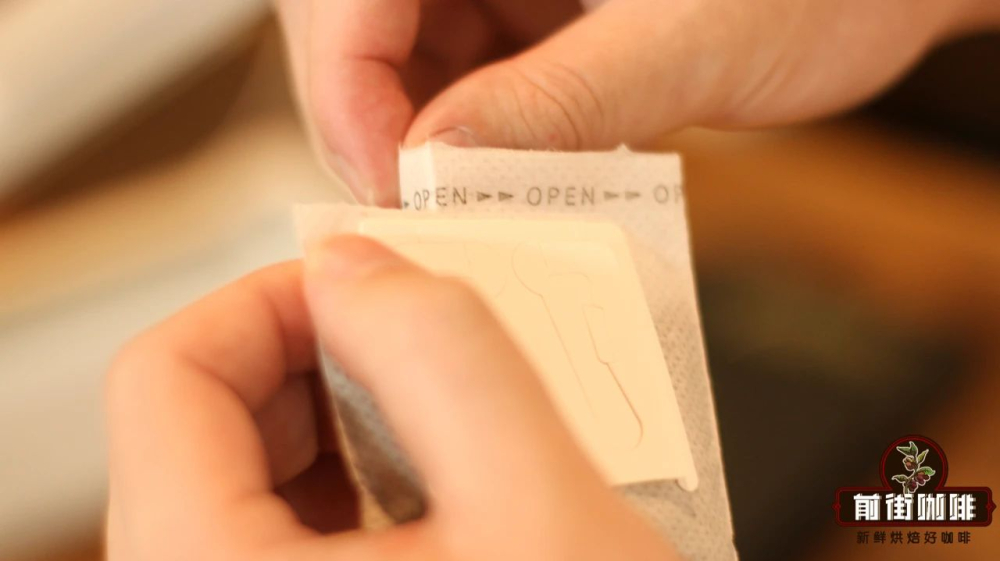
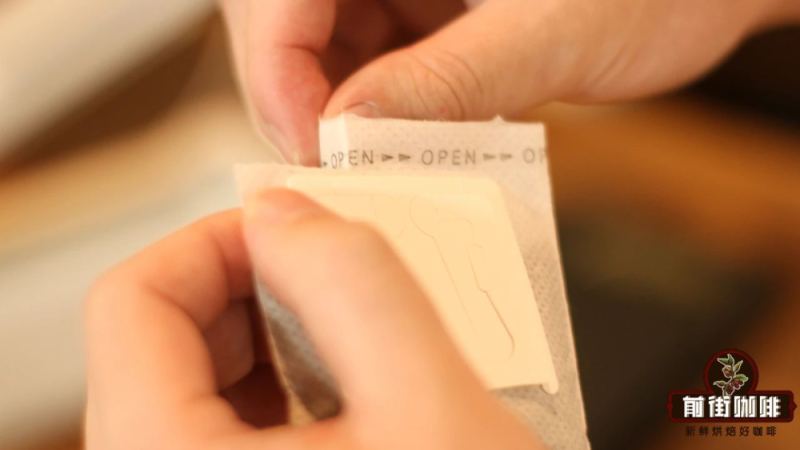
The production principle of drip bag coffee is not complicated: first grind coffee beans into powder, then pack them into a sealed filter bag with two hanging ears. As long as you have hot water and a cup, you can brew anytime, anywhere. As temperatures rise, more and more people are starting to try making iced coffee with drip bags.
Which drip bag coffees are suitable for adding ice?
Hot coffee usually draws attention to the layered changes and volatile aromas at different temperatures, while iced coffee emphasizes the refreshing sensation on entry. If the coffee beans are roasted too dark, bitterness tends to stand out in iced drinks, so when selecting beans, it is recommended to prioritize medium or medium-light roast categories.
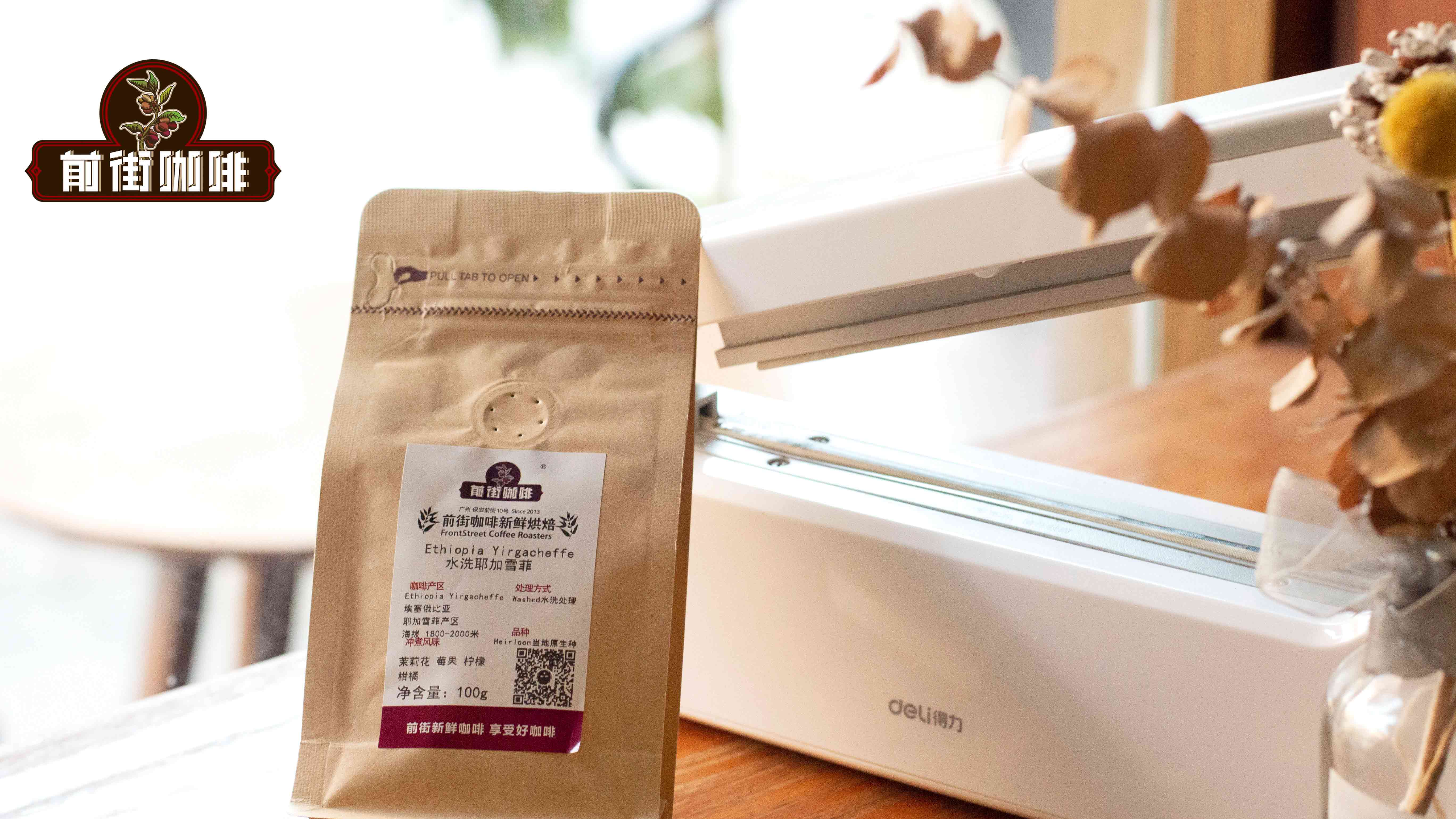
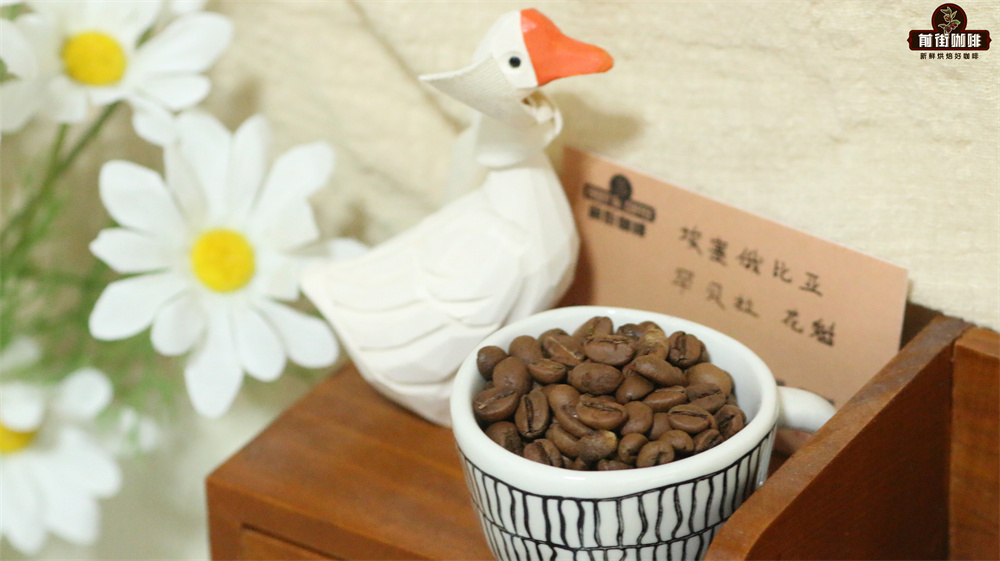
If you prefer floral notes, you can try the Front Street Coffee. Yirgacheffe seasonal drip bag. This product uses the washed processing method, and when made into iced coffee it presents flavors of jasmine, citrus, and lemon, with an overall light body, low bitterness, and a finish that carries a hint of green tea sweetness;
If you like fruity notes, the Front Street Coffee. Huakui selection drip bag coffee is worth trying. This bean comes from the Hambela region and is a high-quality natural bean, with prominent tropical fruit aromas reminiscent of mango, guava, and strawberry. It has a fresh, sweet-and-tart entry and is very friendly to those who are not used to bitter coffee.
How do you use drip bags to make iced pour-over coffee?
Iced pour-over is essentially an extension of the framework of hot pour-over. A common method is to directly add ice cubes on top of a hot pour-over, quickly obtaining a cup of iced coffee. But melting ice will dilute the coffee's strength, so brewing parameters need to be adjusted to offset this dilution effect.
Drip bag coffee is not very different from traditional pour-over in terms of production approach, so the iced pour-over model can also be applied to making iced drip bag coffee.
Reducing water volume and grinding finer are the parameter adjustment directions Front Street Coffee commonly uses when making iced pour-over. Reducing water volume is to increase coffee strength and compensate for the dilution caused by melting ice; grinding finer is to address the drop in extraction efficiency after reducing water volume, allowing the coffee to maintain high strength while also achieving sufficient extraction.
Reducing the amount of water used to brew a drip bag is doable, but drip bag coffee uses pre-ground coffee powder, and we cannot change its grind size. Therefore, what needs to be adjusted during brewing becomes the water temperature.
Increasing water temperature can speed up the dissolution rate of hot water; the higher the water temperature, the faster the flavor substances in the coffee are released. Below, Front Street Coffee will demonstrate how to make iced pour-over coffee with a drip bag.
A single Front Street Coffee drip bag contains 10g of powder, and the extraction parameters are as follows: water temperature 93°C (90°C is recommended for dark-roasted beans), powder-to-water-to-ice ratio 1:10:6, which converts to 10g of coffee powder with 100ml of hot water and 60g of ice.
Step 1: Prepare a taller cup (a shorter cup with a larger capacity also works), and first put the ice cubes into the cup.
Step 2: Hang the drip bag on the rim of the cup.
Step 3: Once the water temperature is reached, begin brewing. First do the bloom, using 20ml of hot water to bloom for 25–30 seconds.
Step 4: After the bloom ends, divide the remaining 80ml of hot water into four pours of 20ml each, pouring in a circular motion with a small stream. Be careful to wait until the previous pour of hot water has completely drained before pouring the next one.
Step 5: After the final pour of hot water has fully penetrated, remove the drip bag and end the extraction.
Step 6: Stir the coffee with any tool to make the strength and temperature uniform. After stirring, it is ready to drink.
The above content is compiled by CoffeeHunters, a coffee news website.


