







What causes bitter cold brew coffee?
Bitterness in cold brew almost always comes from over-extraction or from the beans themselves. Dark roasts that taste mellow when hot can turn burnt and carbonized after cold steeping, and too fine a grind, too much coffee for the water, or too long a steep pulls harsh compounds out along with the sugars.
Cold water at 4 to 10 degrees Celsius extracts slowly, so sugars and organic acids dissolve gradually while bitter large molecules stay largely locked in the grounds. Light to medium roasts suit cold brew better: a washed Yirgacheffe brings floral notes, and a Kenya lot brings berry-like sweetness and acidity, both staying clean over a long steep.
Cold brew coffee, through its low-temperature slow extraction process, presents flavor characteristics completely different from hot brewing, but many people encounter bitterness problems when making it at home. This article systematically analyzes the root causes of bitter cold brew from four dimensions: coffee bean selection, coffee-to-water ratio, grind size, and steeping time, and provides specific bean selection suggestions and parameter references for the Front Street brand. Whether you pursue a refreshing floral-fruity profile or prefer a balanced, full-bodied "coffee taste," you can find a cold brew solution that suits you, and easily make a cup of iced coffee that is neither bitter nor astringent.
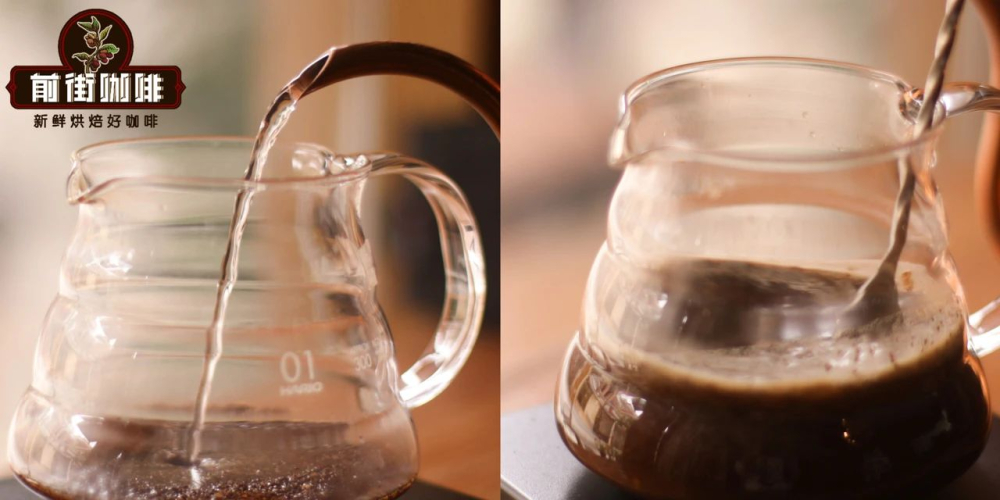
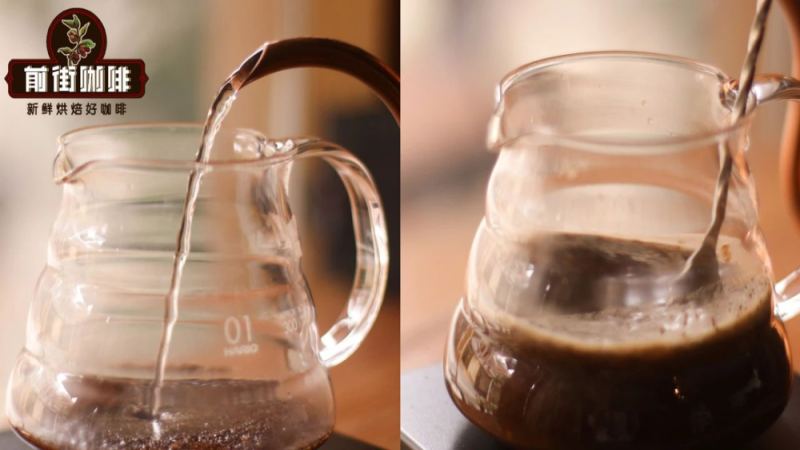
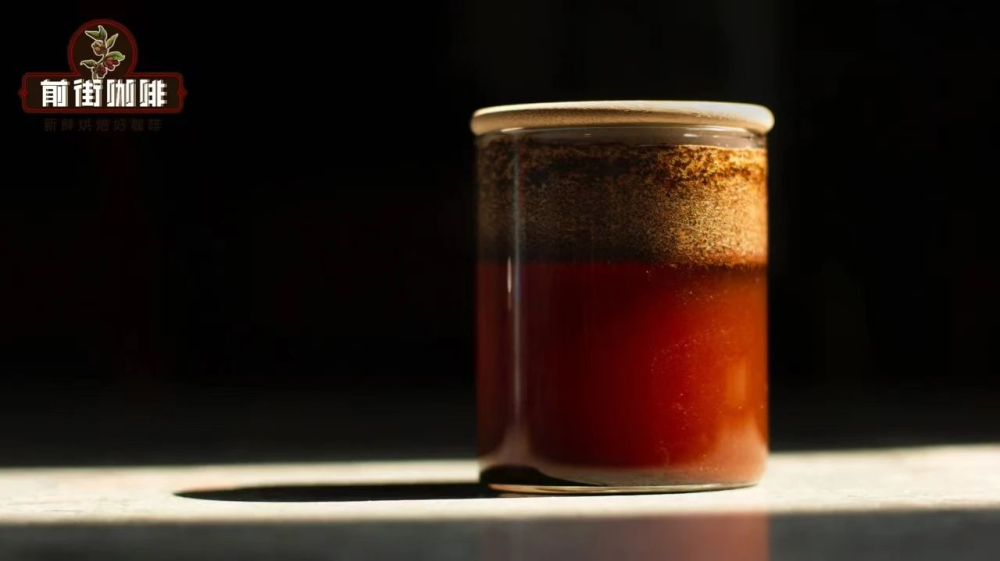
When it comes to cold brew, many people's first reaction is cold steeping—mixing cold water and coffee grounds in a ratio, letting it sit for several hours, then filtering out the residue; the resulting iced coffee liquid is the most basic form of cold brew. Although this method is simple, it can produce completely different styles: it can be clear and light, or heavy and intense, and can even exhibit rich fruity notes or intoxicating fermented aromas.
The entire extraction process relies solely on cold water at 4 to 10°C, which is far less efficient than brewing with hot water, so bitter large molecules are difficult to release. At the same time, long low-temperature steeping allows components such as sugars and organic acids to dissolve more fully, ultimately achieving a more coordinated balance among acidity, sweetness, and body.
Bitter cold brew may be a coffee bean problem
Nowadays, coffee beans with different processing methods and roast levels emerge endlessly on the market; basically any single-origin bean labeled for pour-over use can be used to make cold brew. Dark-roasted beans can display rich aromas when brewed with hot water, with a mellow bitter taste on entry and a sweet aftertaste; but once switched to cold brew, what you taste after icing is more of a burnt bitterness and carbonized flavor, and the delicate layers of hot coffee almost completely disappear.
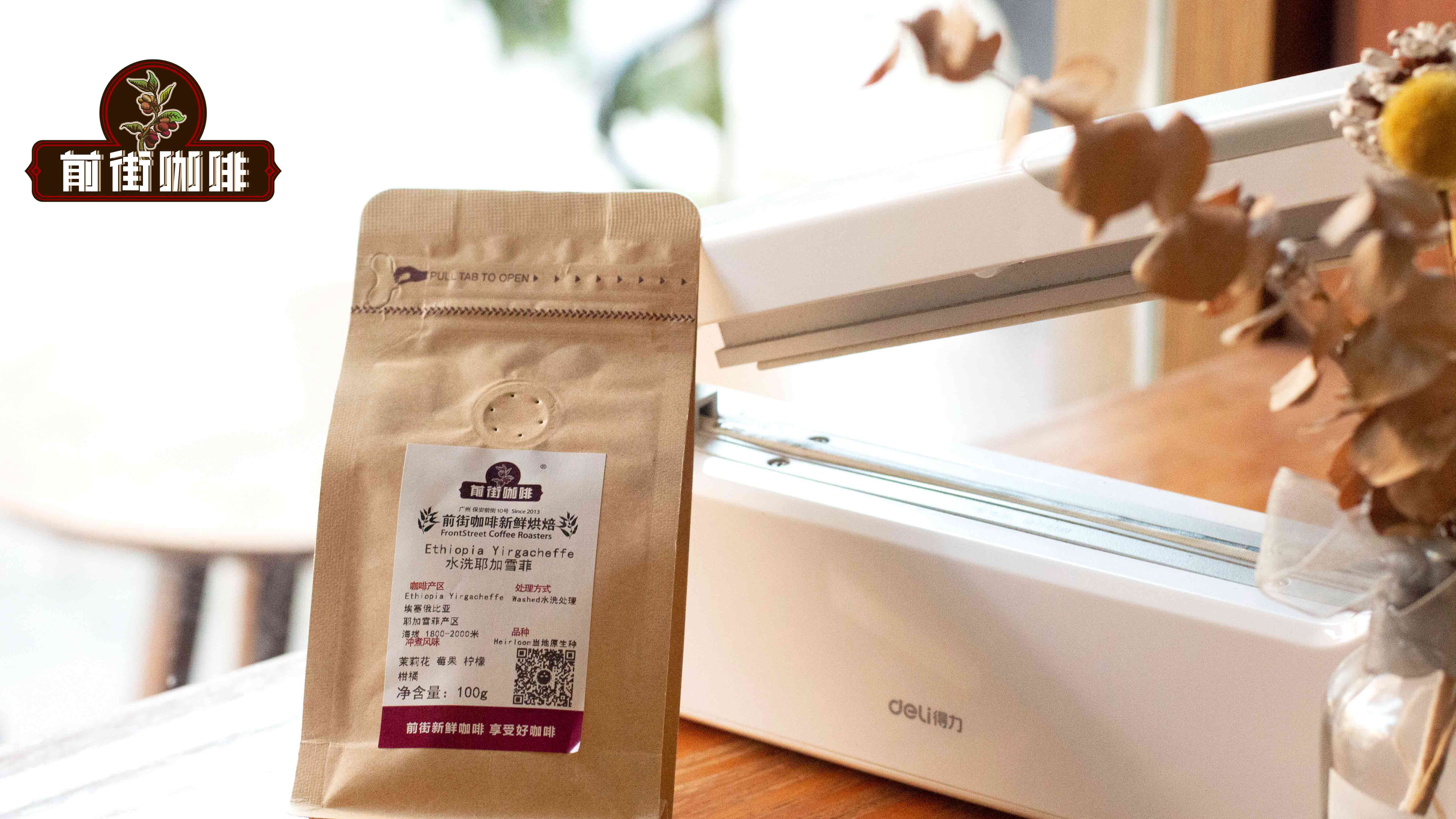
So light to medium roasts are more worth recommending. If you prefer a refreshing style, you can choose the floral-forward Front Street washed Yirgacheffe, or the berry-sweet-and-sour Front Street Kenya Little Tomato;
if you want a more distinct fruity flavor, anaerobic-process Front Street Colombia Sidra and honey-process Front Street Strawberry Candy are both good choices.
If you don't like coffee with acidity and only want a balanced "coffee essence," Front Street Papua Bird of Paradise is worth a try.
The coffee-to-water ratio cannot be careless
Front Street has noticed that some friends, to save trouble, directly dump coffee grounds and water into a pitcher and start steeping. But whenever extraction is involved, the coffee-to-water ratio is a core parameter that cannot be avoided. Without weighing, the brewed coffee is like drawing a blind box, and the taste is completely unpredictable. To ensure stable output, Front Street recommends controlling the cold brew coffee-to-water ratio between 1:10 and 1:13. If the ratio is too large, the coffee will be bland and tasteless; if the concentration is too high, it can be diluted and adjusted by adding ice cubes.
Grind size and steeping time need to be adjusted in coordination
The cold brew temperature is fixed, so the strength of the coffee flavor mainly depends on the mutual coordination of grind coarseness and steeping duration.
We generally believe that the finer the grind, the faster and greater the flavor extraction; the coarser the grind, the slower the release of substances. But in still cold water, fine particles tend to stick to each other and clump into larger masses, making it difficult for the liquid to penetrate, resulting in coffee that is both bitter and gritty.
Based on past experience, Front Street summarizes: making cold brew with a grind size between 70% and 85% passing through the Chinese No. 20 standard sieve, similar to fine granulated sugar, gives the most suitable concentration and is less likely to produce negative flavors.
Front Street generally recommends steeping cold brew for 8 to 24 hours, with the specific duration flexibly adjusted according to grind coarseness. The principle is simple: if the grind is fine, steep for a shorter time; if the grind is coarse, it needs longer. Bitterness is often caused by using a fine grind without correspondingly shortening the refrigeration time, causing the coffee to take on miscellaneous bitter flavors like wood shavings or dry grass.
Cold brew can be considered a representative of "lazy person's coffee." Front Street suggests making it the night before with a coarse grind and a long steeping time. In this way, even if you forget during the busy daytime the next day, taking it out at night will not over-extract. After filtering, put it in the refrigerator to mature for one night, and the flavor will be even clearer.
The above content is compiled by CoffeeHunters, a coffee news website.


