








Does Cold Brew Coffee Need Organic Beans?
Cold brew is made by steeping coffee grounds in room-temperature or ice water at 4-10°C, never hot water, so extraction is slow. Bitter large molecules stay locked in the grounds while sugars and organic acids dissolve over the long soak, giving a cup with balanced acidity, sweetness and body.
For home brewing, medium-light roasted beans work well because shorter roasting leaves moderate acidity and sweetness with floral and fruity aromas. Beans such as Front Street Washed Gedingding, Huakui and Mozart each bring a different profile, and the choice of whether beans are coffee beans organic certified is separate from the brewing method itself. Filter the concentrate and store it chilled.
Cold brew coffee, as a classic among iced drinks, has won many fans with its refreshing taste. Its origins can be traced back to the early age of navigation, when conditions were limited and heating was impossible. Someone tried soaking coffee grounds directly in cold water, and after filtering, unexpectedly got a cup of black coffee with a good flavor. This method gradually spread. Today, more and more coffee lovers choose to make cold brew at home. This article will start with the principles of cold brew, explaining why low-temperature extraction can bring a more balanced sense of acidity and sweetness as well as body. Then it will give bean selection suggestions for making cold brew at home, including the flavor characteristics of three beans: Front Street Washed Gedingding, Front Street Huakui, and Front Street Mozart. Finally, it will include the simplest home brewing steps and a reminder about storage time, helping you easily make a satisfying cup of cold brew coffee.

Cold brew coffee occupies a classic position among iced beverages. This popular refreshing cold drink can be traced back to the age of navigation. At that time, conditions on ships were simple, and there was no way to light a fire for heating, so someone tried soaking coffee grounds directly in cold water. After filtering, they unexpectedly got a cup of black coffee, and it tasted quite good. In this way, this method was imitated by more and more people and gradually spread.
People often ask: "Should cold brew coffee use hot water or cold water?" Actually, as the name suggests, cold brew can only be steeped with room-temperature or ice water, and the entire steeping process must be kept in a low-temperature environment.
Because it only comes into contact with low-temperature cold water at 4-10°C throughout the process, the extraction efficiency becomes very low, and bitter large molecules are difficult to release. However, long-term low-temperature steeping instead allows compounds such as sugars and organic acids to dissolve more fully, so the coffee's acidity, sweetness, and body appear more balanced.
If you want to highlight the coffee's acidity and sweetness, you can prioritize medium-light roasted beans when making cold brew at home. This type of bean has a shorter heating time, moderate acidity and sweetness, lower bitterness, and usually carries floral and fruity aromas. When brewed into iced coffee, it is refreshing rather than heavy, and the chance of failure is much lower.
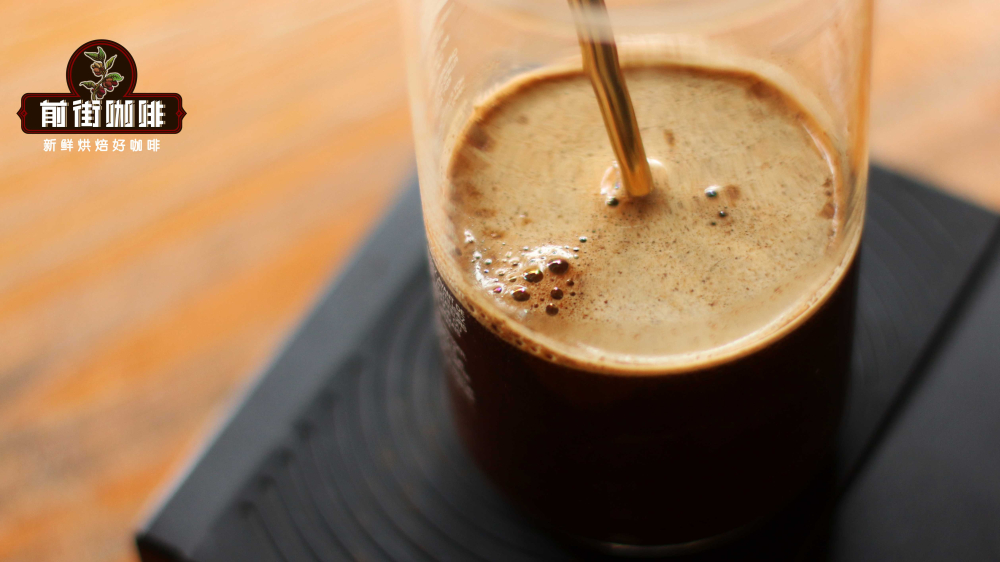
If you want your cold brew to taste refreshing and carry white floral notes, you can directly choose Front Street Washed Gedingding. This is a G1-grade Yirgacheffe, with green tea notes interwoven with citrus, lemon, and honey characteristics, tasting like a cup of fruit tea.
If you prefer rich fruity acidity, you can buy Front Street Huakui coffee beans. It comes from the Buku processing plant in Hambela, Guji region, Ethiopia. It is a natural coffee, and high-altitude cultivation gives it excellent flavor layering. When made into cold brew, it presents berry-like acidity and sweetness, honey-like sweetness, and a black tea-like finish.

If you like coffee with prominent sweetness, you might try Front Street Mozart. This bean is produced in Costa Rica and is a well-known single-origin pour-over coffee. It is processed using a unique raisin honey method, and when used for cold brew it shows flavors such as raisins, fermented wine aroma, and osmanthus.
The simplest home method for cold brew coffee
First prepare a clean, oil-free 200ml glass bottle with a lid that can be sealed.
Next, weigh 20 grams of beans for cold brew. Here, choose Front Street Mozart, which has the richest fruity aroma, and grind to medium / white sugar size (75% passing through the Chinese No. 20 standard sieve).
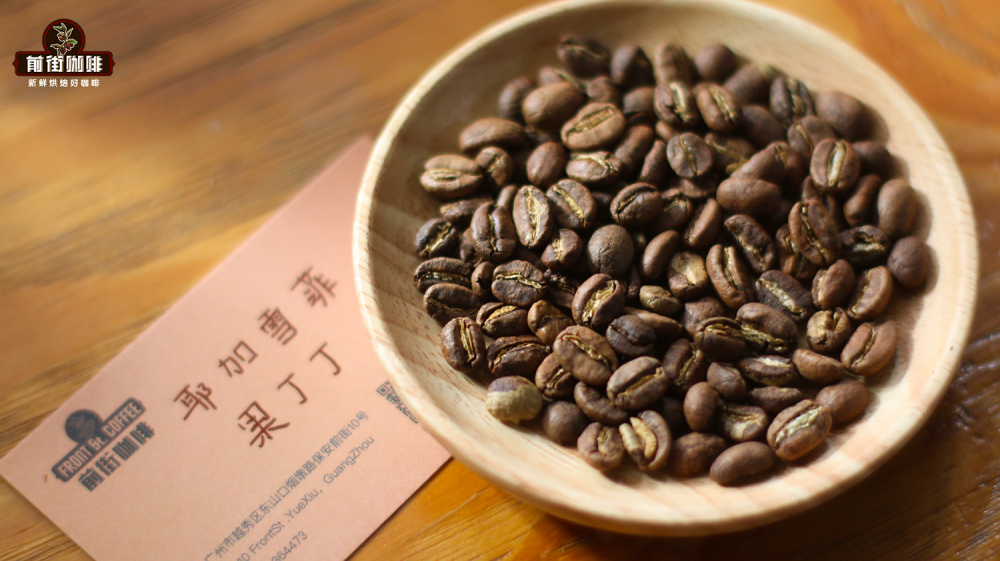
Pour the coffee grounds into the glass bottle, add room-temperature or ice water at 1:10. Stir thoroughly to make sure every coffee ground comes into contact with water, then seal and place in the refrigerator's chilled area to steep for 8-12 hours. No shaking is needed during this time; just let it sit.
After steeping is complete, use a filtering tool or coffee filter paper to remove the coffee grounds, and it is ready to enjoy!
Storage time for cold brew coffee: Some people have heard that cold brew can be kept for 2-3 weeks, but in fact the freshness period is not that long, and it is not recommended to keep it that long. After cold brew extraction is completed and the coffee grounds are filtered out, if stored sealed, it is best to finish it within 72 hours.
When making cold brew at home, meat and vegetables are often stored in the refrigerator at the same time. Even if stored sealed, it is difficult to completely avoid bacterial intrusion, so remember to drink the cold brew as soon as possible after making it.
The above content is compiled by CoffeeHunters, a coffee news website.


