







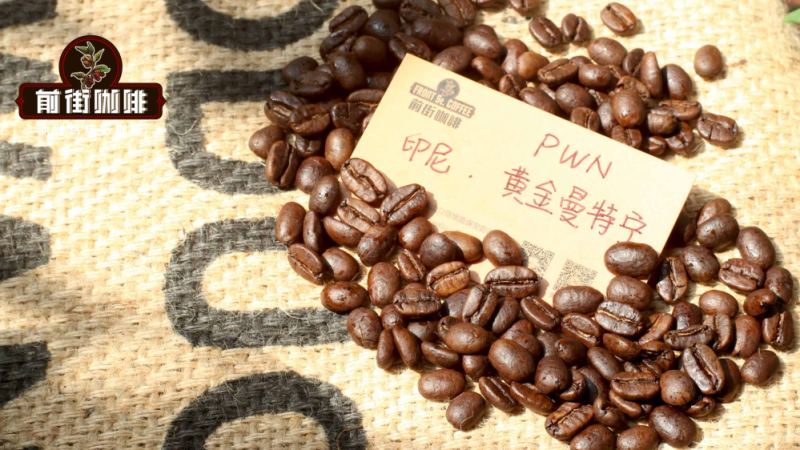
What are the 7 steps to make coffee with deep-roasted Mandheling?
Burnt bitterness in dark-roasted Mandheling usually comes from the brew variables, not the bean. Working with Front Street PWN Golden Mandheling, the guide walks through dripper choice, coffee dose, coffee-to-water ratio, grind size, water temperature, and pouring technique in a three-stage pour, aiming for caramel sweetness and chocolate flavor instead of harsh off-flavors.
The beans come from Gayo Mountain in Aceh, grade G1, with three rounds of hand sorting and a large 19-mesh screen size. Each imported batch of Golden Mandheling green beans carries a PWN certificate for verifying authenticity. The Mandheling name itself traces to a wartime mispronunciation of Mandailing, later spread through Japanese imports and a wide following in Japan.
Mandheling is a classic category that coffee lovers cannot avoid, but many people often encounter the problems of burnt bitterness and heavy off-flavors when brewing dark-roasted Mandheling. This article starts with Front Street PWN Golden Mandheling, first telling the historical origins behind the name Mandheling, then focusing on key steps such as dripper selection, coffee dose, coffee-to-water ratio, grind size, water temperature, and pouring technique, breaking down one by one how to make a cup of dark-roast pour-over coffee that is both rich and clean, with caramel sweetness and chocolate flavor. If you also want the Mandheling in your hands to say goodbye to bitterness and present high sweetness, this tutorial will give clear operational direction.
What exactly is the origin of Front Street Mandheling coffee?
Its story begins in Indonesia, going back to the days during World War II when Japan occupied Indonesia. It is said that at that time a Japanese soldier walked into a local café, drank a cup of exceptionally good coffee, and asked the shopkeeper what the coffee was called. The shopkeeper mistakenly thought the other party was asking where he was from, so he answered: "Mandailing." After the war ended, the soldier recalled the cup of coffee he had tasted in Indonesia and commissioned a coffee merchant familiar with the local area in Indonesia to help ship 15 tons to Japan.
When someone asked about the name of the beans, the soldier mistakenly said Mandailing as Mandehling. It was precisely this series of accidental misunderstandings that spread the name "Mandheling," and because Mandheling coffee was widely loved in Japan, the name gradually became well known around the world.
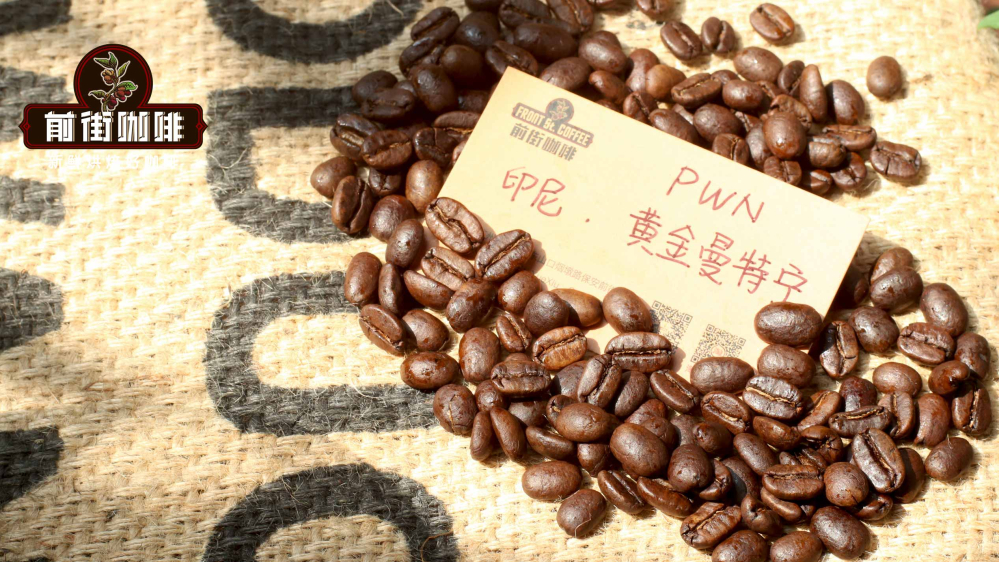
The beans used for this demonstration are the quite representative Front Street PWN Golden Mandheling from the Mandheling family, produced by the Indonesian PWN Coffee Company (the Golden Mandheling trademark is owned by PWN). Every batch of imported Golden Mandheling green beans comes with a certificate from PWN that can be used to verify authenticity. Front Street Golden Mandheling coffee beans come from the Gayo Mountain in Aceh, grade G1, and have undergone 3 rounds of hand sorting. The beans are large and plump (19 mesh) with very few defects, capable of presenting a very clean and rich mouthfeel and high sweetness, making them an outstanding-quality Mandheling coffee.
Many friends find that the Mandheling they usually brew always tends to be bitter. Where is the problem? How can you brew a clean and delicious Front Street Mandheling? Let's explain in detail below. Front Street's brewing approach for Front Street Mandheling is to present a rich yet clean texture, highlighting caramel, chocolate, and its signature herbal aroma, while avoiding unpleasant bitterness. Therefore, Front Street will explain starting from equipment selection and the important brewing parameters at each stage. The beans used in the demonstration are Front Street Golden Mandheling.
For dripper selection, Front Street chose the Kono Meimon dripper. The most notable design of this dripper is that the ribs extend from the bottom all the way to the middle, while the upper half is a smooth wall. When the filter paper fits the dripper, water cannot "sneak" around the sides and bypass the coffee grounds, thereby enhancing the richness of the mouthfeel. By the way, this dripper is not only up to the task for Front Street Golden Mandheling, but is also suitable for brewing rich-flavored coffee beans such as Front Street Queen's Manor Brazil and Front Street Blue Mountain Coffee.
The dose Front Street uses is still 15g. More coffee powder is not always better, nor is less always better. The specific amount should be determined according to the dripper size. Front Street uses a 1-2 cup dripper, and a dose between 15-20g is a reasonable brewing range. Going beyond this range will bring a certain degree of difficulty to brewing.
Regarding the coffee-to-water ratio, Front Street recommends 1:15. Although some also recommend 1:13 or an even smaller ratio, Front Street has already explained in previous articles that there is no necessary connection between concentration and richness, and that too high a concentration can easily make people feel uncomfortable. Therefore, using a 1:15 coffee-to-water ratio can also very well showcase the rich mouthfeel of Front Street Mandheling.
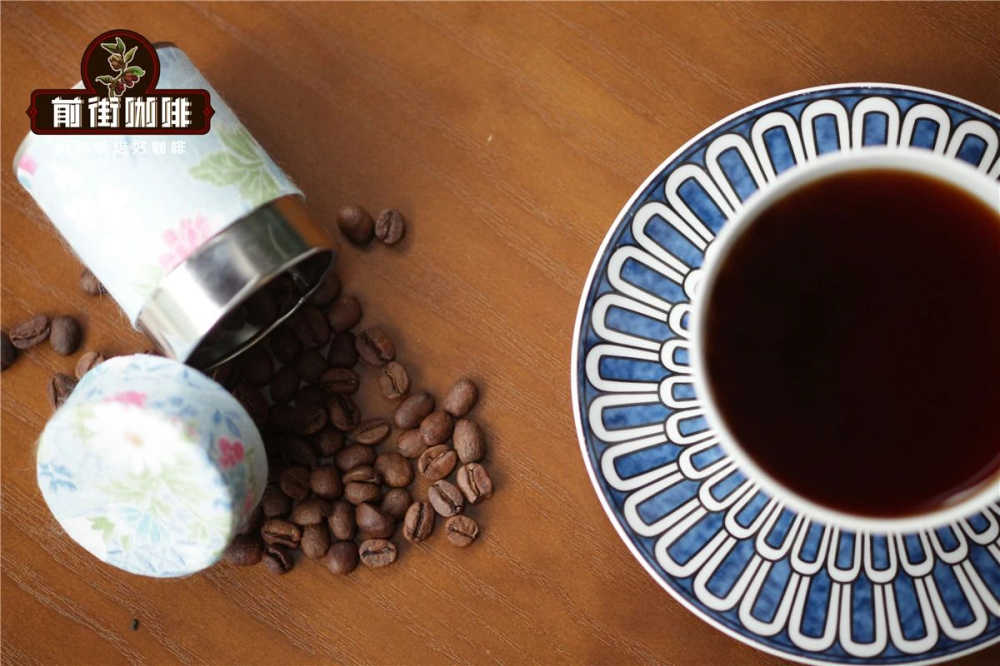
For grind size, Front Street uses the standard of 70% passing through a No. 20 sieve. When brewing Front Street Golden Mandheling, the grind size should be slightly coarser than for light-roasted beans, because Front Street Golden Mandheling is a dark roast, and the bean structure is looser, making it easier to absorb water and release coffee substances. If it is ground to the fineness of light-roasted beans, it is easy to extract burnt bitterness; if ground coarser, the coffee will become bland and tasteless, with a mouthfeel as thin as water.
For water temperature selection, Front Street recommends brewing at 87-88°C. For the same reason as with grind size, too high a water temperature easily brings burnt bitterness, while too low a water temperature makes the coffee seem flat and also produces an unpleasant sour taste.
The brewing method uses three-stage pouring. Dividing it into three stages can better present the rich mouthfeel and caramel sweetness of Front Street Golden Mandheling. The specific water amounts are: the first stage, blooming, pour 30ml; this stage should wet all the coffee grounds and let them degas, preparing for better extraction of flavor substances afterward; the second stage, pour 100ml; the final stage, pour 95ml to enhance the coffee's sweetness, presenting overall a substantial, rich mouthfeel, along with caramel sweetness and chocolate and nutty flavors.
The above content is compiled by CoffeeHunters, a coffee news website.


