







Which Beans and Ratio Work for Cold Brew Coffee?
Cold brew uses low-temperature extraction, so flavor compounds stay in the liquid and release once the coffee warms in the mouth. Pick beans with clear flavor layers, such as Yirgacheffe Gutingding for a clean citrus acidity, or blend two beans for more depth. Steep the grounds, then refrigerate the concentrate for more than eight hours.
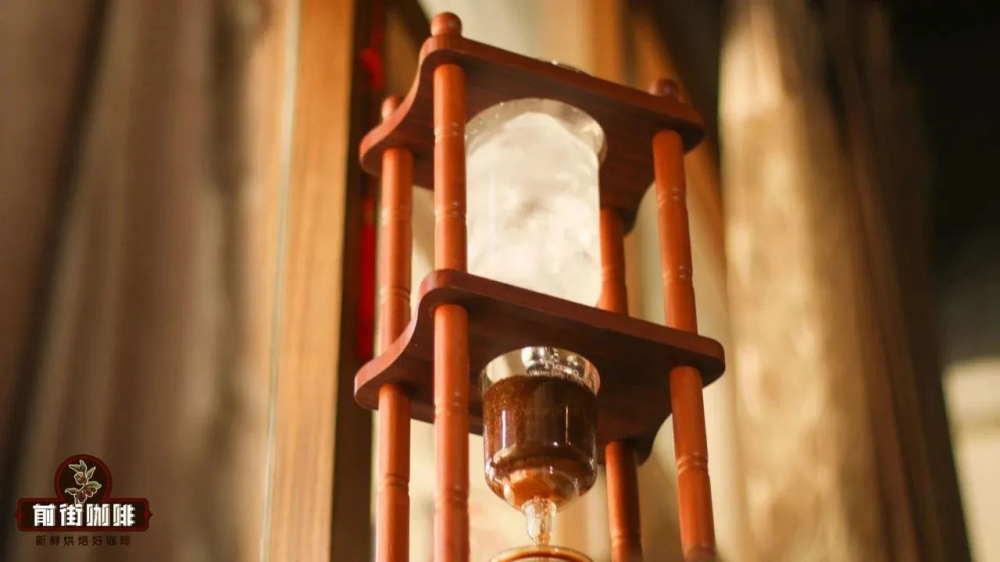
A Tiamo cold drip brewer sets the pace: the coffee-to-water ratio, drip speed, and total time determine strength, and the finished concentrate keeps for several days refrigerated. Questions about where is costa coffee from and the origin of costa coffee come up often among readers, though cold brew works with beans from many origins as long as the roast suits low-temperature extraction.
Cold brew coffee, with its refreshing taste and rich aroma brought by low-temperature extraction, has become increasingly popular among coffee lovers in recent years. But which beans should you use for dripping, how do you set the coffee-to-water ratio, why must it be refrigerated for more than 8 hours after dripping, and how long can it be stored? This article addresses these frequently asked questions, combining the practical experience of Front Street Coffee, from bean selection ideas and classic blend recipes to the complete steps for using a Tiamo cold drip brewer, breaking down the key points of making cold brew coffee one by one to help you craft a cup of cold brew with full aroma and a smooth entry.
For more specialty coffee knowledge, please follow our WeChat official account: Front Street Coffee
The weather in Guangdong is always unpredictable, often going from cold enough the day before to need a thick coat to hot enough the next day to only want to wear short sleeves. Because the temperature fluctuates so much, Front Street Coffee prepares a pot of cold brew coffee every day, rain or shine, for everyone to cool off and quench their thirst. Many customers, after tasting it, are curious: which coffee beans do you use for cold brew? How exactly do you make cold brew? How long can it be stored? How do you set the coffee-to-water ratio? Below, Front Street will explain each one for you.
|What coffee beans are used for cold brew coffee?
The extraction method for cold brew is close to zero-degree ice water. In a low-temperature environment, the volatilization of coffee flavor compounds is greatly suppressed, allowing the aroma to be retained in the coffee liquid as much as possible. When the coffee liquid enters the mouth and the temperature gradually rises, the originally locked-in aroma is instantly released, creating a strong flavor impact at the base of the tongue. This burst of aroma often brings particular pleasure. Since cold brew coffee has a refreshing taste while also presenting the rich aroma of the coffee beans themselves, Front Street Coffee usually selects beans with more prominent flavor layers to make it.
For example, cold brew made from Yirgacheffe Gutingding displays a clean and bright citrus acidity, but the acidity is not sharp, and the overall taste is very refreshing. Sometimes Front Street also blends two beans together for dripping, so the flavors complement each other. For instance, Costa Rica Baja provides abundant fruity acidity, while Honduras Sherry contributes a rich whiskey aroma. If you want the whiskey aroma to be more prominent, you can use a ratio of 60% Sherry and 40% Baja. Of course, this is just a reference; the specific ratio can be adjusted entirely according to personal taste.
|What is the coffee-to-water ratio for cold brew coffee?
Front Street Coffee uses a cold brew coffee-to-water ratio of 1:10. The coffee dripped this way is quite concentrated and needs to be diluted with ice cubes before drinking; if you like, you can also add milk. If making cold brew at home, you can switch to a 1:13 coffee-to-water ratio, which gives a more palatable concentration.
|Why must cold brew coffee be left still in the refrigerator for more than 8 hours after dripping before drinking?
The coffee liquid just after low-temperature extraction has not yet fully released its flavor molecules and needs to rest in the refrigerator for more than 8 hours to let these flavor molecules slowly "awaken." Rather than calling this step fermentation, it is more like an oxidation process. This is somewhat similar to freshly roasted coffee beans—about 2% of the weight of coffee beans after roasting is carbon dioxide, and this gas is continuously released depending on the storage environment, equipment, and method, making the pressure inside the packaging higher than one atmosphere. It is precisely this pressure that helps aromatic substances merge with oils, bringing the aromatic substances inside the beans to a state where they are easily extracted.
|How long can cold brew coffee be stored?
No matter how clean the container used to store the coffee is, Front Street recommends storing it for a maximum of 72 hours from the moment extraction is completed and it is poured into the container. There are still many bacteria in the refrigerator, and low temperature can only slow down their reproduction rate. Cold brew coffee stored for more than 72 hours usually begins to develop a smell similar to a dishcloth, making it hard to drink.
|How do you make cold brew coffee?
1. Front Street uses a Tiamo cold drip brewer, with a coffee-to-water ratio of 1:10, which means extracting 600 milliliters of coffee liquid from 60 grams of coffee grounds.
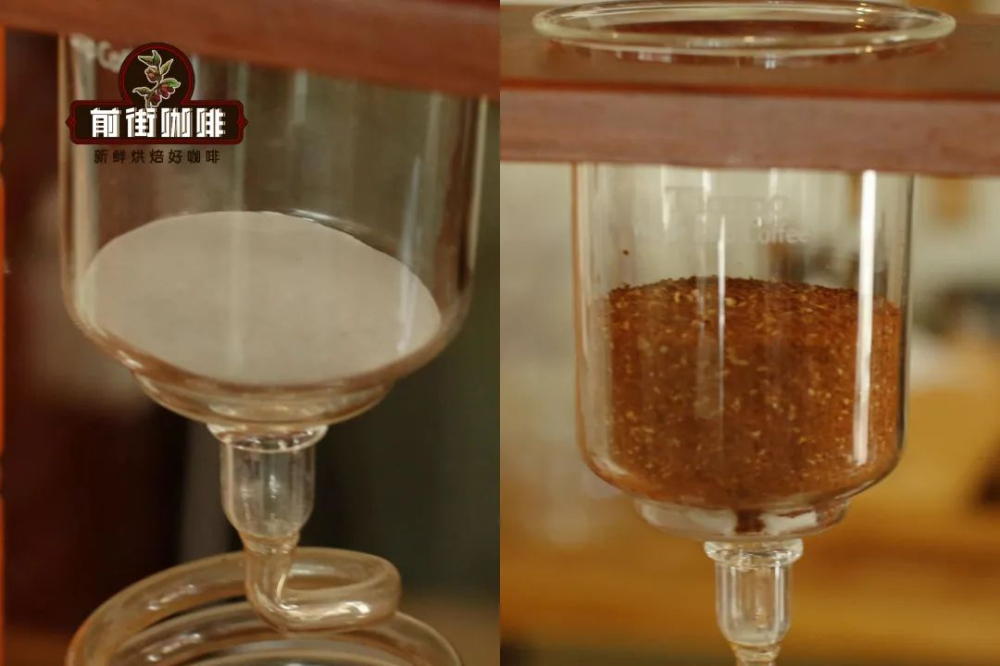
2. Place a round filter paper at the bottom of the powder cup, wet it with water so it sticks to the wall of the cup, pour in 60 grams of ground coffee (Front Street Coffee uses a Chinese standard No. 20 sieve, with a passing rate of 58%; the grind size should be slightly coarser than pour-over), then shake the surface of the coffee bed flat. You can also gently press with the tamper's own weight to make the surface more even.
3. Place another piece of filter paper on top of the coffee bed. The tension of the filter paper allows water to distribute evenly across the surface of the coffee bed for extraction. Without the filter paper, long-term dripping will create a pit in the coffee bed.
4. Use ice water for "pre-infusion" to evenly moisten the entire layer of coffee grounds. This step is equivalent to the blooming stage in pour-over coffee and helps improve extraction and consistency of the final product.
5. Put a 1:1 mixture of ice and water in the water container, and adjust the valve to a speed of about 7 drops per 10 seconds. At this flow rate, the cold brew coffee will usually finish dripping in about 5 hours.
6. After making it, pour the coffee liquid into a sealed glass bottle, then put it in the refrigerator to rest for more than 8 hours to allow the flavor molecules to fully release, making the taste smoother and easier to drink.
The above content is compiled by CoffeeHunters, a coffee news website.


