







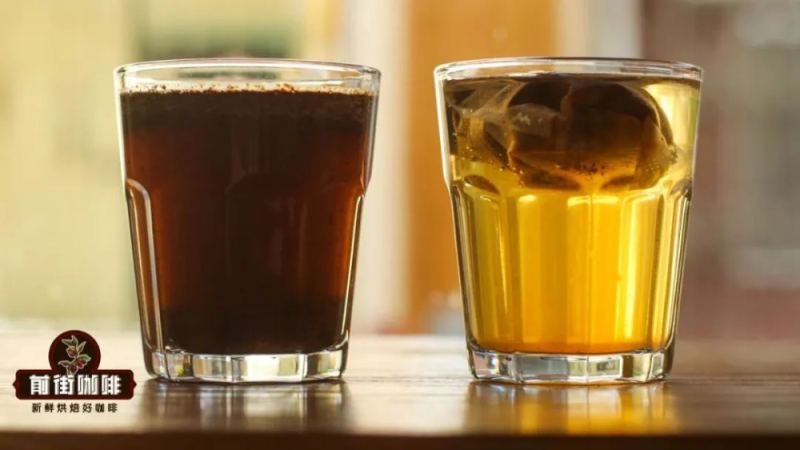
How Do You Drink Cold Brew Coffee Properly?
Cold brew coffee is made by soaking ground coffee in cold water for more than eight hours, then filtering out the grounds. Unlike ice drip or affogato, this method needs no special equipment, just fresh beans and correct parameters. Medium-light roasts work well because they keep the floral and fruity acidity that makes the drink taste clean over ice.
Grind size, coffee-to-water ratio, extraction temperature, and time are the settings that decide the result. Washed Panama beans with Geisha components bring citrus, floral, and oolong tea notes, while natural Ethiopian Yirgacheffe adds berry, honey, and layered sweetness. Costa Rican Musician Series lots offer a distinctive profile that holds up in cold water.
On a hot summer day, a glass of icy, clean cold brew coffee is undoubtedly a great way to beat the heat. Unlike iced coffee drinks such as ice drip or affogato, cold brew is made by soaking coffee grounds in cold water for an extended period and then filtering. It is simple to make but hides details. This article will systematically explain how to make cold brew coffee from the perspectives of coffee bean selection, grind size, coffee-to-water ratio, extraction temperature and time, and share Front Street Coffee's practical parameters and troubleshooting experience, helping you easily make a balanced, rich homemade cold brew.
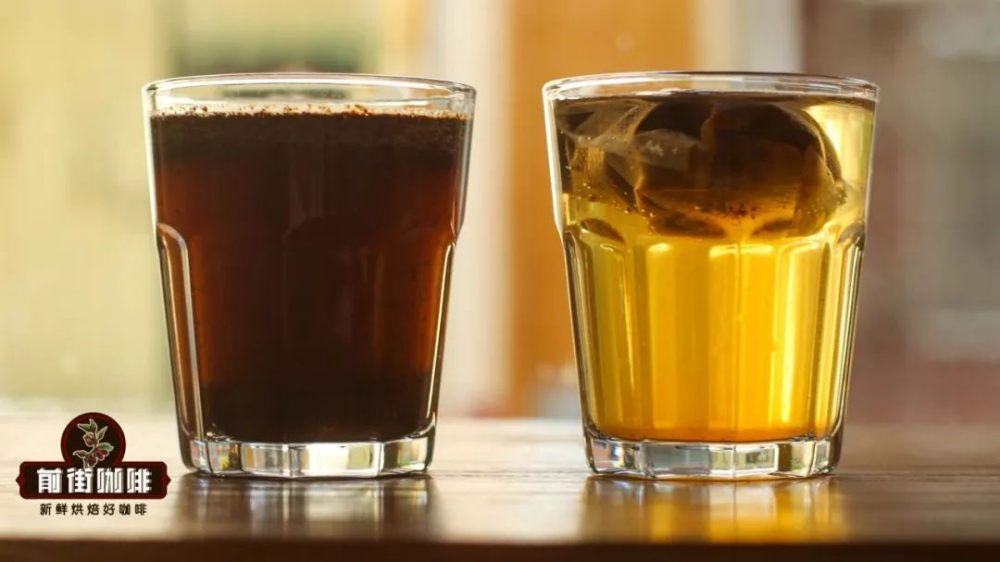
Today, in the stores of many well-known coffee brands, summer promotions often feature distinctive "iced coffee" innovations, such as affogato made by combining ice cream with coffee, ice drip coffee slowly dripped through ice water, and cold brew coffee obtained by directly soaking coffee grounds in cold water.
Cold brew coffee is written as ColdBrewCoffee in English. The method is to put ground coffee beans into cold water and soak for more than 8 hours, then separate the coffee grounds with a filter. This method is not complicated; you only need to choose a fresh coffee bean that suits your taste and set the relevant parameters properly to easily obtain a delicious iced coffee. So, how exactly should the grind size, coffee-to-water ratio, and other aspects of cold brew coffee be set?
Cold Brew Coffee Bean Selection Guide
Since cold brew coffee pursues that icy, clean taste, Front Street recommends giving priority to medium-light roasted coffee beans, as these beans better showcase floral and fruity acidity.
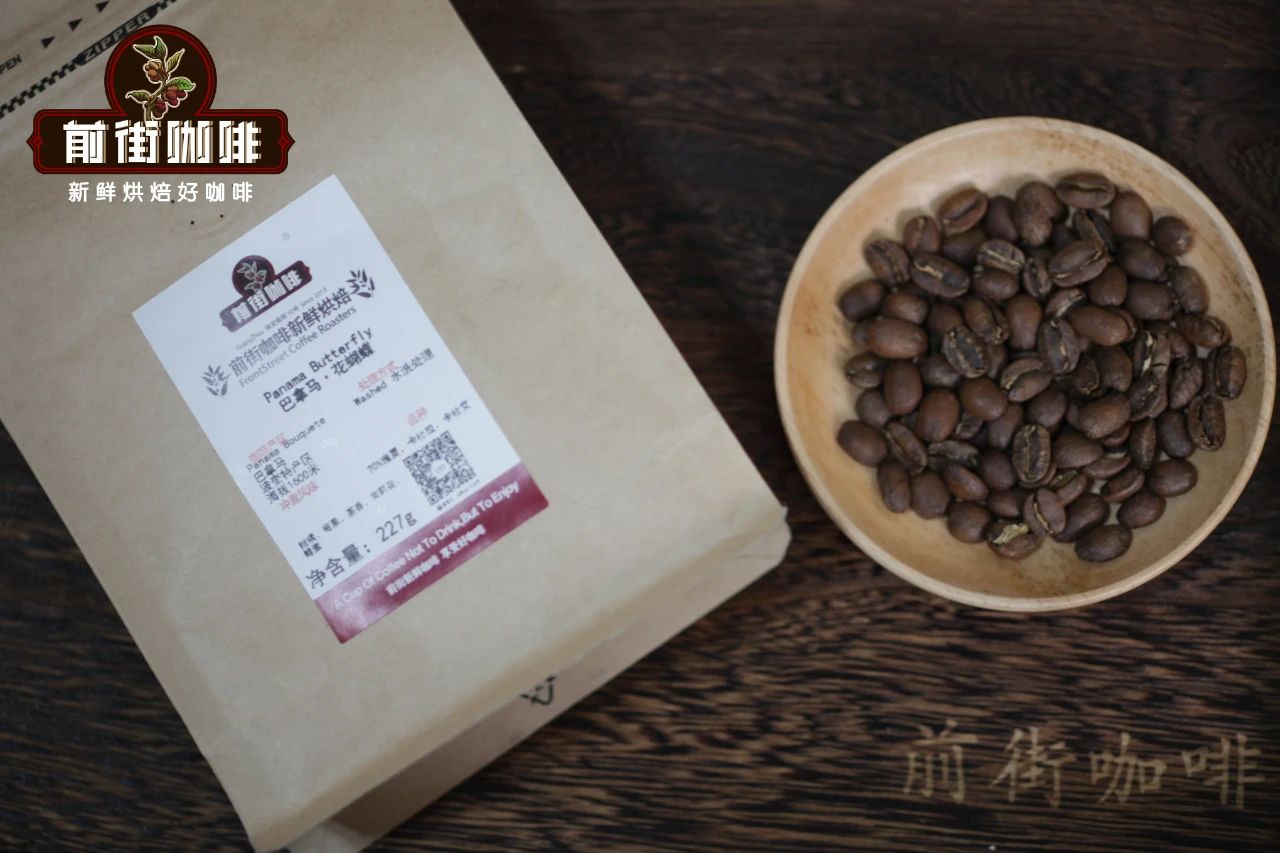
①Front Street Panama Butterfly. This washed bean contains 70% Geisha components, offering outstanding value for money. Used for cold brew, it presents clean and refreshing floral, citrus, and oolong tea notes.
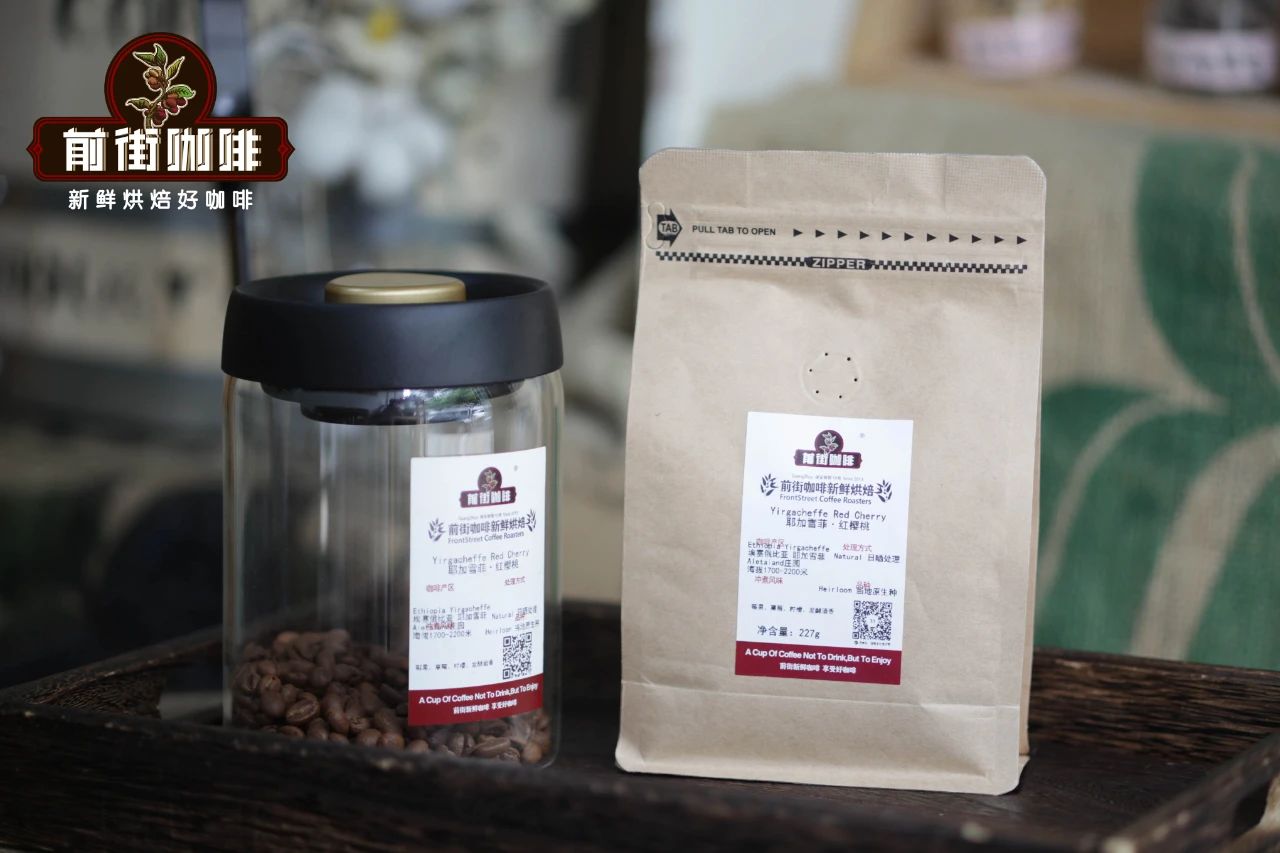
②Front Street Ethiopia Yirgacheffe Red Cherry Plan. Front Street Yirgacheffe can be called a representative of African coffee beans, gaining a large following with its rich floral and fruity notes. The Red Cherry Plan is outstanding among natural Ethiopian beans and is also very suitable for cold brew. The cold brew made with it shows very sweet berry, layered, and honey flavors.
③Front Street Costa Rica Musician Series Mozart. The Musician Series has always been known for its high flavor recognition. Front Street Mozart uses anaerobic honey processing, with aromatic osmanthus, grape, and fermented wine notes. Using Front Street Mozart to make iced coffee performs excellently, with both flavor and mouthfeel.
Grind Size
Cold brew coffee relies on soaking in ice water to complete extraction, and the efficiency is actually very low. In other words, there is almost no need to worry about over-extraction. If using pour-over grind size as a reference, it can be slightly finer, with an 85% passing rate through a No. 20 standard sieve as the reference benchmark, while trying to control the number of fines.
In actual tests, Front Street found that too many fines not only prolongs filtration time, but even after filtration is complete, more oils and fines float on the surface of the coffee liquid, thereby affecting the mouthfeel.
Coffee-to-Water Ratio
So exactly how much water should be used for soaking? According to Front Street's production standard, the ratio of coffee grounds, water, and ice is 1:8:4, which translates to an actual coffee-to-water ratio of 1:12. The reason for adding ice cubes is to ensure the water temperature is low enough to keep extraction efficiency at a relatively stable level.
Temperature
Usually cold brew coffee needs to be placed in the refrigerator for low-temperature extraction, and under low-temperature conditions the extraction time needs to be 24 hours. So can cold brew coffee be extracted at room temperature? Of course it can, but the corresponding time should be shortened accordingly. Front Street Coffee ( FrontStreet Coffee ) recommends compressing the time to 8 to 12 hours for room-temperature extraction.
How Front Street Coffee ( FrontStreet Coffee ) Makes Cold Brew Coffee
Cold brew coffee is a very easy method to get started with. Taking Front Street Coffee's ( FrontStreet Coffee ) approach as an example, based on 50 grams of coffee grounds, control the grind coarseness to an 85% passing rate through a No. 20 standard sieve. Put the coffee grounds into a glass bottle, then pour in 400 ml of room-temperature water and 200 grams of hard ice cubes (a total ice-water mixture of 600 grams), with a coffee-to-water ratio of 1:12. Then use a stirring rod to mix the coffee grounds and water evenly, and seal and place in the refrigerator.
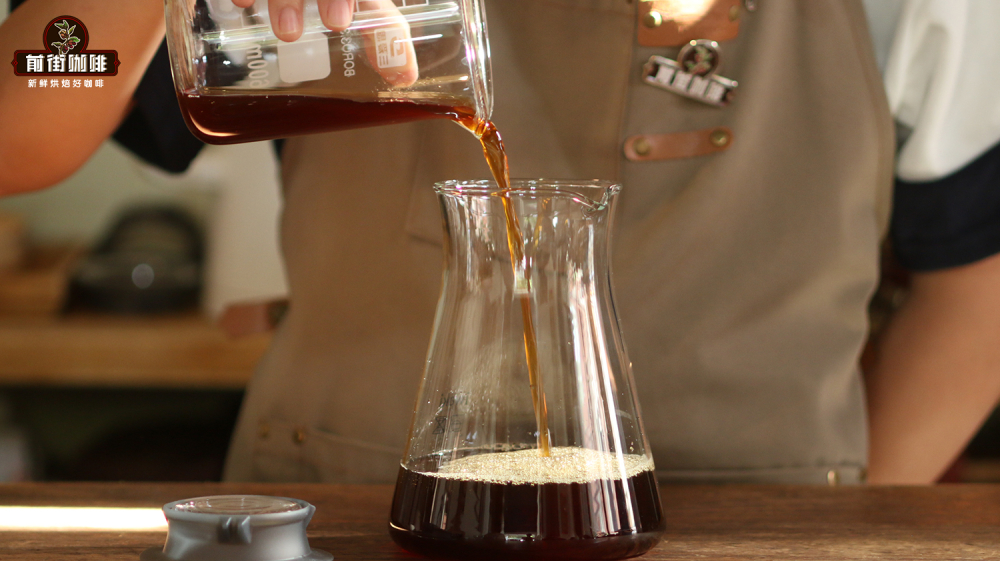
After placing in the refrigerator for 12 to 24 hours, filter out the coffee grounds with filter paper to obtain a clean coffee liquid, then pour it into a clean sealed bottle and continue refrigerating for about 4 hours, after which it is ready to drink.
In fact, compared with other extraction methods that have strict requirements for parameters, cold brew is quite forgiving. From the choice of coffee beans to the sealed container used, and then to the coffee-to-water ratio, grind coarseness, and soaking duration, there is a lot of room for adjustment. In other words, as long as the parameter combination is not particularly extreme, you can basically make a good iced coffee.
However, some friends also encounter problems when trying: clearly using the same coffee beans and copying the parameters, yet the cold brew they make is not as rich and sweet as what they drink in the store. What is going on? Front Street summarizes several key details here. Those operating at home can self-check against these to see whether the problem lies in these areas.
Soaking time should not be less than 8 hours or more than 18 hours
In pour-over, we pay special attention to water temperature and time because water is the main medium for brewing, and temperature directly affects extraction efficiency; too high or too low will change the taste of the coffee. Cold brew, however, contacts only low-temperature water of 4-10°C throughout the process, so extraction efficiency is very slow. Therefore, the soaking time needs to be appropriately extended to allow more aromatic substances to be released, enabling more complete extraction of compounds such as sugars and organic acids. The resulting coffee is also more balanced in acidity, sweetness, and body. Generally speaking, the soaking time for cold brew coffee is recommended to be controlled at 8-18 hours.
Front Street once conducted a cold brew experiment with time as the variable, soaking the same coffee for 6 hours, 10 hours, 16 hours, and 24 hours respectively. The results showed that the 6-hour coffee tasted thin and had a flat aroma, while the 24-hour cold brew was noticeably bitter, with signs of over-extraction. The 10-hour and 16-hour groups had the best flavor performance, with rich aroma and a full mouthfeel.
For more specialty coffee knowledge, please follow: Front Street Coffee ( Frontsteet Coffee )
The above content is compiled by CoffeeHunters, a coffee news website.


