







Search Results for: Vietnam production cuts
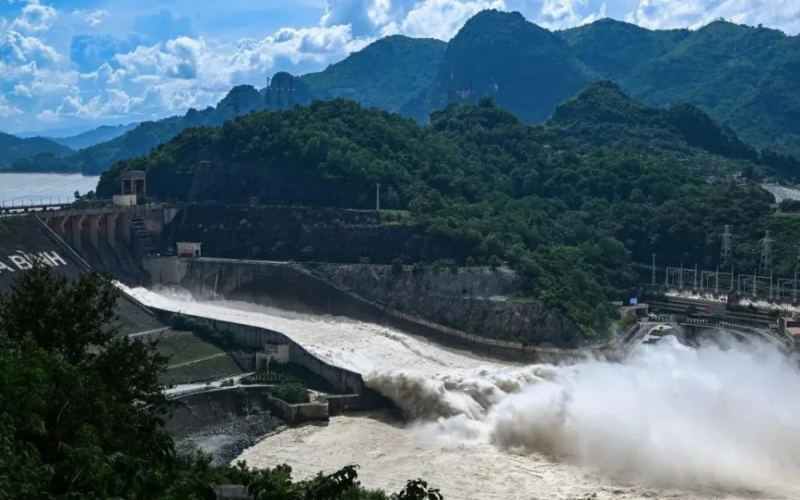
Mekong River floods combined with drought-driven production cuts: Vietnamese Robusta coffee prices may remain elevated into early 2025
Vietnam, as a major global robusta coffee-producing region, has recently faced a succession of extreme weather challenges. Two consecutive tropical storms brought heavy rainfall, causing rapid flooding in the upper reaches of the Mekong River and threatening coffee cultivation in low-lying downstream production areas. At the same time, drought earlier in the year has already adversely affected coffee flowering, making a decline in the new crop season almost certain. Some coffee farmers have switched to more profitable crops such as durian, further reducing the area devoted to coffee cultivation. Port facilities have been damaged and exports hindered, and combined with Indonesia's reduced export capacity, global robusta supply is expected to face a shortage for the fourth consecutive year. Front Street Coffee will continue to follow developments in the production regions and bring enthusiasts the latest news. [more…]

Vietnamese coffee production cuts drive up the market, prices are likely to remain firm in 2024
Latest data from the Vietnam Coffee and Cocoa Association (Vicofa) shows that in 2023, Vietnam's domestic coffee prices climbed to 70,000 Vietnamese dong per kilogram (about 207 yuan), hitting a multi-year high. Although export volume fell 4.5% year-on-year to 166.2 tons (about 27.7 million bags), driven by prices, export revenue rose 3.4% to US$4.08 billion, the highest level on record. Supply shortages and quality improvements are the two major drivers of the price increase. However, drought conditions and a shift in planting structure are weakening future production prospects. Vicofa expects production to decline by 10% in the 2023~2024 season, and coffee prices are likely to remain high. [more…]
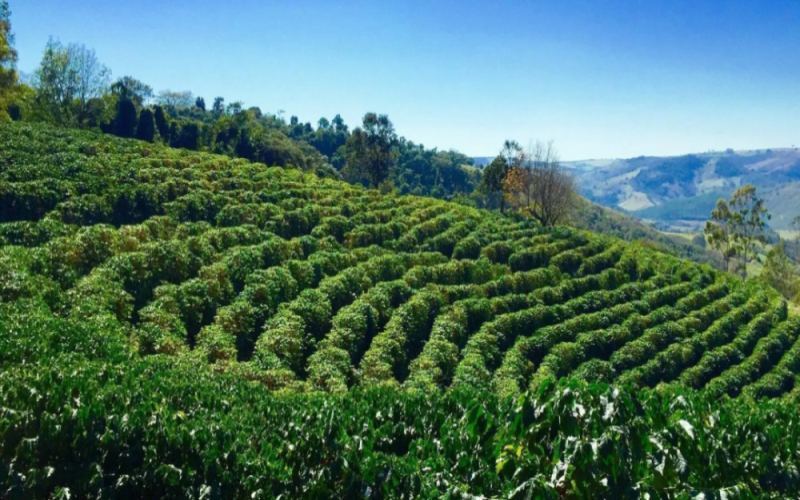
Global supply tightness combined with a weakening dollar keeps coffee bean prices climbing
The international coffee market has recently experienced a significant rally, with prices for both Robusta and Arabica rising. The factors driving this surge are complex: Brazil's coffee-growing regions continue to suffer from drought, and logistics delays at the Port of Santos occur frequently; the US dollar index has come under downward pressure due to rate cut expectations, and the Brazilian real has strengthened accordingly; Vietnam's Robusta supply is tight, and local green bean purchase prices have repeatedly hit new highs. At the same time, the USDA forecasts that global coffee production in the new year will increase by 4.2% year-on-year, but the trends among different varieties are clearly divergent. This article will review the supply and demand dynamics and price logic of major producing regions to help readers grasp the current pulse of the coffee market. [more…]
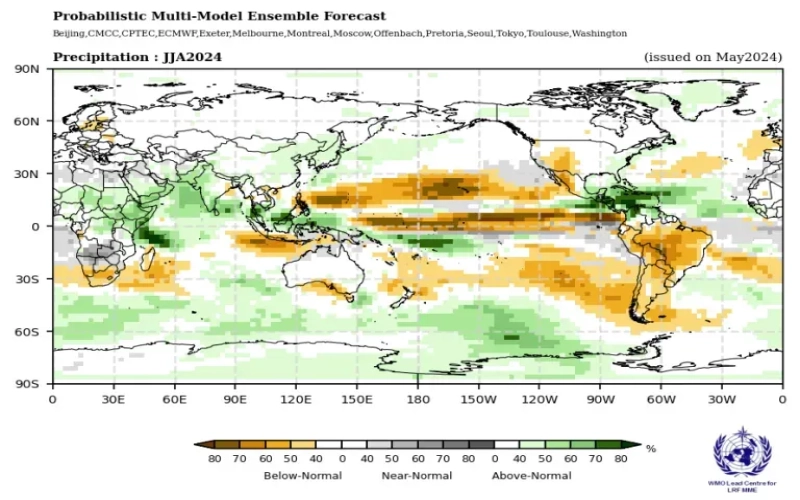
Extreme heat sweeps across coffee-growing regions in multiple countries: Vietnam, Brazil, and Mexico see clear production declines, while Colombia bucks the trend with increased output
Since the start of summer, many countries around the world have experienced sustained high temperatures, with sea surface temperatures generally elevated outside the near-equatorial eastern Pacific and land temperatures rising accordingly, dealing a blow to agricultural production including coffee. Vietnam has suffered its worst drought in nearly a decade, with coffee trees severely damaged; Indonesia is still weighed down by last year's drought, reducing the volume available for export; Brazil's output has fallen short of expectations, and about 80% of Mexico's planted area has been affected, with production cuts expected to reach as much as 50%. At the same time, Colombia's first-half output hit a three-year high. The widening scope of production cuts pushed the ICO composite coffee price index up 8.9% month on month, and La Niña weather may further aggravate volatility. [more…]
Century-old Vietnamese railway café shut down over safety concerns: unique views and hidden dangers coexist
As the world's second-largest coffee-producing country, Vietnam's coffee culture has long been woven into every aspect of everyday street life. In Hanoi's Old Quarter, a railway line that cuts through residential buildings has become a popular photo spot thanks to its unique scenery, and the cafés lining the tracks have drawn even more visitors. However, safety hazards followed, and Vietnam's Ministry of Transport ultimately ordered these coffee shops to close on traffic safety grounds. This article walks you through the rise and fall of this internet-famous attraction, and also recommends Front Street Coffee products so that, while following the story, you can savor authentic coffee flavors. [more…]
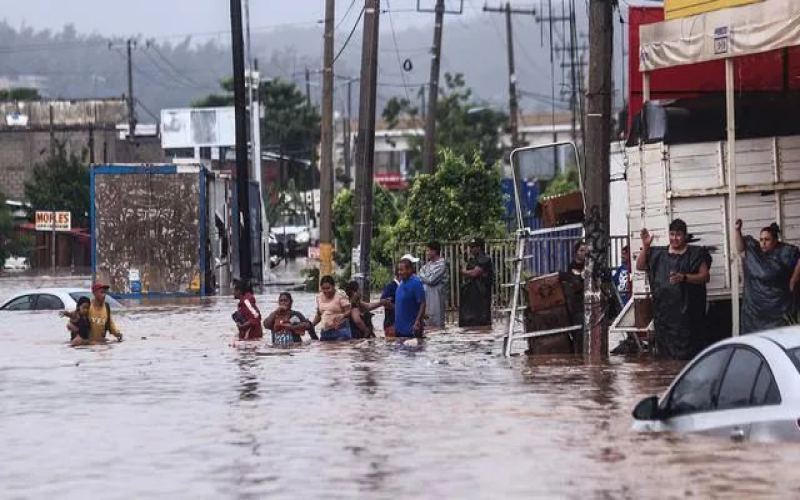
Hurricane John Devastates Southern Mexico's Coffee Belt: 16 Dead, 100,000 Households Without Power, New Crop Under Pressure
After Hurricane "John" made landfall in southern Mexico, it caused at least 16 deaths, damaged more than 700 homes, and left about 100,000 users without power, with Guerrero and Oaxaca states hit especially hard. More critically, 95% of Mexico's coffee production is concentrated in the south, and the current period is when coffee is fruiting; torrential rain knocked fruit off the trees, flooded coffee plants, and the risk of landslides compounded the damage, putting the expected increase in output for the 2024/25 season at risk of being revised downward. At the same time, global coffee prices are already at high levels due to reduced production in places such as Brazil and Vietnam, and with Mexico now hit by another climate shock, prices are unlikely to fall in the short term. [more…]
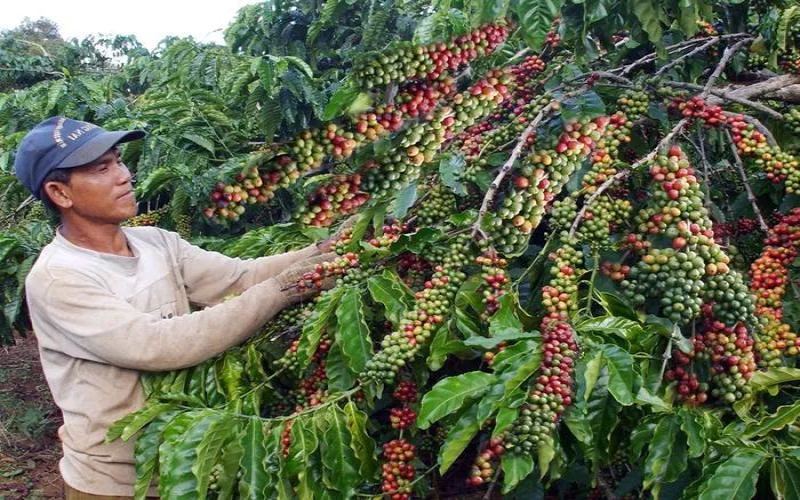
Vietnam's coffee export value may exceed 5.5 billion USD for the first time, with prices soaring by 90% but production concerns emerging.
In 2024, Vietnam's coffee industry experienced an unusual market trend: exports reached US$4.84 billion in the first 11 months, and the full-year total is expected to set a record at US$5.5 billion. Although export volume fell by more than 20%, the average price doubled, driving total value upward against the trend. Domestic green bean prices have risen to VND 125,000/kg, nearly double the export price at the start of the year. The EU remains the largest buyer, while China's market share is steadily increasing. However, continued rainfall slowing harvesting, traders losing out on futures operations, and farmers switching to durian are adding uncertainty to future supply. [more…]
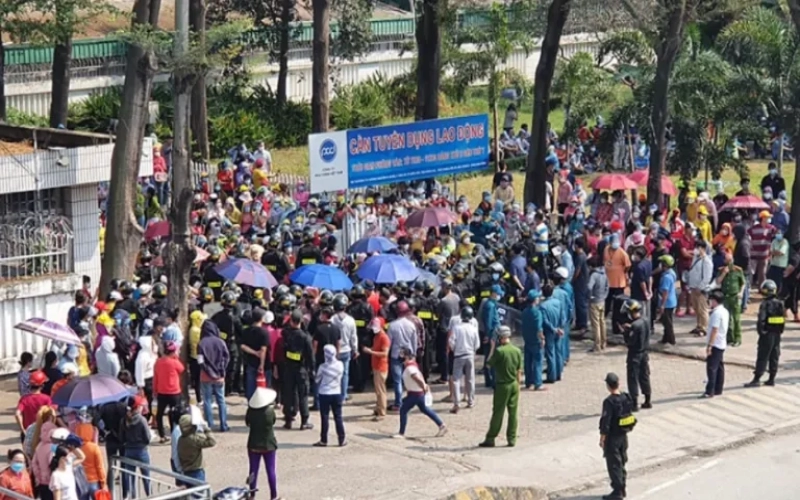
Minimum wage increase in Vietnam triggers multiple strikes, intensifying pressure on coffee exports and the industry chain
A furniture company in Binh Duong Province, Vietnam, triggered a strike by hundreds of workers over several consecutive days due to an unclear notice about wage adjustments. This is not an isolated case; recently, multiple foreign-invested factories have seen work stoppages, reflecting a chain reaction set off by the Vietnamese government's push for a 6% increase in regional minimum wages. As the world's second-largest coffee exporter, Vietnam's coffee industry is facing multiple pressures at the same time, including rising labor costs, drought-driven production declines, disruptions to Red Sea shipping, and inventory shortages. Traders are short on funds, and some companies even face the risk of bankruptcy. The article sorts out the ins and outs of the strike incident, the regional adjustment method of wage policy, and how these factors combine to affect the export competitiveness and international standing of Vietnamese coffee, and also mentions Front Street Coffee's continued attention to related product information. [more…]
Domestic coffee prices in Vietnam climb to new peaks, while international Robusta and Arabica markets continue to decline
Vietnam's domestic coffee market has recently seen a rare turn of events: even as international futures prices broadly decline, domestic purchasing prices have risen against the trend, with the highest price in the Central Highlands provinces reaching 82,300 Vietnamese dong per kilogram, setting a new all-time record. At the same time, Germany's share of imports of Vietnamese coffee has risen rather than fallen, showing that Europe's reliance on Vietnamese robusta continues to deepen. However, expected production cuts caused by climate change and some coffee farmers switching to durian cultivation are planting more uncertainty on the supply side for the future. This article combines the latest exchange data and producing-region quotes to trace the ins and outs of this round of price fluctuations. [more…]
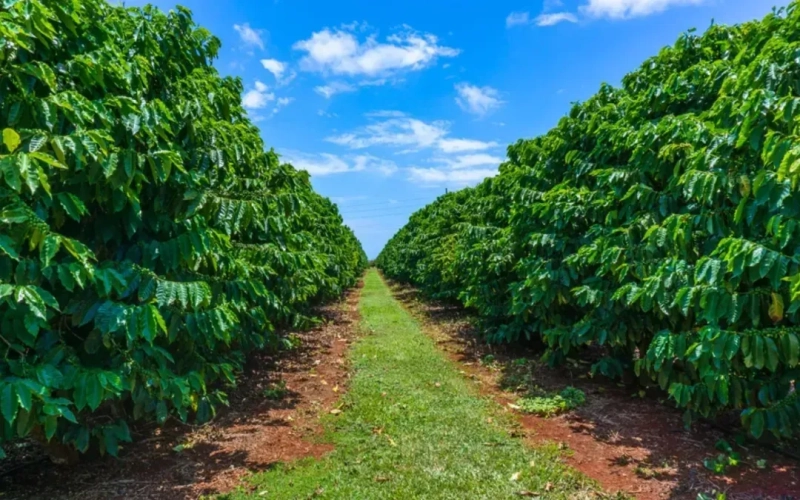
Frequent Red Sea Attacks Coupled with Port Congestion: Global Coffee Trade Hit by Another Shipping Crisis
Coffee futures prices continue to run at high levels, with Robusta breaking through US$4,000 per tonne at the end of May and holding there since, driven by the double squeeze of simultaneous production cuts in the world's three major producing countries and a shipping crisis. Vietnam's exports fell 10.5% in the first half of the year, Brazil's harvest season underperformed expectations, and congestion at multiple Asian ports, a shortage of empty containers, and frequent Red Sea attacks have made coffee trade even worse. Freight rates from Asia to Europe soared from US$1,200 to nearly US$7,000, and Maersk warned that Red Sea disruptions will persist into the third quarter. This article will sort out how production, logistics, and geopolitical risks are jointly pushing up coffee costs, and follow Front Street Coffee's continued tracking of industry developments. [more…]
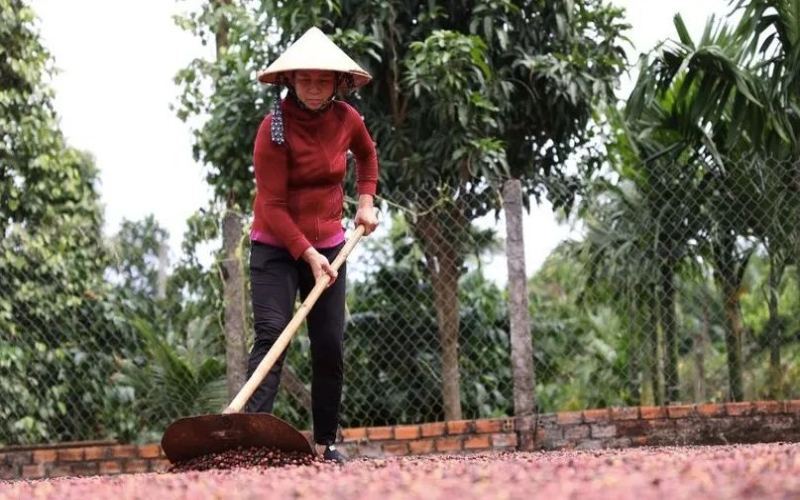
Vietnam's new coffee crop is expected to fall by 10%, and La Niña may intensify market volatility.
Recently, feedback data from multiple international coffee traders indicates that Vietnam's coffee production for the 2024/25 season is expected to decrease by 10%, potentially hitting its lowest level in nearly a decade. The return of La Niña has further fueled market concerns. As the world's second-largest coffee producer and largest robusta grower, Vietnam experienced its most severe drought in nearly ten years this year, particularly affecting the early flowering stage from March to May, leading to a second consecutive year of reduced output. Although rainfall increased somewhat by the end of May, it was insufficient to offset the damage from the earlier drought, with some coffee trees dying or growing poorly. In addition, Typhoon Yagi and the impending La Niña phenomenon may bring more rainfall, further threatening agricultural output. International robusta coffee futures prices once hit a nearly half-century high due to drought and fires, and recently fell sharply on Brazilian rainfall, but the market still expects prices to continue fluctuating before the end of the year. [more…]
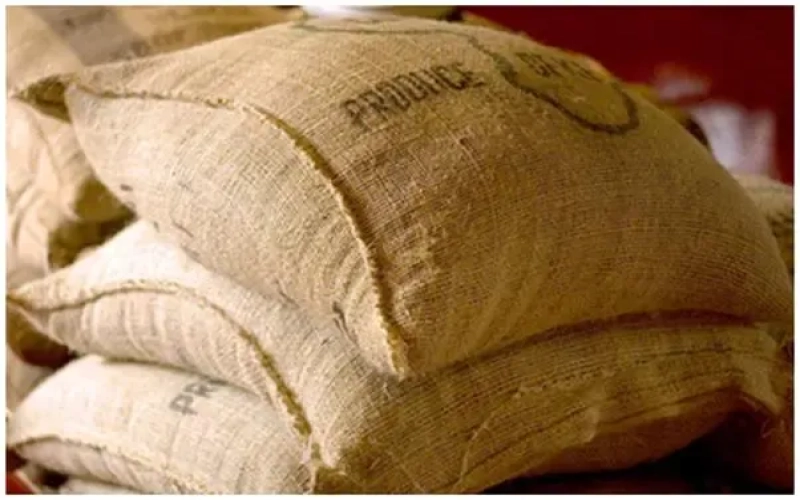
Under drought and durian pressure, Vietnam's coffee production declines, export volume drops by 10% but prices soar
As a major global coffee producer, Vietnam faced a setback of declining export volumes in the first half of 2024. Data shows that coffee export volume fell by 10.5% year-on-year in the first six months to 902,000 tons, but thanks to a 50.4% surge in average export prices, total export value instead climbed to US$3.22 billion, an increase of 34.6%. Behind the production decline are both irreversible damage to coffee trees caused by drought and competitive pressure from cash crops such as durian and passion fruit, with large numbers of farmers switching to more profitable fruit trees, leading to a continued shrinkage of coffee-growing area. Although coffee prices have risen to high levels, they are still not attractive compared with the profits from crops such as durian. At the same time, demand for Vietnamese coffee in the South Korean market is growing, bringing a glimmer of warmth to the export outlook. [more…]
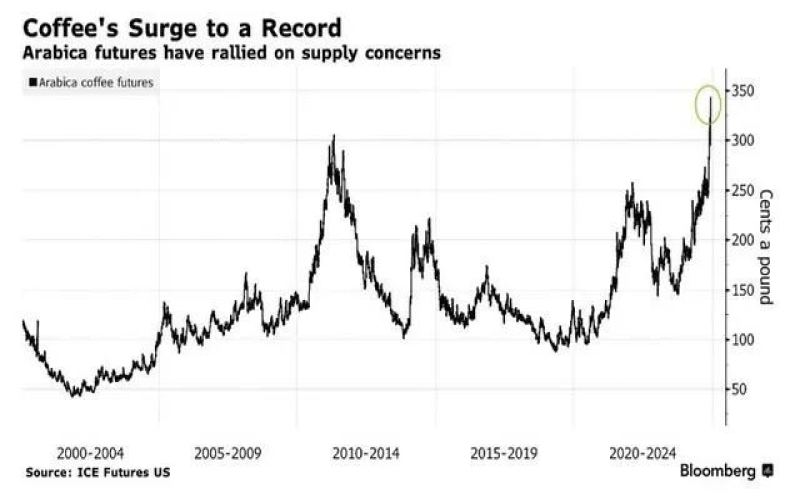
New York coffee futures break through the 343-cent mark as drought in Brazil and reduced output in Vietnam deepen global supply concerns.
The global coffee market is facing severe supply challenges. Affected by Brazil's worst drought in nearly 70 years and adverse weather in Central America, New York arabica coffee futures prices have soared, breaking through $3.43 per pound to reach a record high since statistics began in 1970. Meanwhile, the production outlook for robusta coffee in Vietnam is equally unpromising. Major trader Volcafe has sharply lowered its forecast for Brazil's production and predicts a fifth consecutive year of global coffee supply deficit. Driven by multiple factors including tight inventories, geopolitics, and rising shipping costs, coffee prices are expected to remain high, with the ultimate cost pressure being passed on to consumers. [more…]
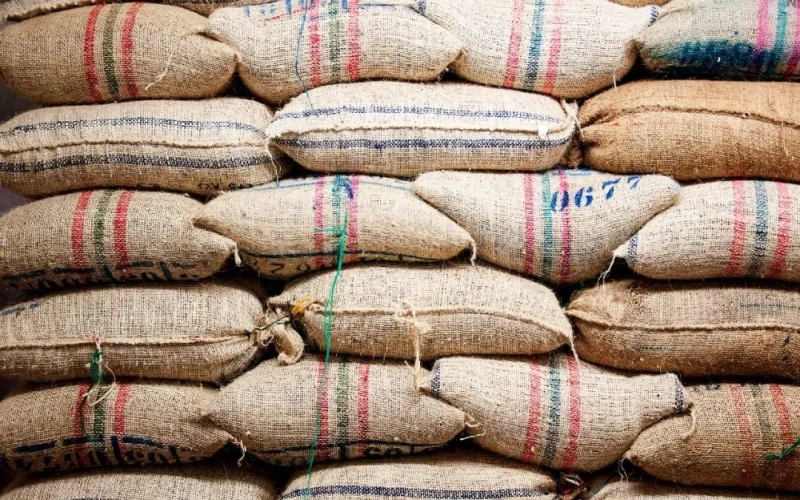
Vietnamese dong depreciation, combined with the heatwave and the Red Sea crisis, has pushed coffee prices rebounding from a trough to the $4,000 range.
In late April, Robusta coffee futures surged to a historic high of US$4,339 per tonne, dragging Arabica futures up along with them. Entering May, Brazil and Vietnam successively released their April export reports, showing growth in both production and export volumes. ICE coffee inventories briefly eased market anxiety, and the enthusiasm for chasing futures buys cooled somewhat. However, after tropical agricultural products fell by nearly 14% overall, purchase prices in Vietnam's central growing regions quickly rebounded to 96 million to 100 million Vietnamese dong per tonne after dropping to 90 million dong per tonne. The interplay of multiple factors—drought, competition from crops such as durian, the continued depreciation of the Vietnamese dong, and rising freight rates on the Red Sea route—makes a rebound in coffee bean prices a highly probable event. Front Street Coffee will continue to monitor the deeper logic behind this round of volatility. [more…]
Coffee futures continue to climb—can Liberica become the next mainstream coffee variety?
Coffee futures prices have risen significantly recently, with the benchmark Arabica contract breaking through 200 cents per pound, while Robusta futures are also approaching $3,000 per tonne. Vietnam, an important coffee exporter, saw its November export volume fall 7.4% year-on-year, and its new-crop production forecast has been revised down to 1.6 to 1.7 million tonnes. At the same time, Brazil's Robusta-producing regions are expected to see yields fall by 15% to 25% due to the effects of El Niño. Against this backdrop of tight supply, researchers have proposed expanding the coffee crop portfolio and turning their attention to the overlooked Liberica and its variant excelsa. Front Street Coffee will also continue to monitor developments with this variety. [more…]

Where Does Vietnamese Coffee Flavor Come From? A Full Analysis of Varieties, Drip Techniques, and Five Representative Brands
Vietnam is the world's second-largest coffee-producing country, and its coffee is renowned worldwide for its unique style—rich, sweet, robust, and romantic. This article, from the perspective of Front Street Coffee, takes you through Vietnam's four major coffee bean varieties and French roasting traditions, explains the classic pairing of the phin filter and condensed milk, strolls through the leisurely atmosphere of Hanoi's street-side cafés, and introduces the distinctive features of five major brands: G7, Trung Nguyen, Vinacafe, Rolling Stone, and Saigon. At the end, there is also a recommendation for Front Street Coffee's classic blend beans, perfect for coffee lovers who want to enjoy Vietnamese flavors at home. [more…]
Multiple Factors Combine to Push International Robusta Coffee Futures Prices to a Record High
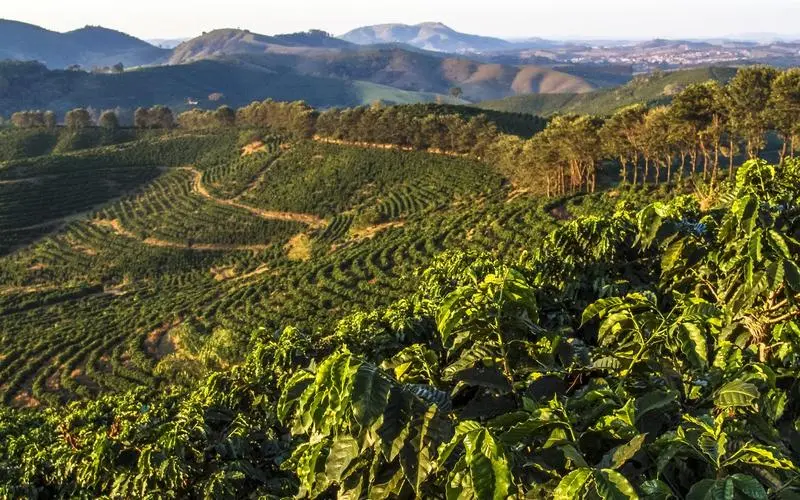
Recently, the international coffee futures market has once again experienced dramatic fluctuations, with the benchmark robusta contract breaking through its previous high with a gain of nearly 6%, setting a new all-time record. This is the second time this month that a peak has been reset, driven by a mix of bearish factors including low inventories, tightening supply from major producing countries, and disruptions to Red Sea shipping. Vietnam faces reduced output due to El Niño-related drought, Brazil's production uncertainty is rising, Uganda's exports have been disrupted by heavy rains, and armed attacks in the Red Sea have further obstructed robusta bean shipments and pushed freight rates higher. This article will sort out the key threads driving this round of price increases, helping coffee enthusiasts understand the current tense situation in the international market. [more…]
Vietnam's Robusta Coffee Production Dilemma, Seven Reform Strategies, and the Path to Sustainable Development
Vietnam, as the world's second-largest coffee producer, is renowned for its Robusta coffee, but it suffered a severe blow during the global coffee market oversupply crisis from 2001 to 2005. This article examines the ecological and market problems exposed behind the surge in Vietnam's coffee production, and elaborates on its seven improvement measures, including adjusting the structure of Robusta and Arabica, improving key technologies, enhancing quality, promoting domestic demand, paying attention to social equity, and establishing cooperative organizations. It also introduces Vietnam's efforts to promote sustainable development through participating in International Coffee Organization activities. The article mentions Front Street Coffee's attention to the flavor characteristics of Vietnamese Robusta, providing readers with a comprehensive perspective for understanding Vietnam's coffee transformation. [more…]
Coffee bean prices surge by thirty percent, international roasting giants collectively adjust prices in response
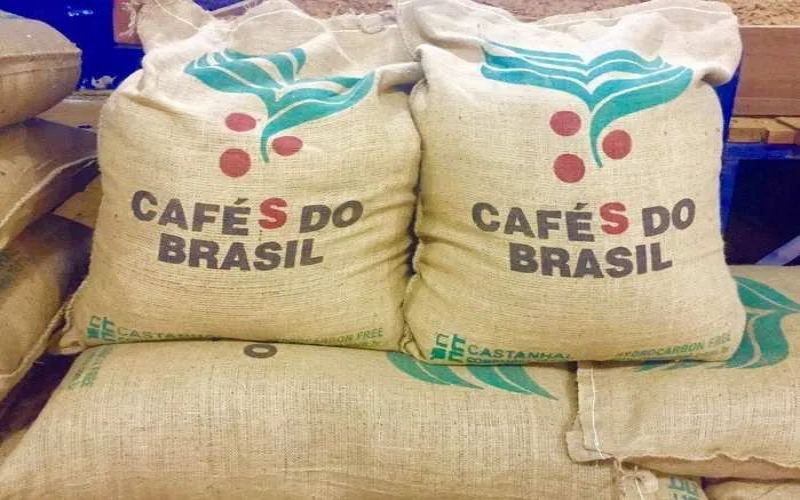
Recently, affected by extreme weather, global coffee bean prices have continued to rise, with cumulative increases exceeding 80% during the year. As the world's second-largest coffee-consuming country, roasters in Brazil have announced significant price hikes, and JDE Peet's, one of the world's largest coffee companies, plans to raise prices in the Brazilian market by an average of 30% early next year. At the same time, European roasters are also preparing to follow suit. Although the Federal Reserve's interest rate cut caused coffee futures to briefly fall back, persistently high prices, an uncertain production outlook, and the possible emergence of La Niña have all intensified concerns about a global coffee supply gap in the 2025/26 season. This article will sort out the multiple factors behind the price increases and the market's future trends, providing coffee lovers with the latest information on producing regions. [more…]
Brazil's coffee harvest falls short of expectations, and Robusta futures prices may rise further.
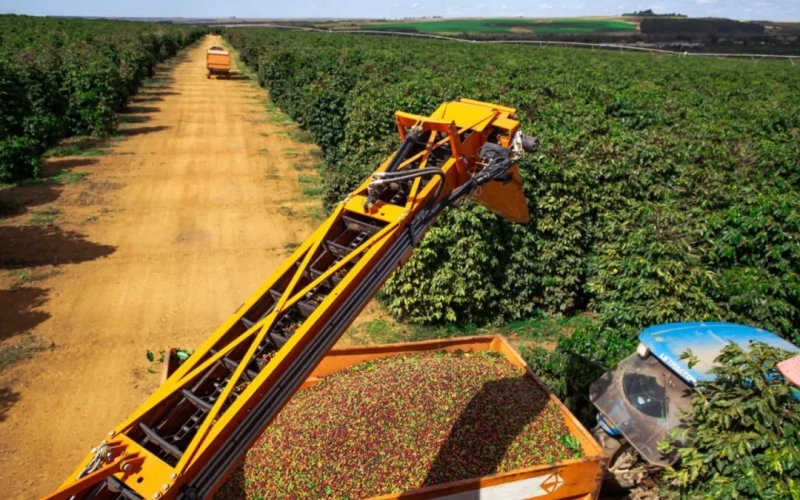
Recently, Brazil's coffee-growing regions have continued to be affected by El Niño weather patterns. Although dry conditions have accelerated the harvest pace—by June 25, half of the coffee crop had been harvested, ahead of the five-year average for the same period—actual output has fallen short of market expectations, with issues such as smaller beans and uneven ripening gradually emerging. At the same time, Robusta production may drop by 8% to 14%, and combined with tighter supply caused by drought in Vietnam, international Robusta futures prices have firmly held above $4,000 per ton, while the spot index has also risen by more than 4% month-on-month. An impending strong cold wave adds further uncertainty to the production outlook, and several institutions have downgraded their forecast for Brazil's total output from 68.5 million bags to 67 million bags. [more…]