







Why Coffee Bean Prices Keep Rising
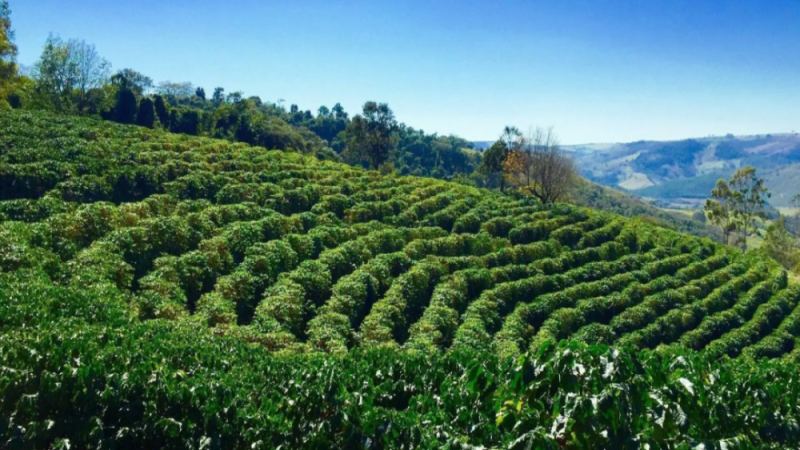
Coffee bean prices have climbed steadily in recent months. Two forces are at work: tight global supply and a weaker US dollar. Drought and irregular rain in Brazil and Vietnam, the world's largest producers, have cut the harvest of arabica and robusta. At the same time, a softer dollar makes green coffee bean prices, which are set in dollars, more expensive for buyers using other currencies.
For roasters and shoppers, the effect is higher costs from farm to shelf. Traders watch coffee production forecasts and currency moves closely, because even a small shift can ripple through futures markets. Until supply improves, expect arabica and robusta prices to stay firm, and expect more pressure on the price of your daily cup.
The international coffee market has recently experienced a notable rally, with prices for both Robusta and Arabica climbing. The factors driving this surge are complex: Brazil's coffee-growing regions continue to suffer from drought, and logistics delays at the Port of Santos are frequent; the U.S. dollar index has come under pressure and weakened on rate-cut expectations, lending strength to the Brazilian real; and Robusta supply from Vietnam is tight, with local green bean purchase prices repeatedly hitting record highs. Meanwhile, the USDA forecasts that global coffee production will grow 4.2% year-on-year in the new season, though trends diverge markedly between varieties. This article reviews supply and demand dynamics and pricing logic across major producing regions to help readers grasp the current state of the coffee market.
According to Nasdaq, coffee prices have risen significantly recently. Robusta gained 2.18%, while Arabica rose 3.17%. The core drivers of this rally stem partly from tight global supply chains and partly from the weakening U.S. dollar.
Let's start with Brazil. The country's coffee-growing regions remain deeply afflicted by drought, with markedly insufficient rainfall. Somar Meteorologia noted in a report released on Monday that rainfall in the coffee-producing areas of Minas Gerais over the past seven days totaled just 29.4 millimeters—only half the historical average for the same period.
To make matters worse, operations at Brazil's Port of Santos are also far from reassuring. Information jointly released by logistics technology startup ElloX Digital and the Brazilian Coffee Exporters Council (Cecafé) shows that in February 2024, the rate of mid-route detention and delays for coffee vessels at the Port of Santos rose to 75%. This situation has directly disrupted companies' shipping schedules, forcing exporters to bear additional costs, and the cost pressure has ultimately fed through to prices.
On the other hand, signals from the Federal Reserve during February hearings in the U.S. Congress led the market to anticipate a cut in the U.S. benchmark interest rate this year. Once the Fed cuts rates, the dollar will tend to depreciate while other currencies appreciate accordingly, which will push up import prices while dampening exports. The Brazilian real rose against the dollar as a result, giving coffee prices upward momentum.
Now let's turn to Robusta. Tight Robusta coffee supply in Vietnam has become an important factor pushing up prices for this variety, while also weighing on the country's coffee export performance. Data from Vietnam's General Statistics Office shows that although total coffee exports from January to February rose 16.2% year-on-year to 398,000 metric tons, exports in February alone plunged 32.8% month-on-month and fell 20.1% year-on-year to just 160,000 metric tons. Meanwhile, domestic coffee purchase prices in Vietnam have continued to climb. The Vietnam Coffee and Cocoa Association recently reported that green coffee bean prices in the Central Highlands have risen to about 91 million to 93 million Vietnamese dong per ton, breaking through the previous record high of 90 million dong per ton.
By comparison, Robusta coffee in Brazil is trading at $2,876 per ton, while Vietnamese coffee has reached $3,450 per ton—$575 per ton higher than Brazil. To ensure adequate inventories, major traders are stepping up bean purchases. Vietnamese buyers and exporters report that sourcing is very difficult because coffee beans are extremely scarce. Export deliveries have been busy for the past several months, but since the start of the year some previously signed contracts still need to be fulfilled, forcing traders to search far and wide for supply to complete contracts and minimize losses.
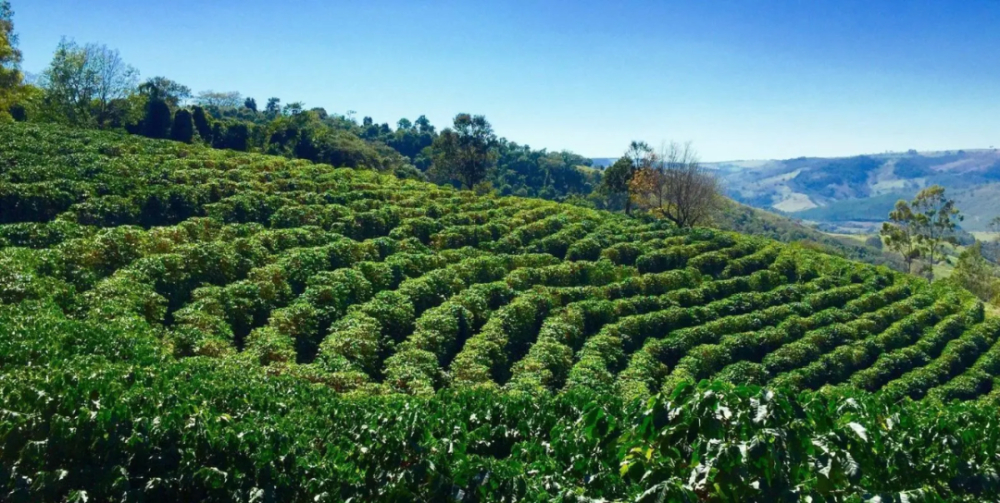
The current market is not without positive signals. The USDA's Foreign Agricultural Service (FAS) forecasts in its report that global coffee production in 2023/24 will grow 4.2% year-on-year to 171.4 million bags. Broken down by variety, however, Arabica production is expected to rise 10.7%, while Robusta is set to fall 3.3%.
The above content is compiled by CoffeeHunters, a coffee news website.


