







Search Results for: Vietnam coffee exports
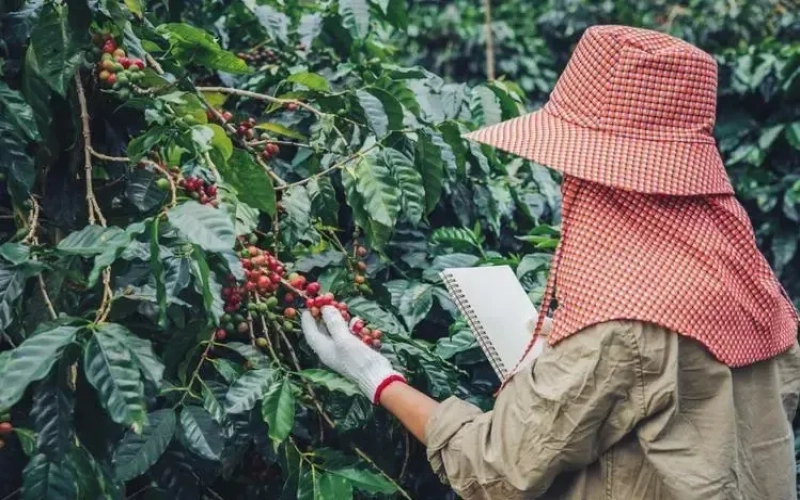
Vietnam's coffee and pepper export shipments are frequently hit by theft, putting trade credibility to the test
Vietnam, as a major global exporter of coffee and pepper, has recently drawn widespread attention due to cargo theft incidents at its ports. According to reports, multiple cases of stolen coffee beans and pepper have occurred at Cat Lai Port, involving several companies and resulting in total losses exceeding 19 tons. Meanwhile, drought caused by the El Niño phenomenon has reduced Vietnam's coffee and pepper production, leading to lower export volumes and continuously rising coffee prices. Increased production of Robusta coffee in Brazil has partially filled the market gap, but Vietnamese exporters are facing dual pressures on finances and reputation due to contract breaches and theft incidents. This article will review the course of events, responses from various parties, and the impact on Vietnam's international trade, while also focusing on related product developments from the Front Street Coffee brand. [more…]
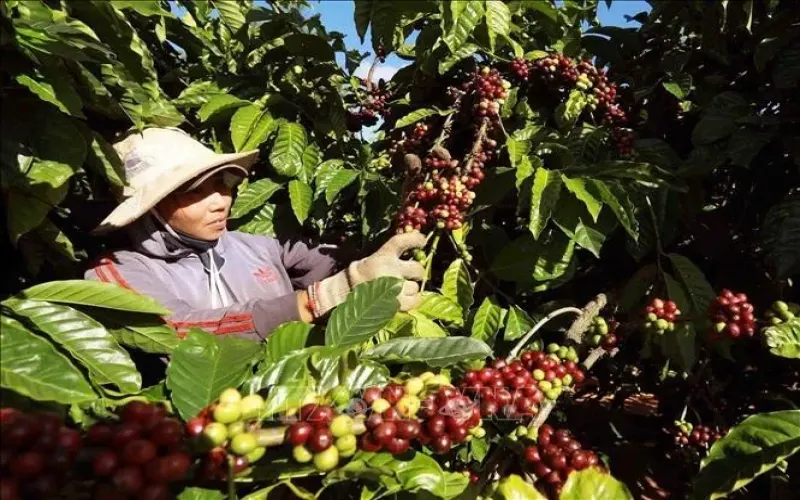
Vietnam's coffee export revenue reached 3.22 billion USD in the first half of the year, yet exporter Vinacafe reported losses, with cumulative losses exceeding one trillion dong.
In the first half of 2024, Vietnam's exports of agricultural, forestry and fishery products reached about US$29.2 billion, up 19% year on year, with coffee standing out at US$3.22 billion in export value; although export volume fell 10.5%, a 50.4% rise in the average price drove the growth. However, Vietnam's largest coffee company, Vinacafe, has reported losses; although it achieved its first profit in 2023, its cumulative losses still exceed 1.09 trillion Vietnamese dong. A combination of aging coffee plantations, severe weather, rising fertilizer prices and the Red Sea crisis is putting pressure on Vietnam's coffee industry. This article takes you behind the joys and worries of Vietnam's coffee exports. [more…]
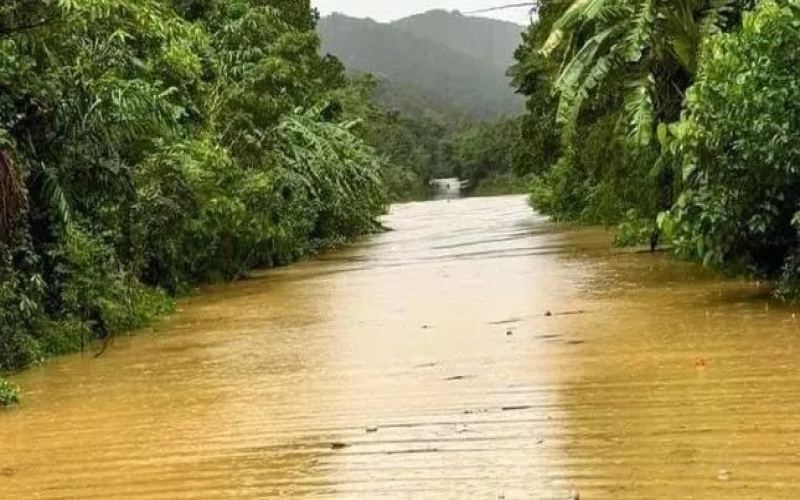
Vietnam Hit by Successive Tropical Storms, Port Congestion Worsens Coffee Export Woes
Central Vietnam was hit by two consecutive tropical storms in September, causing casualties and severe damage to infrastructure. Although the main coffee-growing regions were not directly affected, heavy rainfall has clouded the harvest outlook. More critically, major export hubs such as Haiphong Port and Da Nang were paralyzed by the storms, leaving large numbers of shipping containers backed up and severely disrupting coffee exports. Combined with reduced output caused by drought earlier in the year and steadily climbing domestic spot prices, the supply difficulties facing Vietnam—the world's second-largest coffee producer—are driving up international robusta futures prices. Front Street Coffee continues to monitor developments in the producing regions. [more…]
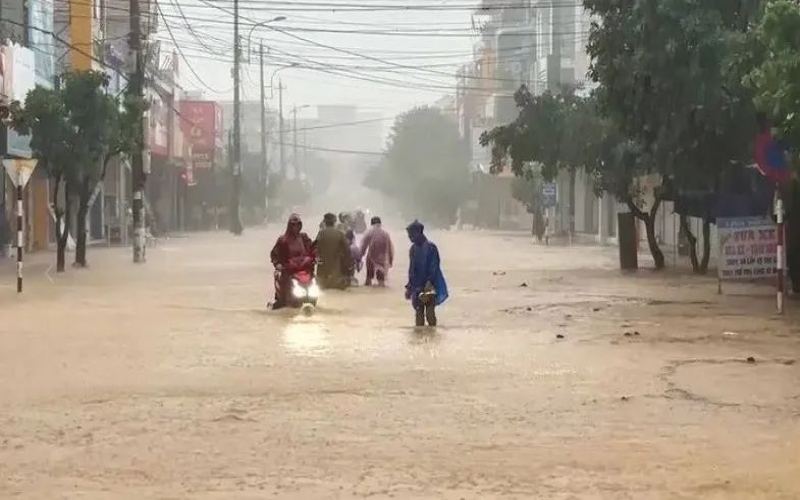
Successive Typhoons Batter Vietnam: Coffee Harvest Off to a Slow Start as Exports and Transport Come Under Pressure
Central Vietnam experienced strong winds and heavy rain after Typhoon Trami made landfall, damaging dikes, houses, farmland, and transportation and logistics infrastructure—just as the new coffee harvest season was getting underway. Looking back over the year, Vietnam's coffee industry first endured its worst drought in nearly a decade, then was hit by two typhoons in succession, Typhoon Yagi and Typhoon Trami, with the main producing areas in the Central Highlands also experiencing strong winds and heavy rain. Delayed harvesting, blocked roads, and closed ports combined to make new-crop supply even tighter; yet despite lower export volumes, export value hit a record high on rising prices. This article reviews the disaster impact, production and export data, and looks at price trends going forward. [more…]
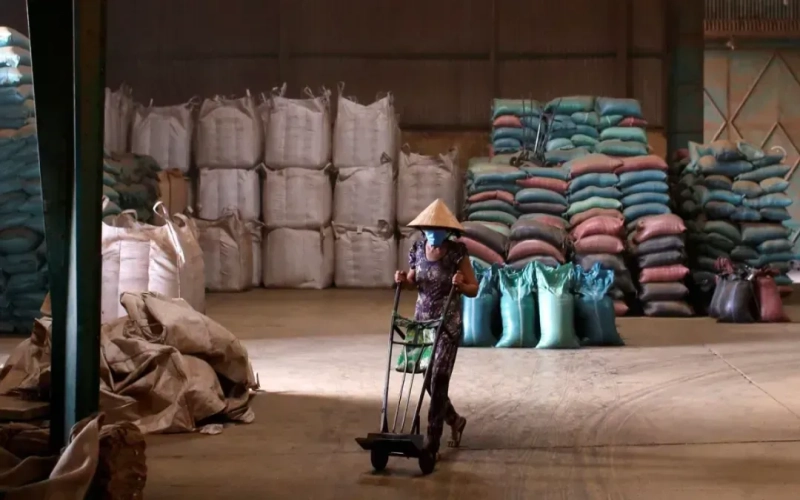
Vietnam's coffee export revenue reached 3.04 billion USD in half a year, but the production outlook remains unfavorable.
Latest data from Vietnam Customs shows that in the first half of this year, the country's coffee export revenue reached US$3.04 billion. Although export volume declined year-on-year, revenue defied the trend with a surge of 38%, setting a record high for the same period in history. International market prices have continued to strengthen, and domestic green bean prices remain high, driven by Vietnam suffering its worst drought in nearly a decade, which has damaged coffee crops on a large scale. Although there has been recent rainfall, the harvest outlook remains far from optimistic. At the same time, La Niña may form in the second half of the year, and global coffee production may be only limitedly affected. This article will sort through key information on Vietnam's coffee exports, prices, weather, and market sentiment, and pay attention to Front Street Coffee's latest observations on the market. [more…]
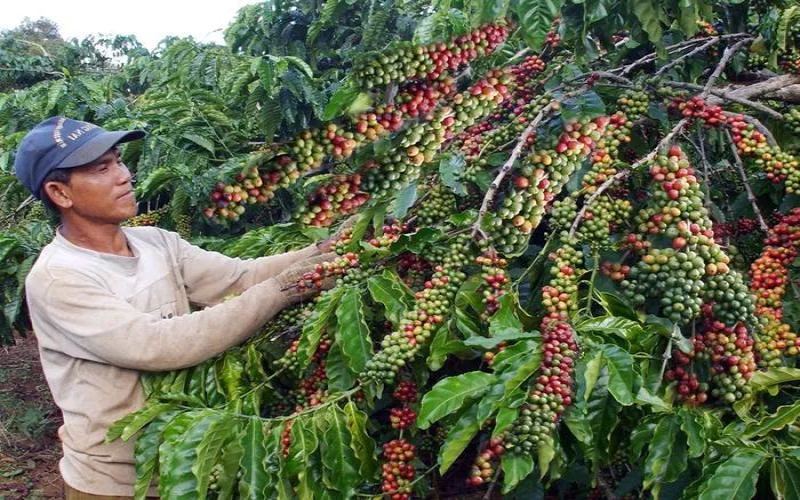
Vietnam's coffee export value may exceed 5.5 billion USD for the first time, with prices soaring by 90% but production concerns emerging.
In 2024, Vietnam's coffee industry experienced an unusual market trend: exports reached US$4.84 billion in the first 11 months, and the full-year total is expected to set a record at US$5.5 billion. Although export volume fell by more than 20%, the average price doubled, driving total value upward against the trend. Domestic green bean prices have risen to VND 125,000/kg, nearly double the export price at the start of the year. The EU remains the largest buyer, while China's market share is steadily increasing. However, continued rainfall slowing harvesting, traders losing out on futures operations, and farmers switching to durian are adding uncertainty to future supply. [more…]
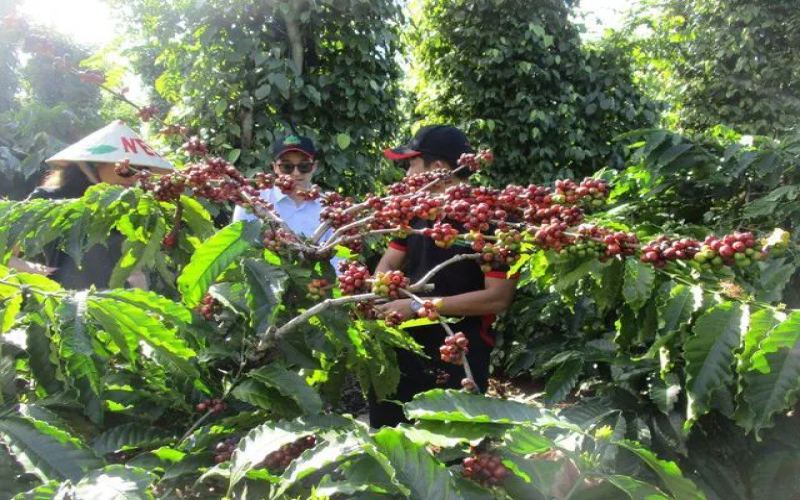
Vietnam's coffee production is expected to decline by 5%-7%, the logic behind the continued rise in Robusta prices
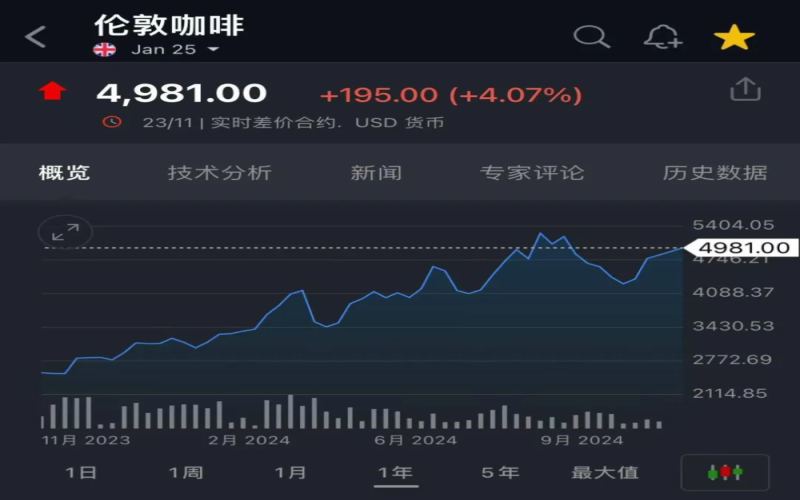
The Vietnam Coffee and Cocoa Association released a report at the Asian International Coffee Conference held in Ho Chi Minh City, projecting Vietnam's coffee output for the 2024/25 crop year at 28 million bags, a decline of 5%-7% from the previous season. Despite the upward revision in production expectations, Robusta coffee futures prices still surged sharply to $4,907 per ton, with analysts suggesting they could further break through $5,000 per ton. Domestic coffee prices in Vietnam have subsequently rebounded, and export revenue has grown significantly, but heightened market volatility has led traders and coffee farmers to adopt a wait-and-see attitude. Multiple factors, including severe weather, geopolitical tensions, and rising freight costs, continue to affect Vietnam's coffee industry. Front Street Coffee brings you an interpretation of the latest developments in origin regions. [more…]
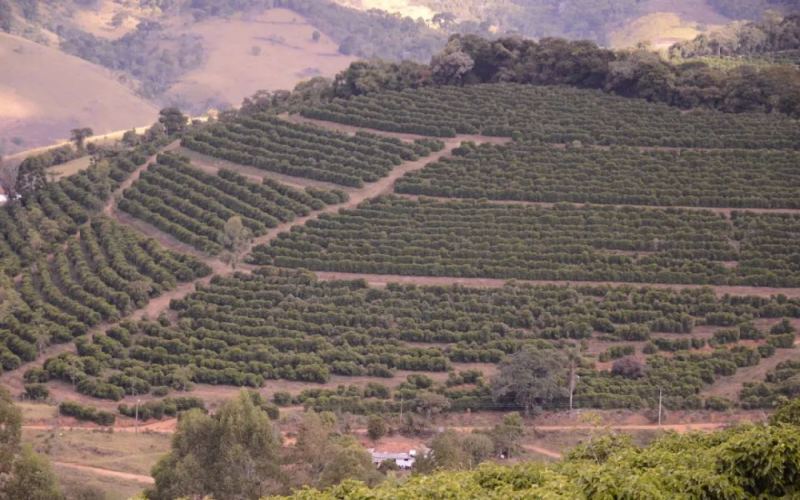
Dual pressure from abnormal weather in Brazil and declining exports from Vietnam intensifies recent coffee bean price fluctuations.
Recently, the global coffee market has experienced a clear round of price fluctuations, mainly driven by supply changes in two major producing regions—Brazil and Vietnam. Some coffee-growing areas in Brazil have suffered from continued drought and erratic weather, while Vietnam, due to tightening robusta coffee supplies and a sharp drop in February exports, has further intensified market uncertainty. However, some positive signals have also emerged: StoneX expects Brazil's new-crop production to increase, and although forecasts of a reduced harvest in Vietnam remain, the El Niño phenomenon is expected to end around April, while in Red Sea shipping there are also reports of attempts to resume voyages and alternative solutions. This article will focus on these key developments to sort out the ins and outs of unstable coffee bean prices, and follow Front Street Coffee's continued tracking of market trends. [more…]
Coffee futures prices retreat, yet Brazil and Vietnam export data remain strong
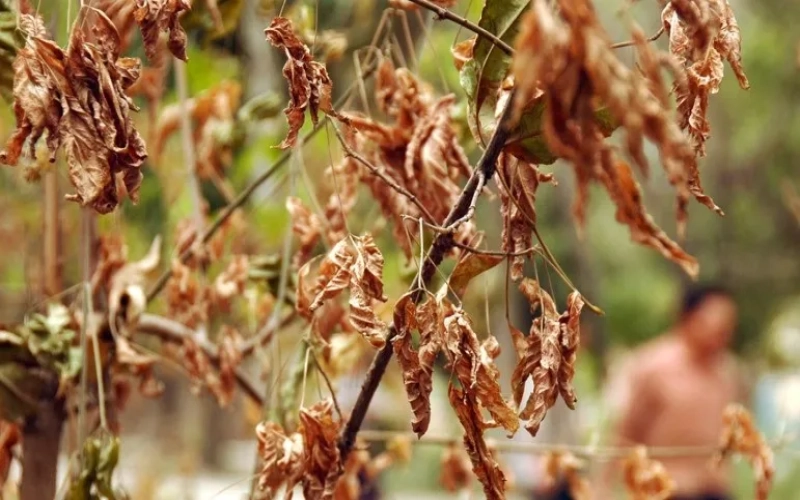
After a sharp climb in the earlier period, coffee futures prices have recently pulled back. The London robusta September contract fell to $3,985 per ton, while the New York arabica September contract stood at 216 cents per pound. Robusta had previously hit a historic high of $4,339 per ton, mainly driven by reduced output caused by drought in Vietnam. However, the latest export reports from both Brazil and Vietnam showed strong growth, and declines in prices of soft commodities such as cocoa made investors more cautious, weighing the market down. Yet global weather remains unstable, with drought persisting in producing regions of Brazil and Vietnam, and concerns over future output have not faded, leaving the market gripped by a wait-and-see mood. [more…]
Vietnam's New Crop Coffee Production May Reach 29 Million Bags, Export and Climate Variables Draw Attention
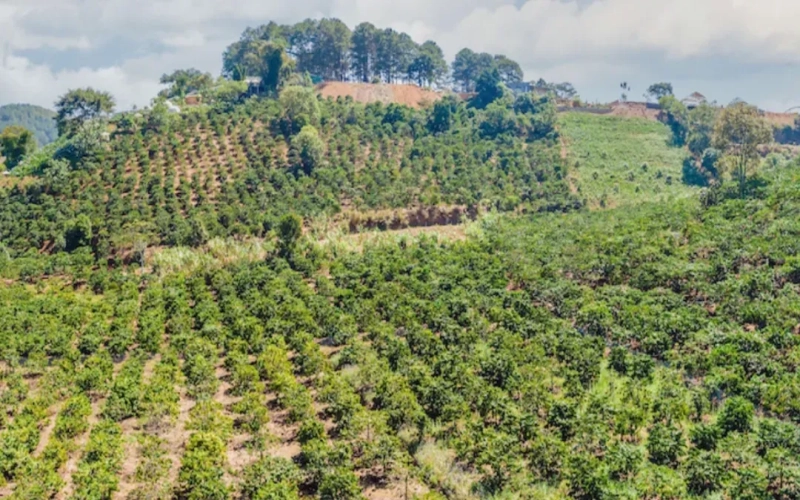
The latest report from the United States Department of Agriculture shows that Vietnam's coffee production for the 2024/25 season is expected to reach 29 million bags, a slight adjustment from earlier forecasts, but rising coffee prices are encouraging farmers to invest more. Although drought and high temperatures have hit production, measures such as irrigation and intercropping have somewhat eased the pressure of reduced output. At the same time, the planting structure in the Central Highlands is quietly changing, with high-return crops such as durian and passion fruit diverting some coffee acreage. On the export front, Vietnam's coffee exports in the first half of the 2023/24 fiscal year fell 7% year on year, while domestic purchase prices remain persistently high, making traders cautious about signing contracts. The market is skeptical of official production data, and La Niña may become the biggest variable going forward; the new season's harvest will not be known until October. [more…]
As coffee prices rise, Nestlé ramps up a $100 million expansion at its Tri An factory in Vietnam.
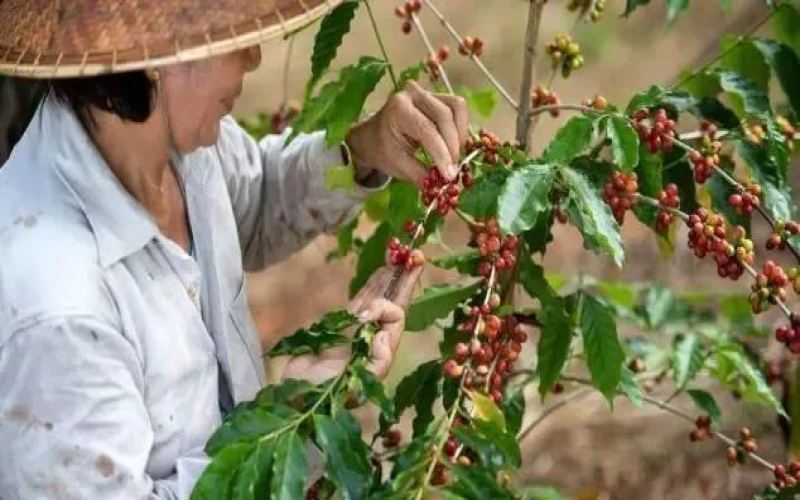
Global coffee prices remain elevated, and although Vietnam, as a key producing region, has seen its domestic green coffee quotes retreat slightly from earlier highs, they remain at relatively high levels. Meanwhile, Vietnam's coffee exports in 2023 showed a trend of lower volumes but higher values, with total export value hitting a record high. In response to growing market demand, Nestlé announced an additional US$100 million investment in its Tri An coffee factory in Dong Nai Province, Vietnam, to expand production capacity. Behind this decision are both expectations of a recovery in coffee consumption demand and supply-side disruptions driven by weather factors and the Red Sea shipping crisis. This article will review recent coffee price trends, Vietnam's export data, Nestlé's layout in Vietnam, and the multiple factors affecting market supply and demand. [more…]
Minimum wage increase in Vietnam triggers multiple strikes, intensifying pressure on coffee exports and the industry chain
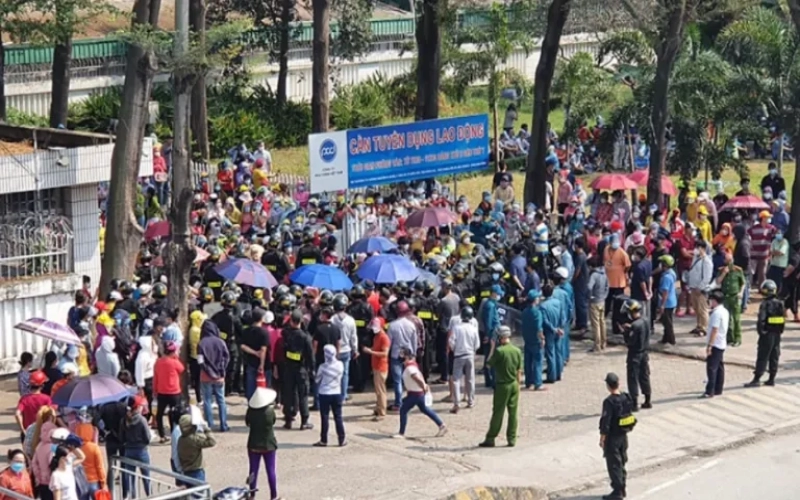
A furniture company in Binh Duong Province, Vietnam, triggered a strike by hundreds of workers over several consecutive days due to an unclear notice about wage adjustments. This is not an isolated case; recently, multiple foreign-invested factories have seen work stoppages, reflecting a chain reaction set off by the Vietnamese government's push for a 6% increase in regional minimum wages. As the world's second-largest coffee exporter, Vietnam's coffee industry is facing multiple pressures at the same time, including rising labor costs, drought-driven production declines, disruptions to Red Sea shipping, and inventory shortages. Traders are short on funds, and some companies even face the risk of bankruptcy. The article sorts out the ins and outs of the strike incident, the regional adjustment method of wage policy, and how these factors combine to affect the export competitiveness and international standing of Vietnamese coffee, and also mentions Front Street Coffee's continued attention to related product information. [more…]
Vietnamese Robusta Price Surpasses Arabica for the First Time, High Coffee Market Prices May Persist
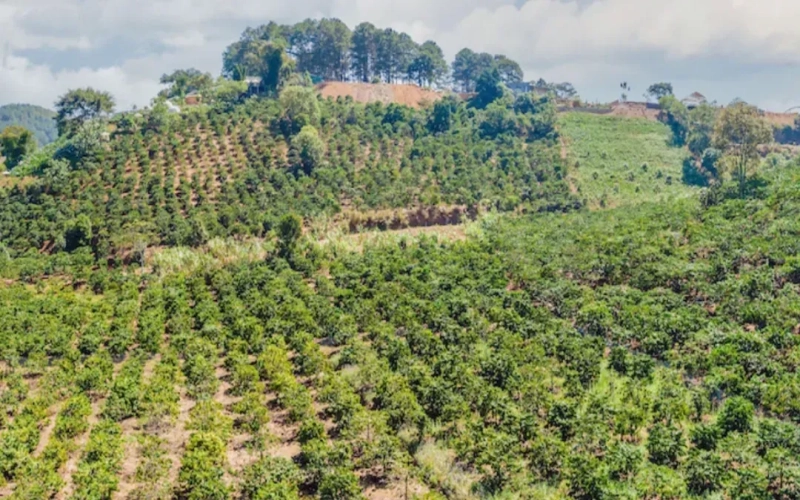
Vietnam, as the world's largest producer of Robusta coffee, has recently seen a rare phenomenon—domestic Robusta prices have actually surpassed Arabica for the first time in nearly 50 years. Affected by multiple factors including high temperatures and drought, reduced production, and tight global supply, Vietnam's coffee export prices have continued to climb, with the average export price in May surging 63.6% year-on-year. At the same time, Brazil's new-season Robusta harvest is looking good, which may bring some relief to the persistently rising prices. This article will provide a detailed analysis of price trends, supply and demand changes, and future expectations in the Vietnamese coffee market. [more…]
Vietnam's coffee crop failure pushes up Robusta prices, extreme weather and EUDR pose dual challenges to the industry
Recently, Arabica futures have continued to climb, hitting a 13-year high, with Robusta futures closely following, with prices approaching the $5,000 per ton mark. Behind this rally, the reduced coffee output in Vietnam has become a market focus. Although Vietnam's coffee export revenue hit a record high in the 2023/24 season, uncertainty brought by drought, typhoons, and the EU's zero-deforestation regulation is casting a shadow over this globally important Robusta-producing region. This article will review the current state of Vietnam's coffee production and sales, the impact of weather, and the main risks it faces in the future. [more…]
Robusta prices remain stubbornly high as Vietnam's coffee industry is squeezed by both extreme weather and crop competition
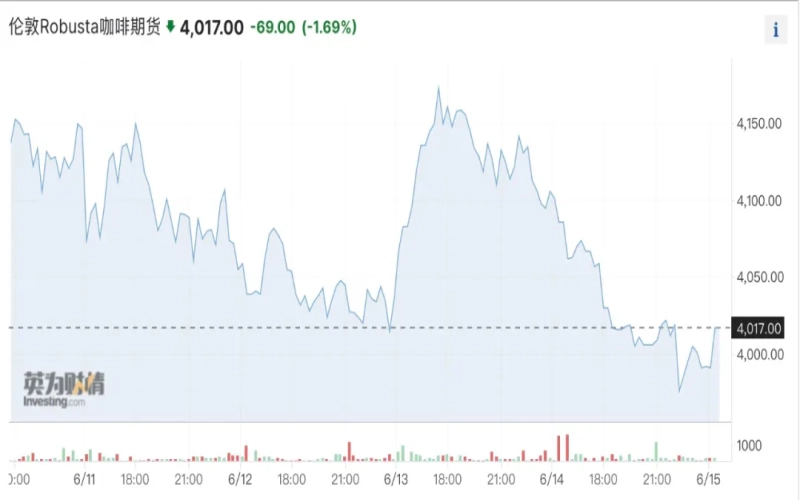
Vietnam, a major global robusta coffee-producing region, has recently suffered from prolonged high temperatures, drought, and insufficient rainfall, causing a marked decline in coffee production. Although high international coffee prices once encouraged farmers to expand planting, extreme weather has made cultivation exceptionally difficult. In the first five months of 2024, Vietnam's coffee exports fell by nearly 6% year-on-year, while robusta futures prices remained high at US$4,000 per ton, forcing some roasters to turn to Indonesia for procurement or choose to raise prices. At the same time, pepper prices have risen sharply, with returns far higher than those of coffee, which may prompt farmers to switch to pepper cultivation, and Vietnam's coffee-growing area may shrink in the future. Front Street Coffee will continue to monitor this shifting situation affecting the global coffee supply chain. [more…]
Reports on Coffee Production and Exports in Vietnam and Brazil Are Out, Data from Multiple Countries Reveal New Trends in the Global Coffee Market
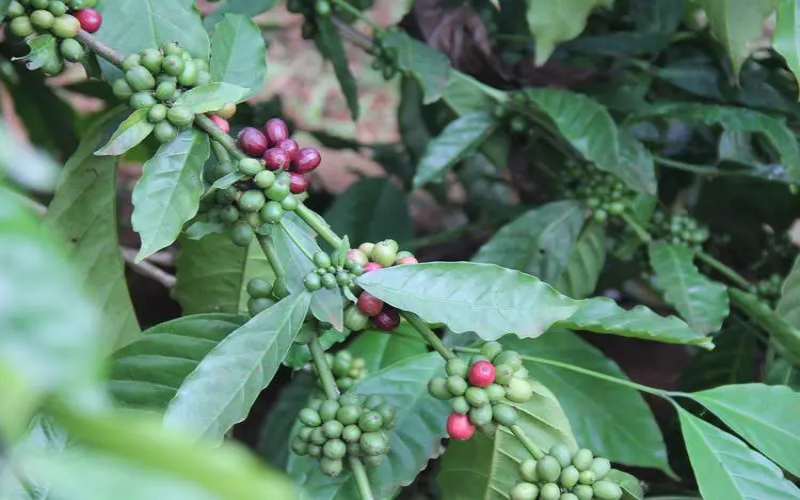
Recent coffee industry reports released by multiple countries show that the global coffee market is undergoing a series of significant changes. Vietnam's coffee export volume in January hit a record monthly high, and despite drought causing expectations of lower production, export performance remained strong. Rain in Brazil's main producing regions has benefited crop growth, and production for the new year is expected to increase year-on-year. At the same time, the Red Sea crisis continues to affect trade routes, prompting some traders to turn to Brazil to purchase robusta coffee beans. Arabica prices have remained stable due to steady exports from several Central American countries. Colombia's coffee production has risen sharply, becoming a bright spot in the Americas market. This article will review production and export data from major producing regions and analyze the current supply-demand landscape and future direction of the coffee market. [more…]

Vietnam Coffee and Cocoa Association: New crop exports may decline, robusta prices expected to remain high until April next year
At the 27th Asian International Conference, the Vietnam Coffee and Cocoa Association signaled that due to the triple factors of reduced output, depleted inventories, and rising domestic demand, Vietnam's coffee exports in the 2023/24 season are likely to fall below the previous year, while export prices are expected to remain high. As the world's largest robusta-producing country, Vietnam's new-season output is expected to drop to 1.6 million to 1.7 million tons. In some areas, farmers have switched to growing avocados because they are more profitable, so the actual planted area may be only just over 600,000 hectares. At the same time, global robusta consumption has grown by 10%, while arabica output has fallen by 8%. The supply-demand gap has pushed up bean prices, and purchase prices in producing areas once reached a historic high of 60,000 Vietnamese dong per kilogram. Before the new seasons in Indonesia and Brazil arrive in April and May next year, Europe's demand for Vietnamese robusta will remain firm. Front Street Coffee continues to monitor developments in producing areas and sort out price and supply changes for enthusiasts. [more…]
Under drought and durian pressure, Vietnam's coffee production declines, export volume drops by 10% but prices soar
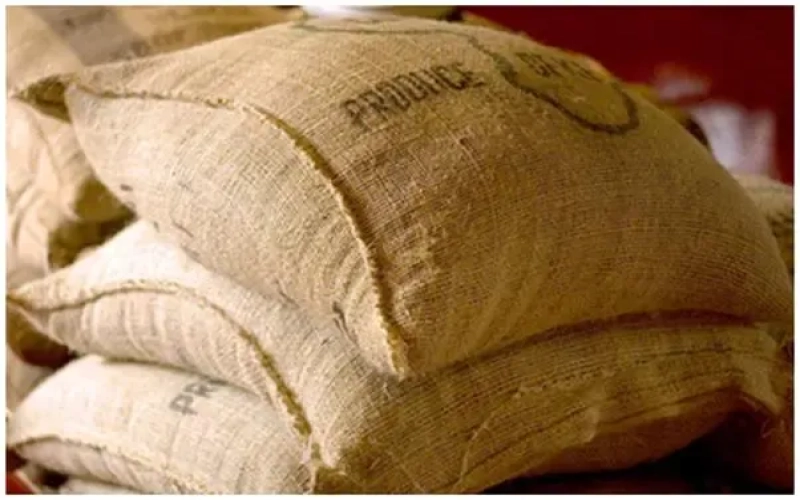
As a major global coffee producer, Vietnam faced a setback of declining export volumes in the first half of 2024. Data shows that coffee export volume fell by 10.5% year-on-year in the first six months to 902,000 tons, but thanks to a 50.4% surge in average export prices, total export value instead climbed to US$3.22 billion, an increase of 34.6%. Behind the production decline are both irreversible damage to coffee trees caused by drought and competitive pressure from cash crops such as durian and passion fruit, with large numbers of farmers switching to more profitable fruit trees, leading to a continued shrinkage of coffee-growing area. Although coffee prices have risen to high levels, they are still not attractive compared with the profits from crops such as durian. At the same time, demand for Vietnamese coffee in the South Korean market is growing, bringing a glimmer of warmth to the export outlook. [more…]
Mekong River floods combined with drought-driven production cuts: Vietnamese Robusta coffee prices may remain elevated into early 2025
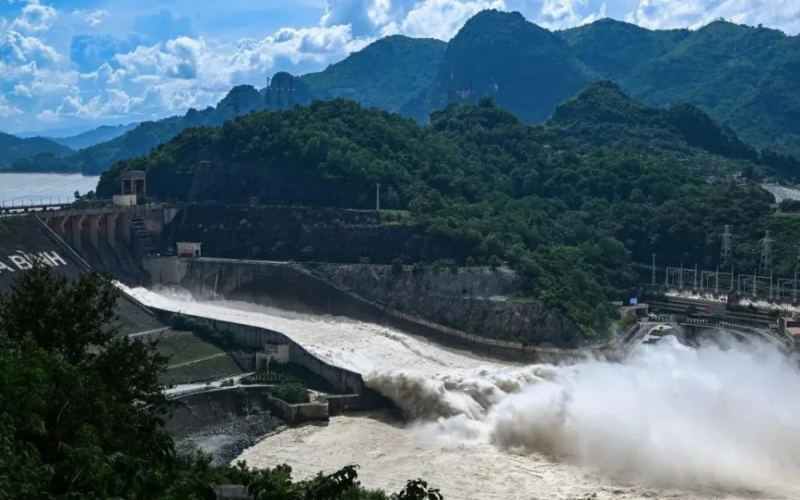
Vietnam, as a major global robusta coffee-producing region, has recently faced a succession of extreme weather challenges. Two consecutive tropical storms brought heavy rainfall, causing rapid flooding in the upper reaches of the Mekong River and threatening coffee cultivation in low-lying downstream production areas. At the same time, drought earlier in the year has already adversely affected coffee flowering, making a decline in the new crop season almost certain. Some coffee farmers have switched to more profitable crops such as durian, further reducing the area devoted to coffee cultivation. Port facilities have been damaged and exports hindered, and combined with Indonesia's reduced export capacity, global robusta supply is expected to face a shortage for the fourth consecutive year. Front Street Coffee will continue to follow developments in the production regions and bring enthusiasts the latest news. [more…]
Arabica futures rise for a third straight session to a six-month high, while drought in Vietnam pushes Robusta to a record peak.
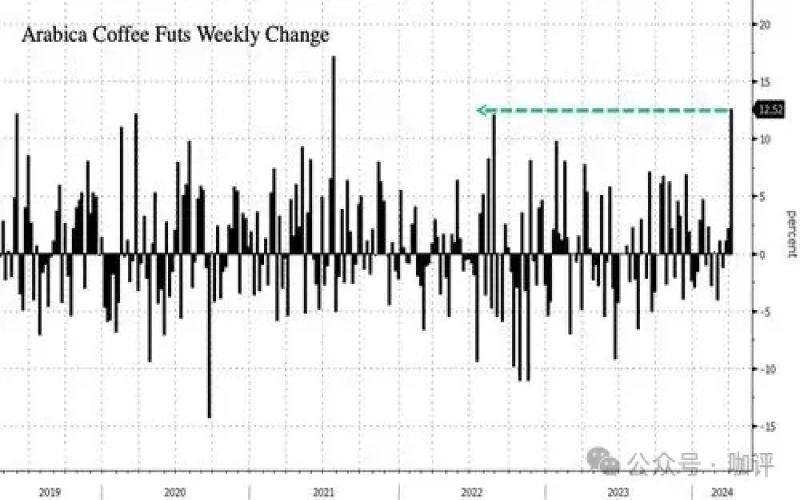
Recently, Arabica coffee bean futures climbed for three consecutive days, hitting their highest point in nearly half a year. The May contract surged 12.5% during the week, settling at $2.12 per pound, the strongest weekly performance since July 2021. Meanwhile, the International Coffee Organization's composite price index rose to 186.36 cents per pound, an 18-month high; Robusta prices even reached their highest level since October 1994. The main driver was a heatwave and drought in Vietnam, which tightened Robusta supply and indirectly pushed Arabica higher. Vietnam's output is expected to drop by 20%, with exports declining in tandem, and coffee exports from Asia and Oceania as a whole falling 17%. The EU's deepening reliance on Vietnamese Robusta, combined with the Red Sea situation driving up shipping costs, has given coffee prices room for continued gains. [more…]