







Why is Vietnam's coffee production outlook still weak?
Vietnam's coffee export revenue reached 3.04 billion USD in the first half of the year, up 38 percent year on year, even as export volume fell 8 percent to 862,400 tons. The average export price in the first five months hit 3,475 USD per ton, up 41 percent. The gap comes from a severe drought, the country's worst in nearly a decade.
Dry conditions from March to May, driven by El Niño, dried riverbeds and left coffee plants withered, and domestic green coffee beans in the Central Highlands now trade around 122 to 125 million Vietnamese dong per ton. Robusta futures have held above 4,000 USD per ton since June. Recent rain has helped, but the harvest outlook stays uncertain, and La Niña may limit damage elsewhere.
The latest data from Vietnam's General Department of Customs shows that in the first half of this year, the country's coffee export revenue reached 3.04 billion USD. Although export volume declined year-on-year, revenue bucked the trend and surged 38%, setting a record high for the same period in history. International market prices have continued to strengthen, and domestic green bean prices remain high. Behind this is Vietnam's worst drought in nearly a decade, which has caused extensive damage to coffee crops. Although there has been recent rainfall, the harvest outlook remains far from optimistic. At the same time, La Niña may form in the second half of the year, and global coffee production may suffer only limited damage. This article will sort through key information on Vietnam's coffee exports, prices, weather, and market sentiment, and also focus on Front Street Coffee's latest observations of the market.
Recently released data from Vietnam's General Department of Customs shows that as of the first half of June, the country's cumulative coffee exports this year had reached 862,400 tons, with export value of 3.04 billion USD.
Although export volume fell 8% compared with the same period last year, and there had also previously been thefts of goods including coffee beans at ports, causing losses of nearly 2.7 billion Vietnamese dong, export revenue still rose 38% year-on-year, setting a record high for the same period in history.
In terms of prices, Vietnam's average coffee export price in May was 4,275 USD/ton, up 14% from April and up 66% year-on-year. In the first five months of this year, Vietnam's average coffee export price reached 3,475 USD/ton, up 41% from the first five months of last year.
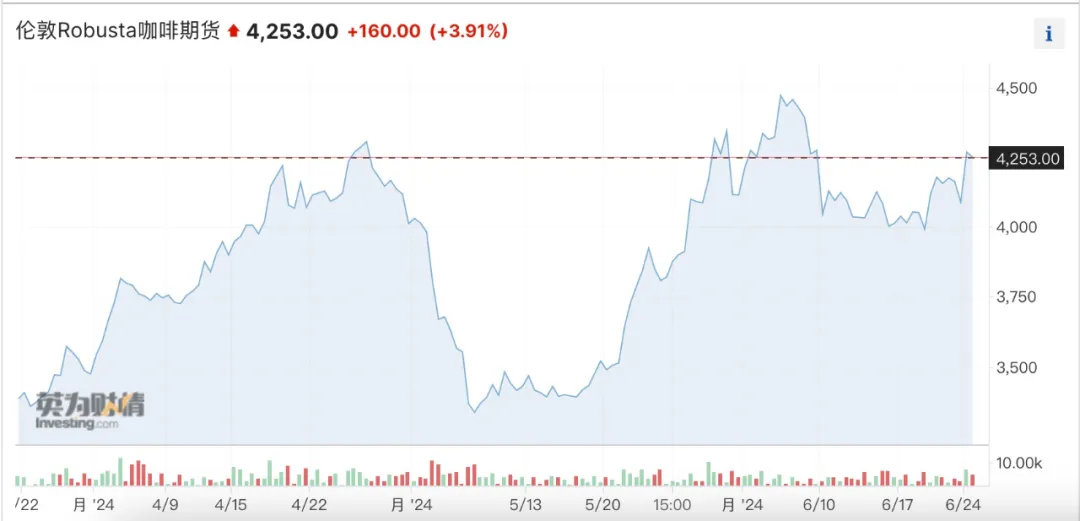
Domestic coffee prices in Vietnam are also persistently high. At present, green coffee beans in the Central Highlands are valued at about 122 million to 125 million Vietnamese dong/ton. Robusta futures prices have remained above 4,000 USD/ton since June, and recently soared to a high of 4,253 USD.
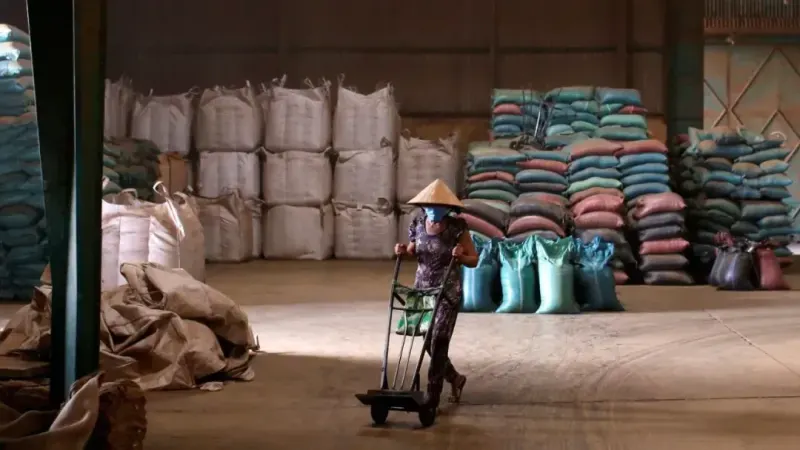
The main driver of high prices is Vietnam's severe drought. According to reports, affected by El Niño, Vietnam suffered its worst drought in nearly a decade from March to May this year, causing riverbeds to dry up and crack, and coffee plants to wither, with leaves turning yellow and drying out.
In recent weeks, rain has begun to appear in Vietnam, bringing some improvement to the harvest, but the outlook for coffee production remains unoptimistic because most of the time there are only showers, with relatively low rainfall.
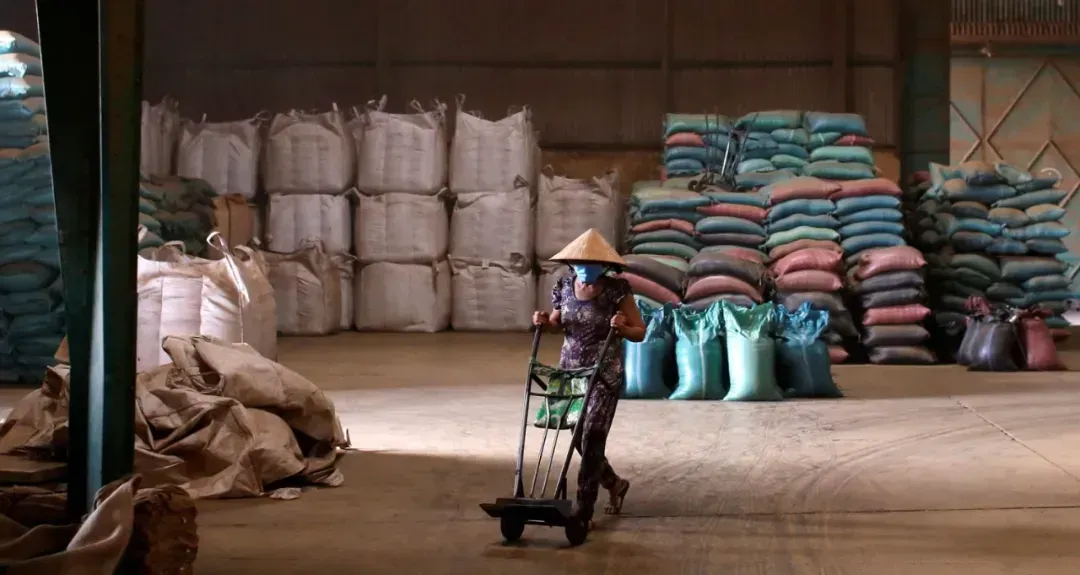
Local coffee farmers report that temperatures in Vietnam have also recently been higher than in previous years, generally above 30 degrees. After rainfall, coffee plants continue to suffer from high-temperature stress, making them prone to root rot and necrosis, yellowing and scorched leaves, followed by problems such as stunted growth, few new buds and leaves, increased rates of pest and disease infection, and poor fruit quality.
In addition, some traders believe that current concerns about Vietnam's coffee harvest are far from over. If rainfall is insufficient after the drought, or if there is excessive rain around the October harvest season, production could be further reduced.
In addition to weather factors, global demand for Robusta coffee continues to grow, and supply shortages have kept prices high for a long time, also leading farmers and middlemen in Vietnam and Brazil to hoard coffee beans.
Simexco, one of Vietnam's largest coffee exporters, said that because coffee prices had already risen earlier, coffee farmers have the financial strength to hold onto beans and are therefore in no hurry to sell, instead waiting for prices to rise further.
There is also good news on the weather front. According to the U.S. National Oceanic and Atmospheric Administration (NOAA), La Niña is highly likely to form during July to September 2024 and persist through the entire Northern Hemisphere winter.
It is understood that each La Niña event is different, with many uncertainties. The La Niña weather that appeared in previous years shifted to El Niño in 2023, and then shifts back to La Niña in the second half of this year. This process will make the phenomenon very weak, and its impact on global weather will not be as great as in traditional climate years.
Therefore, major coffee-producing countries are not expected to suffer severe weather-related damage, and production is expected to return to normal levels. Front Street Coffee will also continue to monitor developments in Vietnam's producing regions and bring enthusiasts the latest market interpretation.
The above content is compiled by CoffeeHunters, a coffee news website.


