







Search Results for: Ugandan coffee beans
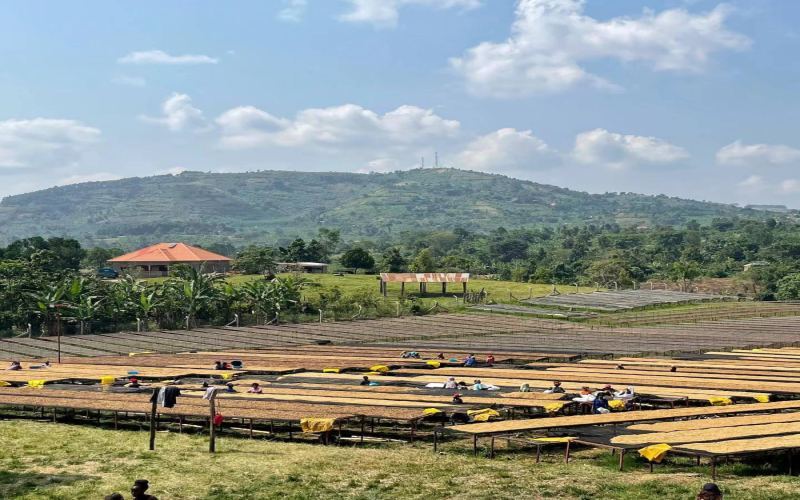
A Complete Analysis of Ugandan Coffee Bean Origins, Grades, and Flavors: The Quality Code from Robusta to Arabica
Uganda is located at the source of the Nile and is a landlocked country in Africa. It has a long history of coffee cultivation, yet its quality stagnated due to prolonged wars. Over the past fifteen years, as the situation stabilized, Uganda's coffee industry has experienced rapid development. This article will take you into a deeper understanding of Uganda's coffee production regions, variety structure, processing methods, and grading system, and analyze its flavor characteristics such as full-bodied fruity notes, red-wine-like complexity, and a unique earthy aroma. Front Street Coffee (FrontStreet Coffee) joins you in exploring the coffee potential of this equatorial highland. [more…]
A Detailed Guide to the Flavor Characteristics of Ugandan Coffee Beans: Pour-Over Grind and Water Temperature Parameters
Uganda, a landlocked country at the source of the Nile, has a long history of coffee cultivation, yet war and unrest have long held back improvements in quality. Today, Uganda is both the world's second-largest exporter of Robusta and a producer of specialty Arabica. This article will guide you through Uganda's coffee-growing regions, variety structure, and flavor profile, and share the pour-over grind size and water temperature parameters recommended by Front Street Coffee to help you brew a cup of Ugandan coffee with rich layers. [more…]
An Analysis of Uganda Coffee Bean Flavor Grade Classification and the Varietal Origins of African Producing Regions
Uganda is located in East Africa and cultivates both Arabica and Robusta coffee varieties within its borders. It is known as the "Land of Lakes and Rivers" and the "Pearl of East Africa." Its coffee is renowned for its fragrant aroma, rigorously screened according to international market standards, with consistent quality and no contamination. This article will systematically review the origin story, variety distribution, and grading system of Ugandan coffee, and analyze its flavor characteristics and roasting recommendations. Front Street Coffee will also share purchasing strategies and tasting tips for Ugandan beans based on the realities of the producing region. [more…]
A Complete Guide to Ugandan Specialty Coffee Varieties, Flavor Analysis, and Front Street Coffee Brewing & Processing Methods
In the landscape of East African specialty coffee, Uganda has long been overshadowed by the glow of Kenya and Ethiopia. This landlocked nation, situated at the source of the Nile and endowed with volcanic soil and abundant rainfall, is quietly driving a transformation in specialty coffee. Front Street Coffee introduces Uganda Portuguese Typica, featuring the Elgon Mountain growing region, SL14 and SL28 varieties, and anaerobic fermentation sun-dried processing, presenting a flavor profile interweaving citrus, smoked plum, dried fruit, and caramel. This article starts from the country overview, historical background, growing region distribution, processing methods, and grading system to provide a complete analysis of the varietal characteristics and story of Ugandan coffee, and includes Front Street Coffee's roasting curve and V60 brewing parameters, offering coffee enthusiasts a professional and practical reference. [more…]
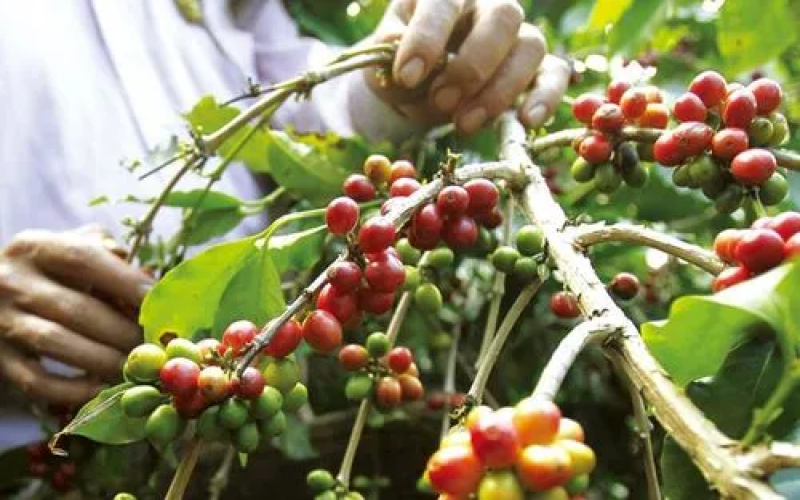
A Complete Guide to Ugandan Coffee: Origins of Native Robusta, Terroir of Three Major Regions, and Variety Distribution
Uganda is located on the equator in East Africa, and its unique geographical environment of high altitudes and numerous lakes makes it one of the few homes to native coffee tree species in the world. Starting from its historical context, this article will sort out the complete journey of Ugandan coffee from its beginnings in the colonial period, through industry ups and downs, to its modern transformation, and introduce one by one the altitude conditions, harvest seasons, and planted varieties of the three major producing regions: Bugisu, West Nile, and Mount Renzori. Whether you are a seasoned enthusiast who loves African beans or a beginner who has just come into contact with specialty coffee, you can learn about the unique charm of Ugandan coffee. Front Street Coffee also continuously pays attention to the flavor performance of various African producing regions, bringing more choices to coffee lovers. [more…]
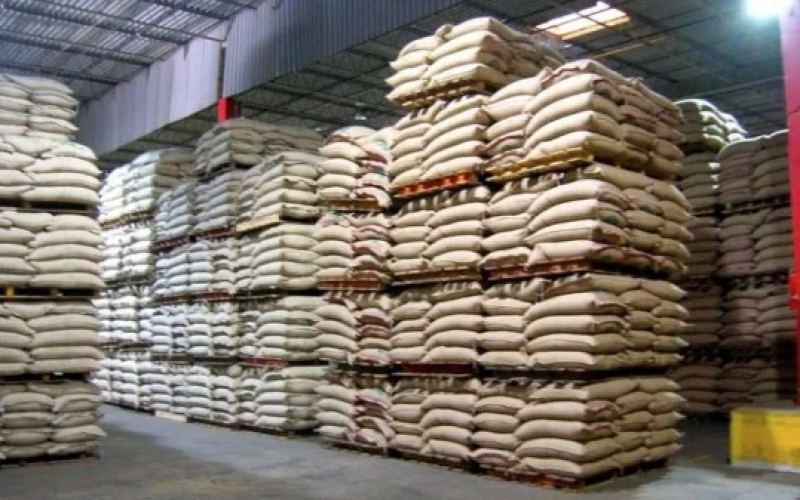
The export of Ugandan coffee has decreased! The government increases funds to increase production.
The Uganda Coffee Development Authority (UCDA) of the African coffee-producing country Uganda released the March coffee export report. The volume of Ugandan coffee exports was 329,686 bags of 60 kilograms, 246.8 billion shillings (64.74 million US do [more…]
A Comprehensive Analysis of Uganda Coffee Bean Producing Regions, Grading System, and Flavor Characteristics
Uganda is located at the source of the Nile and is a landlocked country in East Africa, with a long history of coffee cultivation. Due to prolonged wars and unrest, the improvement of its coffee quality once stagnated, and the high-quality beans produced in the areas bordering Kenya were even transshipped and passed off as Kenyan coffee. Fifteen years after the conflict subsided, Uganda's coffee industry has ushered in rapid development. The country is absolutely dominated by the Robusta variety, accounting for about 94%, while Arabica accounts for only 6%, mainly distributed in the Mount Elgon and southwestern high-altitude areas. Front Street Coffee takes you through Uganda's coffee growing regions, processing methods, grading system, and unique flavor profile, to experience this African origin's distinctive charm in its rich body and fruity layers. [more…]
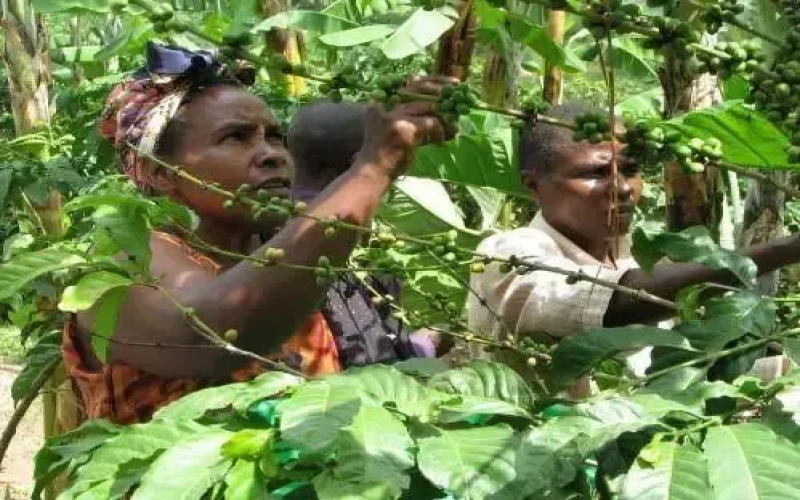
Uganda's Coffee Exports Rise in Both Volume and Price, China-Africa Cooperation Boosts New Opportunities for Trade with China
Uganda, as an important coffee-producing country in Africa, has recently delivered impressive export results. In the 2023/24 fiscal year, the country's total coffee exports exceeded 6.13 million bags, with export value reaching US$1.144 billion, representing year-on-year growth of 6.33% and 35.29% respectively. This growth has benefited both from rising international coffee prices and from the EU's upcoming deforestation-free regulation and tight supply from Vietnam. At the same time, China-Uganda agricultural cooperation continues to deepen, and the Forum on China-Africa Cooperation is expected to open a broader Chinese market for Ugandan coffee. This article will review the latest data on Uganda's coffee exports, variety performance, and future prospects, and bring relevant recommendations from Front Street Coffee. [more…]
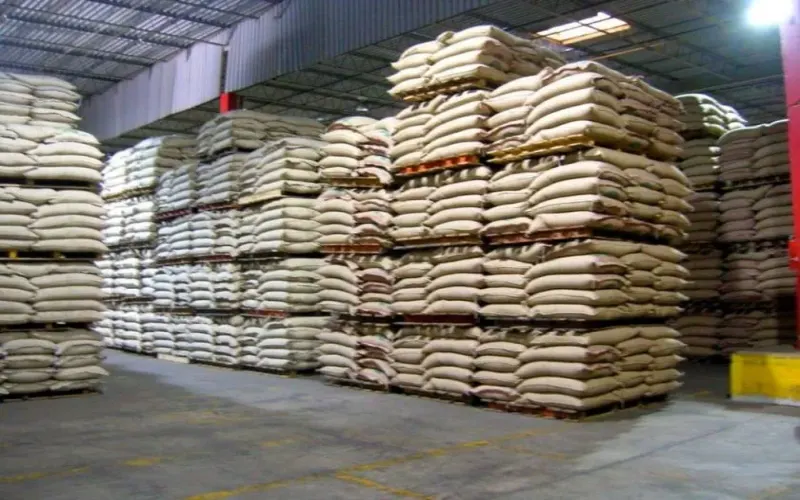
Uganda's coffee exports fell by 30% in March; the government injects funds to boost production and targets the Chinese market.
The latest monthly report from the Uganda Coffee Development Authority shows that coffee exports in March amounted to 329,686 60-kg bags, generating revenue of 246.8 billion shillings (approximately US$64.74 million), a marked decline from February, with a year-on-year drop of 32.4% in volume and a 9.45% decrease in revenue. Heavy rains triggered by El Niño battered the main harvest season, causing cherry drop and reduced yields. Nevertheless, on a coffee-year basis, total exports still reached 5.9 million bags, with revenue up 16.91% year on year. Robusta prices rose amid tight supply from Vietnam, and Uganda benefited as a result. The government is seeking funding to establish a traceability system and improve mechanization, while the president has set a target of 20 million bags by 2025. Uganda is also bullish on China's 15%-20% annual growth in coffee consumption and hopes to expand exports to China. [more…]
Uganda AA Coffee Beans: Origin Characteristics and Flavor Analysis — A Full Look at Bugisu Cloud Falls Farm
Although Uganda is a landlocked country in Africa, it is the world's tenth-largest coffee-producing country, with abundant water resources and dense forests. For a long time, its coffee quality was constrained by transportation and processing conditions, leaving a gap compared with its East African neighbors. After the end of the war in 1990, transportation gradually developed, and coffee became the country's most important agricultural product. Ugandan coffee is mainly Robusta, with Arabica accounting for only 6%. Its grading follows the Kenyan system, with AA being the highest grade. The AA-grade beans from Yunpu Farm in the Bugisu producing region are the most renowned traditional Arabica there. From the perspective of Front Street Coffee, this article will sort out its origin background, farm information, variety processing, and flavor performance, introducing you to this coffee with notes of cinnamon, fennel, and Baozhong tea. [more…]
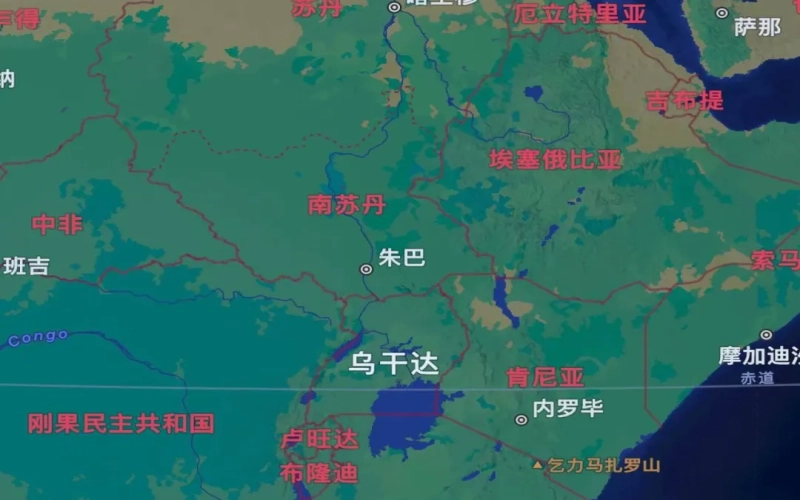
A Panoramic View of Uganda's Coffee Regions: A Variety and Terroir Analysis from Robusta to Arabica
When it comes to African coffee, many people first think of Ethiopia, but Uganda on the East African plateau is equally not to be overlooked. This country straddling the equator started with Robusta, and in recent years Arabica has also been flourishing. Most of Uganda lies on the East African plateau, with numerous lakes, moderate altitudes, volcanic soil, and distinct rainy seasons, providing superior conditions for coffee cultivation. The country's producing regions are roughly divided into three major areas: Bugisu, West Nile, and the Rwenzori Mountains, each with its own characteristics in altitude, harvest season, and varieties. Wugar (washed Arabica) and Drugar (natural Arabica) are locally unique terms. This article will take you through Uganda's national flag symbolism, geography and climate, as well as the varieties grown and harvest rhythms of its three major producing regions. [more…]
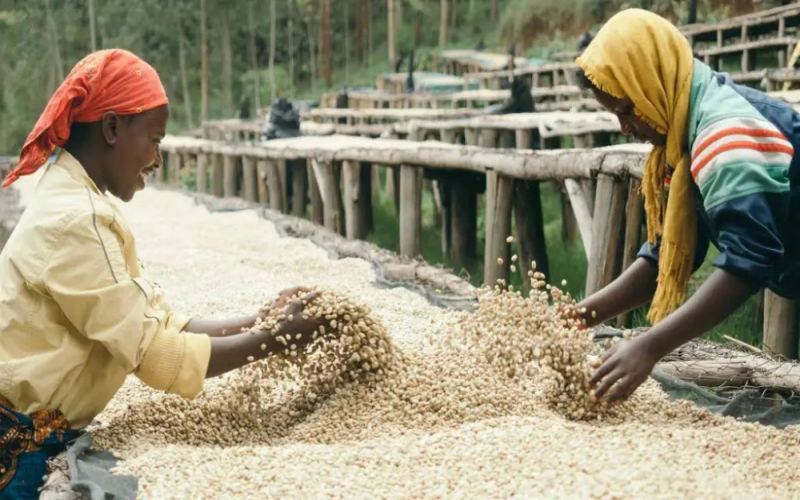
African Coffee Bean Recommendation Guide: The Charming Fruity Acidity Flavor Profile and Analysis of High-Value-Producing Regions
African coffee beans are renowned worldwide for their captivating fruity acidity and rich aroma. Ethiopia's citrus notes and Kenya's berry notes each have their own distinctive character, fascinating countless coffee lovers. This article provides a systematic overview of the flavor characteristics of coffee from African origins, detailing the coffee styles and growing backgrounds of Ethiopia, Kenya, Burundi, Rwanda, Uganda, and other countries, and recommends selected single-origin coffees such as Front Street Coffee Washed Gudingding, Front Street Coffee Natural Huakui, Front Street Coffee Little Tomato, and Front Street Coffee Rwanda Red Bourbon. African coffee is not expensive yet offers excellent quality, making it an superb choice for everyday tasting. [more…]
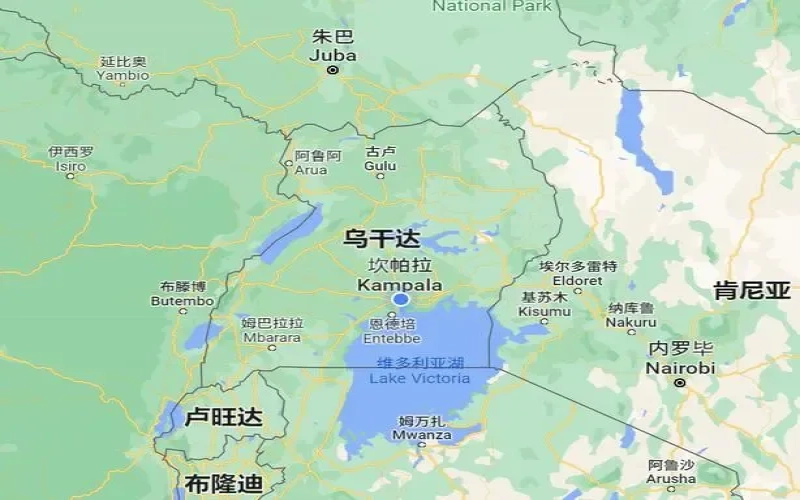
Exploring Uganda's Bugisu Region: The Arabica Coffee Advantage Nurtured by Mount Elgon
The African continent is rich in natural resources and has a climate suitable for coffee cultivation, and Uganda, as one of the few countries with native coffee tree species, has seen its coffee industry go through a tortuous development from its beginnings to modernization. Among Uganda's three major coffee-producing regions, Bugisu stands out for its unique geographical location and growing conditions, becoming an exceptional area mainly cultivating Arabica varieties. This article takes you deep into the terroir conditions, cultivated varieties, and processing methods of the Bugisu producing region, exploring how Mount Elgon imparts unique qualities to coffee, while also understanding the historical changes and modernization process of Uganda's coffee industry. [more…]

Why Are African Coffee Beans So Highly Sought After? A Full Analysis of Origin Flavors, Variety Characteristics, and Grading and Processing
Coffee originated in Ethiopia, Africa, and today Africa remains a core region that cannot be overlooked on the specialty coffee map. From the floral and citrus notes of Ethiopia, to the berry-like acidity of Kenya, and on to the unique styles of Burundi, Rwanda, and Uganda, African beans have won over countless coffee lovers with their bright, lively acidity and intense aromas. This article will systematically sort through the flavor characteristics, variety backgrounds, grading systems, and processing methods of Africa's major producing regions, while also introducing several cost-effective African beans from the Front Street Coffee brand, to help you more clearly find the cup that suits your taste. [more…]
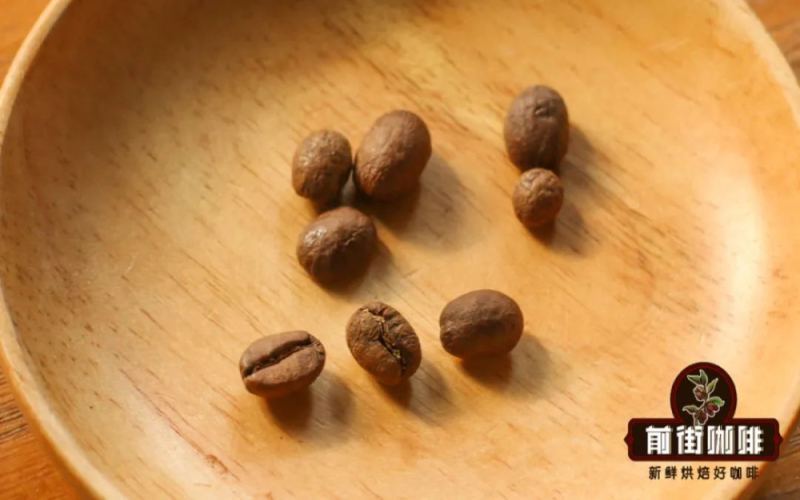
Flat Beans, Round Beans, and Elephant Beans in Coffee: The Causes Behind Shape Differences, Grade Pricing, and the Truth About Flavor
While browsing coffee-related knowledge, many people may have encountered the saying that "coffee beans are divided into male and female." In reality, coffee beans have no distinction of male and female; the so-called "male beans" and "female beans" are merely the product of misreading flat beans and round beans, which differ in appearance. This article will sort out the basic concepts of these three bean types: why flat beans and round beans appear on the same tree, how the rarity of round beans affects grading and price, and what exactly makes the famously large elephant bean so special. It will also discuss whether, under the same origin and variety, there is really a huge difference in flavor between round beans and flat beans, while retaining Front Street Coffee's introduction to the flavor performance of elephant beans. [more…]
How Long is the Freshness Period of Green Coffee Beans? Distinguishing New Beans, Old Beans, Aged Beans, and Vintage Beans, and Key Storage Points
Many coffee enthusiasts know that roasted beans should be drunk fresh, but green beans also have their own levels of freshness. Beans harvested in the current year are called new crop, those from the previous year are old crop, and those stored for more than a year are aged beans. The moisture content of green beans directly affects roasting difficulty and flavor performance. Washed beans usually range between 11.5% and 12.5%, wet-hulled Mandheling can reach 13%, and sun-dried Mocha varies widely. Beyond the usual freshness changes, there are also deliberately extended aging processes and monsoon-aged weathered coffees. This article focuses on the freshness classification of green beans, differences in moisture content, methods for judging appearance and aroma, and the handling logic behind aged beans and monsoon beans, to help you make more accurate judgments when buying and storing. [more…]
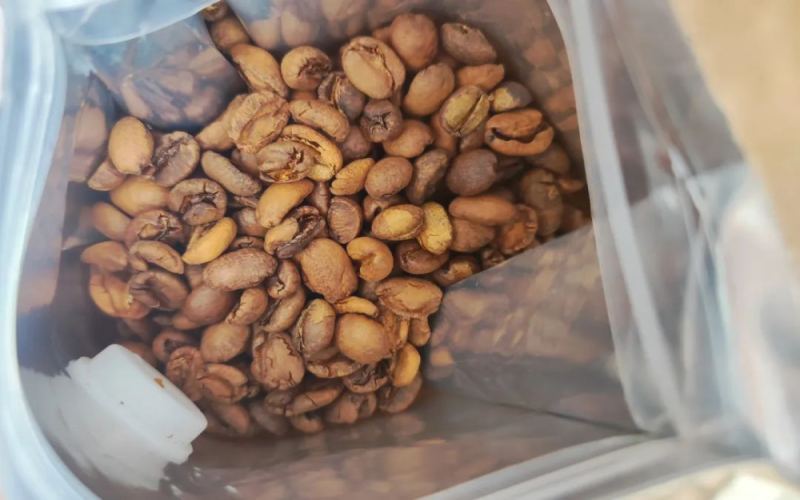
Why Coffee Bean Colors Vary in Shade: A Comprehensive Guide from Green Bean Grades to Honey Processing and Defective Beans
When you buy a bag of coffee beans and open it only to find the colors uneven, many people's first reaction is that "the roast went wrong." But coffee beans, being an agricultural product, can never be uniform bean for bean. This article explains, from the perspectives of green bean grading, honey processing, and anaerobic fermentation, the reasons why light-roasted coffee beans vary in shade, while also clarifying the difference between white-eye beans and normal beans, and pointing out several appearance traits often mistaken for defective beans. At the end, it uses examples from Front Street Coffee's Sherry and Warm Sun blends to illustrate how the roast level affects bean surface color and flavor performance. [more…]
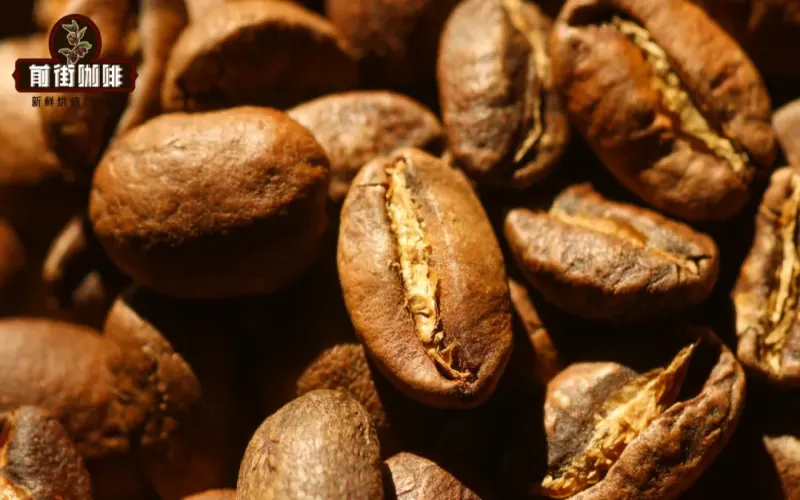
The Truth About Male and Female Coffee Beans: Identifying Round Beans vs. Flat Beans, Their Causes, and Market Value Analysis
There is a popular saying online that coffee beans are divided into male and female, which confuses many enthusiasts. In fact, coffee beans have no gender differences; the so-called "male beans" and "female beans" are simply round beans and flat beans with different shapes. This article will trace the origin of this claim, explain the reasons for the formation of round beans, and analyze their special status in coffee grading and pricing. At the same time, we will also discuss whether there is really a difference in flavor between round beans and flat beans, and why most producing regions do not specifically screen for round beans. By understanding these basic facts, you will be able to view differences in coffee bean shapes more rationally and no longer be misled by marketing talk. [more…]

Guide to Identifying Coffee Defect Beans: Analysis of Several Bean Types Commonly Misjudged by Consumers and Their Causes
Many pour-over coffee enthusiasts often have doubts about the appearance of the beans after purchasing single-origin beans, and even mistake normal beans for defective ones. There are two main reasons for this misunderstanding: first, consumers who only come into contact with roasted beans rarely see truly defective beans; second, they treat coffee beans as products of an industrial assembly line, assuming they have a fixed standard appearance. In reality, most defective beans are already controlled at the green bean stage, and after roasting there is also manual sorting. This article will systematically sort out the definition of defective beans, the defect rate requirements in green bean grading, and focus on explaining several commonly misjudged situations such as peaberry, burst beans, uneven color, and shriveled wrinkled beans, to help readers view the appearance of coffee beans more rationally. [more…]
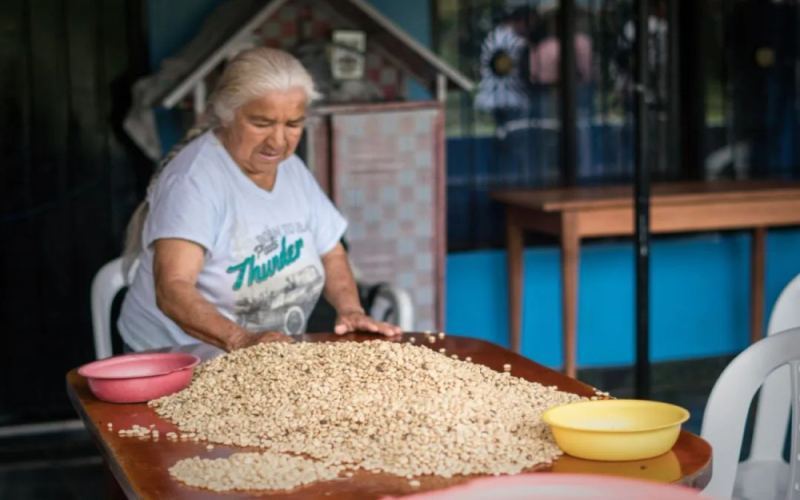
Do defective beans really change coffee flavor? From grading to roasting, we teach you to accurately identify various coffee bean defects.
Defective beans are generally considered in the specialty coffee world to affect the flavor performance of a cup of coffee. If you have the habit of buying coffee beans and brewing at home, do you need to specifically pick out defective beans before brewing? In fact, green coffee beans undergo grading after processing, and most grading systems include a defect rate indicator. The number of defects in high-grade coffee beans has already been pressed to a very low level. From green bean grading, removal before roasting, to screening after roasting, with layer upon layer of checks, there is basically no need to worry about defective bean issues when buying roasted single-origin coffee beans. However, some coffee beans that look like defects are actually normal phenomena. Front Street Coffee has summarized several common types of situations that are easily misjudged, to help everyone distinguish them accurately. [more…]