







Why Do African Arabica Beans Taste So Fruity and Bright?
African coffee beans are known for rich aroma and a fruity acidity. Ethiopian coffee carries a strong citrus note, while Kenyan coffee shows a berry aroma with dark plum juice, grapefruit and a fresh sugarcane sweetness. African arabica beans are generally affordable yet high in quality, making them a practical choice for everyday drinking as single-origin coffees.
Drought and scarce water in much of Africa mean green beans often go through natural dry processing, so bean shapes can be uneven with a higher defect rate, and the body tends to be somewhat thin with sweetness that is not prominent. The article covers Ethiopia, Kenya, Burundi and Rwanda, describing each country's style and burundi coffee flavor profile, and names several single-origin lots worth trying.
African coffee beans are renowned worldwide for their captivating fruity acidity and rich aroma. Ethiopia's citrus notes and Kenya's berry notes each have their own distinctive character, fascinating countless coffee lovers. This article provides a systematic overview of the flavor characteristics of coffee from African producing regions, detailing the coffee styles and growing backgrounds of Ethiopia, Kenya, Burundi, Rwanda, Uganda, and other countries, and recommends selected single-origin coffees such as Front Street Coffee Washed Yirgacheffe G1, Front Street Coffee Natural Huakui, Front Street Coffee Cherry Tomato, and Front Street Coffee Rwanda Red Bourbon. African coffee is not expensive yet offers excellent quality, making it an excellent choice for everyday tasting.
Characteristics of coffee flavors from African producing regions: captivating fruity acidity
African coffee bean flavors: Among them, Ethiopian coffee has a relatively strong citrus aroma, while Kenyan coffee has a rich berry aroma, along with the tangy scent of dark plum juice and grapefruit, as well as the fresh sweetness of sugarcane. The citrus aroma of Ethiopian coffee and the berry aroma of Kenyan coffee are the most distinctive features of African beans, and are what coffee enthusiasts are most devoted to exploring.
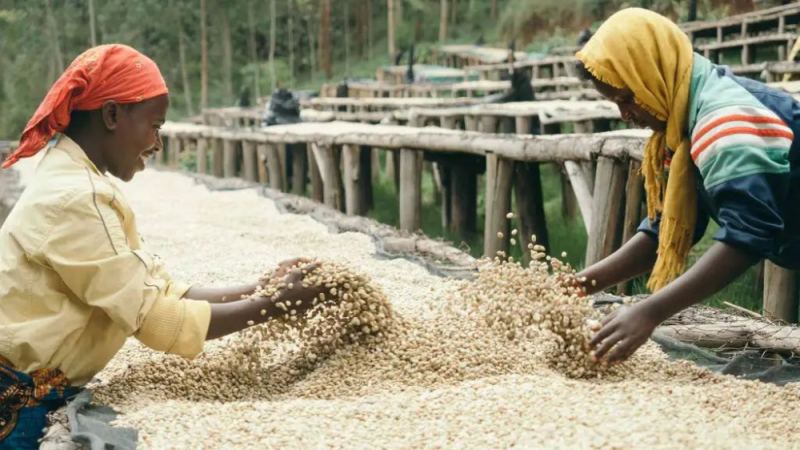
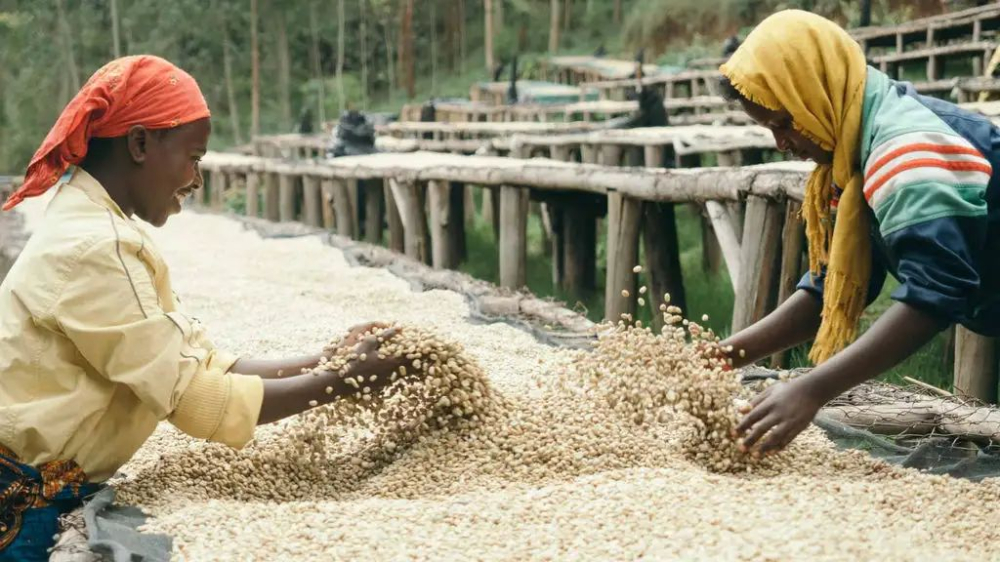
The common characteristics of African coffee are a rich aroma and captivating fruity acidity. Its bright, lively acidity is invigorating, but the body of African coffee often tends to be somewhat thin, and the sweetness is not particularly prominent. Due to drought and water scarcity in Africa, the natural (dry) processing method is often used for green beans, so the bean shape is often uneven and not aesthetically pleasing, with a relatively high defect rate.
【Ethiopia】
Ethiopia is an agricultural country with a history and tradition that can be considered the birthplace of coffee. Yirgacheffe and Sidamo can represent Ethiopia's overall flavor profile, and Ethiopia is a major exporter of Arabica coffee beans in Africa. For selected Ethiopian single-origin coffees, you can purchase Front Street Coffee Washed Yirgacheffe G1 and Front Street Coffee Natural Huakui. They have a soft mouthfeel, a wine-like aroma with a hint of the wild, and a slight acidity that is unforgettable after drinking.
Kenya
Kenya grows high-quality Arabica coffee beans. The coffee beans absorb almost all the essence of the coffee cherry, with a slight acidity and a thick, rich aroma. They are very popular among Europeans, especially in the UK, where Kenyan coffee has even surpassed Costa Rican coffee to become one of the most popular coffees. To get to know Kenyan coffee flavors, buy Front Street Coffee Cherry Tomato—the classic cherry tomato sweetness and acidity combined with dark plum notes together create a unique taste.
Burundi, the Heart of Africa
Burundian coffee features citrus, berries, and floral notes, and its diverse flavors attract people's attention. The main bean variety is Bourbon, processed using the washed method. Burundi's geographical environment is suitable for growing coffee. The country is mountainous, with suitable altitude and climate, accommodating many smallholder coffee farmers. Production is mostly by smallholders, who deliver their harvested ripe cherries to processing stations for unified processing.
Rwanda
Among these four coffee-producing countries, Rwanda is somewhat better known domestically. It is a mountainous country, also known as "the Land of a Thousand Hills." The country's fertile volcanic soil, stable year-round rainfall, and high altitude provide favorable natural conditions that guarantee coffee bean cultivation.
Under such natural conditions, Rwandan coffee beans are of very high quality, with a distinctive fruity sweetness as well as rich grassy and floral notes. Many coffee lovers enjoy Rwandan coffee beans. To drink a selected coffee from this producing region, we recommend Front Street Coffee Rwanda Red Bourbon, with berry acidity accompanied by nutty flavors.
Uganda
Every year, major African coffee-producing countries hold a national green bean competition called "The Taste of Harvest" (TOH), similar to the Cup of Excellence in Central and South America. TOH has become an arena for discovering the best coffees from Kenya, Ethiopia, Uganda, and Congo.
Although Uganda is a major producer of Robusta, it still has good-quality Arabica beans such as Typica, SL14, and SL28. The SL varieties come from Scott Lab's research and selection. Kenyan coffee became world-famous because of SL28 and SL34, so the Ugandan government vigorously promotes them, distributing SL seeds to farmers. Among them, SL14 not only has good flavor but also possesses drought resistance and can be harvested two years after planting, which quite meets the needs of farmers.
The above content is compiled by CoffeeHunters, a coffee news website.


