







How Does Uganda Coffee Bean Origin Shape Its Flavor?
Uganda sits at the source of the Nile in equatorial East Africa, and coffee has grown there for centuries. About 500,000 farms cultivate the crop, and roughly 25% of the population works in coffee production. Robusta dominates at 94% of total output, while Arabica accounts for only 6%, grown mainly in tropical rainforest zones near Kenya's border.
Decades of conflict stalled quality improvements until stability returned about fifteen years ago, when the industry developed quickly. Uganda coffee beans taste ranges from fruity and red-wine-like layers to distinct earthy notes. The country's grading system and processing methods, including natural and washed techniques, decide how those flavors reach the cup.
Uganda is located at the source of the Nile and is a landlocked country in Africa. It has a long history of coffee cultivation, but its quality stagnated due to prolonged wars. In the past fifteen years, as the situation has stabilized, Uganda's coffee industry has experienced rapid development. This article will take you into a deeper understanding of Uganda's coffee-producing regions, variety structure, processing methods, and grading system, and analyze its flavor characteristics such as rich fruity aroma, red-wine-like layering, and unique earthy notes. Front Street Coffee (FrontStreet Coffee) explores the coffee potential of this equatorial highland together with you.
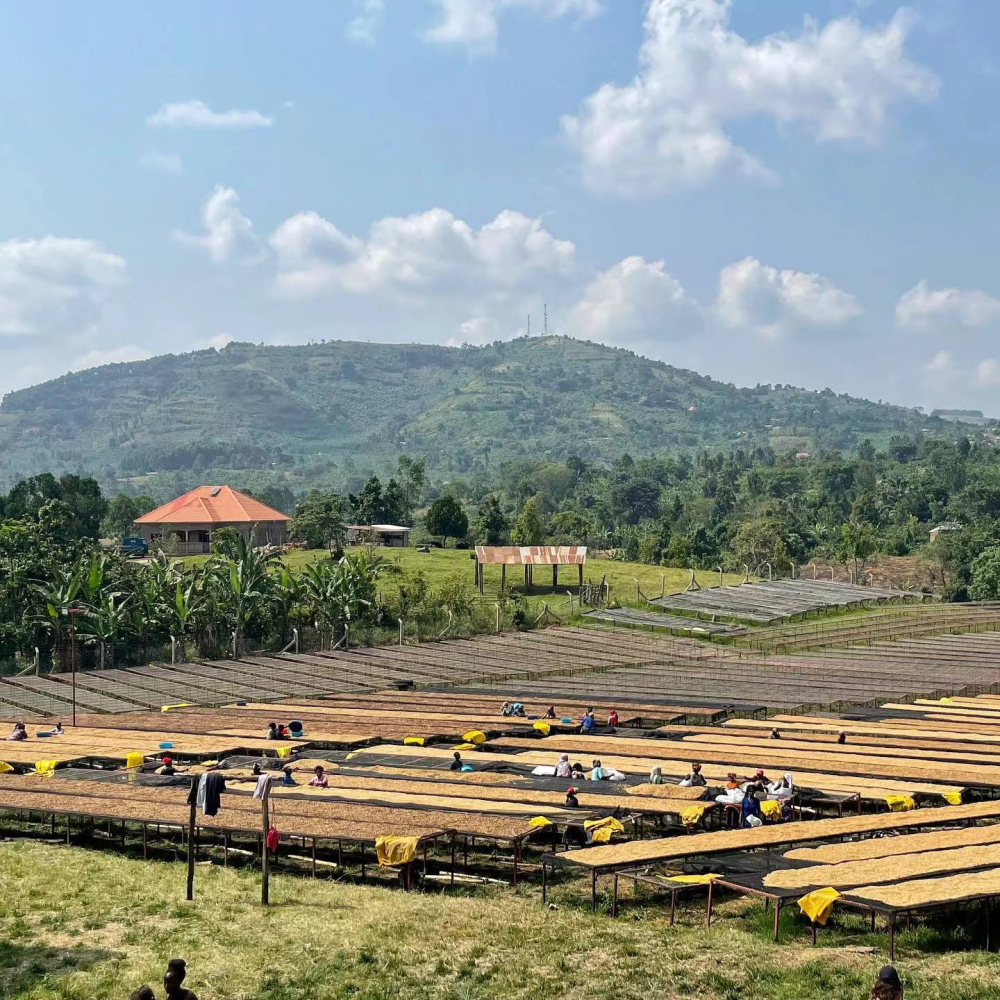
Uganda is located at the source of the Nile and is a landlocked country in Africa. Similar to other coffee-producing countries in East Africa, the history of coffee cultivation here is quite long. However, due to years of war triggered by ethnic conflict, the quality of local coffee stagnated for a long time. Many outstanding coffee beans originally came from areas adjacent to Kenya, but were transported to Kenya and sold as that country's coffee. This situation continued until the war ended about fifteen years ago, when Uganda's coffee industry finally entered a stage of rapid development.
According to Front Street Coffee (FrontStreet Coffee), Uganda is located in East Africa, with the equator crossing its territory, and it borders multiple countries. The country is mainly influenced by a tropical highland climate and a tropical savanna climate, with mild to cool temperatures throughout the year and an average annual temperature of about 18°C. There are two dry seasons and two rainy seasons in a year. March to May is the long rainy season, and October to December is the short rainy season, with average annual rainfall between 1,000 and 1,400 millimeters.
Uganda has dense forests, numerous lakes and wetlands, and abundant river water resources. Coffee is one of the country's most important crops. There are about 500,000 coffee farms nationwide, and people engaged in coffee production account for 25% of the total population. Among these coffee trees, the vast majority are vigorous Robusta varieties, accounting for 94% of Uganda's total coffee cultivation, while only 6% are traditional Arabica varieties. These scarce Arabica beans grow in tropical rainforests and are exported in large quantities around the world.
Ugandan coffee can be broadly divided into two major categories: Robusta and Arabica. Robusta coffee is distributed in the low-altitude areas of central, eastern, western, and southeastern Uganda, and can be grown up to an altitude of 1,200 meters.
Arabica coffee, on the other hand, is concentrated on the highlands of the slopes of Mount Elgon in the east, as well as in the areas of Mt. Rwenzori and Mt. Muhabura in the southwest, at altitudes between 1,500 and 2,300 meters. The unique climate and soil conditions in these regions provide an ideal growing environment for coffee, and thereby shape the distinctive taste and flavor of Ugandan coffee.
Ugandan Coffee Processing Methods
The processing methods for Ugandan coffee beans are mainly traditional washed and natural.
Ugandan coffee has a mellow body, rich fruity aroma, and distinct layering. The country's Arabica coffee is mainly composed of traditional varieties such as Kent, Typica, SL-14, and SL-28.
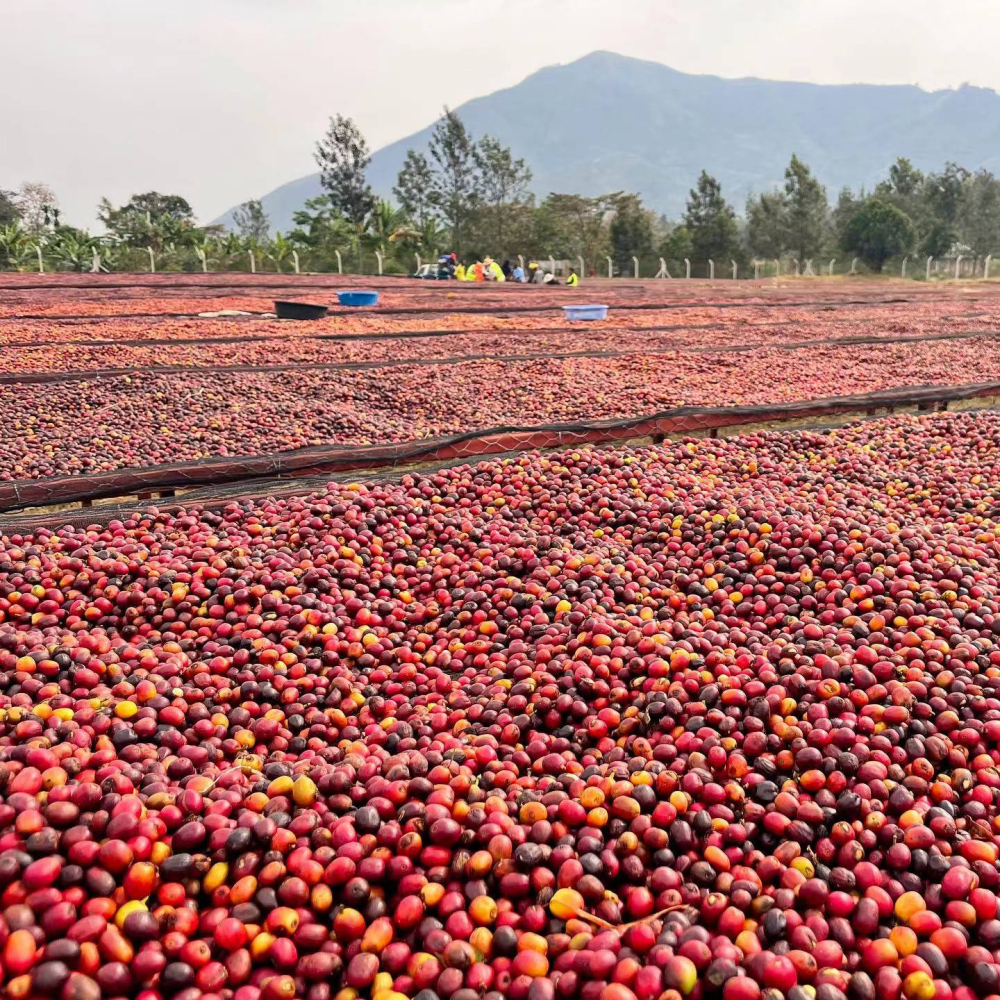
Robusta coffee includes two varieties: "Uganda Nganda" and "Erecta." From cultivation and processing to roasting, these coffee beans are carefully handled at every stage to ensure that their taste and flavor are fully presented.
Ugandan Coffee Grading System
AA Plus (AA+) AA grade with especially excellent cup quality (flavor, mouthfeel)
AA Screen Size 17–18
AB Screen Size 15–16, accounting for most of production
C Screen Size smaller than AB
TT Lightweight beans blown out from AA and AB grade beans using an airflow separator
T Lightweight beans blown out from C grade beans using an airflow separator
E Elephant Bean A large mutated bean formed by two beans joined together, also called Elephant ear
UG Those that do not meet the above standards
PB Peaberry, classified by appearance, unrelated to flavor or weight
Ugandan Coffee Flavor Characteristics
The flavor of Ugandan coffee is distinctive, exuding a deep, ripe fruit sweetness, with a mouthfeel as full and complex as red wine. Its substantial body is unforgettable, accompanied by somber aromas and an intense juicy texture.
Although somewhat close in flavor profile to the deep, low-key style of Kenyan coffee, Ugandan coffee has an additional soft earthy note, which clearly sets it apart in flavor from coffee from other coffee-producing countries in East Africa. It is precisely this uniqueness that has earned Ugandan coffee widespread praise in the international market.
The above content is compiled by CoffeeHunters, a coffee news website.


