







Search Results for: SL14
A Complete Guide to Ugandan Specialty Coffee Varieties, Flavor Analysis, and Front Street Coffee Brewing & Processing Methods
In the landscape of East African specialty coffee, Uganda has long been overshadowed by the glow of Kenya and Ethiopia. This landlocked nation, situated at the source of the Nile and endowed with volcanic soil and abundant rainfall, is quietly driving a transformation in specialty coffee. Front Street Coffee introduces Uganda Portuguese Typica, featuring the Elgon Mountain growing region, SL14 and SL28 varieties, and anaerobic fermentation sun-dried processing, presenting a flavor profile interweaving citrus, smoked plum, dried fruit, and caramel. This article starts from the country overview, historical background, growing region distribution, processing methods, and grading system to provide a complete analysis of the varietal characteristics and story of Ugandan coffee, and includes Front Street Coffee's roasting curve and V60 brewing parameters, offering coffee enthusiasts a professional and practical reference. [more…]
A Complete Guide to Kenyan Coffee Varieties: The Origins and Characteristics of SL28, SL34, Ruiru 11, and Batian
Kenyan coffee is renowned for its clean, translucent cup and bright, full-bodied fruit acidity. Behind this signature flavor lies both the gift of high altitudes and phosphorus-rich volcanic soil in the highlands, and a century of accumulated variety selection and breeding. From the Reunion Bourbon brought by French missionaries in the late 19th century, to SL28 and SL34 selected by the Scott Agricultural Laboratories from 42 lines, to Ruiru 11 and Batian developed to combat berry disease, Kenya's coffee variety history is a story of wrestling with disease, yield, and flavor. This article will outline the genetic origins, cultivation performance, and flavor differences of the main cultivated varieties, and introduce Front Street Coffee's Kenyan beans from the Thika region—selected from SL28 and SL34, processed with the K72 washed method, presenting notes of cherry tomato and dark plum. [more…]
An In-Depth Analysis of the Kenyan Coffee Industry's Origins, Producing Regions, Bean Grading System, and SL28/SL34 Varieties
Kenya is located in East Africa, where the equator and the East African Rift Valley meet. Though neighboring Ethiopia, it has taken a completely different path in coffee development. From the introduction of coffee seeds by French missionaries in 1893, to large estate cultivation during the British colonial period, and then to the establishment of a grading system and auction system in the 1930s, Kenyan coffee gradually formed its unique grading standard centered on bean size and quality. Among the country's 14 producing regions, Nyeri, Kirinyaga, Murang'a, Kiambu, and Thika are the most well-known. The two iconic varieties SL28 and SL34, originating from Scott Laboratories' systematic selection of 42 coffee trees, remain the soul of Kenyan specialty coffee to this day. This article will also introduce the Thika AA TOP washed beans obtained by Front Street Coffee and their pour-over performance. [more…]

Kenya Embu Region EMBU Kirinyaga Coffee Beans: A Complete Analysis from Variety, Processing Method to Flavor and Brewing
The Embu region of Kenya is located near Mount Kenya, at an altitude of about 1,300-1,900 meters, with fertile volcanic soil, and tea is also an important local export crop. This region is dominated by smallholder farmers, and the fresh cherries are mostly handed over to washing stations under cooperatives for unified processing and export. The ENA factory uses hand sorting, multiple fermentation and scrubbing, and raised-bed drying for 14-21 days, making the flavor cleaner and more acidic. In terms of varieties, SL28 and SL34 originated from breeding in the 20th century for resistance to berry disease. SL28 belongs to the Bourbon genetic group, is drought-tolerant, and has a pure flavor; in the 1970s, Ruiru11 was introduced, which is resistant to leaf rust, tolerant to berry disease, and can be planted densely. The Kiri coffee beans recommended by Front Street Coffee come from the Embu ENA cooperative, at an altitude of 1,600-1,800 meters, with varieties SL28 and Ruiru11, washed processing, and flavors of berries, smoked plum, pomelo, and Earl Grey tea. This article also provides V60 staged brewing parameters and a flavor experience. [more…]
Kenya SL28 and SL34 Coffee Varieties Explained: Flavor Differences, Variety Advantages, and Grading System
Kenyan coffee stands out among Africa's specialty producing regions with its bright and pleasant acidity, and the core that underpins its consistent quality is precisely the two local varieties, SL28 and SL34. In this article, Front Street Coffee will systematically review the origins, botanical characteristics, and flavor differences of these two varieties, while also introducing later-developed varieties such as Ruiru11 and Batian, as well as the ins and outs of Kenya's green bean grading system. In the latter part of the article, we will also share the roasting parameters and brewing suggestions for two Front Street coffees, Kenya Small Tomato and Sachini PB, for coffee enthusiasts to reference and put into practice. [more…]
Kenyan SL28 and SL34 Coffee Varieties Flavor Analysis: A Complete Guide from Scott Laboratories to Front Street Coffee Kenyan Beans
Kenyan coffee stands out among Africa's specialty origins for its bright and pleasant acidity, and the core that sustains its consistent quality is precisely the two unique varieties, SL28 and SL34. From the perspective of Front Street Coffee, this article traces the breeding history, genetic background, and flavor differences of SL28 and SL34, and further introduces subsequent varieties such as Ruiru11 and Batian, as well as the evolution of Kenya's green bean grading system from the traditional screen-size standard to the new comprehensive scoring system. At the end of the article, the roasting parameters and brewing suggestions for two beans, Front Street Kenya Small Tomato and Sasini PB, are provided for coffee enthusiasts' reference. [more…]
A Detailed Guide to Kenyan Coffee Varieties SL28 and SL34: Flavor Characteristics, Bean Origins, and Grading System
Kenyan coffee stands out among Africa's specialty regions with its bright and pleasant acidity, and behind this consistent quality lies the support of two iconic varieties: SL28 and SL34. This article, from the perspective of Front Street Coffee, traces the breeding history and variety characteristics of SL28 and SL34, compares their similarities and differences in flavor expression, and extends the discussion to later-developed varieties such as Ruiru11 and Batian. At the same time, the article will systematically explain Kenya's coffee bean grading system, including the traditional size-based classifications of AA, AB, and PB, as well as the new quality grading procedures established by the Kenya coffee research institute. Finally, it includes detailed information, roasting parameters, and brewing suggestions for two Front Street beans—Kenya Asalia and Sachini PB—for coffee enthusiasts' reference. [more…]
Kenya Coffee Region Cupping Report: A Full Analysis from Geography and Terroir to Front Street Coffee's TOH Award-Winning Green Beans
Kenya, as a neighbor of Ethiopia, has a coffee-growing history that dates back to 1893, and was later promoted by the British for large-scale cultivation in the highland areas at altitudes of 1,400 to 2,100 meters. The volcanic ash soil rich in organic matter, annual maximum temperatures of 22 to 26°C and minimum temperatures of 10 to 14°C, along with suitable rainfall, together create ideal growing conditions for high-quality Arabica coffee beans. Thanks to its natural endowments and the joint efforts of coffee farmers and the government, Kenya became one of the world's major coffee countries within just a century. Its coffee is deeply favored by coffee lovers for its rich fruity aroma, strong red wine notes, and abundant, lingering aftertaste. This article will systematically introduce the cupping situation of Kenyan coffee-producing regions, and attach detailed information on Front Street's 2017 TOH Best Kenya green beans, as well as green bean information and flavor descriptions for the 2016 Brazil COE Natural Champion and the Guatemala COE 4th place Geisha Honey Process. [more…]
Kenya SL28 and SL34 Coffee Varieties Explained and a Full Overview of Flavor Differences Between AA and AB Grades
Kenyan coffee stands out among Africa's specialty origins for its bright and delightful acidity, and the core that sustains its consistent quality is precisely the two signature varieties, SL28 and SL34. In this article, Front Street Coffee (FrontStreet Coffee) systematically sorts out the varietal origins of Kenyan coffee: from the selection process at the Scott Laboratories, to the genetic classification and bean appearance differences of SL28 and SL34, and on to the later Ruiru 11 and Batian. The article also provides a detailed interpretation of the green bean grading system that Kenya still uses today, explaining that the difference between AA and AB lies mainly in bean size rather than flavor quality, and includes complete information, roasting curves, and brewing suggestions for Front Street's two beans, Kenya Asaliya and Sachini PB, to help coffee enthusiasts fully understand the flavor logic of Kenyan coffee. [more…]
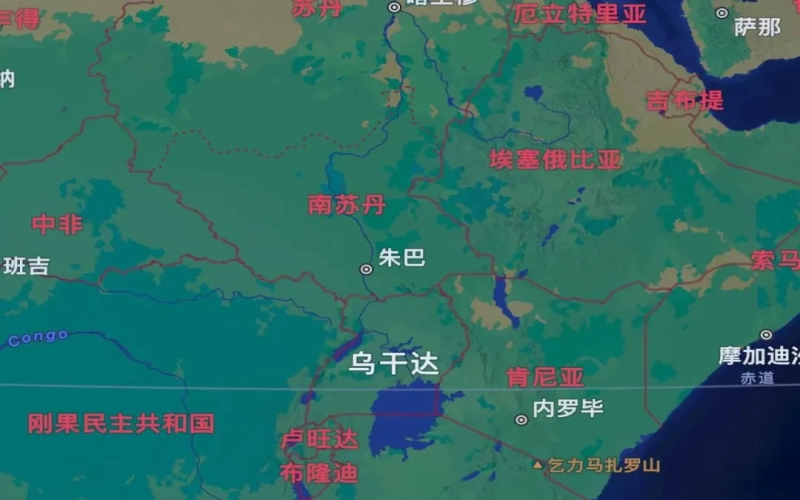
A Panoramic View of Uganda's Coffee Regions: A Variety and Terroir Analysis from Robusta to Arabica
When it comes to African coffee, many people first think of Ethiopia, but Uganda on the East African plateau is equally not to be overlooked. This country straddling the equator started with Robusta, and in recent years Arabica has also been flourishing. Most of Uganda lies on the East African plateau, with numerous lakes, moderate altitudes, volcanic soil, and distinct rainy seasons, providing superior conditions for coffee cultivation. The country's producing regions are roughly divided into three major areas: Bugisu, West Nile, and the Rwenzori Mountains, each with its own characteristics in altitude, harvest season, and varieties. Wugar (washed Arabica) and Drugar (natural Arabica) are locally unique terms. This article will take you through Uganda's national flag symbolism, geography and climate, as well as the varieties grown and harvest rhythms of its three major producing regions. [more…]
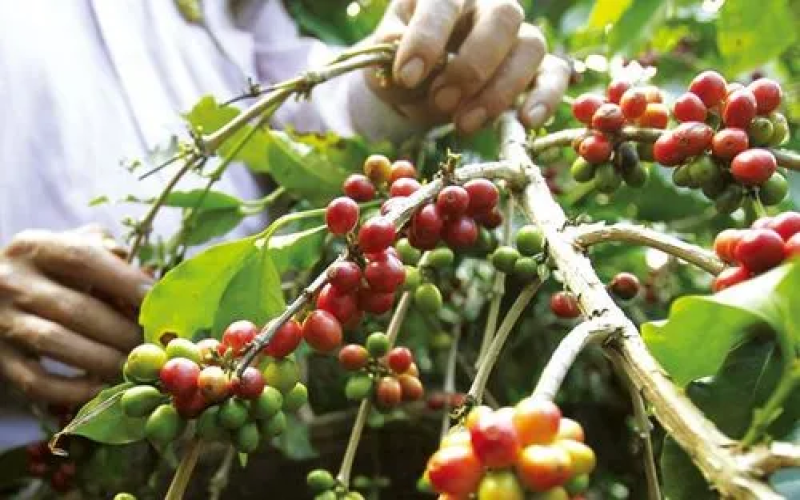
A Complete Guide to Ugandan Coffee: Origins of Native Robusta, Terroir of Three Major Regions, and Variety Distribution
Uganda is located on the equator in East Africa, and its unique geographical environment of high altitudes and numerous lakes makes it one of the few homes to native coffee tree species in the world. Starting from its historical context, this article will sort out the complete journey of Ugandan coffee from its beginnings in the colonial period, through industry ups and downs, to its modern transformation, and introduce one by one the altitude conditions, harvest seasons, and planted varieties of the three major producing regions: Bugisu, West Nile, and Mount Renzori. Whether you are a seasoned enthusiast who loves African beans or a beginner who has just come into contact with specialty coffee, you can learn about the unique charm of Ugandan coffee. Front Street Coffee also continuously pays attention to the flavor performance of various African producing regions, bringing more choices to coffee lovers. [more…]
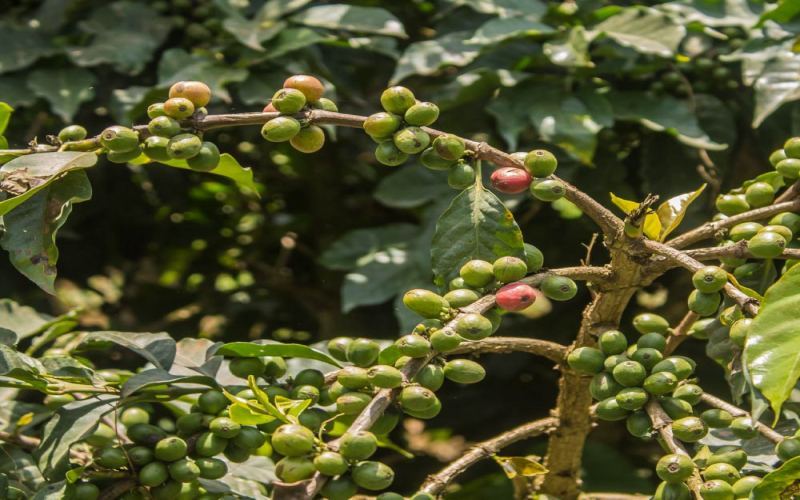
Kenya PB Peaberry Flavor Analysis: A Complete Guide from Grading System to SL28 Variety and V60 Brewing
Kenyan coffee has always been known for its bright fruit acidity and rich mouthfeel, but there are also plenty of questions surrounding it: What exactly do AA and PB stand for? What is the story behind SL28? Starting from Front Street Coffee's store experience, this article systematically sorts out Kenya's coffee grading system, explains in detail the origin and characteristics of PB peaberry, introduces the historical background and flavor performance of the SL28 variety, and uses two beans—Sasini Estate PB and Front Street Azalea—as examples to provide complete V60 brewing parameters and tasting notes, helping coffee lovers fully understand the unique charm of Kenyan coffee. [more…]
Kenyan Coffee Varieties and AA Grade Full Analysis: Why Is It So Acidic? Flavor Sources and Brewing Guide
Kenyan coffee, with its wild berry-like acidity, has become a beloved favorite among many coffee connoisseurs. But where exactly does its acidity come from? How do variety, producing region, grading system, and processing method affect the flavor in the cup? From the perspective of Front Street Coffee, this article systematically reviews the cultivation history of Kenyan coffee, its main producing regions, and the AA grading standards, deeply analyzes the contributions of the SL28 and SL34 varieties and the K72 washed processing method to acidity and cleanliness, and includes the pour-over parameters and SOE preparation demonstration for Front Street Kenya Asalia coffee beans, giving you a comprehensive understanding of the unique charm of this African star bean. [more…]
The Historical Origins of Starbucks Kenya Coffee and a Detailed Guide to Brewing Kenya AA Coffee Beans
For those new to Kenyan coffee, the distinctive acidity reminiscent of cherry tomatoes and prunes is often unforgettable from the very first sip. Starbucks once launched a classic Kenya coffee whose elephant logo on the packaging has long become iconic. From the perspective of Front Street Coffee, this article systematically reviews the growing conditions, variety characteristics, K72 washed processing method, and green bean grading system of Kenyan coffee, and shares in detail the roasting parameters and brewing suggestions for two Kenyan coffee beans available at Front Street—Asalia AA and Sachini Estate PB—taking you through the full charm of Kenyan coffee. [more…]
Kenyan Coffee Bean Flavor Characteristics and Pour-Over Parameters Explained: SL28 Variety, K72 Washed Processing, and the Starbucks Kenya Story
Kenyan coffee is renowned for its vivid fruity notes and juicy acidity, making it one of the most distinctive African origins in the minds of many coffee enthusiasts. This article focuses on the Kenya Asalia coffee beans selected by Front Street Coffee, systematically reviewing its origin terroir, variety heritage (SL28 and SL34), and the unique Kenyan-style 72-hour fermented washed process, while also sharing specific roasting curves and V60/cake cup brewing recipes. At the same time, by incorporating the historical background of Starbucks Kenya coffee beans, it helps readers fully understand the appeal of this bean from the dimensions of flavor, processing method, and brewing details. [more…]
Kenyan Coffee Flavor Characteristics and Grading: The Berry-Like Acidity from Washed Processing and SOE Brewing Methods
Kenyan coffee is renowned for its bright, clean berry-like acidity, combined with caramel-like sweetness and a slight bitterness, making it suitable for a variety of brewing methods including pour-over, Americano, and SOE. From the perspective of Front Street Coffee, this article systematically reviews the cultivation history, major producing regions, and grading standards of Kenyan coffee, and provides an in-depth analysis of the causes behind its signature acidity—red volcanic soil, the SL28 and SL34 varieties, and the unique K72 washed processing method. In addition, the article presents in detail the pour-over parameters and SOE preparation process for Front Street Kenya·Asalia coffee beans, offering coffee enthusiasts a complete reference from theory to practice. [more…]
A Comprehensive Analysis of the Flavor Formation of Kenyan AA Washed Coffee Beans and SOE Production
Kenyan coffee is renowned for its wild berry-like acidity and clean, bright cup profile, making it a favorite among many coffee connoisseurs. From the perspective of Front Street Coffee, this article systematically reviews the history of Kenyan coffee cultivation, its main producing regions, and grading standards, while offering an in-depth analysis of the causes behind its signature acidity—red volcanic soil, the SL28 and SL34 varieties, and the unique K72 washing process. At the same time, using Kenya Asalia coffee beans as an example, the article also shares pour-over parameters and SOE espresso preparation steps to help coffee enthusiasts recreate a full-flavored cup of Kenyan coffee at home. [more…]
African Coffee Bean Recommendation Guide: The Charming Fruity Acidity Flavor Profile and Analysis of High-Value-Producing Regions
African coffee beans are renowned worldwide for their captivating fruity acidity and rich aroma. Ethiopia's citrus notes and Kenya's berry notes each have their own distinctive character, fascinating countless coffee lovers. This article provides a systematic overview of the flavor characteristics of coffee from African origins, detailing the coffee styles and growing backgrounds of Ethiopia, Kenya, Burundi, Rwanda, Uganda, and other countries, and recommends selected single-origin coffees such as Front Street Coffee Washed Gudingding, Front Street Coffee Natural Huakui, Front Street Coffee Little Tomato, and Front Street Coffee Rwanda Red Bourbon. African coffee is not expensive yet offers excellent quality, making it an superb choice for everyday tasting. [more…]
How to brew Kenyan coffee grounds? How to taste black coffee? A complete analysis from producing region and grade to K72 processing and SOE practice
Kenyan coffee, with its wild berry-like acidity and clean, bright flavor, has become a favorite among many coffee connoisseurs. From the perspective of Front Street Coffee, this article systematically reviews the history of Kenyan coffee cultivation, its main producing regions, its grading system, and the sources of its signature acidity—red volcanic soil, the SL28 and SL34 varieties, and the unique K72 washed processing method. The article then presents the pour-over parameters and three-stage pouring plan for Front Street Kenya · Little Tomato coffee beans, and extends to SOE espresso extraction: from bean selection, roast level, grinding, and ratio to the practical steps of extracting 40 grams of liquid from 20 grams of grounds in 28–30 seconds, helping you make a cup of Kenyan black coffee or SOE latte full of berry and tomato aromas at home. [more…]
Kenya Asalia Washed Coffee Beans Pour-Over Guide: Flavor Layers and K72 Processing Method Explained
Kenyan coffee is renowned for its vibrant fruit acidity and multi-layered flavors, and the Asalia washed beans launched by Front Street Coffee are a typical representative. This coffee comes from the Asali processing plant in the Thika region, at an altitude of 1,550 to 1,750 meters, with varieties SL28 and SL34, using the Kenyan-style 72-hour fermentation washed method. The flavor presents a complex tonality of snow pear, smoked plum, yellow sugar, plum, and cherry tomato. This article will guide you through the background of the Kenyan region, the origins of the SL varieties, and the K72 processing technique, and share Front Street's roasting curve and two brewing methods—V60 and cake cup—comparing the flavor performance under different drippers to help you fully unleash this coffee's juicy feel and floral finish. [more…]