







How Do Green Coffee Beans Affect Coffee Flavor?
Defective beans do influence cup flavor, but most high-grade green coffee bean lots already have very few defects. Ethiopian G1 allows no more than 3 defects in a 350-gram sample, Blue Mountain keeps the defect rate within 2%, and Golden Mandheling stays below 3%. After grading and pre-roast removal, roasted single-origin coffee usually needs no extra sorting at home.
What matters most are major defects such as over-fermented beans, black beans, badly insect-damaged beans, moldy beans, and foreign matter, because these clearly harm flavor. The coffee beans process adds more checks: transport knocks can break beans, so roasters run stricter removal before roasting. Some beans that merely look odd are normal and are often misjudged as defects.
Defective beans are generally believed in the specialty coffee world to affect a cup's flavor performance. If you have a habit of buying coffee beans and brewing at home, do you need to specifically pick out defective beans before brewing? In reality, green coffee beans undergo grading after processing, and most grading systems include a defect rate indicator. The number of defects in high-grade coffee beans has already been pressed very low. From green bean grading, pre-roast removal, to post-roast sorting, with layer upon layer of checks, buying roasted single-origin coffee beans basically means you don't need to worry about defective beans. However, some coffee beans that look like defects are actually normal phenomena. Front Street Coffee has summarized several common types that are easily misjudged, to help everyone distinguish them accurately.
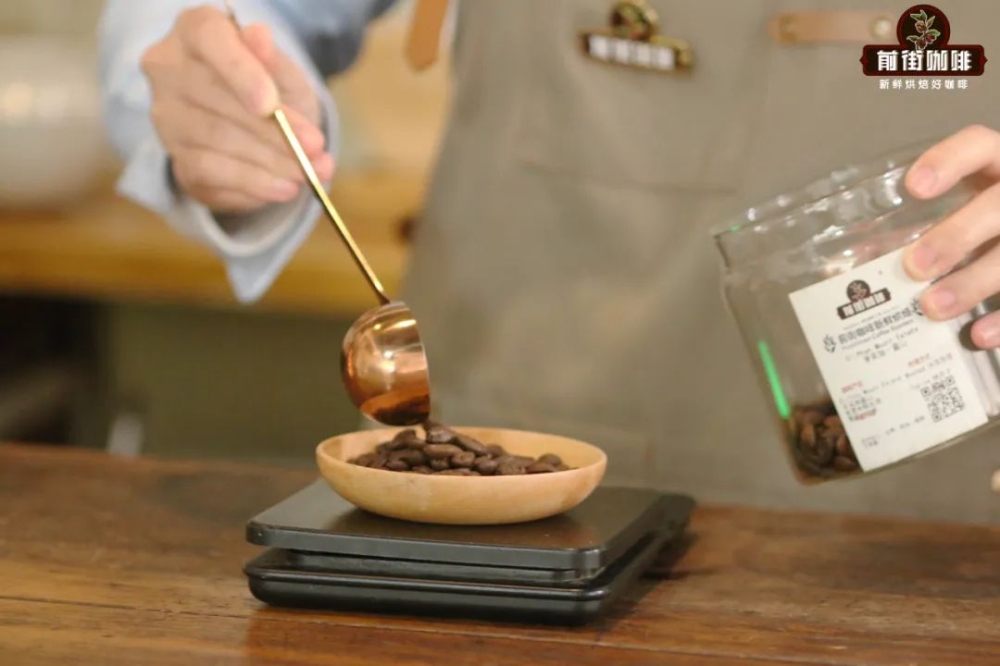
When chatting in specialty coffee circles, everyone basically agrees that defective beans affect a cup's flavor. If you usually buy coffee beans and brew at home, is it necessary to specifically pick out defective beans before brewing?
Green coffee beans enter the grading stage after processing is complete, and most grading systems include a defect rate indicator. For example, Ethiopian G1 grade green beans must not exceed 3 defective beans in a 350-gram sample; Blue Mountain coffee's highest grade NO.1 requires the defect rate to be controlled within 2%; Golden Mandheling's defect rate must be below 3%, and so on.
In other words, from the green bean level, the higher the grade of coffee beans you choose, the more the number of defective beans can basically be pressed to an extremely low level. Of course, the defective beans mentioned here usually refer to those major defects that have a very obvious impact on flavor quality, such as over-fermented beans, black beans, severely insect-damaged beans, moldy beans, and foreign matter.
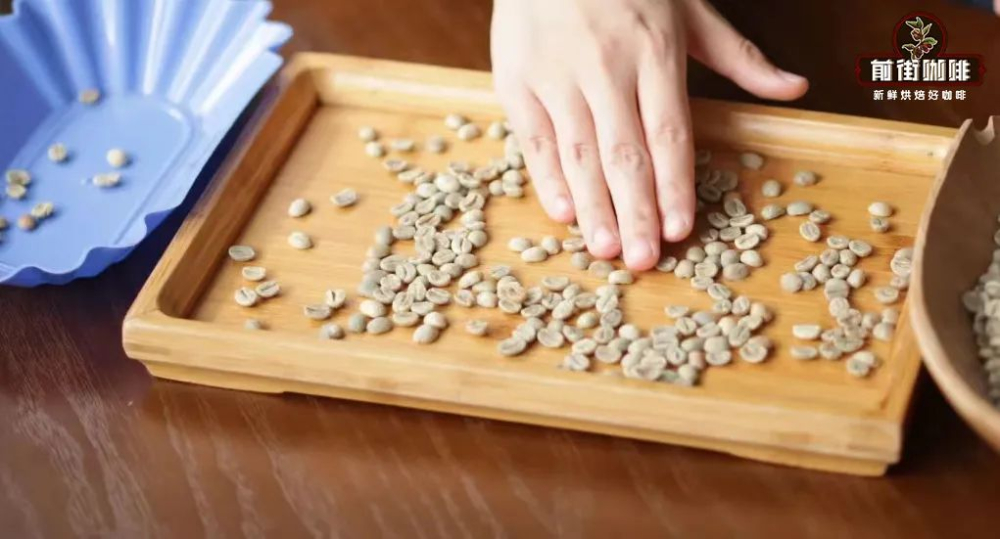
Before green coffee beans enter roasting, they also go through a step of removing defective beans. At this time, what needs to be picked out are the "fish that slipped through the net" from the previous screening, because even the highest-quality green beans cannot guarantee zero defects. In addition, during transportation, collisions may cause broken beans, so before roasting there is a stricter defect removal than during green bean grading. Slightly insect-damaged beans, broken beans, shell beans, moldy beans, etc. are picked out at this stage.
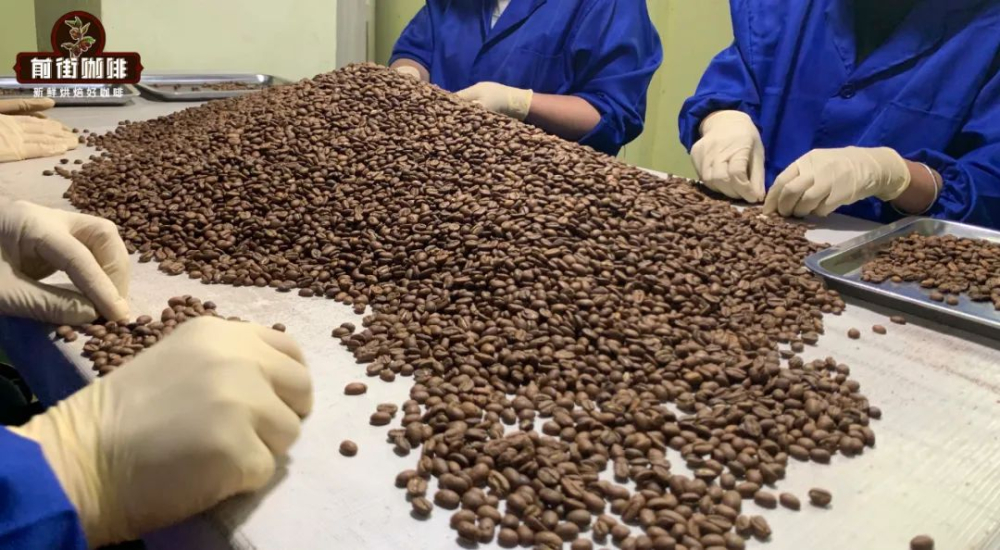
After roasting is complete, there is still a sorting step, when generally roast-defect beans, white-eye beans, and shell beans are removed. Roast-defect beans usually refer to scorched beans, or beans whose surfaces have been burned into crater-like pits. White-eye beans are beans picked before the coffee fruit has ripened; this type of bean is hard to identify in the green state, and after roasting its color is noticeably lighter than normal beans. In high-grade coffee beans processed using fully red cherries, white-eye beans rarely appear, and they are generally more common in Brazilian beans (they are picked out and removed after roasting).
Therefore, after grading at export, screening during roasting, and layer upon layer of removing the vast majority of defective beans, Front Street Coffee believes that if you are buying roasted single-origin coffee beans, you do not need to worry about defective beans inside affecting the coffee's flavor.
So after such strict checks, can complete zero defects be achieved? It cannot. After all, removal relies on manual operation, and there will still be a few less noticeable defective beans that are missed. In addition, after roasting and packaging are completed, the beans still have to go through transportation before reaching consumers. Collisions during transport may cause some coffee beans to crack, but this will not have a major impact on coffee flavor. However, as a consumer, during the bean-weighing step before brewing, you can also pick out these obvious cracked beans.
Of course, Front Street Coffee has also received some feedback, among which some beans were mistaken for defective beans. After Front Street Coffee's summary, they can roughly be divided into the following categories.
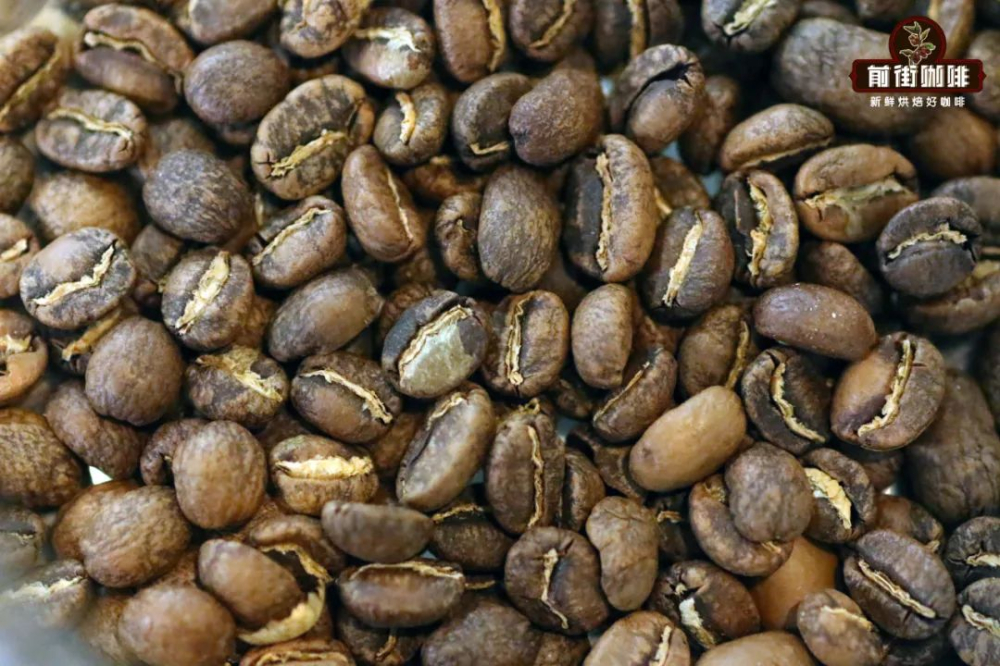
The first category: obvious wrinkled stripes, with many black spots on the bean body.
This kind of bean appearance usually appears in washed high-altitude light-roast coffee beans. High-altitude beans are denser, and during roasting, after moisture is evaporated they shrink and wrinkle. Also, because of the light roast, the coffee beans are already out of the roaster before they have time to stretch out. Although this type of bean looks wrinkled and unimpressive, it can be 100% confirmed that it is not a defective bean, and in terms of flavor performance the acidity is very pleasant.
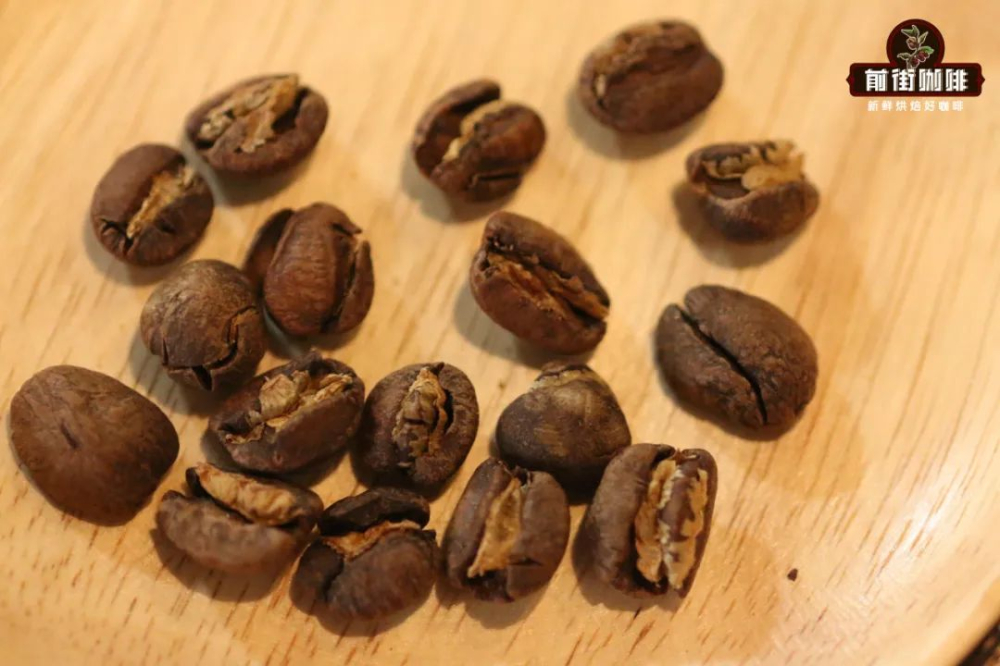
The second category: the bean body has split open.
Some coffee beans burst open, and their appearance looks very incomplete, making them easy to mistake for defective beans. In fact, these are also normal coffee beans. The reason is still that the beans are dense and absorb and store a lot of heat during roasting, so when first crack is reached the burst is too violent and blows them open. Although they do not look aesthetically pleasing, they have no impact on coffee flavor. On the contrary, their presence makes the coffee taste even better.
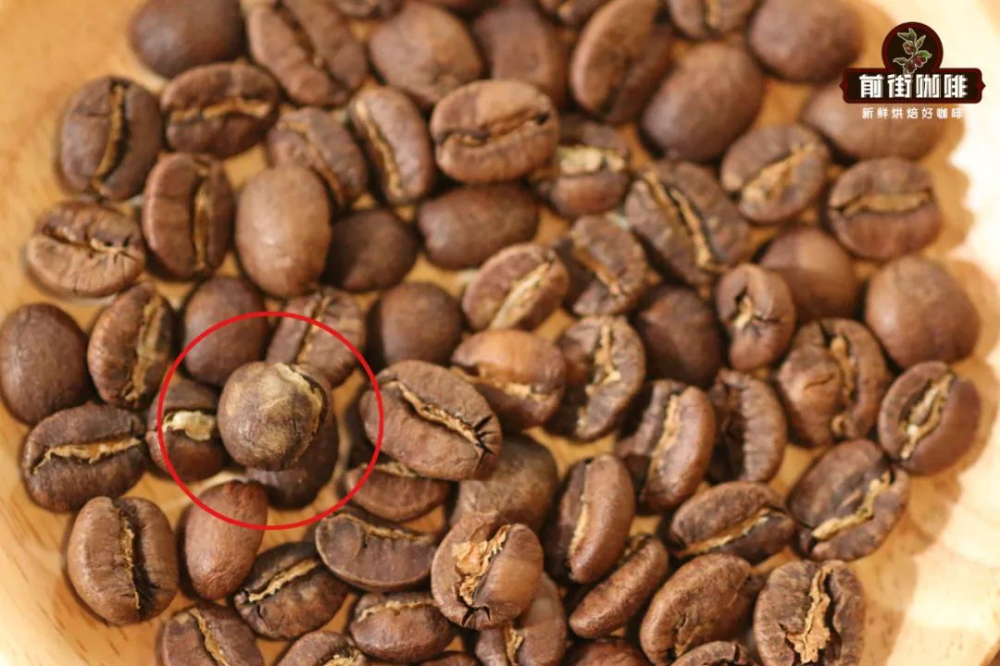
The third category: an appearance with personality.
Some coffee beans stand out because they look different from the other beans, and at this time many people will think that looking different must affect coffee flavor. In fact, these are not defective beans either; their shape is simply more individual. Of course, if you find them displeasing to look at, you can also treat them as defective beans and remove them.
The above content is compiled by CoffeeHunters, a coffee news website.


