







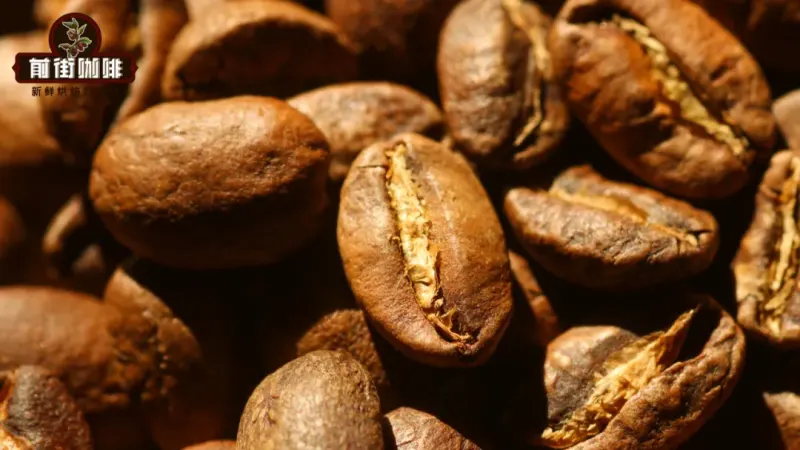
There is a saying circulating online that coffee beans are male or female, which confuses many enthusiasts. In reality, coffee beans have no gender difference; the so-called "male beans" and "female beans" are simply round beans and flat beans with different shapes. This article will trace the origin of this claim, explain why round beans form, and analyze their special status in coffee grading and pricing. At the same time, we will also discuss whether round beans and flat beans really differ in flavor, and why most producing regions do not specially screen for round beans. By understanding these basics, you will be able to view differences in coffee bean shape more rationally and no longer be misled by marketing rhetoric.
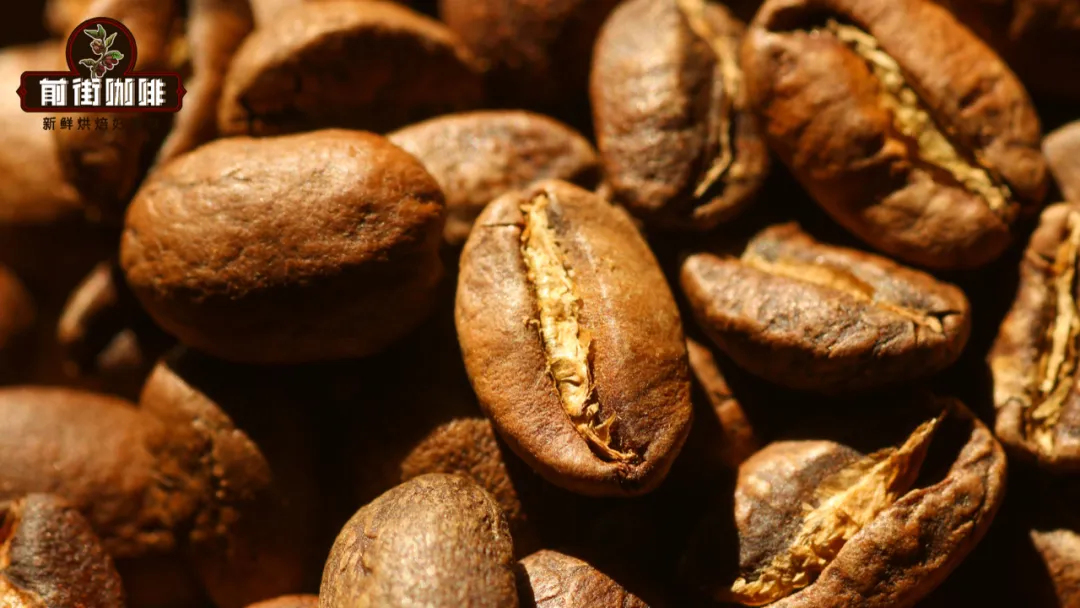
In the process of learning about coffee, everyone may have encountered the saying that "coffee beans are divided into male and female." We know that usually a coffee fruit contains two green beans, so could these two beans really have some essential difference?
Do coffee beans really have "male and female"?
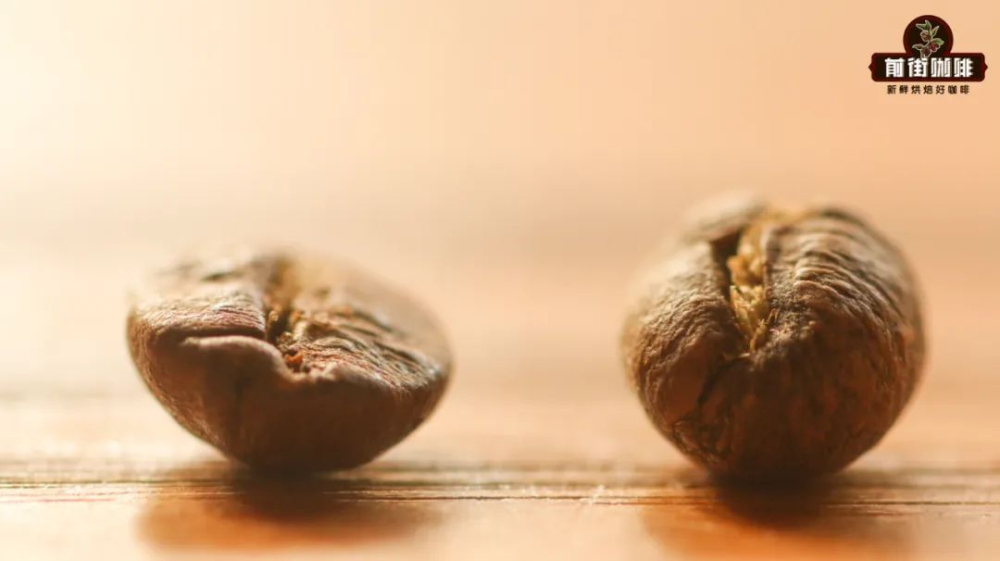
First, let's look at what is different about the two beans below.
The oval bean on the right in the picture is called a "male bean" by some people; the flat bean on the left is called a "female bean." But in fact, coffee beans have no male or female distinction at all! The "male beans and female beans" circulating online are merely two different forms of beans found in a batch of beans, not two kinds of beans produced in the same fruit.
The source of this claim comes from merchants in Southeast Asia. In order to sell "male beans" at a higher price, they fabricated this story and even claimed that "male beans are extremely rare, accounting for only 5% of the total," thereby driving up the price.
Although coffee beans have no distinction between male and female, and these two kinds of beans do not come from the same fruit, they do indeed come from the same tree, and the 5% rarity is also true!
Normally, a coffee fruit nurtures two green beans, which nestle against each other and are flat in shape. But sometimes the coffee tree also produces fruit containing only one green bean. This is mainly affected by the environment or genes: one ovule in the fruit fails to be pollinated, and the other then gains ample space to grow, becoming rounder than beans that develop together as two.
This kind of green bean is oval and has no flat side. To distinguish them, people call the independent oval bean "Peaberry," and beans with a flat side are called flat beans.
Generally speaking, round beans are smaller than flat beans. Within the same variety, if flat beans are 16–18 screen size, round beans are only about 14–15 screen size. Coffee beans undergo grade evaluation before sale, and the higher the grade, the more expensive the price. The evaluation standards vary by producing region. So here is the question: why mention coffee bean grades?
The reason is that in many countries that grade by screen size, the larger the coffee bean, the more expensive it sells for, but round beans do not follow this rule!
What does that mean? Take Kenya, which we at Front Street Coffee like very much, as an example. Beans reaching 16–17 screen size are grade AA and sell at a higher price; next is grade AB, at 15–16 screen size, with a price slightly lower than AA; further down is grade C, at 14–15 screen size, with a price lower than AB. Round beans are about 14–15 screen size and by regulation should fall into the C-grade price range, but they are round beans!
In other words, although round beans fall far short of the screen size required for high grades, by virtue of their unique and rare characteristics, their selling price can be on par with AA-grade beans!
Precisely because people treat round beans specially, consumers will infer: round beans must taste much better than the "unremarkable" flat beans!
But in fact, beans from the same origin, variety, and cultivation method (flat beans and round beans) are not very different; it is simply that round beans are relatively rare. Therefore, most producing regions ignore round beans and do not specially pick them out.
The above content is compiled by CoffeeHunters, a coffee news website.


