







Search Results for: Triangle Test

What is a Q-Grader? Is it worth taking the test?
There always is such a group of people who have obtained a code for self-reference due to the particularity of their profession. Even in the seemingly not vast field of coffee, there is also such a profession. After the concept of specialty coffee wa [more…]

Essential Home Pour-Over Coffee Knowledge | Which Brewing Method Suits Coffee Beginners? What Brewing Parameters Should Beginners Pay Attention To?
Pour-over coffee can be quite a magical thing for many coffee enthusiasts. Front Street Coffee (FrontStreet Coffee) believes there's no need to view pour-over coffee as too profound. When frequently chatting with customers, Front Street Coffee (FrontStreet Cof [more…]

Espresso Flavor
The concept of specialty coffee has been in China for over thirty years, and has developed rapidly in the past decade. At the same time, people have also raised questions about the concept of specialty coffee. Pour-over is generally considered specialty coffee, so are Americano, espresso, and others also specialty coffee? In fact, in international coffee competitions, especially in Northern Europe, espresso [more…]
Top Ten Domestic Freeze-Dried Instant Coffee Brands Reviewed: A Taste Test Analysis of Saturnbird and Yongpu
In a fast-paced life, instant coffee has regained the attention of coffee lovers thanks to its convenience and continuously improving quality. This article reviews ten instant coffee brands, including Nescafé, Maxwell House, Moccona, Colombian, G7, UCC, Klaes, Old Ipoh White Coffee, Ming Coffee, and Damnini, introducing each one by one from historical origins and raw material sources to flavor characteristics, helping readers build a basic understanding of instant coffee. At the same time, for the highly popular domestic freeze-dried instant coffee brands Saturnbird and Yongpu, the article also provides an objective description based on their product characteristics. Whether you are seeking a rich, mellow taste or a daily pick-me-up, this collection can provide valuable reference. What is shared is not only the flavor of coffee, but also a relaxed and pleasant drinking experience. [more…]
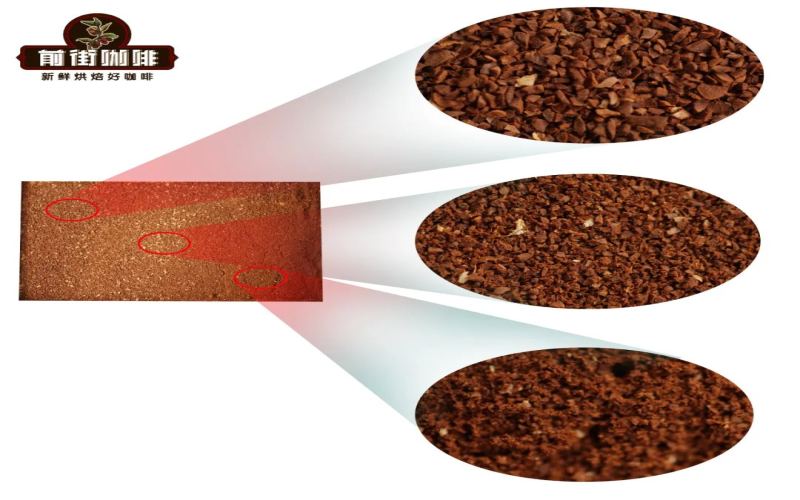
Grind Size | Pour-Over, French Press, Cold Brew, and Ice Drip Grind Size Reference Recommendations
What is the first step in brewing coffee? Grinding beans. In recent years, with the rise of the specialty coffee wave, more and more people have come to enjoy drinking coffee, and at the same time, more and more people hope to fully experience the beauty and leisure of drinking coffee, so they choose to buy coffee beans and brew them at home. And so at this point, a [more…]

手冲咖啡闷蒸与萃取阶段:外围咖啡粉是否需要注水浸润的全面解析
在手冲咖啡的实践中,一个常被讨论的细节是:外围的咖啡粉究竟要不要注水浸润?本文从闷蒸和正式萃取两个阶段出发,结合浅中深三种烘焙度的对比实验,分析注水范围对风味的影响。实验表明,闷蒸时是否打湿外围粉层,关键在于能否让所有咖啡粉在最短时间内均匀吸水排气。不绕外圈容易导致萃取速率不一致,浅中烘豆子易出现青涩味;而直接冲到外圈又可能造成中央排气受阻。文章还分享了摇杯、搅拌等实用技巧,帮助咖啡爱好者更均匀地萃取每一粒咖啡粉。 [more…]
A Complete Analysis of the Geisha Coffee Variety: The Comeback Journey from Ethiopia to Panama and an Overview of Common Cultivated Varieties
Geisha, a coffee variety whose name sounds like the Japanese word for "entertainer," set out from the Geisha Mountains of southwestern Ethiopia, passed through Kenya, Tanzania, and Costa Rica, and finally made a spectacular debut in Panama. Over more than seventy years, it completed a comeback from obscurity to competition champion, winning first prize in the Panama Boquete Best of Panama cupping competition for three consecutive years from 2005 to 2007, and in 2007 it set a record for competition coffee value at $130 per pound. This article will comprehensively trace Geisha's legendary journey and systematically review common coffee cultivars—Typica, Bourbon, Caturra, Catuai, Pacamara, and others—to introduce you to the rich landscape of Arabica's genetic treasure trove. Front Street Coffee will also recommend Geisha products worth paying attention to in this article. [more…]
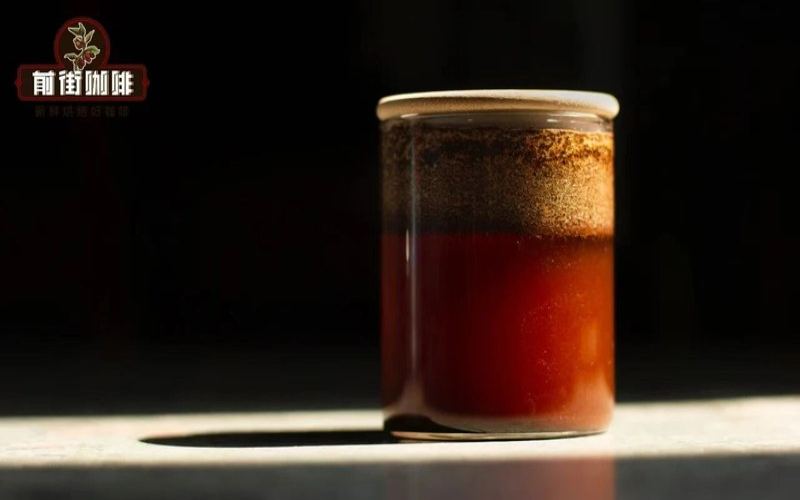
The drinking rhythm of Italian-style medium-roast beans from roast date to opening the bag
The aroma of medium-roast espresso beans doesn't fully unfold on the very day they're roasted. The beans are still steadily releasing carbon dioxide, and if you put them into the espresso machine too early, the puck is easily disturbed by the gas; the crema may look rich, but the cup can taste tight and disjointed, with a sweetness that doesn't come together coherently. Treating the roast date as the starting point for the flavor clock matters more than just watching the expiration date. [more…]
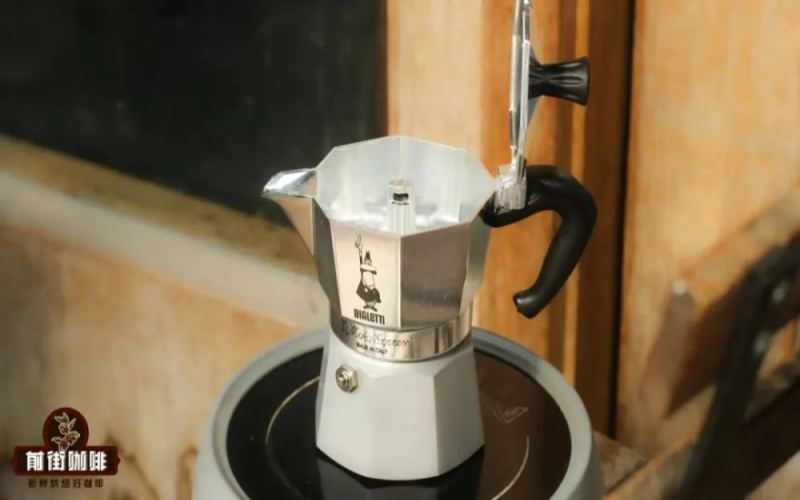
Moka Pot Beginner's Guide to Choosing Coffee Beans: Detailed Explanation of Coffee-to-Water Ratio and Operating Steps
The moka pot, an essential espresso-making device in Italian households, has also gained a large following in China in recent years. This article will start with the extraction principle of the moka pot, help beginners understand how to choose suitable coffee beans, and explain in detail key parameters such as the coffee-to-water ratio and grind size. It recommends several Front Street Coffee beans suitable for the moka pot, covering Italian blends, Colombia Huila, Brazil Cerrado, and more, with flavors ranging from nutty chocolate to creamy cookie, each with its own characteristics. Finally, a complete set of usage steps is included, from adding water and distributing the grounds to heating and extraction, teaching you step by step how to brew a rich cup of moka pot coffee. [more…]
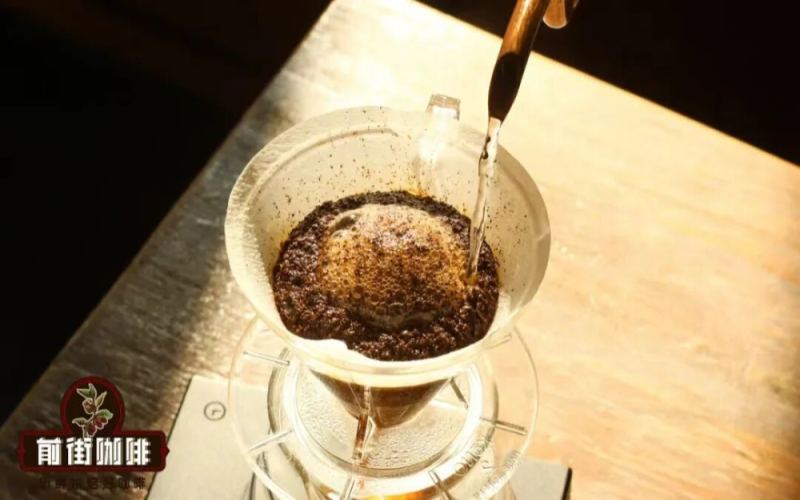
Bloom Time | Why is blooming necessary when making pour-over coffee? What effects does the length of the bloom time have on the taste of the brewed coffee?
"How big of a difference can there be between coffee with a 30-second bloom and a 60-second bloom?" This was a question a friend asked Front Street Coffee yesterday. I have to say, this question is actually quite interesting! As we all know, blooming is a routine step in pour-over coffee. Specifically, before the official pour, we pre-pour [more…]
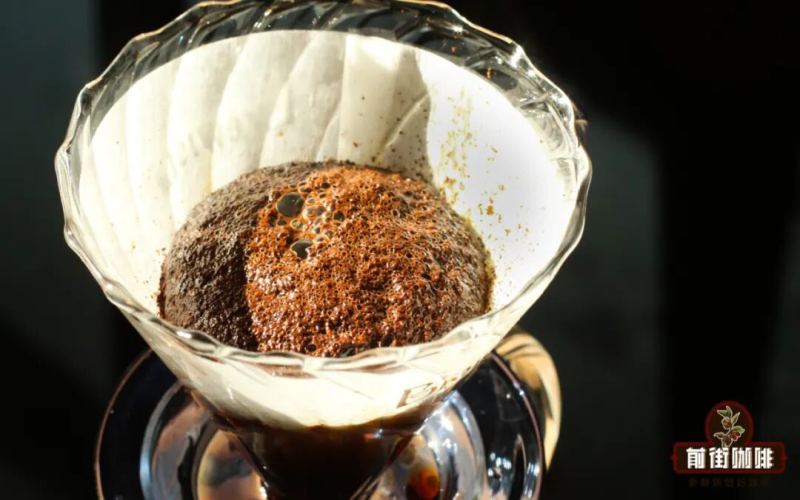
Coffee Blooming | How to achieve the "perfect bloom" when making pour-over coffee? How do you adjust the bloom time for pour-over coffee?
As the saying goes: "Bloom well, and brewing is trouble-free." For pour-over coffee, blooming is a very important preparatory step. So-called blooming is the step where, before we formally extract the flavor compounds from the coffee, we use a small amount of hot water to pre-wet the coffee grounds and wait for a certain period of time. [more…]
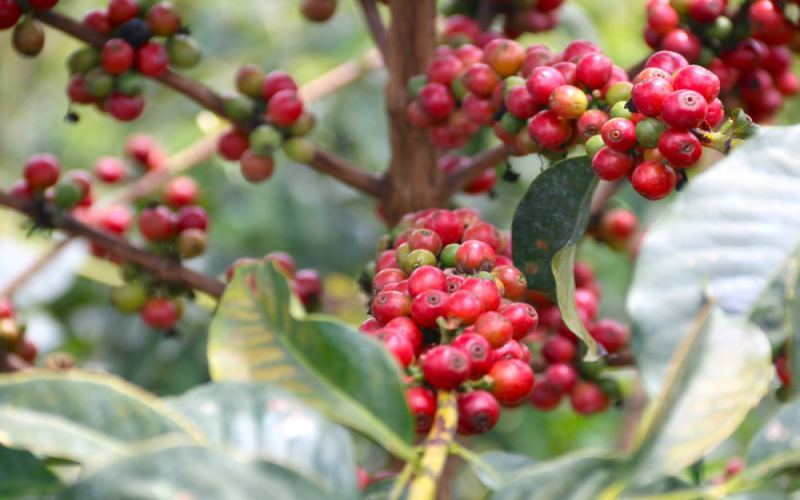
How Are Kenya Coffee AA and AA+ Grades Distinguished? A Detailed Explanation of Kenya Coffee Bean Grading Standards and Flavor Characteristics
Kenyan coffee is famous for its bright fruit acidity and rich flavors, making it a favorite among many coffee lovers. But when faced with grading labels such as AA, AA+, and AB, many people feel confused. From the perspective of Front Street Coffee, this article sorts out the development of Kenya's coffee industry, analyzes the origins and specific standards of its grading system, focuses on explaining the differences between AA grade and AA+ grade, and introduces the impact of the K72 washed processing method on flavor. At the end, it also includes the origin information and brewing parameters of Front Street Kenya Little Tomato coffee beans for daily reference. [more…]

What Is Lungo Coffee? An Analysis of Its Differences from Espresso and Americano, and Its Brewing Characteristics
Many people are familiar with Americano, yet feel unfamiliar with Lungo coffee. Lungo, along with Espresso and Americano, belongs to the Italian-style black coffee family, but they differ in extraction method, concentration, volume, and caffeine content. This article will start from the Italian meaning of Lungo to clearly explain its core differences from Espresso, Americano, and Long Black, including extraction time, liquid volume, taste performance, and suitable consumers. At the same time, combined with Front Street Coffee's Italian-style blend bean products, it introduces the ideas for choosing coffee beans, blending logic, and freshness recommendations when making beverages such as Lungo and Americano, helping coffee enthusiasts gain a more complete understanding of this "stretched version of espresso." [more…]

Pour-Over Coffee Brewing Temperature | What Is the Best Water Temperature for Brewing Pour-Over Coffee? Does Brewing Water Temperature Have a Big Impact on Coffee Flavor and Mouthfeel?
For pour-over coffee, most people tend to use higher water temperatures for extraction, because high temperatures not only improve extraction efficiency but, more importantly, bring out a rich, sweet-and-sour aroma and flavor. Basically, the water temperature used for pour-over coffee is rarely below 80°C. So, if you brew coffee below this temperature, is there any [more…]
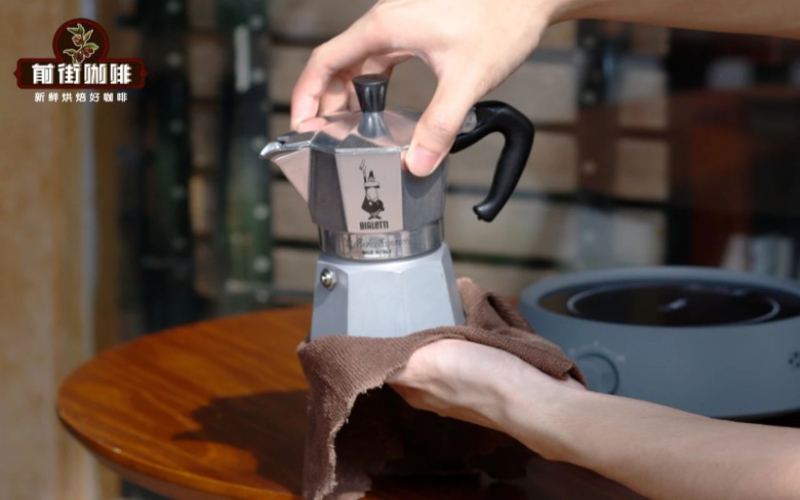
Two Fates of the Same Bean: Moka Pot vs. Espresso Machine
After spending enough time with coffee, many people end up owning both a moka pot and a semi-automatic espresso machine at home. The same beans go into the portafilter for one cup, then into the moka pot's basket for another, and the gap in flavor is so big it often makes you wonder if the beans were swapped out. Understanding this difference, in turn, can help you judge when choosing beans: which beans are worth [more…]
Cold Brew Bean Guide: Bean Selection Plans for Every Budget and Taste, All in One Place
Once you've decided to start making cold brew, the first question is always the same: which beans should I buy? Today, we're giving you three bean plans based on two dimensions—budget and taste—so whether you're just "casually drinking" or "seriously savoring," you can find the right match. Plan One: Beginner's tasting type (spend a little first to test the waters). If you're making cold brew for the first time, don't [more…]
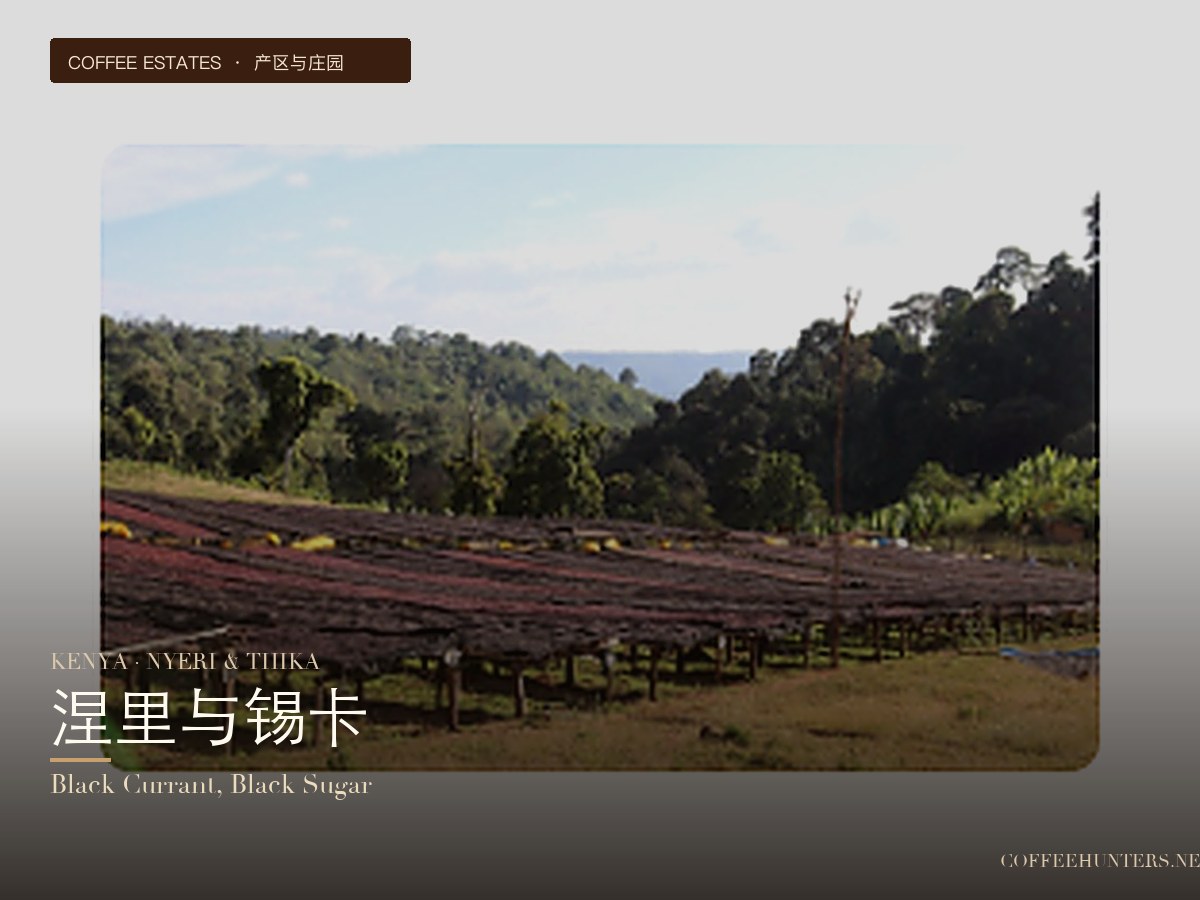
Kenya·Nyeri and Thika: The Bold Acidity of Blackcurrant and Tomato
Kenyan coffee is regarded by the global specialty coffee community as the "benchmark of Africa" for its powerful acidity, full-bodied tartaric acid, and distinctive blackcurrant flavor. This article takes the two major producing regions of Nyeri and Thika as its starting point to provide an in-depth analysis of the ins and outs of Kenyan coffee. [more…]
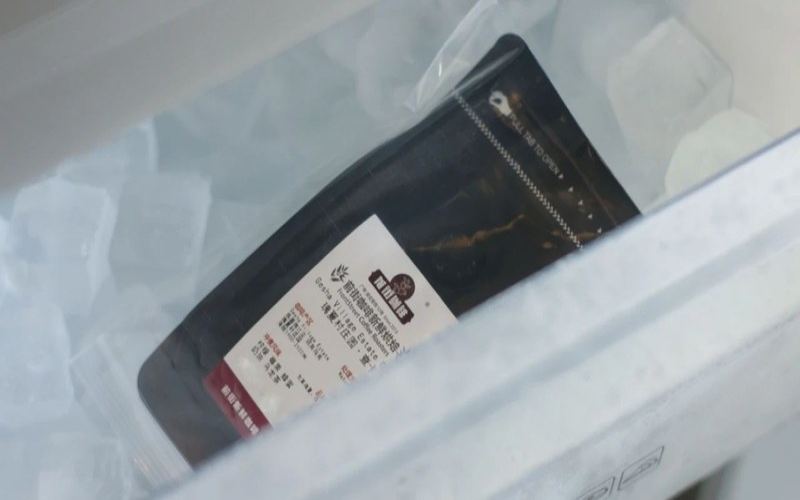
After Roast Day: The Opening Rhythm of Three Latte Beans
Whether the aroma of coffee beans can cut through milk in a latte depends not only on the beans themselves but also on how many days have passed since roasting. Freshly roasted beans are still rapidly releasing carbon dioxide, which can cause uneven espresso flow and coarser foam; leave them too long, and the nutty, caramel, or fruity notes gradually fade. Catching that middle window of peak condition, [more…]
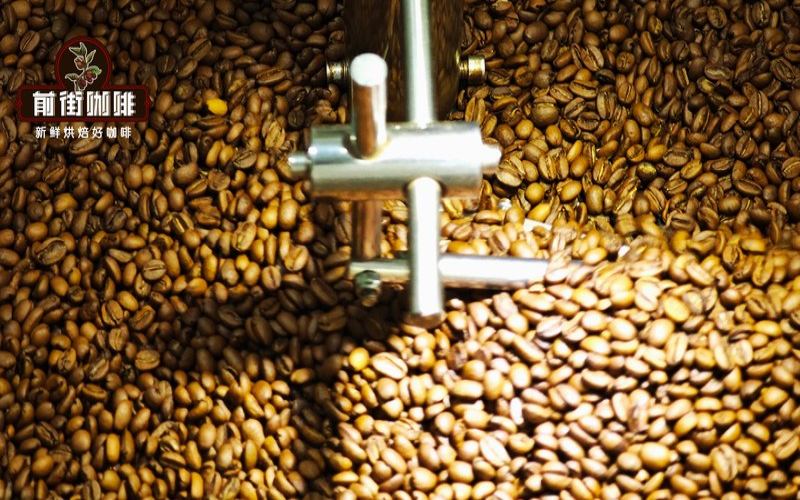
On which day after roasting do latte beans taste best?
After coffee beans are roasted, the aroma does not reach its ideal state on the same day. The beans are still releasing carbon dioxide, and if they are used to extract espresso too early, the puck is easily disturbed by gas, the flow rate is not stable enough, and the fruity notes and caramel sweetness beneath the milk foam may also seem loose. When making a latte, judging freshness cannot rely only on how recent the date is, [more…]
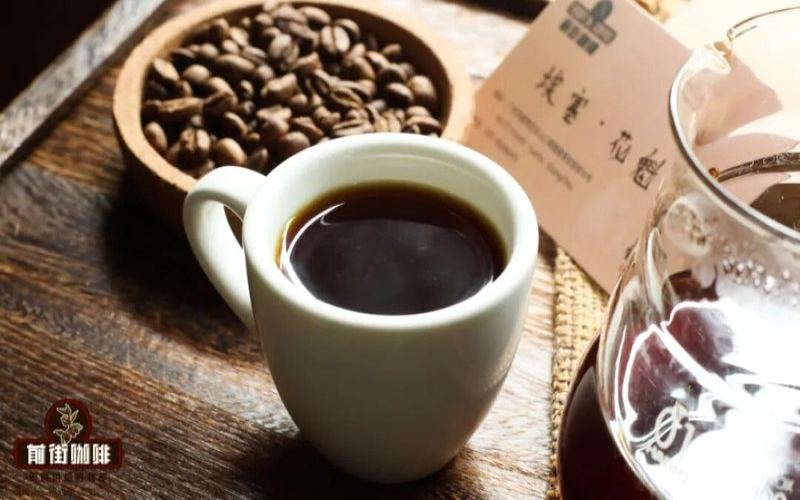
After the Roast Date, When Is the Best Time to Drink Coffee Beans for the Best Flavor?
Before putting coffee beans into an espresso machine, the roast date is worth checking before the aroma words on the packaging. Freshly roasted beans are still rapidly releasing carbon dioxide, and after grinding, the coffee bed is easily disturbed by the gas, which also causes fluctuations in the espresso flow rate and crema condition. Allow an appropriate resting period, and then plan to finish a bag of beans during its peak flavor stage, usually [more…]