







What Separates Americano's Coffee From Long Black and Lungo?
Americano, Long Black and Lungo all look like black coffee, but they differ in how espresso and water meet the cup. Americano traces to World War II, when U.S. troops in Europe diluted strong espresso with water to match the drip coffee they knew. Long Black reverses the order, pouring espresso over hot water to keep the crema intact.
Lungo instead runs a longer extraction through the same dose, changing the extraction yield rather than adding water afterward. The article also explains why espresso beans are usually blends, weighing price, stability and flavor, and offers bean selection ideas for making Americano's coffee at home without confusing it with Long Black.
In coffee shops, Americano, Long Black, and Lungo are often lumped together, but the three have essential differences in extraction method and taste performance. From the perspective of Front Street, this article sorts out the historical origins and preparation evolution of Americano, compares Long Black's unique handling of cup order, and re-examines the definition of Lungo with the help of extraction yield theory. At the same time, the article also explores why espresso beans are mainly blends, analyzes the impossible triangle of price, stability, and flavor composition, and helps coffee lovers more clearly understand these three kinds of black coffee, while providing bean selection ideas for making Americano in daily life.
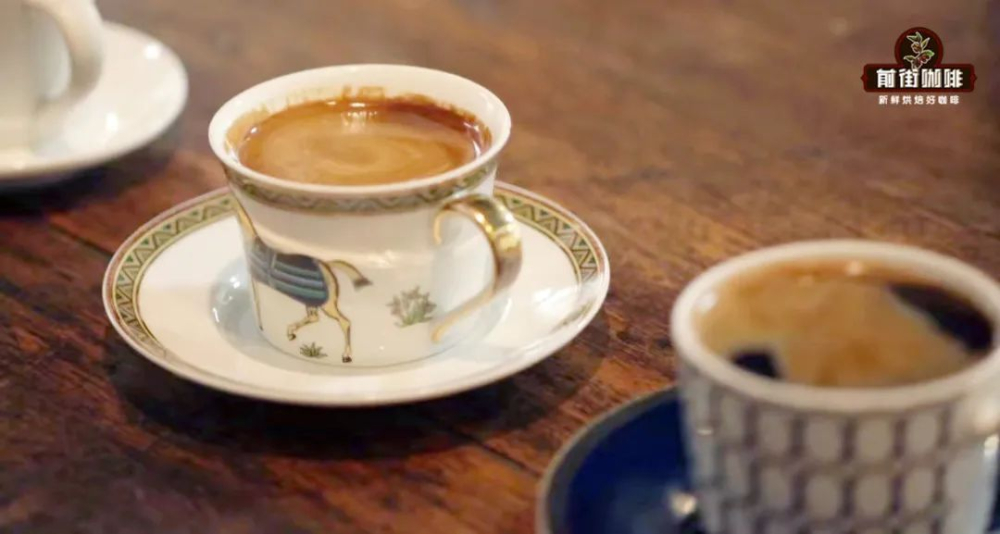
Americano is a black coffee drink that many people order most often in daily life, and its English name Americano is already familiar to everyone. However, there are also two coffee drinks that often look like Americano and make people confuse them, namely Long Black and Lungo. Below, Front Street will briefly sort out the differences among the three.
Americano
Whether for people familiar with English or consumers who often drink coffee, the name Americano is not unfamiliar, and in Chinese we call it "American coffee." Its origin can be traced back to World War II, when U.S. troops stationed in Europe were not used to drinking extremely strong Espresso, while drip black coffee was more popular in the United States, so they chose to add water to espresso to reduce its strength. In other words, the original purpose of Americano was to dilute coffee to the strength Americans were accustomed to. Later, Italian immigrants brought Italian-style coffee shops to the United States, and Americano based on Espresso gradually became popular, also forming the operational order of putting coffee first and then pouring water in the matter of "adding water," thereby reflecting the idea of diluting espresso. Today, Americano no longer has many rigid rules regarding the order of preparation, and the main difference is nothing more than whether to preserve the crema or break it up.
Long Black
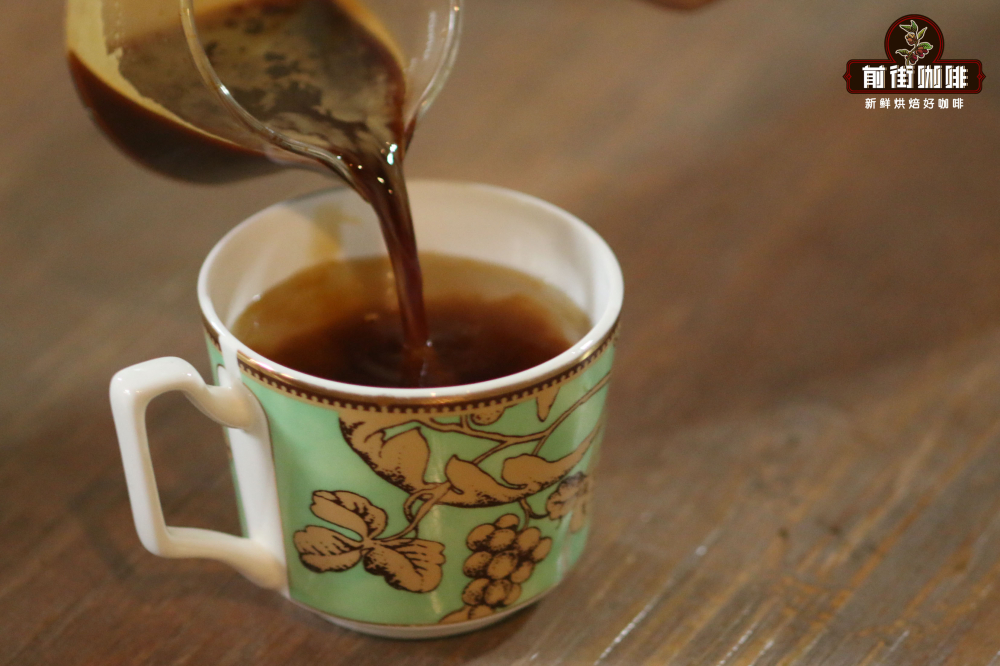
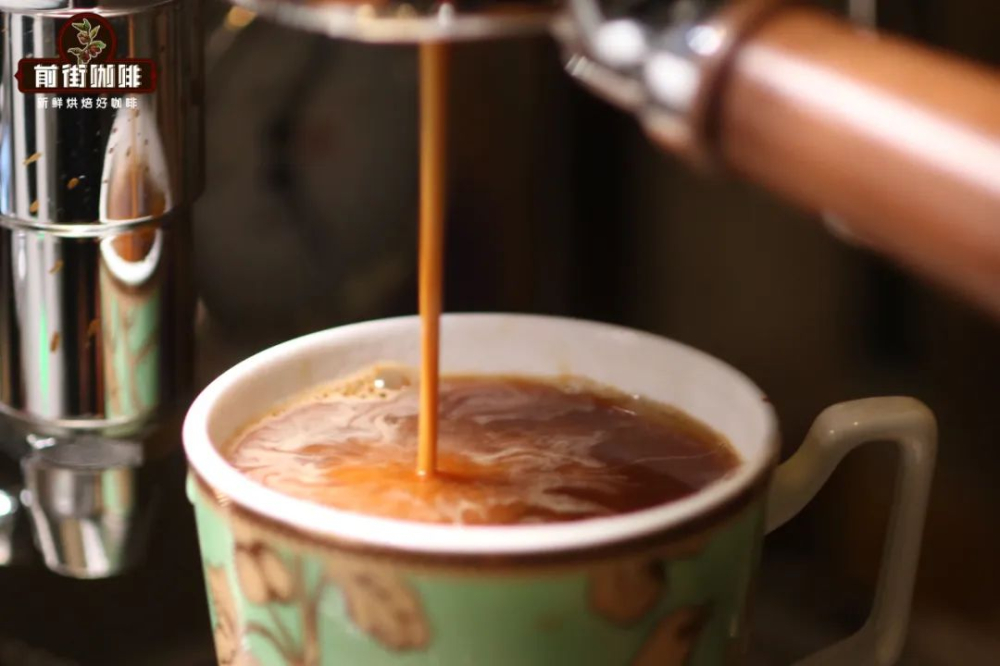
After clarifying the difference between Americano and Long Black, let us look at Lungo, also called Longo coffee in Chinese. Although its appearance is quite similar to Long Black, its preparation method is very different from Long Black and Americano. Lungo does not require additional water at all; the cup is entirely coffee liquid.
If we use the later extraction yield theory to discuss Lungo, its method is undoubtedly over-extracted espresso. However, the extraction theory of espresso itself is also constantly updated and iterated, so we naturally need to give Lungo a new interpretation as well.
Making Americano, Long Black, and Lungo all depends on espresso beans. Espresso beans are usually mainly blends. Why blend? There are three main reasons: price, stability, and flavor. These three form an "impossible triangle," meaning you cannot have all at once and can only give up one to gain the other two.
For professional coffee knowledge exchange and more coffee bean information, please follow Coffee Workshop (WeChat public account: cafe_style). For more specialty coffee beans, please add the private WeChat of Front Street Coffee (FrontStreet Coffee), WeChat ID: qjcoffeex
The above content is compiled by CoffeeHunters, a coffee news website.


