







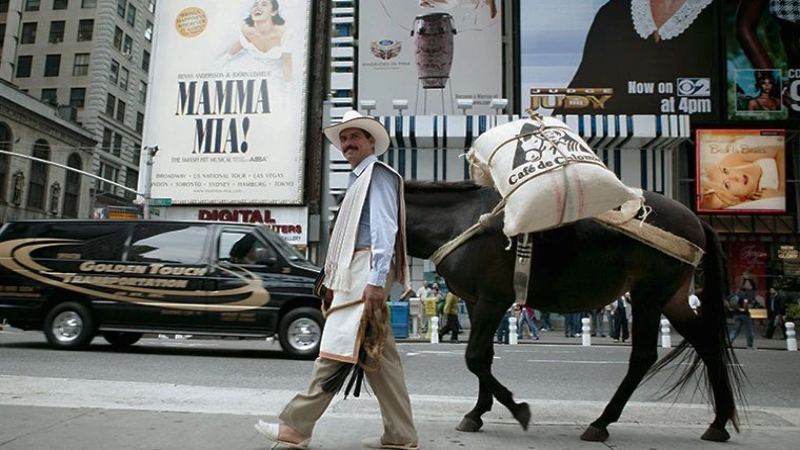
Where does the Colombian coffee belt run, and how does it taste?
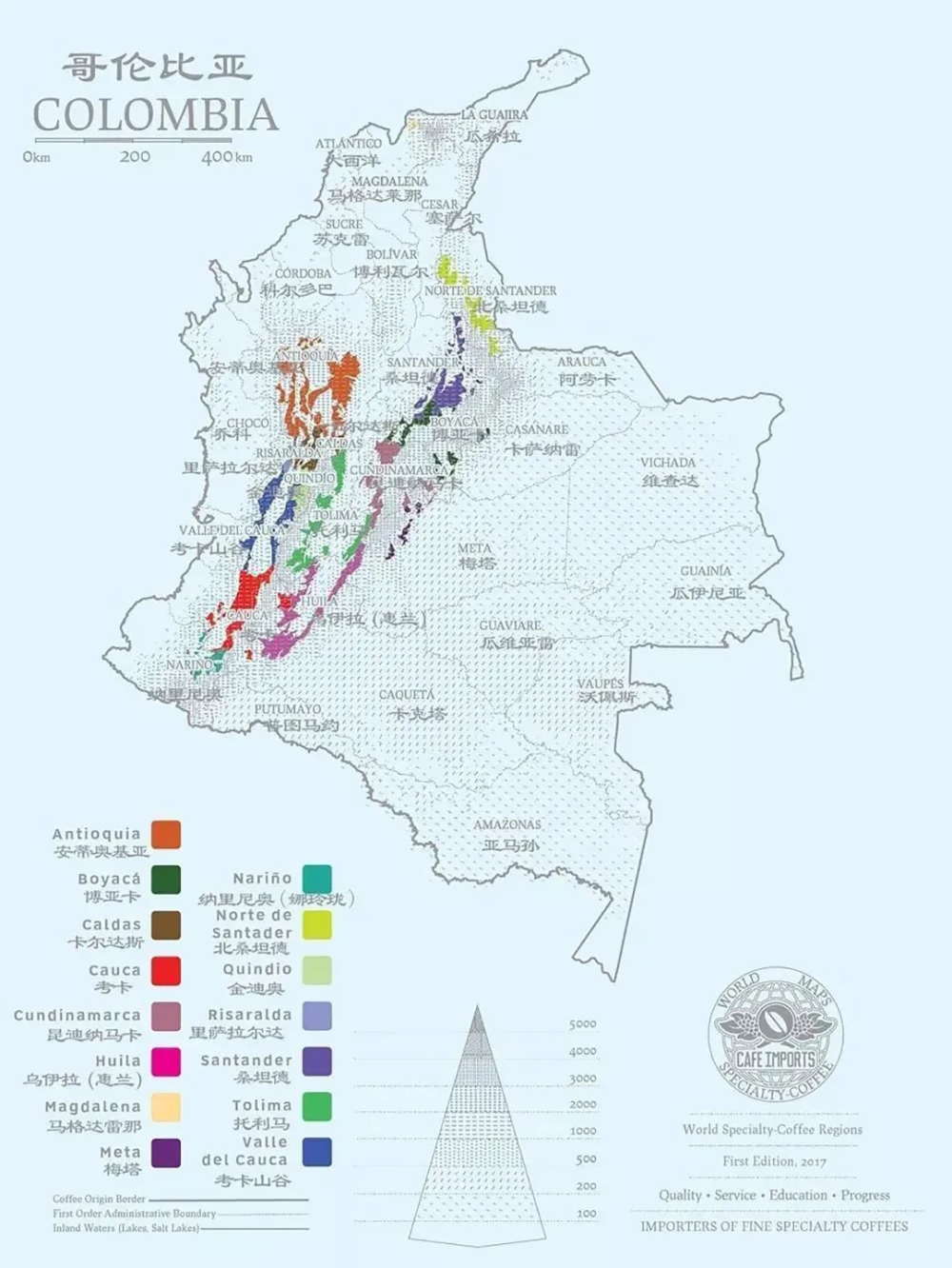
Colombia's coffee belt follows the Andes down the country's western side, and the growing zones outline three claw-like marks on a map. The Central Cordillera holds the MAM triangle of Medellin, Armenia, and Manizales, while Santander sits in the north and Huila and Cauca lie to the south. Each area differs in altitude, temperature swing, and microclimate, so flavors vary from mellow and sweet to bright and fruity.
Because the belt spans so much ground, harvest seasons stagger and cherries are available somewhere in the country most of the year. Colombia ranks among the most important origins for high-quality coffee, with six main cultivated varieties and green bean grading standards that sort by screen size and defects. The region also influences how washed, anaerobic natural, and anaerobic enzyme-washed lots taste.
Colombia, with the superior terrain of the Andes and its diverse climates, has become one of the world's most important producers of high-quality coffee. From the classic MAM Coffee Triangle to Santander in the north and Huila and Cauca in the south, each producing region presents distinctly different flavor profiles due to differences in altitude, temperature variation, and microclimate. This article systematically reviews the terroir characteristics of Colombia's main coffee-producing regions, the origins and performance of six major cultivated varieties, green bean grading standards, and the effects of processing methods such as washed, anaerobic natural, and anaerobic enzyme-washed on flavor. At the same time, combining Front Street Coffee's bean list products such as Rose Valley, Huila daily drinking beans, and Flower Moon Night, it provides specific brewing parameters and flavor descriptions to help coffee enthusiasts fully understand the diverse charm of Colombian coffee.
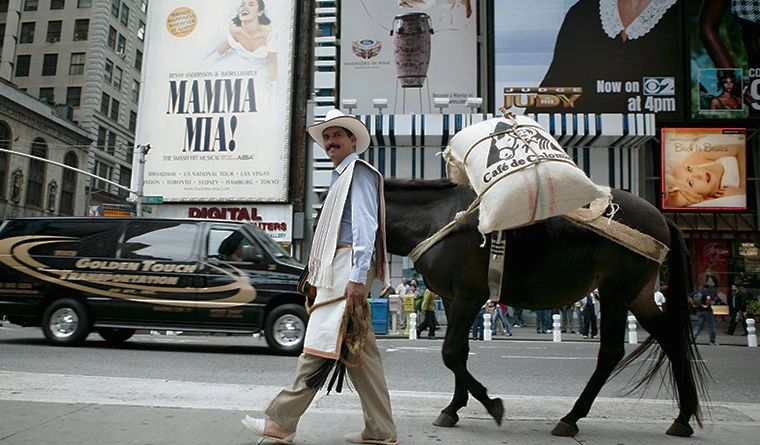
Colombian coffee exudes a rich, full-bodied aroma, with bright acidity and excellent balance that linger long in the memory. The ability to produce coffee of such quality is inseparable from the country's unique natural conditions. Colombia is located in the northwestern corner of South America, and its coffee belt spreads along the Andes Mountains. Viewed from above on a map, the outline of the producing regions resembles three scratches made by a cat's paw across the western part of the country. Because the growing zones span a wide range, geographical conditions and climate patterns vary from place to place, creating multiple staggered harvest seasons. It can be said that Colombia has coffee cherries available for harvest throughout the year.
Along the Central Cordillera lies an extremely important coffee-growing zone, made up of the three cities of Medellin, Armenia, and Manizales. The industry often refers to them collectively by their initials as MAM, also translated as the "Coffee Triangle." Among these three, Medellin's coffee quality is especially outstanding, with large, plump beans, abundant aroma, and a warm, harmonious sweet-acid balance. It is suitable for deep roasting, and the finished cup has a satisfying body, earning a large number of loyal fans in coffee circles.
In the direction of the Eastern Cordillera, the Santander producing region is the best known. This region is located in northern Colombia, has a relatively dry climate, and coffee trees are mainly grown at altitudes between 1,400 and 1,600 meters. Many local coffee trees are kept within forests, where natural shade provides moderate cover, lengthening the fruit ripening cycle. Combined with fertile soil and pronounced day-night temperature differences, the coffee produced here often has an intense, bold aroma, a long-lasting sweet aftertaste, and a unique herbaceous note. Rose Valley from Front Street's bean list comes from the Santander producing region, and its pleasing peach-like character has won the favor of many female customers.
FrontStreet Coffee: Colombia Rose Valley Coffee Beans
Producing region: Santander
Estate: Big Tree Estate
Processing method: Anaerobic enzyme-washed
Altitude: 1,700m
Variety: Caturra
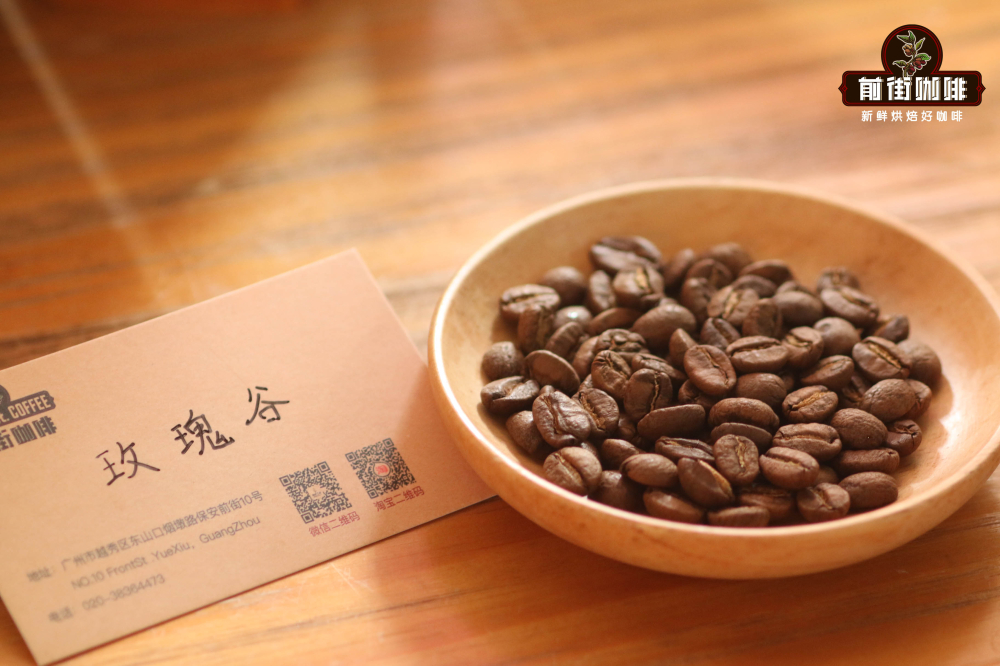
Brewing flavor: Rose, peach, liqueur chocolate, cream, cranberry
Huila is located in southern Colombia and is a critically important specialty coffee producing region in the country, accounting for about 12% of national output. This area is surrounded by rolling, varied hills, with altitudes generally exceeding 1,500 meters, and several tributaries of the Colombia River converge here, providing abundant water for coffee trees. Unlike the full-bodied style people usually associate with Colombian coffee, the Huila region is dominated by micro-lot beans supplied by smallholders, and differing microclimatic conditions and diverse green bean processing methods give each batch its own character. Front Street believes that washed Huila coffee best reflects the foundational flavor of Colombian coffee, so it has been included in the daily drinking bean series.
FrontStreet Coffee: Colombia Huila Coffee Beans
Producing region: Huila
Altitude: 1,500-1,800 meters
Processing method: Washed
Variety: Caturra
Flavor: Nuts, dark chocolate, caramel, soft fruit acidity
The Cauca producing region has an overall high growing altitude, with coffee trees capable of growing at up to 2,100 meters, making the day-night temperature difference very pronounced. Low nighttime temperatures combined with higher altitude slow down the coffee's growth rhythm, giving the fruit more time to accumulate nutrients and also giving Cauca coffee a pleasant sweet-acid balance.
Colombian Coffee Varieties
As one of the world's largest producers of high-quality coffee, Colombia naturally cultivates a rich variety of coffee varieties, among which the six most important are worth understanding.
Caturra is the most widely planted and most abundant variety in Colombia. It originated from a natural mutation of Bourbon, and its flavor expression is relatively close to Bourbon. Caturra coffee trees do not require shade, have dense nodes and therefore considerable yield, and their short stature also makes picking easier. Colombia introduced it in 1952, and by the 1960s it was being promoted for large-scale cultivation.
Typica's arrival in Colombia can be traced back to the late 16th century, giving it a very long history of cultivation. Typica has an elegant flavor, with light floral notes and excellent sweet-acid balance, but its disease resistance is weak and its yield is also low, so most coffee farmers tend to choose other higher-yielding varieties. Bourbon, a mutation of Typica, has a fresher, cleaner acidity, arrived in Colombia later, and is not especially widely planted.
Faced with the serious threat of leaf rust, in 1982 Colombia's National Coffee Research Center, Cenicafe, crossed Caturra with the Timor variety to develop the Colombia variety. This variety has strong resistance to leaf rust and high yield, but its cup performance is not as excellent as Caturra's, and it is usually used for commercial blends.
The Colombian Coffee Growers Federation, FNC, and the research center also jointly developed the new-generation varieties Castillo and Tabi. With strong disease resistance and continuously optimized flavor quality, the Colombian government began promoting the cultivation of these two varieties in 2005.
Colombian Coffee Grading
Coffee beans exported from Colombia must undergo manual removal of defective beans and layer upon layer of strict inspection before being packaged for sale abroad. The country's green bean grades are divided according to defect rate and bean size. As shown in the figure below, the highest grade is Supremo, with the largest and plumpest beans, more than 95% reaching screen size 17, and no more than 8 defective beans in a 500-gram green bean sample. Beans of screen size 18 and above selected from Supremo are Supreme18+.
Processing Methods
Colombian coffee is mainly washed processed, and small farms are usually equipped with machines to remove the skin and pulp. Coffee farmers pour the harvested coffee cherries into the machine, add a small amount of water, then place the parchment beans with a little mucilage into a small tiled tank or container to ferment overnight so the mucilage layer falls off. Afterward, they rinse them clean with fresh water and move them outdoors for natural sun drying. If rainy weather occurs, locals then use drying equipment to dehydrate them at a constant 50 degrees Celsius until the moisture content meets the standard, after which they are packed and stored.
Front Street's Colombian Huila producing region daily drinking beans are exactly washed processed. Front Street believes that washing best presents the foundational flavor of the producing region, while natural and other processing methods layer fermented flavors on top of the washed baseline. As micro-lot specialty coffee becomes increasingly sought after, many small farms in Colombia have begun trying newer processing methods. For example, the Flower Moon Night coffee beans on Front Street's bean list use anaerobic natural processing, that is, the coffee fruit is first anaerobically fermented and then dried through natural sun drying. It should be noted that the temperature of anaerobic fermentation must be controlled below 10 to 15 degrees, and in a sealed and clean stainless steel fermentation container, the coffee beans ferment for three days under oxygen-free conditions.
There is another processing method that can make coffee's fermented aroma more prominent—anaerobic enzyme-washed. Selected coffee cherries are placed in a sealed environment, carbon dioxide is injected to expel oxygen, and specific enzymes are also added during fermentation. Under oxygen-free conditions, the breakdown of sugars in the coffee mucilage slows down, and the pH value also drops more slowly, so the fermentation time can be extended, thereby developing better sweetness and a more balanced flavor. After fermentation is completed, the coffee fruit then continues with the washing step.
Brewing Reference
Washed Huila daily drinking beans are mainly characterized by nuts and dark chocolate, so Front Street's roaster chose to use a medium roast.
For brewing, Front Street believes that choosing freshly roasted coffee beans is the first prerequisite. Coffee beans enter their optimal tasting period on days 4 to 7 after roasting. If left too long and this window is missed, the aroma will dissipate more quickly, and it will be difficult to restore the ideal flavor and mouthfeel. Front Street deeply understands the importance of freshness, so all shipments are batches freshly roasted within 5 days, allowing everyone to brew and taste directly upon receipt.
Front Street's brewing parameters this time are: Hario V60 dripper, 89°C water temperature, 15 grams of coffee, 1:15 coffee-to-water ratio, medium-fine grind (75% passing through a Chinese standard No. 20 sieve). The brewing method uses three-stage extraction: pour the coffee grounds into the V60 dripper, wet the coffee bed with twice the coffee's weight in water, and after a dome forms, bloom for 30 seconds. Then, using a small stream, pour in circles from the inside outward until the scale reaches 125 grams, pause, and when the coffee bed has dropped to halfway down the dripper, continue pouring the third stage with the same fine stream until 225 grams, until all the coffee liquid has finished filtering. Remove the dripper, with a total time of about 2 minutes.
After brewing, the Huila daily drinking beans show an overall balanced performance with prominent sweetness. On the palate there are aromas of dark chocolate, nuts, and caramel, and after the temperature drops, a soft fruit acidity can be felt.
The above content is compiled by CoffeeHunters, a coffee news website.


