







For many coffee enthusiasts, pour-over coffee can be considered quite a magical thing. Front Street Coffee believes there's no need to view pour-over coffee as too profound. When chatting with customers, Front Street Coffee often finds that most people don't understand the principles of pour-over coffee, and their pouring technique is unstable during brewing, leading to sometimes over-extraction and sometimes under-extraction. Today Front Street Coffee will talk about some suggestions and techniques for pour-over coffee. However, no matter how much theoretical knowledge you have, practice is still indispensable. Front Street Coffee believes you can first clarify the principles of pour-over coffee, determine what the purpose of pour-over is, and then apply and implement it in practice. Most importantly, you need to practice a lot to gradually become consistent.
[Suggestions About Pour-Over]
01 Water Quality
A delicious cup of coffee certainly cannot do without good water quality. In daily life, don't use tap water directly for brewing coffee. It's recommended to use filtered water or purified water for brewing coffee. Of course, mineral water also works. However, each type of water brewed with the same brewing parameters will produce slightly different flavors. Front Street Coffee also conducted experiments for this. (This experiment is not to prove which water quality is better for brewing coffee, but to demonstrate how different water qualities affect the extraction flavor, providing reference for everyone.)
Water Quality Test Results

Front Street Coffee used [Front Street Coffee Sidamo Flower Kui Coffee Beans] to demonstrate the results of this experiment:
Front Street Coffee Brewing Coffee with Different Water Qualities
Experimental Results

Water quality directly affects the taste, aroma, consistency, and many other health elements of all coffee. The key influencing factor lies in the mineral composition in water. Mineral ions such as calcium, magnesium, sodium, and potassium in water affect the thermodynamic extraction ability of coffee, thereby causing changes in coffee flavor.
02 Fresh Coffee Beans
Pour-over coffee can use single-origin beans or espresso beans, but if you want to experience the charm of pour-over coffee, it's recommended to choose single-origin beans with detailed bean information (origin, variety, processing method). You can taste the flavor characteristics of a single origin. Front Street Coffee has therefore launched a daily beans series, aiming to let everyone buy beans that can taste the flavor of the corresponding origin at a relatively cheaper price, such as the citric acid of Yirgacheffe, the herbal taste of Mandheling, the nutty chocolate flavor of Brazil and Colombia. These are the basic flavors of the origins, and they can all be reflected in the daily beans.
In addition, when purchasing freshly roasted coffee beans, the flavor of roasted coffee beans will gradually weaken. When you receive freshly roasted beans, they need to be rested for 4-7 days. At this time, the coffee flavor will present its best state. Therefore, the Front Street Coffee you receive is generally beans within a week or three to four days, so that you can immediately enjoy this coffee when you receive it. After a month, the flavor of the beans will become much flatter, so it's recommended not to store a bag of beans for too long. Finishing it within a month is best.
03 Suitable Equipment and Drippers
Have a set of equipment that suits you. For pour-over kettles, there are flat-spout kettles, palace kettles, pointed gooseneck kettles... etc. However, for pour-over kettles, beginners are advised to use a fine-spout pour-over kettle, as its water flow is easier to control, and there won't be too large a stream during pouring, making it easy to handle.
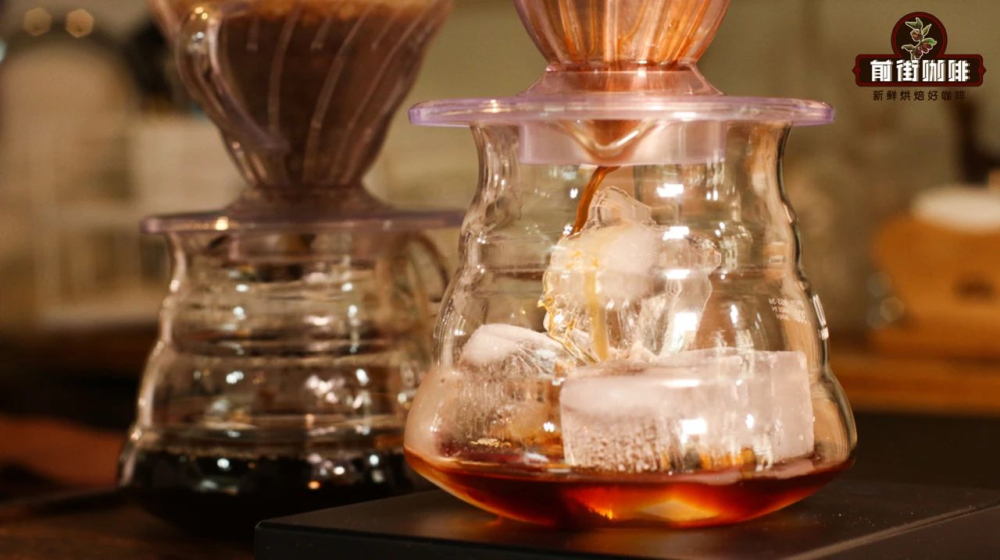
Coffee drippers are diverse, and many friends don't know which dripper to learn with. Below, we'll introduce three types of drippers suitable for beginners.
Kalita Wave coffee dripper, a charming dripper that harmonizes the sweet, sour, and bitter notes of coffee. Its unique wave structure improves the problem of easy under-extraction, minimizing variables affecting the extraction process. The taste is relatively lighter, suitable for beginners. It has three holes arranged in a triangle, a flat bottom, and the "Y"-shaped protrusion at the bottom forms what is called the "wave zone."

Kono, the Kono-style coffee dripper, an extraction tool that perfectly showcases the rich aroma and flavor of coffee. It has a single hole, with a relatively large opening and fast extraction speed, which cannot fully extract. Therefore, it adopts a drip method, embodying the Japanese artisan spirit of extraction. Using a pour-over kettle with a narrow spout allows for better drip-style pouring, more suitable for dark roast coffee.
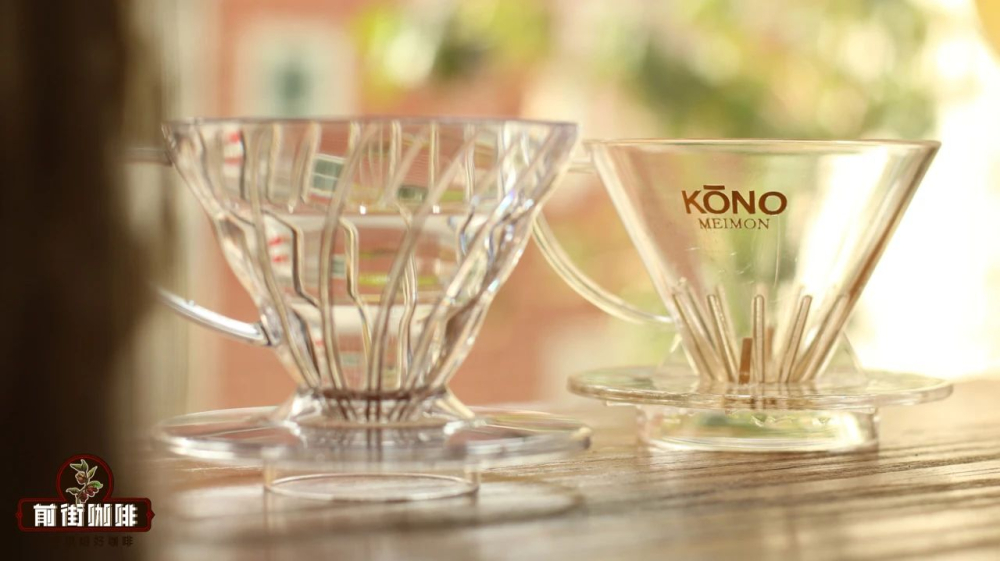
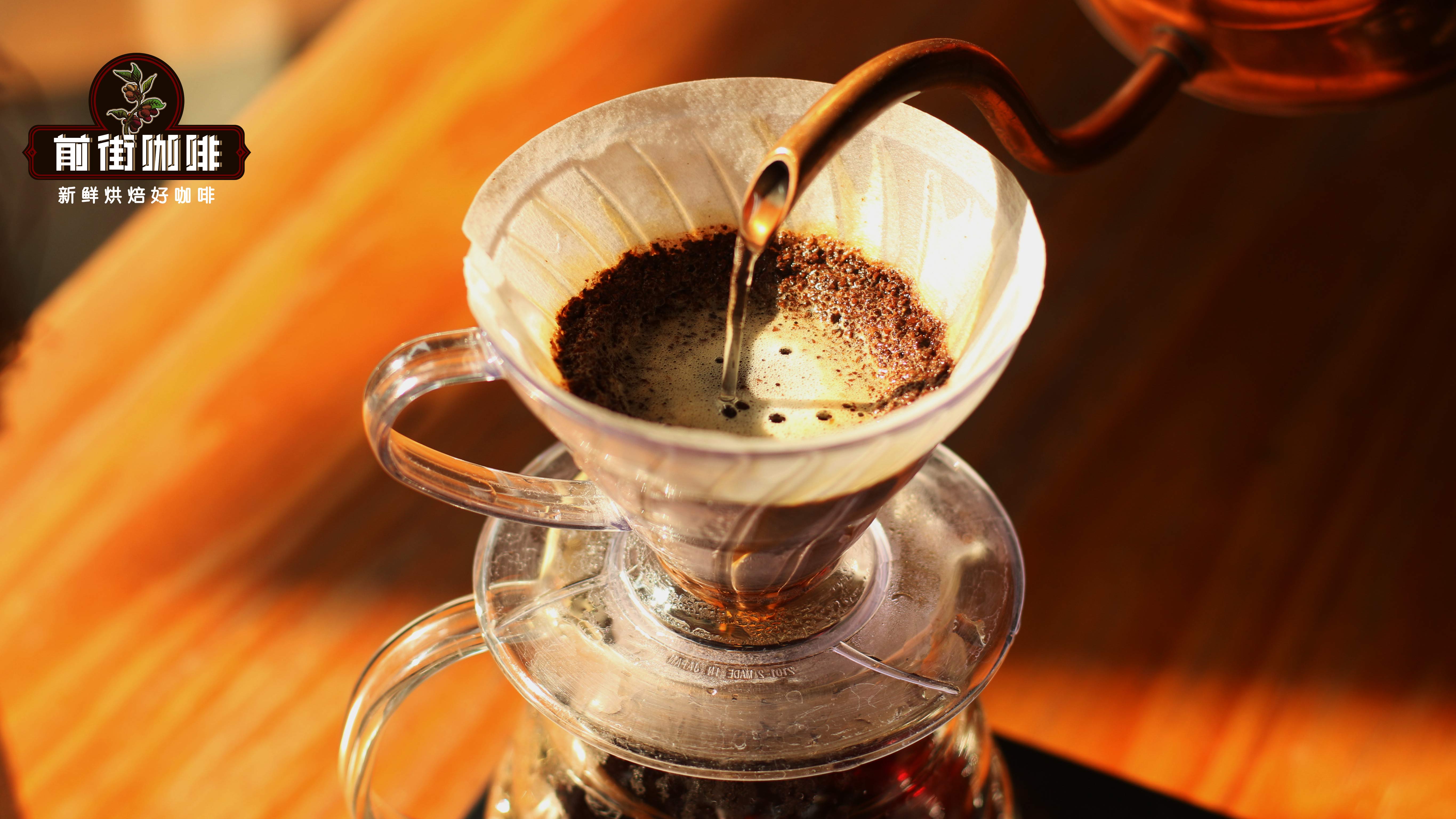
Hario V60, an extraction tool that highlights the rich aroma of coffee, a fast-extraction dripper. The filter paper's pointed corner is slightly folded up to better fit the dripper. This dripper uses a fine-pour style; the mild mouthfeel may decrease, but the coffee's personality becomes more pronounced, with increased body and bitterness, and better balance. The fine-pour three-stage pouring water flows are: relatively fine slow pour, very fine slow pour, relatively thick fast pour. When you don't know how to start, choose the Hario V60 dripper. It's a popular dripper, suitable for coffee beans of various roast levels, and the extracted coffee has more layers and variability.
Try to use bleached filter paper, as unbleached ones easily have off-flavors; use the filter paper model that matches your dripper. For a 01 dripper, use 01 filter paper; for a 02 dripper, either 01 or 02 filter paper works.
04 Suitable Grind Size
Grind size directly affects the concentration and extraction rate of coffee, and is one of the influencing factors of pour-over coffee. It is very important.
Finely ground coffee will have higher concentration, higher extraction rate, and higher body (prone to over-extraction).

Front Street Coffee Grind Size Demonstration
Coarsely ground coffee has low concentration, low extraction rate, and low body (prone to under-extraction).
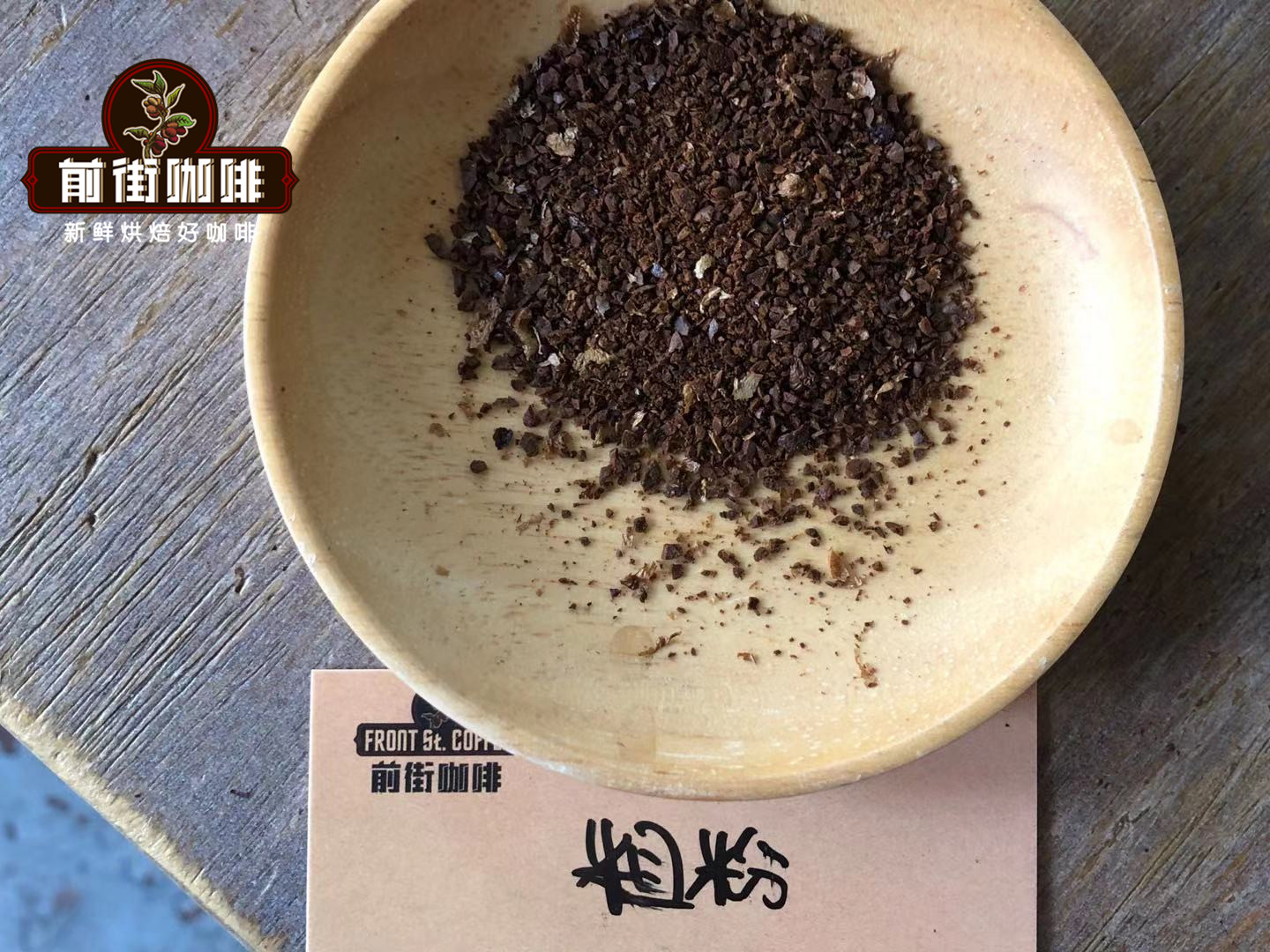
Generally suitable for pour-over coffee is medium-fine grind (like the size of granulated sugar).

05 Water Temperature
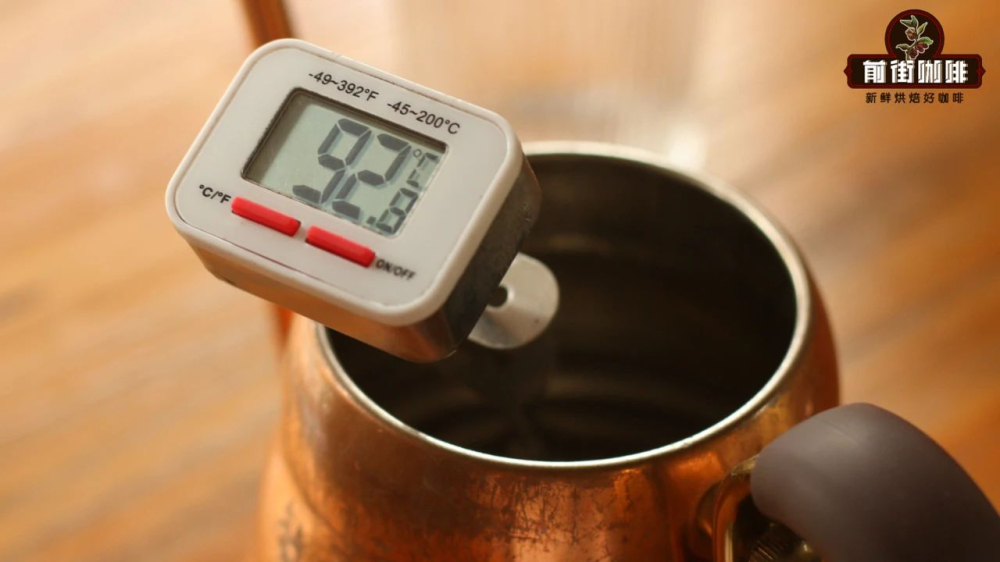
Water temperature affects the extraction efficiency of coffee. High water temperature extracts quickly, low water temperature extracts slowly. For Front Street Coffee's light-medium roast beans, brewing at 90-91°C can express the bean's acidity and sweetness; for medium-dark roast beans, it's recommended to brew at 88-85°C to express the bean's cleanliness and body. When customers buy coffee beans, Front Street Coffee will provide suggested brewing temperatures.
06 Blooming
Why do we bloom coffee when brewing?
1. To release gases from coffee particles, mainly carbon dioxide. Generally, the fresher the coffee and the closer to roasting, the more bubbles during blooming.
Dark roast beans also release more gas during blooming than light roast beans.
2. After gases are released, coffee particles absorb water evenly, which allows for even extraction later.
A good bloom can allow coffee grounds to quickly and fully release gases evenly, while also allowing coffee grounds to fully and quickly contact water, helping coffee grounds to be evenly extracted.

Front Street Coffee Pour-Over Blooming Demonstration
Pour-Over Coffee BloomingThings to note during blooming:
① Before pouring water for blooming, gently shake the coffee grounds flat. It's best not to pat them forcefully~ Patting will reduce the density between the coffee grounds layers, affecting the release of carbon dioxide.
② When blooming, pour water gently, don't use a large stream to impact the coffee grounds layer.
③ The blooming time is about 30 to 35 seconds. When the expansion of the coffee grounds surface ends and you see the coffee surface shriveling, it means blooming is complete and you can start pouring water. (In terms of time, if blooming is too long, coffee is prone to bitterness and astringency; if too short, soaking is insufficient, and coffee may have under-extraction or the coffee flavor may not be fully expressed.)
④ During blooming, the extracted liquid dripping down should be as little as possible; when too much extracted liquid appears in the server, reduce the amount of water poured, or pay attention to the grind size. (If the bloom water amount is too much, a large amount of coffee liquid drips down, and the falling water doesn't stay but directly carries out substances from the outer layer of the coffee grounds. The off-flavors and astringency of the coffee grounds' outer layer also begin to dissolve out. The coffee brewed this way is both weak and has over-extracted off-flavors. If the bloom water amount is insufficient, with no water dripping at all, it means the coffee grounds haven't absorbed enough water, and some coffee doesn't release enough gas, causing under-extraction.)
⑤ The bloom water amount should be about 2 times the coffee grounds (e.g., if using 15g of grounds to extract 225g of coffee liquid, then the bloom water amount is 30g).
07 Pour-Over Coffee Water Pouring
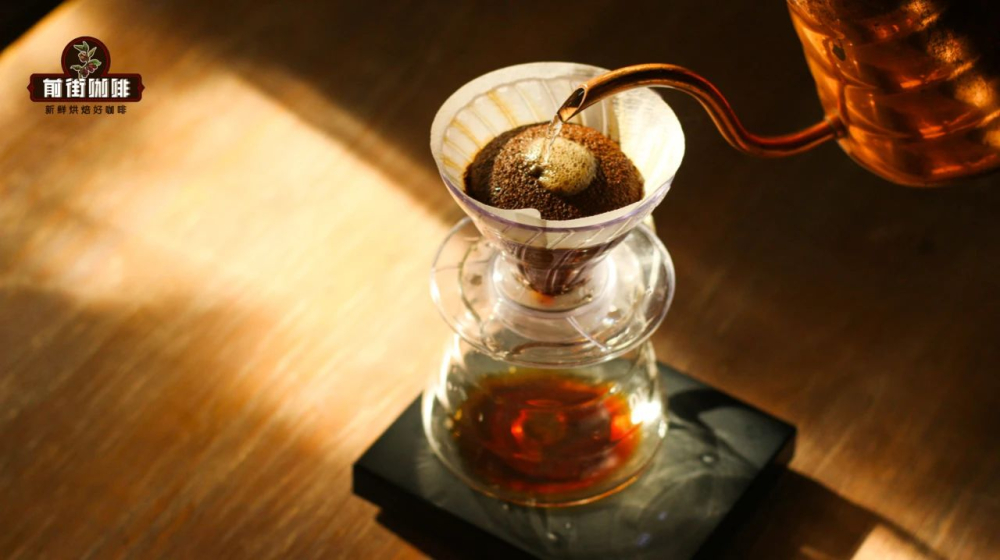
When talking about pour-over topics, Front Street Coffee always tells customers to pour gently, not to break the water stream during circular pouring, to control the water flow well, to be steady, not alternating between large and small. Why is that?
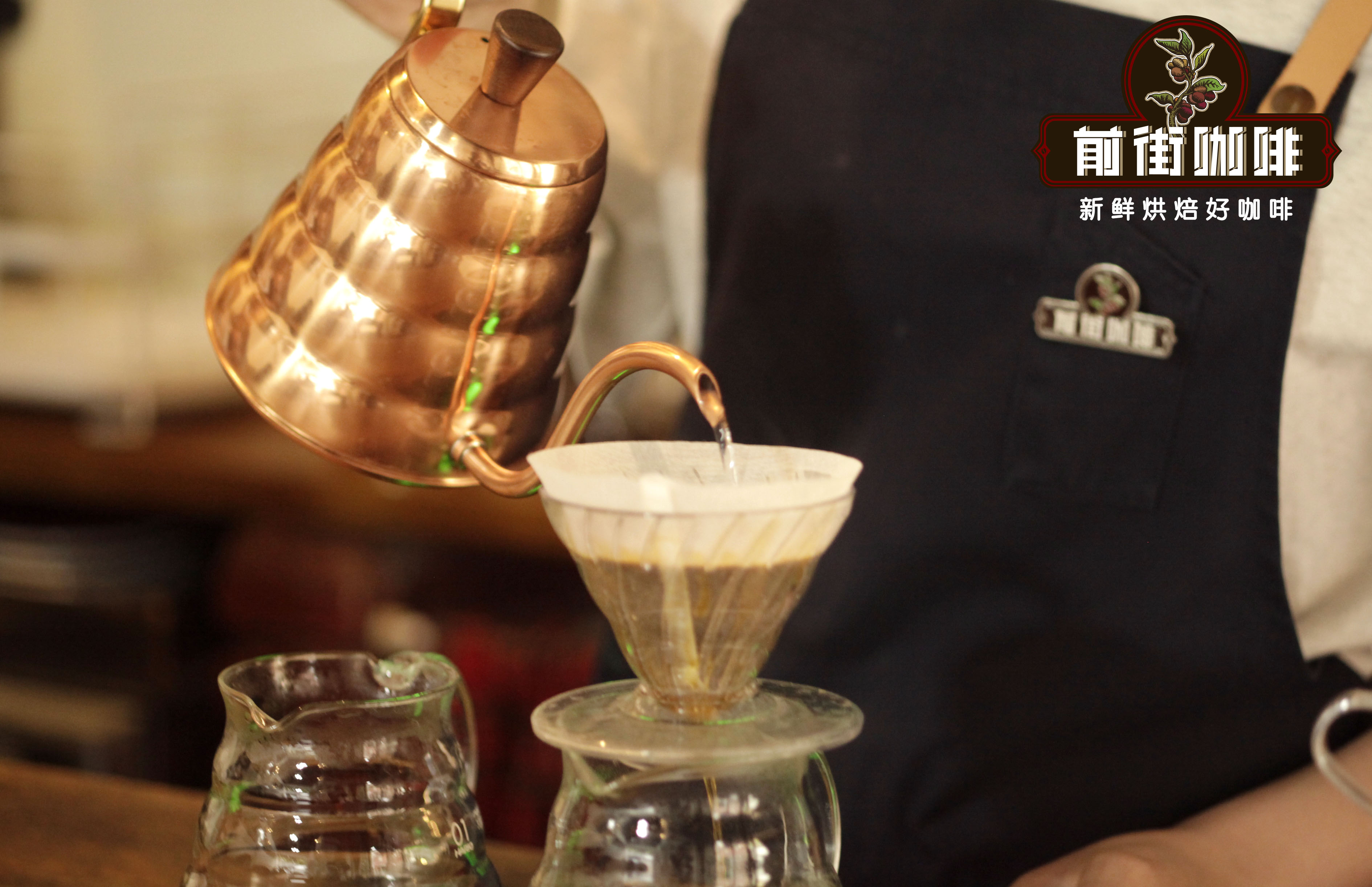
There are two main reasons: the size of the water flow affects the agitation of the coffee grounds layer and controls the extraction time through the water flow.
① The size of the water flow affects the agitation of the coffee grounds layer
When you pour with a larger water flow, the coffee grounds are agitated more, so the extraction time will be shortened; conversely, when the water flow is small, the coffee grounds are agitated less, so the extraction time will be extended.
When brewing with a large water flow, the coffee bed is severely agitated, the water level in the dripper rises rapidly, as if water is about to submerge the filter paper. Drainage speeds up, easily making the extraction time too short, leading to under-extraction, and the coffee flavor cannot be expressed.
When using a small water flow, it's exactly the opposite. Although the water level is not high, an overly gentle small water flow makes the water column's force unable to penetrate the coffee grounds layer, only agitating the surface of the coffee grounds. Moreover, the extraction time is noticeably prolonged, and the coffee is prone to bitterness and off-flavors, greatly affecting the coffee's taste.

② Controlling extraction time through water flow
Longer extraction time = stronger flavor, higher concentration, more pronounced sweet, sour, and bitter sensations
Shorter extraction time = milder flavor, lower concentration, less pronounced sweet, sour, and bitter sensations
[What method should beginners use to brew pour-over coffee?]
Segmented extraction is a relatively common brewing technique and an extension of the one-pour method. Simply put, segmented extraction is dividing water into several stages of pouring. The most famous segmented extraction is undoubtedly the three-pour method.

Compared to a single pour, coffee brewed using segmented extraction will have richer layers, clearly showing the front, middle, and back flavors of the coffee. Additionally, it's easier to control the water flow from running off the edge of the dripper, reducing instability in pour-over. The downside is that it requires relatively higher skill in controlling flow rate and water volume.
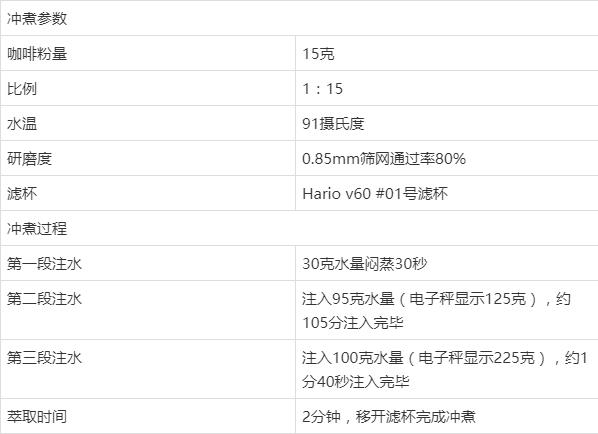
Brewing Parameters
Dripper: V60
Coffee dose: 15g
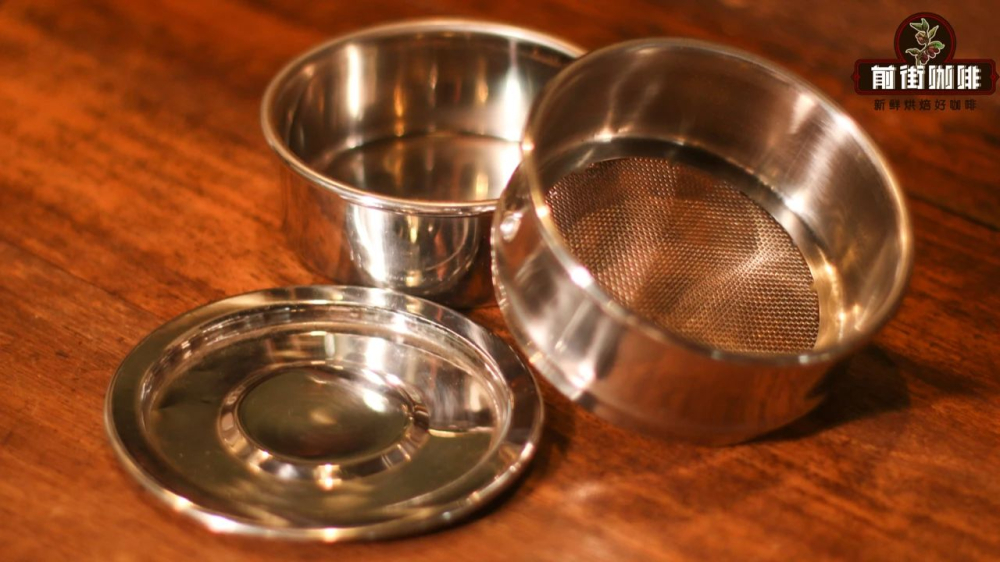
Grind size: 80% passing through Chinese standard No. 20 sieve
Coffee-to-water ratio: 1:15 (15g coffee, 225ml water)
Brewing Technique
1. (Start timing first) Bloom with 30g of water until the timer reaches 30 seconds. When you see no more bubbles expanding on the coffee grounds surface, it means blooming is complete.
2. Pour slowly with a small water flow in a circular motion around the center until reaching 125g (at this point, the timer is about 1'00"). Then pause for a segment, letting the coffee grounds soak slightly for more even extraction.
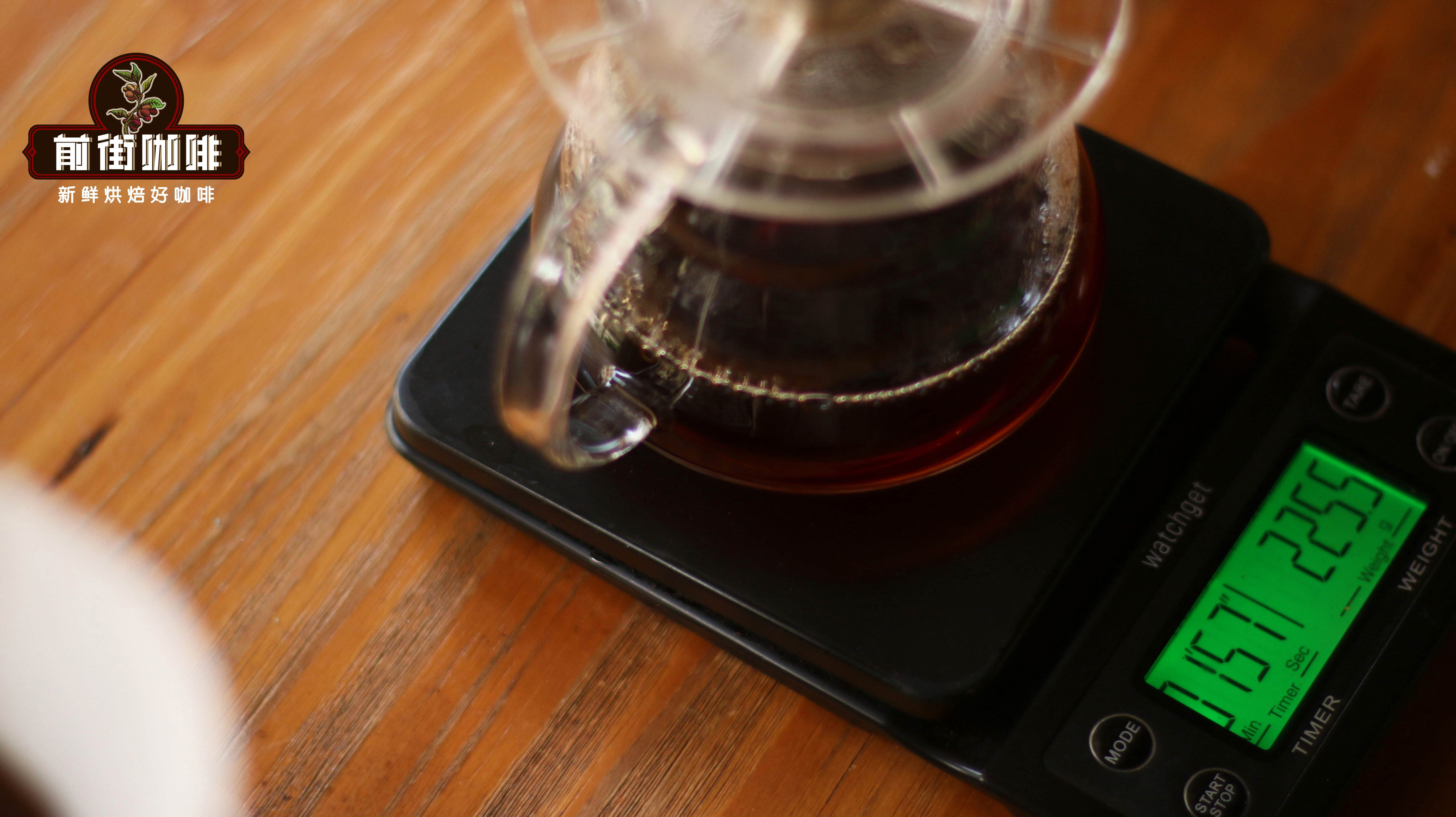
3. When the water level drops by 2/3, pour quickly with a larger water flow until reaching 225g and finish (at this point, stop pouring at about 1'50"). The coffee liquid extraction ends at about 2'00"-2'10".
Reasons for Segmentation
Segmented extraction prevents the coffee grounds wall at the edge of the filter paper from being easily broken through. Also, segmented pouring helps increase the agitation of coffee grounds during brewing. The pouring water flow can penetrate the coffee grounds to improve extraction rate.
How to Determine the Timing for the Next Pour
Sometimes you see some baristas just pause briefly during segmentation and then start pouring again, but this is actually not very meaningful. Usually, when we do segmented pouring, we wait until the water level drops by 1/2 or 2/3 before pouring again. The main reasons are:
1. When the water level drops by 1/2 or 2/3, there won't be too much water accumulated in the dripper, nor will the coffee bed be exposed due to too much water level drop, which would cause uneven extraction of the upper and lower coffee grounds layers.
2. After the water level drops, the water flow can directly penetrate the accumulated water to agitate the lower coffee grounds layer. If the water level is too high, the impact force of the water column is insufficient, causing the upper layer of the coffee bed to be over-extracted while the lower layer is under-extracted.
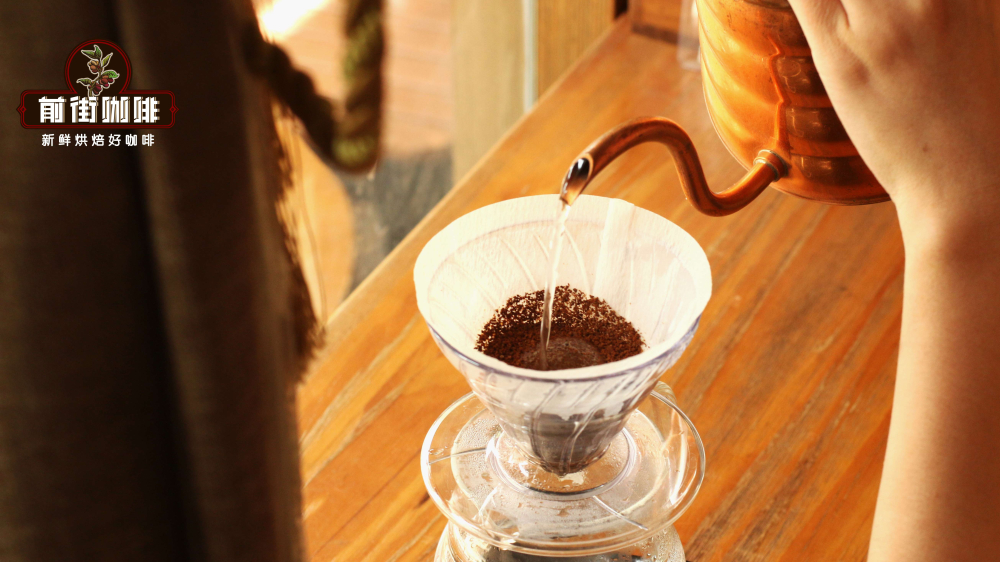
Overall, segmented extraction makes it easier to get a cup of coffee with distinct flavor layers, because the V60 or Kono drippers have fast flow rates, and segmented extraction can reduce under-extraction caused by fast flow rates to a certain extent. So if you want a cup of coffee with rich layers, why not try this technique~
For professional coffee knowledge exchange and more coffee bean information, please follow Coffee Workshop (WeChat public account: cafe_style)
For more specialty coffee beans, please add private WeChat Front Street Coffee, WeChat ID: kaixinguoguo0925
The above content is compiled by CoffeeHunters, a coffee news website.


