







Search Results for: Toshio Kono
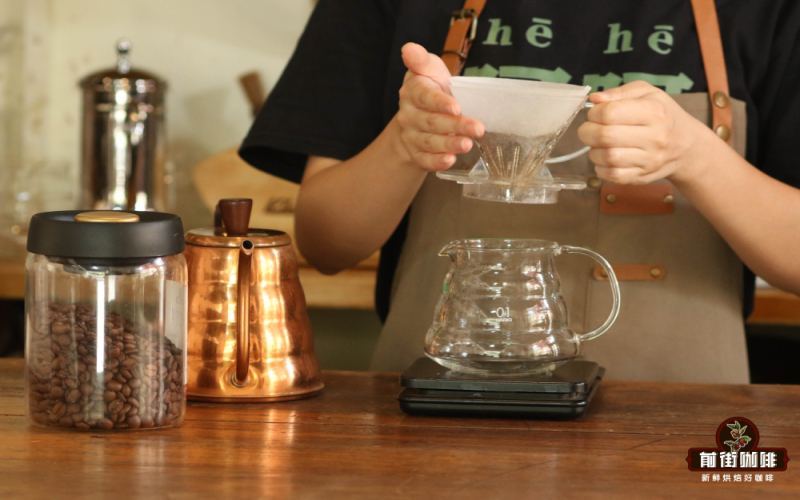
Analysis of the KONO dripper's design principles and brewing characteristics: How the short-rib structure affects extraction flavor and recommended coffee beans
As a well-known Japanese coffee equipment brand, KONO's cone-shaped dripper occupies an important position in the pour-over coffee world thanks to its unique short-rib design. Starting from the historical origins of the KONO dripper, this article takes a deep dive into how its rib structure slows the flow rate and extends the steeping time by limiting the space for air to escape, thereby improving extraction balance and body. At the same time, in response to the brewing needs of medium-to-dark roasted coffee beans, it shares the real-world parameters used at Front Street Coffee stores, including grind size, water temperature, coffee-to-water ratio, and a three-pour pouring scheme, and recommends a number of classic beans that pair well with this dripper, helping coffee enthusiasts fully master the logic of using the KONO dripper. [more…]

In-Depth Analysis of the KONO Meimon Dripper: Master the Design Essence and Dark Roast Coffee Brewing Characteristics
In the world of coffee brewing, V60 has almost become synonymous with conical drippers, but Front Street Coffee often chooses another classic piece of equipment when producing dark-roasted coffee—the KONO dripper. This brand, originating from Japan's Kono family in 1925, showcases a rich and full-bodied flavor when extracting dark-roasted beans thanks to its unique rib design and siphon effect. However, domestic coffee enthusiasts have quite limited understanding of it. In this article, Front Street will systematically sort out the historical evolution of the KONO dripper, the differences between models such as Meimon and Konos, and why it is particularly suitable for the brewing logic of dark-roasted coffee, and will share the parameter schemes that Front Street has summarized in actual operation, to bring you a comprehensive understanding of this low-key yet highly capable dripper. [more…]
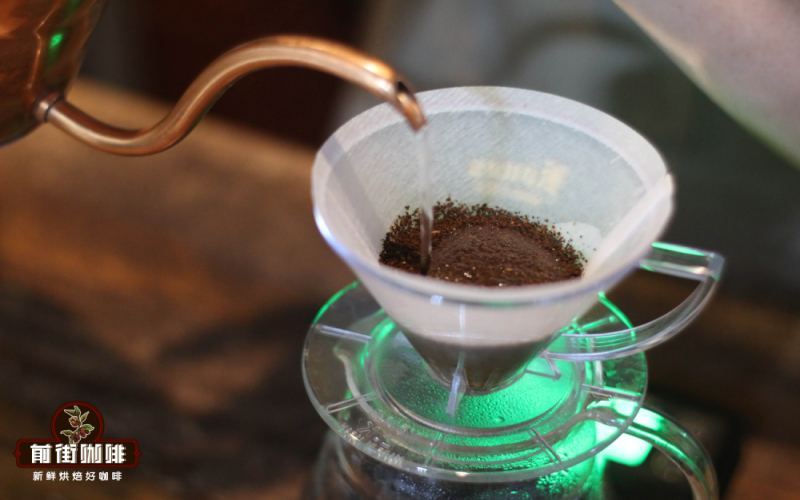
KONO dripper pour-over tutorial: from rib design to staged extraction, a detailed guide to brewing rich, full-bodied medium-dark roast coffee
With its unique short ribs and bottom convex groove structure, the KONO dripper delivers pronounced sweetness and a full-bodied mouthfeel when brewing medium-dark roasted coffee, making it the go-to device for many coffee enthusiasts. Drawing on the hands-on experience of Front Street Coffee, this article first explains the design principles and extraction logic of the KONO dripper, then uses Jamaica Blue Mountain No. 1 as an example to share in detail the coffee dose, water temperature, grind size, and multi-stage pouring technique, helping you reliably reproduce a rich, full-bodied, and layered Japanese-style pour-over coffee at home. [more…]
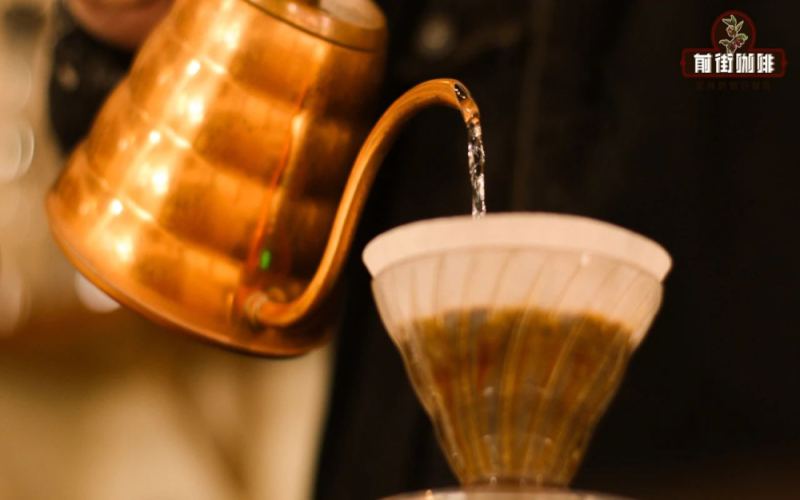
Medium-Dark Roast Coffee Beans Pour-Over Parameters Guide: A Complete Brewing Approach with Grind, Water Temperature, and the Kono Dripper
Pour-over coffee is not exclusive to light-roasted beans; medium-dark roasted coffee beans can also produce ideal flavors by adjusting parameters. Beans of different roast levels differ significantly in structure—medium-dark roasted beans are more porous and absorb water faster, so applying the brewing logic of light roasts can easily lead to over-extraction and bitterness. Drawing on Front Street Coffee's hands-on experience, this article systematically outlines the flavor characteristics of medium-dark roasted coffee and explains in detail the specific settings for grind size, water temperature range, coffee-to-water ratio, and dripper selection. Finally, it includes Front Street Coffee's standard three-pour brewing process and timing control to help you consistently reproduce a rich, sweet, and mellow medium-dark roasted pour-over at home. [more…]
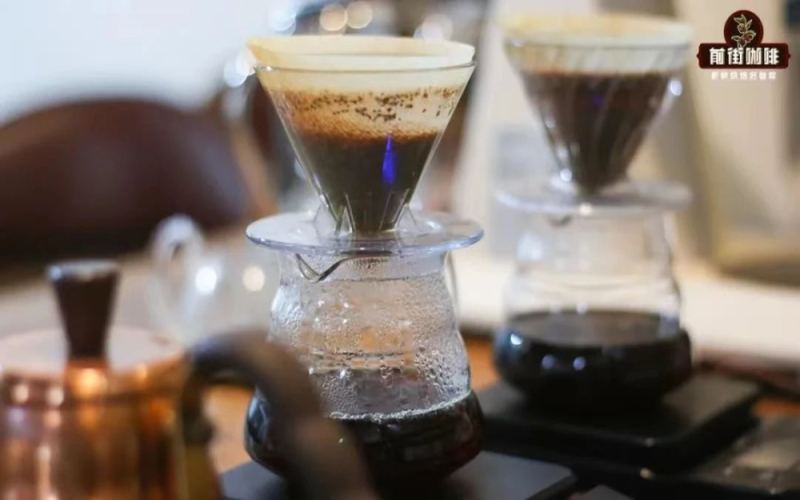
An In-Depth Analysis of the KONO Meimon Dripper: Structural Design, Suitable Bean Types, and Practical Brewing Parameters
Pour-over coffee enthusiasts often face the dilemma of choosing a dripper, as different shapes and structures directly affect extraction and flavor outcomes. As a classic representative of conical drippers, the KONO dripper stands out in brewing medium-to-dark roasted coffee beans thanks to its unique design philosophy. This article will provide a detailed explanation of the KONO dripper's origins, structural features, and extraction principles, and, drawing on Front Street Coffee's hands-on experience, share the specific parameters and techniques for brewing Front Street Indonesia Golden Mandheling with the KONO dripper. From grind size adjustment and water temperature control to the three-pour technique, we break down step by step how to bring out this dripper's strengths in body and sweetness. Whether you are a beginner just getting into pour-over or a coffee enthusiast hoping to refine your skills, you will find practical references and inspiration here. [more…]
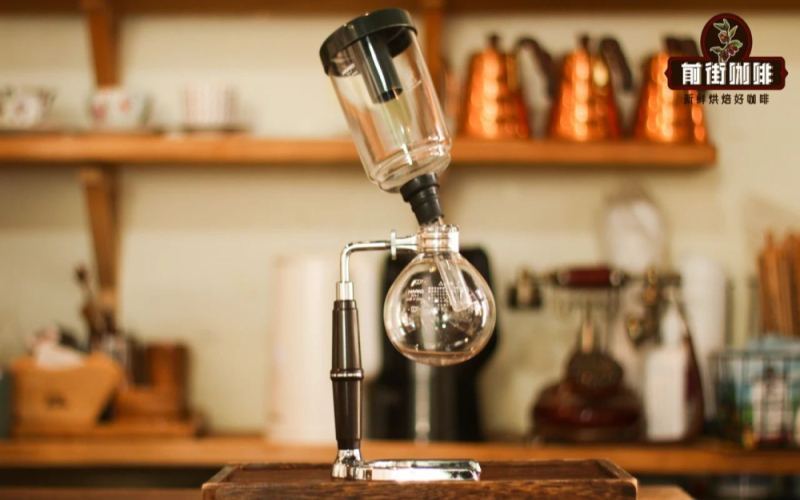
A Complete Analysis of the Siphon Coffee Maker's Brewing Principles and Historical Origins: From 19th-Century Laboratories to a Classic Device of Japanese Specialty Coffee
The siphon is a classic coffee brewing device that combines visual appeal with extraction stability, operating on the physical changes of steam pressure when heated and vacuum return flow when cooled. Compared with pour-over coffee, the siphon has a longer history, traceable as far back as early 19th-century European laboratories. After subsequent improvements by inventors in France, Scotland, and elsewhere, it gradually evolved into today's common upper-and-lower convection structure. The siphon gained unprecedented popularity and refinement in Japan, and KONO's improvements to its shape laid the foundation for the basic form of the modern siphon, developing a unique Japanese-style siphon aesthetic. Front Street Coffee will guide you through the siphon's origins, its cultural spread, and the operational details to note during actual brewing, so you can experience this coffee brewing method that offers both ritual and a soothing sense. [more…]
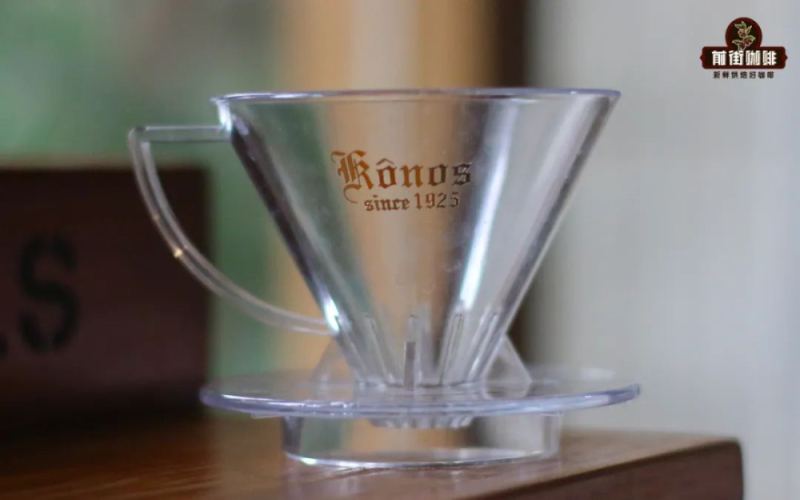
In-Depth Analysis of the KONO Meimon Dripper: Design Principles, Extraction Characteristics, and Practical Brewing Methods
Since its introduction in 1973, the KONO Meimon dripper has become a representative brewing device for Japanese-style dark roast coffee, thanks to its distinctive conical shape and semi-rib design. It mimics the extraction logic of a flannel drip, extending the contact time between grounds and water by restricting air escape, thereby delivering greater body and sweetness. Starting from the design intent and structural principles, and drawing on the hands-on experience of Front Street Coffee, this article explains grind size settings, water temperature selection, and the three-pour technique in detail, helping coffee enthusiasts master the key skills for brewing a full, rounded flavor with the KONO dripper. [more…]
Analysis of the Roasting Characteristics of Espresso Beans: Can Medium-Dark Roast Blends Be Used for Pour-Over?
The flavor profile of espresso fundamentally depends on the variety of coffee beans selected and the degree of roast. To achieve a cup that is both balanced and full-bodied, the vast majority of cafés tend to use medium-dark roasted blends for espresso. However, quite a few coffee enthusiasts also try using such beans for pour-over. It is worth noting that during pour-over extraction, the brewing parameters will differ significantly depending on the roast level of the beans. This article takes medium-dark roasted coffee as its main thread and, drawing on Front Street's hands-on experience, systematically sorts through the flavor characteristics of such beans in pour-over, grind setting, water temperature range, coffee-to-water ratio, and dripper selection, and provides a complete brewing procedure to help you reliably reproduce a rich, full-bodied medium-dark roast pour-over at home. [more…]
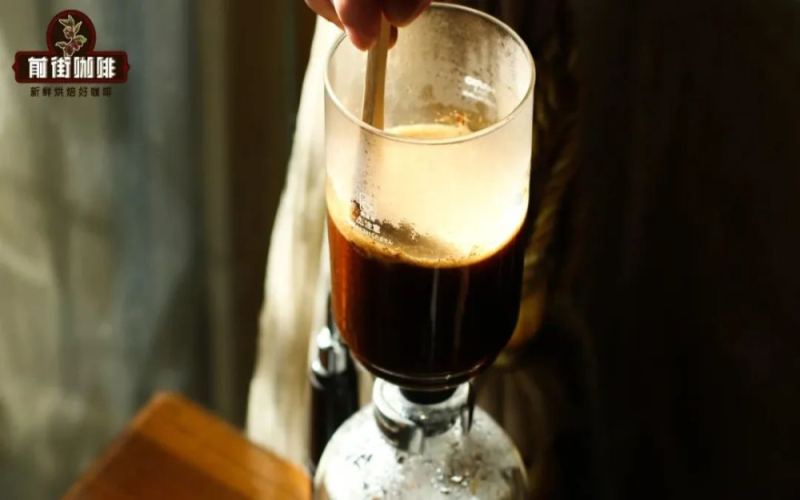
Why is siphon coffee gradually being replaced by pour-over? And which is the most well-known siphon brand in Japan?
The siphon pot, once a staple of specialty coffee shops, now seems to be quietly fading into the background. This brewing device, with its distinctly laboratory-like air, predates pour-over coffee by nearly a hundred years, and it was in Japan that it truly flourished, giving rise to a unique Japanese siphon aesthetic. Yet, in an era where fruity acidity has become mainstream and efficiency is paramount, why has the siphon pot lost out to pour-over? And who is Japan's most renowned siphon pot brand? This article will take you through the origins and popularity of the siphon pot, analyze the core reasons it was replaced by pour-over, and preserve Front Street's observations and recommendations regarding this classic device. [more…]
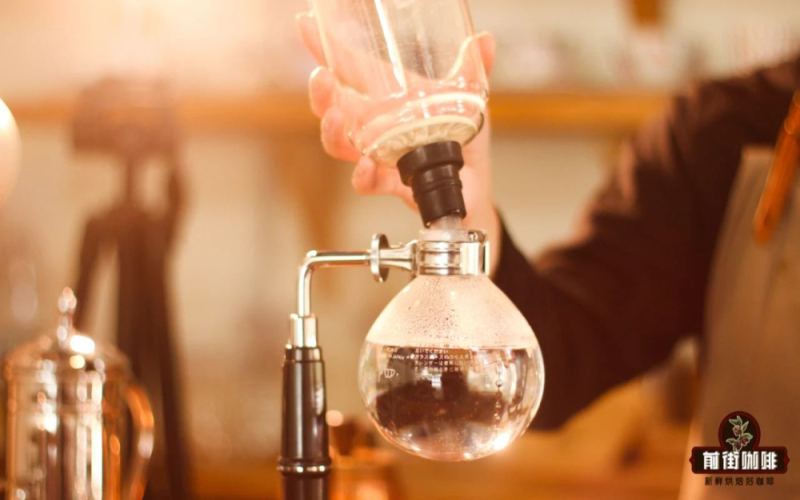
A Complete Guide to Siphon Brewing: Origins, Japanese Evolution, and Step-by-Step Instructions
The siphon pot, also known as the vacuum pot, is a coffee brewing device that uses thermal expansion and contraction along with the vacuum principle to extract coffee, and its history can be traced back to a laboratory invention in the early 19th century. With its elegant brewing process and rich, full-bodied taste, it occupies an important place in Japan's specialty coffee culture. This article will take you through the complete journey of the siphon pot from its birth to its improvements, distinguish the flavor differences between it and pour-over coffee, and list in detail the tools and operating steps needed to make siphon coffee using Front Street Coffee beans, making it suitable reading for every coffee enthusiast interested in this classic device. [more…]
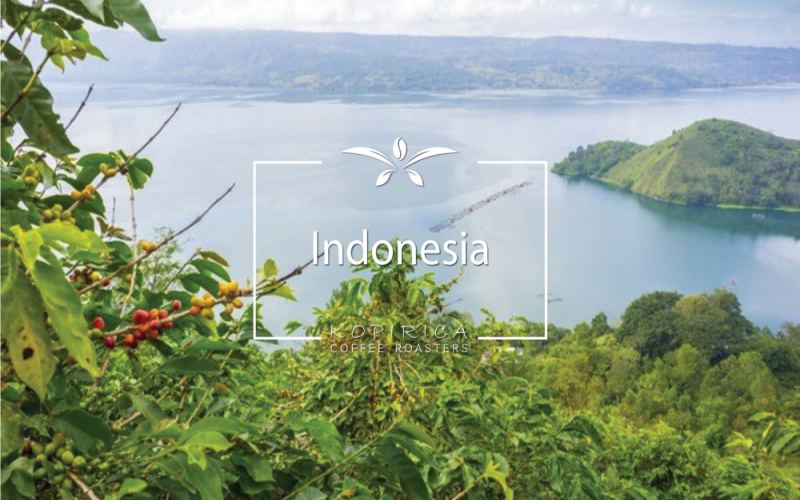
Does Indonesian Golden Mandheling belong to Arabica? A detailed explanation of the differences between Mandheling and Arabica coffee bean varieties
Indonesia is the world's fourth-largest coffee-producing country, and its coffee is known for its heavy, herbal flavors. However, Indonesian coffee varieties have been introduced and naturally crossbred many times, making them extremely difficult to identify. From the perspective of Front Street, this article first clarifies the basic concepts of the three major coffee species—Arabica, Robusta, and Liberica—then focuses on the origins and variety classification of Mandheling, and introduces one by one the producing regions, varieties, processing methods, and brewing key points of four classic beans: Front Street Lintong Mandheling, Front Street PWN Golden Mandheling, Front Street Tiger Mandheling, and Front Street Aged Mandheling, helping coffee lovers systematically understand the relationship between Mandheling and Arabica. [more…]
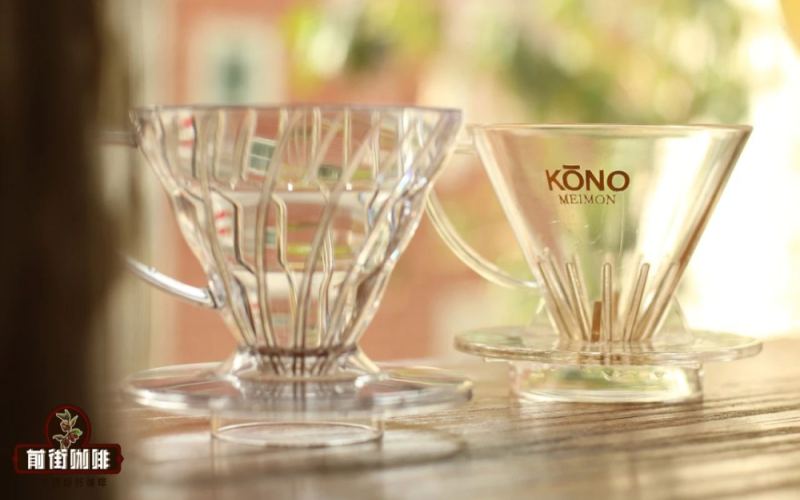
Pour-over Dripper Usage Tutorial | Which Coffee Beans Are Suitable for Brewing with the Kono Dripper? Introduction to the Kono Dripper's Extraction Principles and Coffee Flavors
The KONO dripper, like the Hario V60, is cone-shaped. The biggest difference lies in the height of the ribs. KONO has 12 ribs that are lower than those of the Hario V60, which helps with airflow during brewing and increases the efficiency of the bloom. When the KONO dripper is used together with its server, it's like [more…]
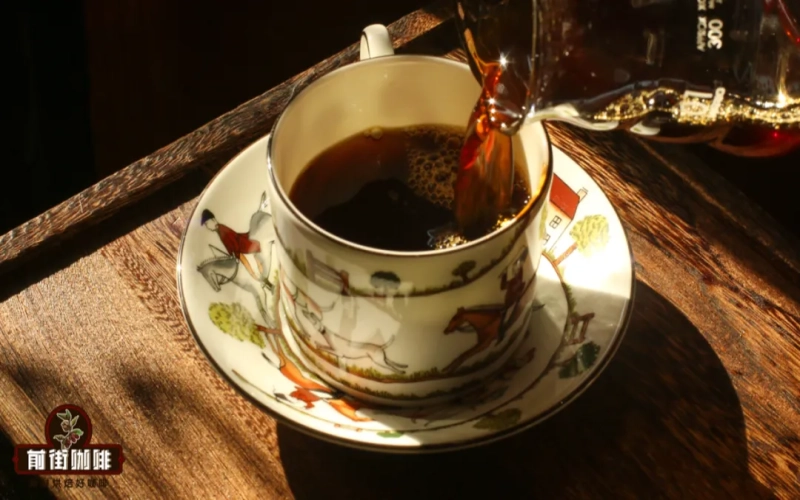
The Complete Kono-Style Drip Method Tutorial: How Japanese-Style Pour-Over Overcomes the Challenge of Extracting Fresh Beans
Freshly roasted coffee beans contain a large amount of carbon dioxide, and brewing them directly often leads to uneven extraction and imbalanced flavor. To address this, the Japanese developed a series of solutions, among which the Kono-style drip method is considered a classic. It uses water droplets instead of a water stream to pre-wet the coffee grounds, waits for sufficient degassing before switching to a stronger flow for extraction, and finally adjusts the concentration through bypass. In this article, Front Street Coffee will use PWN Golden Mandheling as an example to break down in detail the parameter settings and operating steps of this brewing method, helping you brew a rich, balanced, and delicious cup even with fresh beans. [more…]

A Complete Guide to the Kono Drip Method: From Grind Size to Pouring Rhythm, the Ultimate Pursuit of Mellow Sweetness in Dark Roast Coffee
The drip method, hailed as one of the most challenging brewing techniques in the pour-over field, was invented in 1973 by the Kono family, founders of the Kono brand. Through its unique rhythm of dripping first and then pouring, it allows dark-roasted coffee to present a fuller body and higher sweetness. This article will provide a complete analysis of every detail of the Kono-style drip method, from its origin and background, brewing principles, and equipment selection, to specific parameters and step-by-step operations. Front Street Coffee uses Sumatra PWN Golden Mandheling as an example to share the complete process and precautions of this high-concentration, low-extraction brewing method, leading you to appreciate the charm of the drip method. [more…]

KONO Dripper Brewing Guide: Extraction Characteristics Analysis and Medium-Dark Roast Coffee Bean Pairing Suggestions
The KONO dripper, with its distinctive rib design and slow flow rate, produces a flavor profile in coffee extraction that is completely different from the Hario V60. This article starts with the dripper's structure to explain why it is better suited to medium-dark roasted or full-bodied coffee beans, and uses the classic Front Street Golden Mandheling as an example to break down a complete brewing recipe covering dose, grind size, water temperature, and three-pour technique. Whether you want to understand the extraction logic of the KONO dripper or are looking for coffee beans to match it, this article will provide clear and practical guidance. [more…]
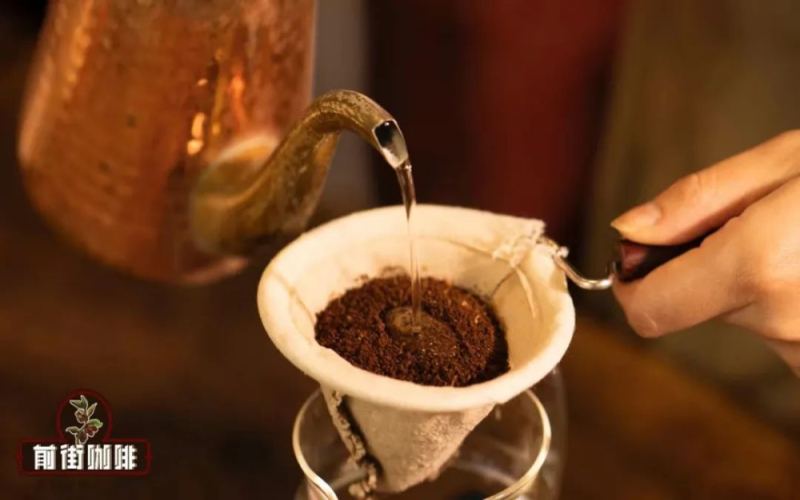
Comparison of the Three Major Japanese Dark Roast Brewing Methods: Principles and Operational Characteristics of Kono Drip, Matsuya-Style, and Volcano Brewing
Deep-roasted coffee beans are known for their rich, mellow bitterness, and the Japanese brewing tradition includes three classic methods designed specifically for such beans: the Kono drip method, the Matsuya-style brewing, and the volcano pour. Though they take different paths, their core goal is the same—to fully unlock the steady, grounded flavors of dark-roasted beans. The Kono method uses drip-style blooming to extend degassing time, the Matsuya style pursues stable extraction through ultra-high pouring and an extra-long bloom, while the volcano pour creates an erupting effect with segmented small-circle pours. All three generally use a higher coffee-to-water ratio, and some require bypass dilution. This article breaks down each method's origins, operating logic, and flavor profile one by one, and explains why these approaches are better suited to dark-roasted beans. [more…]

Japanese-Style Hand-Drip Method Operation Guide: How the Kono Drip Method Brews a Rich, Full-Bodied Coffee Flavor
The drip method, a highly distinctive extraction technique in Japanese-style pour-over, was developed in 1973 by the Kono family, founders of the Kono brand, with the aim of giving coffee a richer, fuller body. This technique involves slowly saturating the coffee grounds with an extremely fine stream of water; only after the coffee bed has absorbed its fill of water and finished degassing does the coffee liquid begin to drip out in significant quantities. Starting from the operational details, this article explains the water-control techniques and judgment criteria for the drip method, and, combined with the brewing performance of Front Street Coffee's Golden Mandheling, guides you through the spice, caramel, dark chocolate, and popcorn-like rich flavors this technique brings out, as well as the lingering Pu'er tea finish after swallowing. [more…]
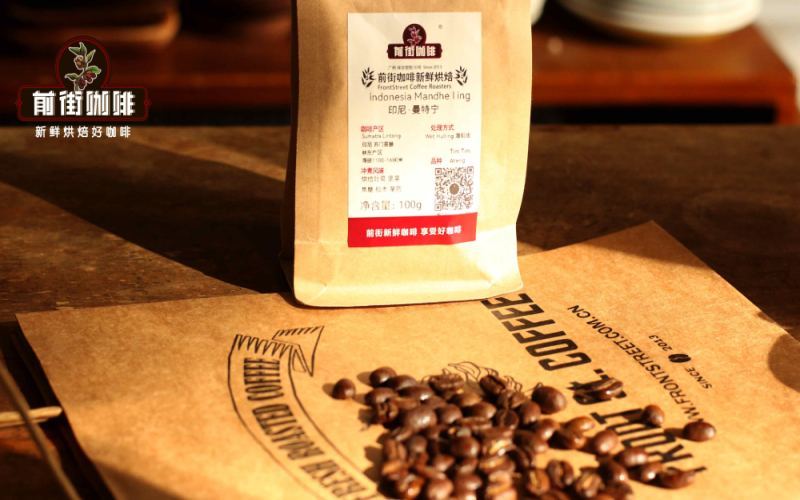
KONO dripper with Golden Mandheling: Pour-over techniques and flavor performance for medium-dark roasted beans
Although medium-dark roasted coffee beans are not as popular as light roasts, they still have a loyal following among those who seek a sweet, mellow, and silky mouthfeel. Front Street PWN Golden Mandheling is exactly the bean for people with this flavor preference—no fruity acidity, rich caramel aroma, and a pronounced sweetness. However, to fully unlock the potential of such beans, the choice of dripper and brewing technique are crucial. This article will share how to switch between the Hario V60 and KONO dripper based on the condition of the beans, explain in detail how the KONO dripper enhances body through its unique rib structure, and cover pouring strategies tailored to the characteristics of medium-dark roasted beans, such as vigorous degassing and high dehydration rates. Whether you are new to medium-dark roasts or looking to refine your pour-over skills, these insights can provide practical reference. [more…]

A Beginner's Guide to Pour-Over Dripper Selection: Differences Between V60 and Kono Conical Drippers and Coffee Bean Recommendations
Want to make a good cup of coffee easily at home? Pour-over is a relatively low-barrier, budget-friendly choice. In a basic pour-over setup, the dripper has a big influence on the final flavor direction. There are many kinds of conical drippers on the market, among which the Hario V60 and the Kono are the most common. The two look similar in shape, but their rib structures, how well the filter paper fits, and their flow rates are completely different, and the extraction results they produce each have their own leanings. This article will start from the principles of the equipment, compare the characteristics of the V60 and the Kono, explain what kinds of coffee beans and taste preferences each is suited to, and recommend several matching single-origin beans from Front Street Coffee, to help beginners choose the right first dripper according to their own preferences. [more…]
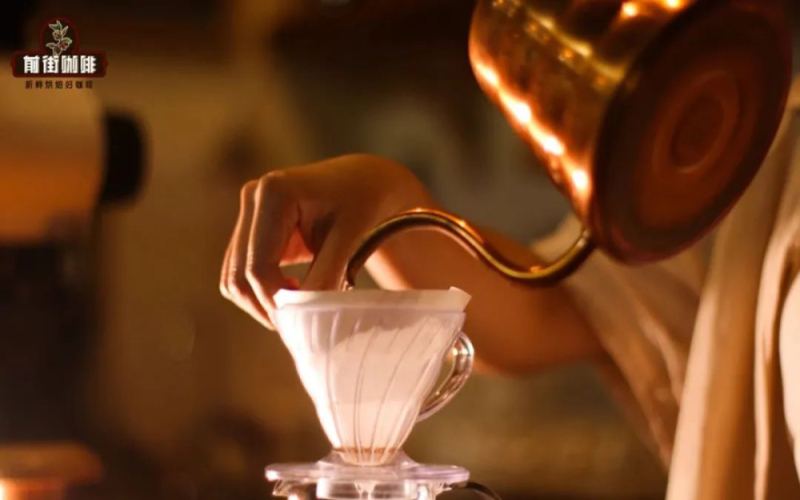
How Does Filter Paper Fit Affect Coffee Extraction? A Comparative Experiment Between V60 and KONO Reveals Flavor Differences
Wetting the filter paper before brewing coffee is almost a standard step for all pour-over enthusiasts, with the usual goals of making the filter paper fit snugly, removing paper dust, and, if hot water is used, warming the cup along the way. However, most tutorials rarely discuss in depth how much the degree of fit between the filter paper and the dripper actually affects the final taste. Front Street conducted two sets of controlled experiments, using V60 and KONO drippers respectively, paired with filter papers in different states of fit for brewing, and tasted and compared them one by one. The experiment used the floral-fruity Front Street · Gedin Gedin and the nutty-sweet Front Street · Brazil Red Bourbon, and the results showed that a poorly fitting filter paper significantly changes the flow rate, which in turn affects the extraction yield and concentration, producing noticeable differences in mouthfeel. [more…]