







How Does the Kono Drip Method Brew Golden Mandheling?
The Kono drip method, invented in 1973 by the Kono family, brews dark roast coffee by dripping water first and then switching to a steady pour. Used with Sumatra PWN Golden Mandheling, it produces a fuller body and higher sweetness. The process splits into blooming, where drops saturate the grounds and release gas, and main extraction, where a stream dissolves flavor until the target water volume is reached.
Grind size, water temperature and pouring rhythm matter more here than in most pour-over styles, and reaching consistent pours can take weeks of practice. The low-volume, low-extraction approach suits mandheling beans because their earthy, heavy character holds up to the slower flow. Expect a thicker cup with muted acidity, which is why the method is paired with dark roasts rather than light ones.
The drip method, hailed as one of the most difficult brewing techniques in the world of pour-over, was invented in 1973 by the Kono family, founders of the Kono brand. Through its unique rhythm of dripping first and then pouring, it brings out a fuller body and greater sweetness in dark-roasted coffee. This article will provide a complete analysis of every detail of the Kono-style drip method, from its origins and brewing principles to equipment selection, specific parameters, and step-by-step instructions. Using Sumatra PWN Golden Mandheling as an example, Front Street Coffee shares the complete process and key points of this high-concentration, low-extraction brewing approach, guiding you through the charm of the drip method.
For instance, the brewing technique that Front Street is introducing today—just mastering its pouring motions to proficiency would probably take over half a month. Even calling it the most difficult brewing method in history would not be an exaggeration. And this technique, Front Street has actually discussed many times before—it is the drip method.
The drip method was born in 1973, invented by the Kono family, founders of the Kono brand. Readers familiar with Front Street should know this brand well—the Kono family started out with siphon brewers before developing the Kono dripper that easily extracts a rich, full-bodied flavor. Back then, everyone was after a full-bodied taste, and the drip method was designed precisely around this goal. For this reason, this method is especially suited to brewing dark-roasted beans. Dark-roast coffee made with the drip method not only has a thicker body but also noticeably higher sweetness.
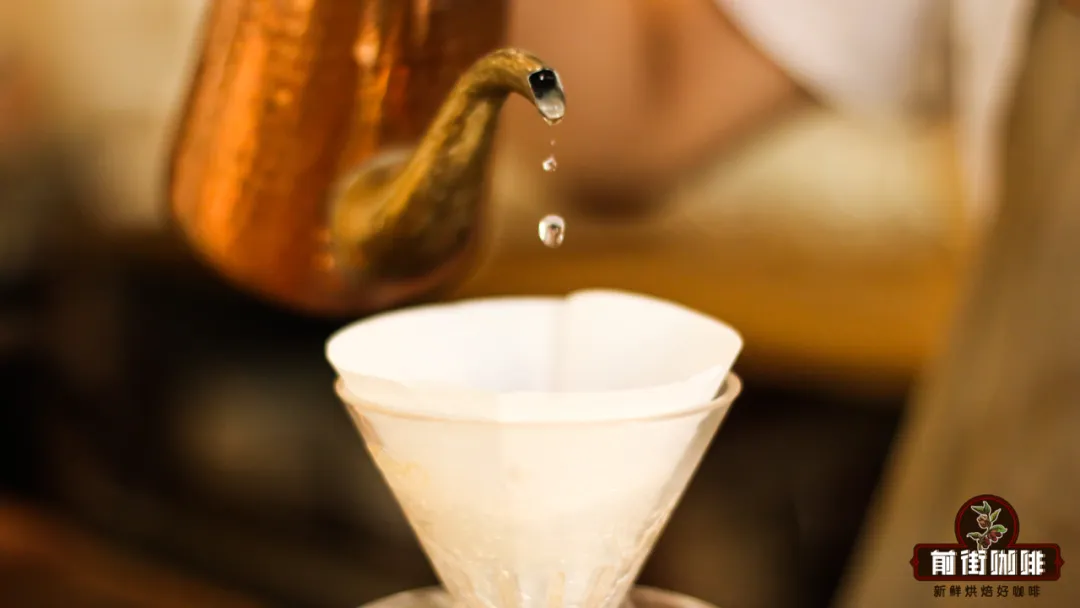
Front Street will first give a rough outline of the drip method process. Although it is a multi-pour brewing method, like most brewing methods, its core can be divided into two main stages: blooming and main extraction. The first stage requires thoroughly saturating the coffee grounds with water droplets falling one by one, the purpose being to give the grounds ample time to release internal gases, so that the hot water poured in later can extract more fully—this effectively replaces the blooming step; The second stage is the critical phase for flavor compounds to emerge, where the drip is switched to a stream, dissolving a large amount of flavor components from the coffee, until the target water volume is poured and extraction is complete.
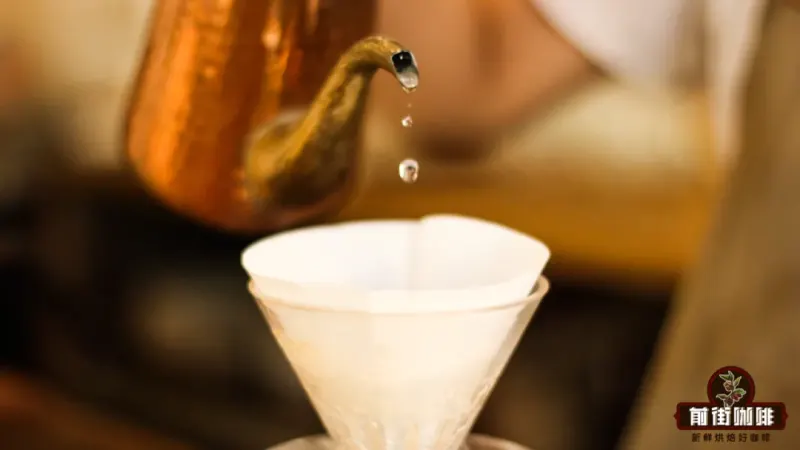
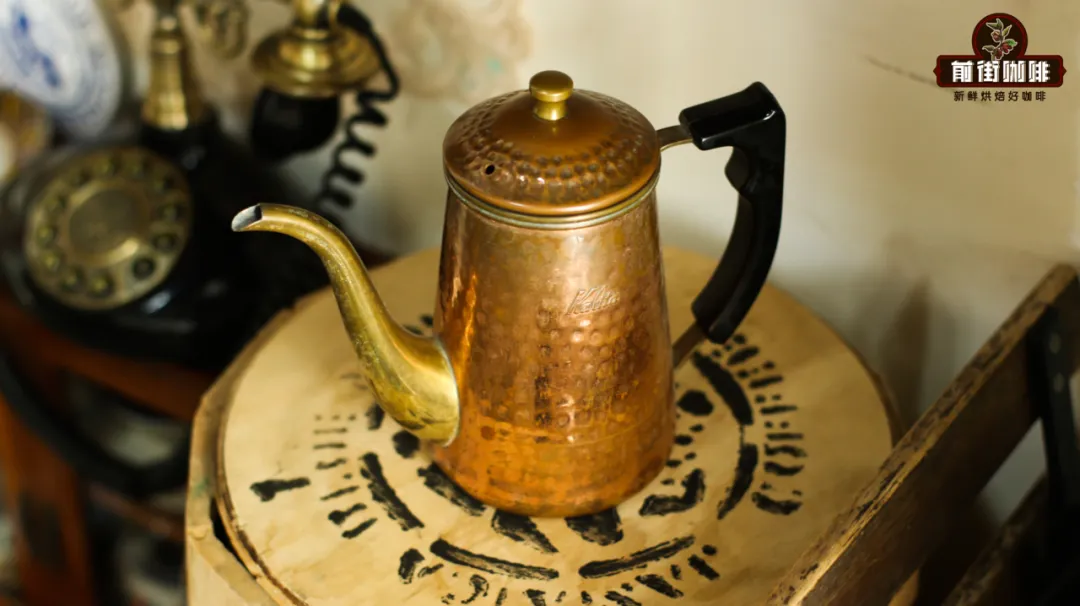
It sounds simple, but those who have actually tried it will understand that drip pouring is far more difficult than expected, because this stage lasts quite a long time. From Front Street's repeated brewing experience, the drip stage alone basically takes about two minutes—very long. Only with extremely skilled technique can one ensure that hot water continues to fall as droplets throughout this extended period. Additionally, the gooseneck kettles we commonly use today are actually not well-suited to the drip method. These kettles typically have a narrow spout and long neck, designed to facilitate pouring a vertical stream. The drip method is better suited to a short-neck, wide-mouth pour-over kettle, such as a crane-neck kettle or a Kalita elephant-trunk kettle. If you try to drip with the current gooseneck kettle, it is not entirely impossible, but the difficulty doubles immediately. (Wide-mouth, short-neck elephant-trunk kettle)
That is why Front Street says it is the most difficult pour-over method in history, bar none. That said, difficult as it is, it is extremely captivating to watch—beyond the continuous stream of droplets, the brewer's calm, focused, and fully concentrated demeanor also carries a real craftsman's quality. So now let Front Street share how to actually brew with the Kono-style drip method! Brewing Share Since this brewing method better highlights the characteristics of dark-roasted beans, the bean Front Street has chosen today is still the darkest roast on the bean list—Front Street Sumatra · Front Street PWN Golden Mandheling. It happens to appear in today's promotion list , so those interested can go for it (yes, the promotion has started) ! Front Street mentioned earlier that coffee brewed with the drip method has higher sweetness, and the reason is that it uses a relatively large coffee-to-water ratio for brewing, then dilutes the concentration through bypass at the end—this is a high-concentration, low-extraction approach. This way, the tail end of the extraction is avoided, so bitterness is naturally lower and sweetness comes through.
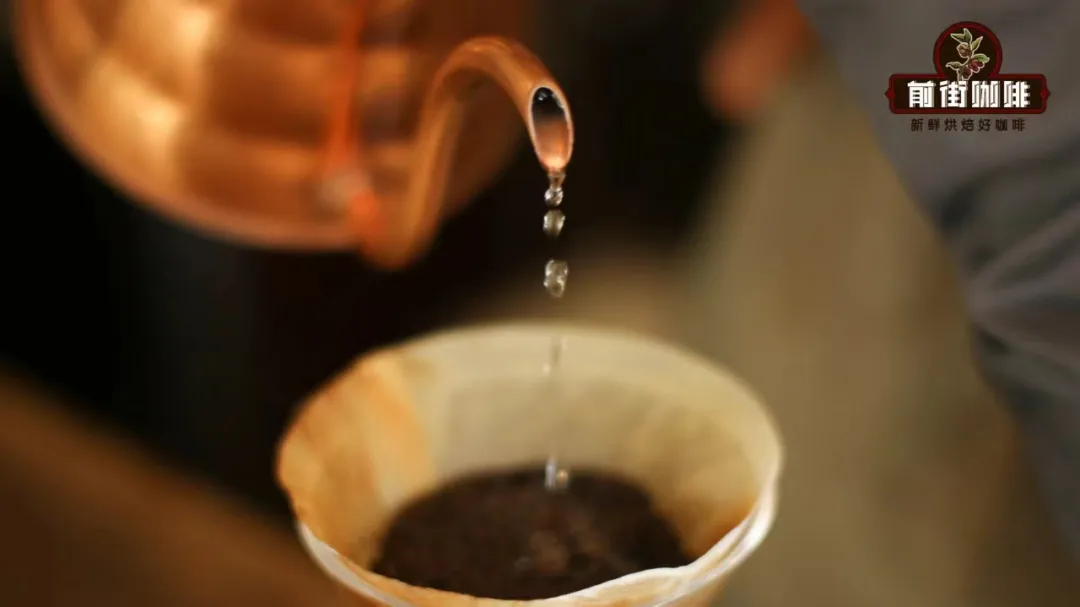
However, because the extraction time is relatively long, some bitter compounds will still be present in the coffee to support the body. The brewing parameters are as follows: Dose: 20g Coffee-to-water ratio: 1:12 Water temperature: 90°C Grind size: EK43 setting 10.5, 70% passing through a No. 20 sieve, caster sugar consistency Dripper: Kono One thing to note before brewing: the filter paper does not need to be pre-wetted. This is because during the drip stage, the color of the filter paper serves as a reference for judging whether dripping is complete, so it should be kept dry before brewing. Although it is not pre-wetted, there is no need to worry about the filter paper adhering to the dripper—as long as the weight of the coffee grounds presses it down, the filter paper will fit the dripper perfectly. Now begin dripping. During dripping, there is no need to pour in circles—just concentrate the water in the center of the coffee bed, and the hot water will slowly spread outward, saturating the surrounding grounds.
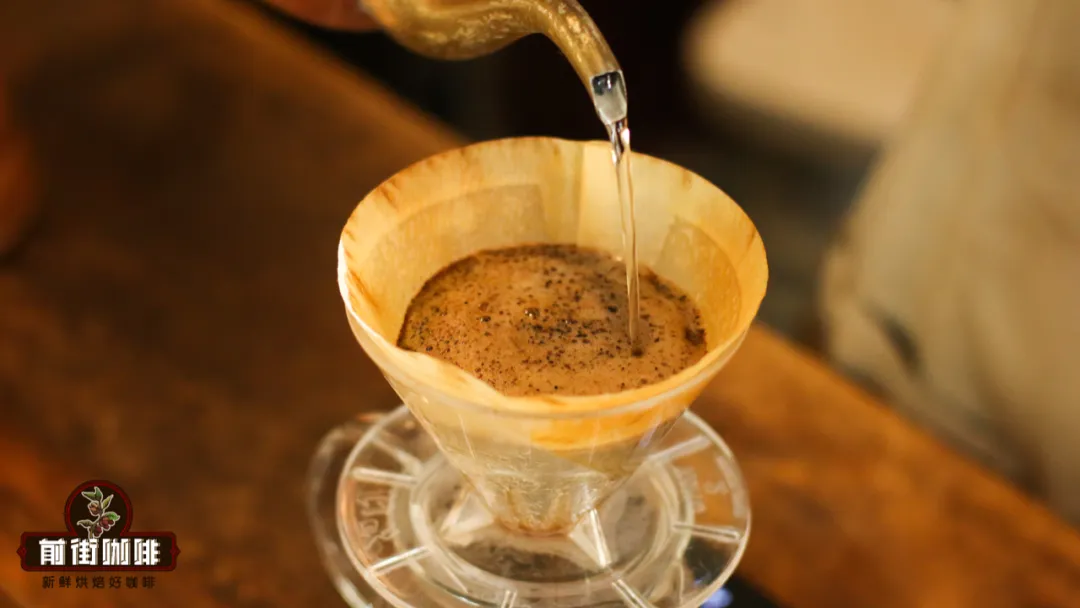
How much should you drip before stopping? There are two reference criteria. First, observe the state of the coffee bed: when all the coffee grounds in the dripper have absorbed water and expanded, that means you can move to the next step; second is the filter paper Front Street just mentioned. Since the filter paper was not pre-wetted, it will continuously absorb coffee liquid and take on color. Once the filter paper is completely stained by the coffee liquid, it means the grounds have been fully saturated, and at that point you can switch to a stream and begin the formal brewing.
The second stage involves several pours. First, use a slow, thin stream to pour in small circles in the center of the coffee bed. Stop when the water level is about to rise above the coffee bed, wait for the hot water to seep through, then pour the next segment. Repeat this action about two to three times, and after two-thirds of the water has been poured, switch to a larger stream.
When pouring with the larger stream, circle from the inside outward, then pour in all the remaining water in one go.
Total time: 3 minutes 39 seconds. After brewing is complete, you can add an appropriate amount of hot water according to personal taste—Front Street added 40ml here, resulting in a fairly moderate concentration. Then shake the coffee server to mix evenly, and it is ready to taste!
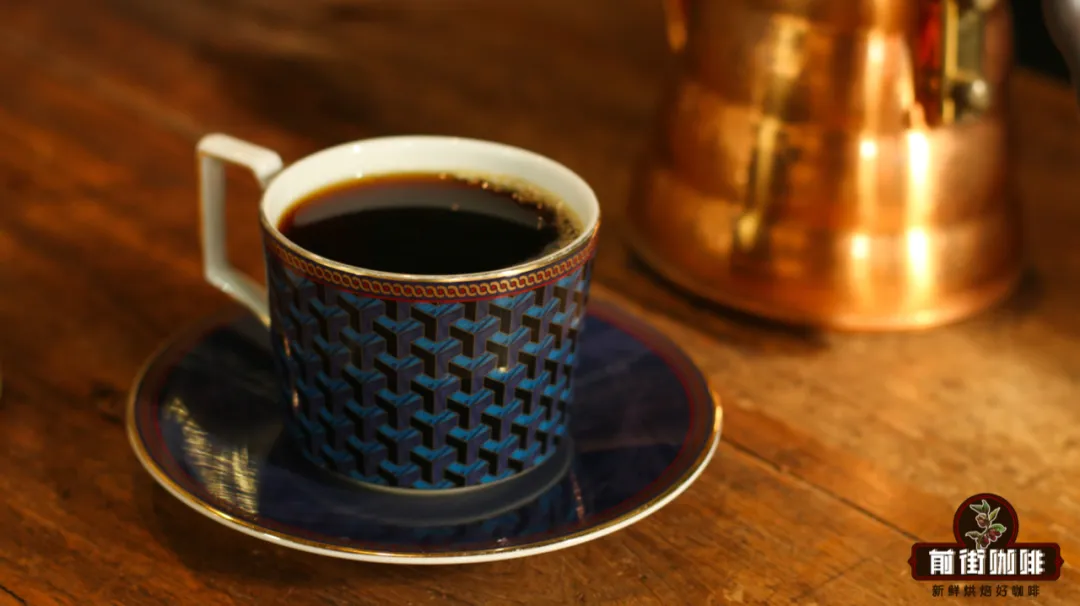
Quite good! The Golden Mandheling brewed this way indeed has a full body, and you can clearly taste chocolate, nuts, spices, and pine wood aromas. It is rich overall without being bitter, clearly different from a conventionally brewed Golden Mandheling. Those who have not tried the drip method might want to give it a taste—it is quite interesting! But note two things: before brewing, level the coffee grounds so that hot water can saturate more evenly in all directions; during dripping, keep the kettle spout as low as possible to avoid splashing. Just these two points~ - END -
The above content is compiled by CoffeeHunters, a coffee news website.


