







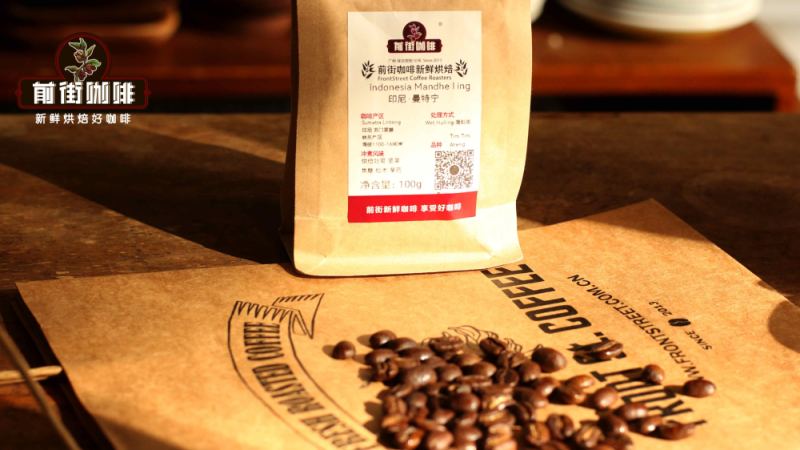
How should golden mandheling be poured in a KONO dripper?
Golden Mandheling is a wet-hulled Sumatra Typica roasted medium-dark, so it carries caramel, cocoa, baked toast and a light herbal note with almost no fruit acidity. In a KONO dripper its rib structure and restricted flow slow the drawdown, building extra body and sweetness in the cup.
Fresh beans degas heavily, so start with a vigorous bloom and a higher dehydration rate. A Hario V60 suits beans close to the roast date because its spiral ribs release gas faster, while the Mandheling profile settles into the KONO once it has rested. Water around 88 to 90°C keeps bitterness in check.
Although medium-dark roasted coffee beans are not as popular as light roasts, they still have a loyal following—people who seek sweetness, body, and a silky mouthfeel. Front Street PWN Golden Mandheling is precisely the bean prepared for those with this kind of taste preference: no fruit acidity, rich caramel aroma, and pronounced sweetness. However, to fully unleash the potential of such beans, the choice of dripper and brewing technique are crucial. This article will share how to switch between the Hario V60 and KONO dripper based on the condition of the beans, explain in detail how the KONO dripper enhances body through its unique rib structure, and cover pouring strategies tailored to the characteristics of medium-dark roasted beans—vigorous degassing and high dehydration rate. Whether you are new to medium-dark roasts or looking to refine your pour-over skills, these insights can offer practical reference.
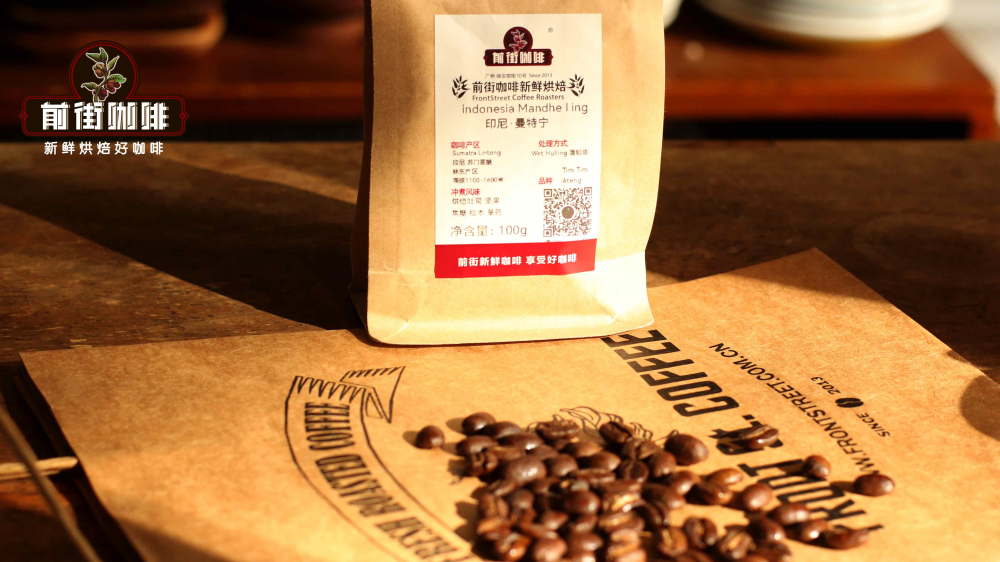
Why Front Street Mandheling is popular and who it suits
Front Street's customer base is quite diverse. Although light-roasted beans dominate the market today, some customers still prefer medium-dark roasted coffee. Many customers in the shop have a particular fondness for medium-dark roasted beans. After chatting with them, we found that they don't fuss over roast level or acidity—what matters is that "just right" feeling, and they are usually happy to try all kinds of coffee.
These customers have high expectations for coffee's mouthfeel, pursuing ultimate sweetness, outstanding body, and a silky texture. Faced with this demand, we usually recommend Front Street PWN Golden Mandheling first, because this bean inherently lacks fruit acidity and, due to a longer roasting time, carries a rich caramel-like aroma.
Name: Front Street PWN Golden Mandheling
Origin: Sumatra, Indonesia
Processing method: Wet-hulled
Variety: Typica
Roast level: Medium-dark
We choose to drop the beans before second crack, retaining a hint of gentle acidity. The cup has high sweetness, is aromatic and full-bodied, with flavors of: baked toast, pine wood, caramel, cocoa, and a slight herbal, earthy note.
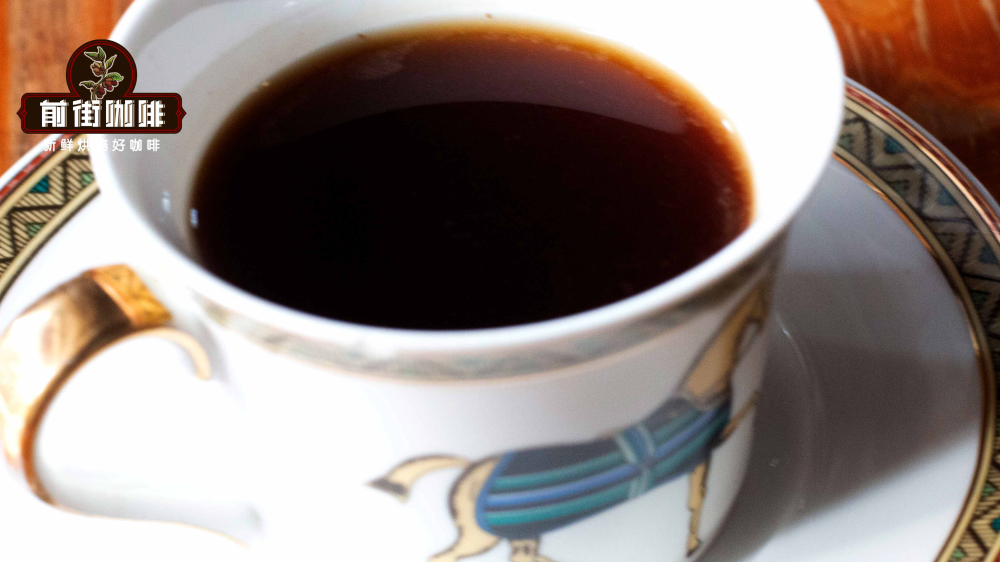
When brewing these medium-dark roasted beans, if they are close to the roast date, I will first use the Hario V60 spiral-ribbed dripper, because the Hario V60's rib design helps fresh beans degas better than other drippers.
Medium-dark roasted beans typically have a high dehydration rate and are therefore lighter in weight. During brewing, the coffee bed does not fully settle at the bottom—water is absorbed immediately upon the first pour. Due to vigorous degassing, bubbles surround the coffee bed, forming channels, and these channels last longer on fresher beans, causing the water level to drop rapidly. I generally use a thick stream of water and a slow, circular pour.
For everyday brewing, I generally use the KONO Meimon dripper, because it delivers a rounder, fuller body and a more direct flavor expression. However, the KONO dripper's degassing effect is relatively weak, because its ribs are straight and only extend about a quarter of the way up the dripper. Outside of that upper quarter, the rest of the filter paper clings tightly to the wall, creating a sealed state.
Therefore, once the beans have passed their resting period, I switch to the KONO dripper. The only degassing area in this dripper is that quarter-rib section. When the water level rises above the ribs, the water inside the dripper keeps rising, increasing pressure through the weight of the water. Since the outlet is relatively small, it extends the contact time between coffee grounds and water. As the water flow drives extraction, it can more effectively draw out soluble compounds, typically achieving the high body that customers expect.
The above content is compiled by CoffeeHunters, a coffee news website.


