







How Much Does Filter Fit Change Coffee Extraction?
Filter paper fit against the dripper measurably changes coffee extraction. In controlled tests using V60 and KONO drippers with filters set at different degrees of fit, a poorly fitted filter altered the flow rate, which shifted extraction yield and concentration and produced a detectable difference in mouthfeel between cups.
The experiments brewed the floral-fruity Gedin Gedin, with jasmine, citrus, lime, green tea and honey notes, and the nutty Brazil Red Bourbon, showing creamy peanut aroma. Filters were set in three states: fully clinging with no air bubbles, off-center so one half hung suspended, and a third condition. Rinsing the paper, a standard step in a coffee v60 brewing cup, is what sets the fit.
Rinsing the paper filter before brewing is practically a standard step for every pour-over enthusiast, done to make the filter sit snugly, remove paper dust, and, if hot water is used, warm the cup along the way. Yet most tutorials rarely dig into how much the filter's fit against the dripper actually affects the final taste. Front Street ran two sets of controlled experiments using V60 and KONO drippers, each paired with filters in different states of fit, brewing and tasting them one by one for comparison. The experiment used the floral-fruity Front Street · Gedin Gedin and the nutty, sweet-aromatic Front Street · Brazil Red Bourbon. The results showed that a poorly fitted filter noticeably changes the flow rate, which in turn affects extraction yield and concentration, producing a detectable difference in mouthfeel.
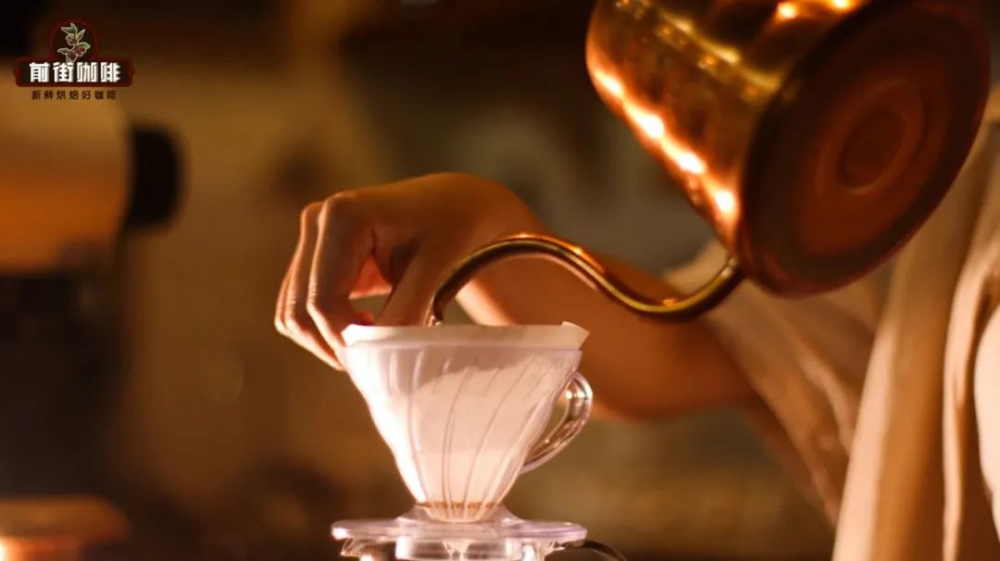
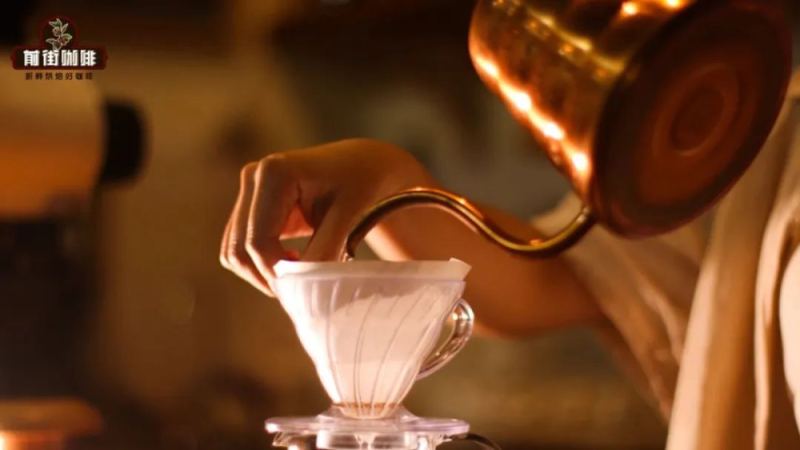
For most people, the first step before brewing coffee is wetting the paper filter with water, which serves two main purposes: one, to make the filter obediently cling to the dripper wall; two, to rinse off the paper dust and debris attached to the filter's surface; and if hot water is used, it also preheats the dripper along the way. In the vast majority of tutorials, besides teaching us how to make the filter cling tightly to the dripper, they also repeatedly stress how important that fit is to extraction—but very little content specifically explains just how much the degree of fit changes the coffee's taste.
This time Front Street is preparing to run two sets of experiments, brewing coffee with filters at different degrees of fit, then comparing them cup by cup to see what differences appear in the flavor.
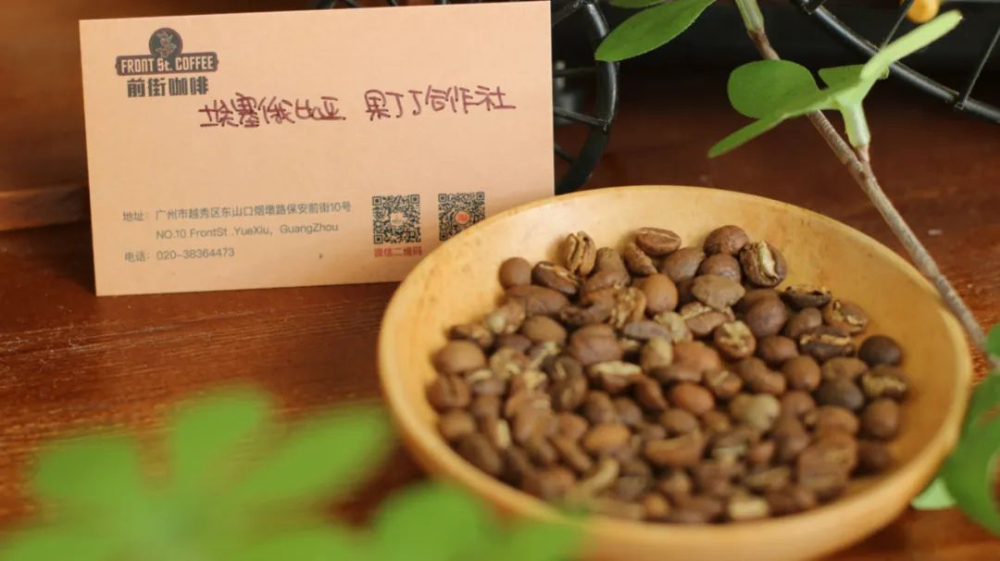
The drippers chosen are the V60 and KONO commonly used in the shop, and for the coffee beans, the floral-fruity Front Street · Gedin Gedin, which brews with bright notes of jasmine, citrus, lime, green tea, and honey;
the other is the nutty, sweet-aromatic Front Street · Brazil Red Bourbon, which after extraction shows a rich aroma of creamy peanut. The specific brewing parameters are as follows:
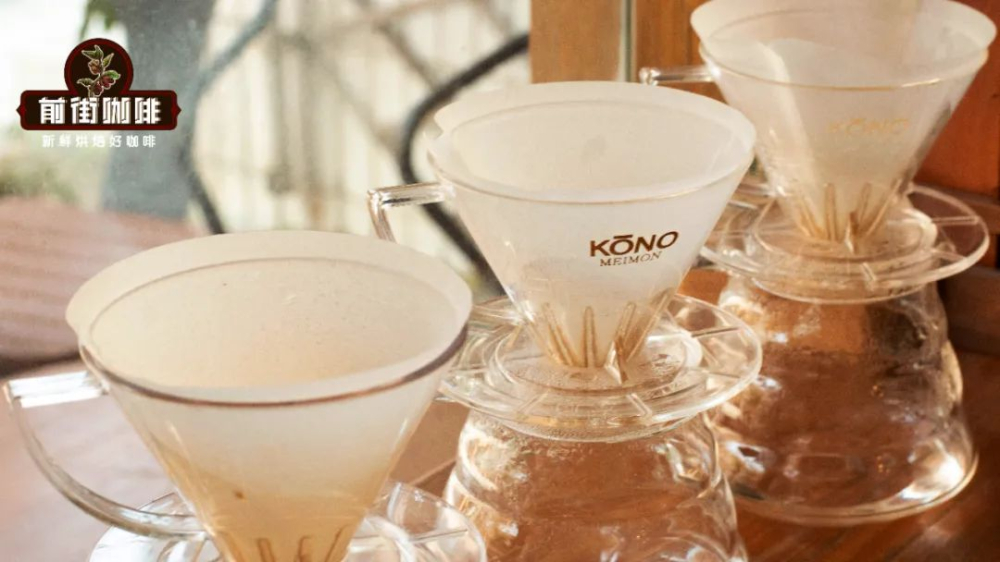
As the core of this round of experiments, Front Street divided the filter's fit into three states: the first is the filter fitting the dripper completely, with no air bubbles in between; the second is the filter not aligned with the center, causing one half to cling to the dripper while the other half hangs suspended; the third is the filter not fitting the dripper at all, with hollow gaps or large air bubbles on both sides.
V60 group comparison
The brew times for the three pots were 1 minute 54 seconds, 2 minutes 04 seconds, and 2 minutes 12 seconds respectively; the TDS values measured by the refractometer were 1.12%, 1.19%, and 1.26% in order.
Flavor performance: the three pots brewed with the V60 from the washed Floral Goddess were basically consistent in flavor direction, all with notes of light floral, citric acidity, yellow stone fruit, almond, and green tea. Taking the first pot as the reference, the latter two pots, with poorly fitted filters, had higher body, and both the acidity and bitterness were heavier; especially the third pot, with the filter not fitting at all, which even carried a slight astringency in the aftertaste.
KONO group comparison
The extraction times for the three pour-overs were 2 minutes 07 seconds, 1 minute 54 seconds, and 1 minute 46 seconds respectively; the TDS values measured by the refractometer were 1.13%, 1.06%, and 0.98% in order.
Flavor performance: compared with the fruity-acid coffee of the previous group, the three pots brewed with the KONO from Brazil Cerrado showed an obvious difference right from the first sip. The first pot had aromas of creamy chocolate, caramel biscuit, and pu'er tea, with an overall balanced mouthfeel and a strong sweet finish. By contrast, the second pot retained only a faint chocolate note, with weaker roasty flavors and a slight watery quality; the last pot had almost no aroma, a rough mouthfeel, and was dominated by a burnt-bitter taste, which Front Street speculates was caused by under-extraction.
By this point, attentive readers should already be able to draw the conclusion: when the paper filter doesn't cling tightly to the dripper, whether using the faster-flowing V60 or the slower-flowing KONO, it actually changes the flow rate within the coffee bed, while also affecting the coffee's final extraction yield and concentration. Although the general flavor direction of the coffee won't change, the mouthfeel when drinking it will differ.
Many people know that the V60's multiple spiral rib design helps the coffee grounds absorb water and expand, while also letting the water flow press against the coffee bed, thereby bringing a richer sense of layering. In the first set of experiments, Front Street observed that if the filter doesn't fit the dripper, the coffee grounds end up in a "lopsided" state—that is, one side clings to the edge of the dripper while the other side is "exposed" to the air.
V60 group | KONO group | |
Coffee beans | Front Street. Washed Gedin Gedin | Brazil · Red Bourbon |
Dose | 15g | 15g |
Coffee-to-water ratio | 1:15 | 1:15 |
Grind size | EK43s setting 10 | EK43s setting 10.5 |
Water temperature | 90 degrees Celsius | 87 degrees Celsius |
Pouring technique | Three-stage | Three-stage |
Although there's no problem at the start of the bloom, as the water level slowly rises, the part of the filter not clinging to the dripper begins to bubble up continuously. This is because that area lacks rib support, so the coffee bed can't drain smoothly, and the water surges toward the other parts that are clinging, resulting in uneven extraction. And precisely because the flow of water is obstructed, the extraction time is forced to lengthen, so the coffee easily shows signs of over-extraction.
The KONO dripper differs from the V60 in that its inner wall is a smooth curve. This design is meant to let the paper filter cling tightly to the dripper's edge after being wetted, and the entire dripper has guide ribs only in the lower quarter of its height, so airflow is restricted to moving upward while water can only flow from the bottom into the server below. This design not only allows sufficient contact time between coffee and water, but also brings a better immersion effect to extraction, and when brewing dark-roasted coffee, it can better express a round and full-bodied mouthfeel.
So when brewing coffee with the KONO, try to keep the paper filter snug before adding grounds and pouring water. Otherwise, during extraction, a "channel" will quietly form somewhere inside the dripper, letting the water flow straight out along the hollow gap, causing under-extraction, and the coffee's mouthfeel will become thin and rough.
The above content is compiled by CoffeeHunters, a coffee news website.


