







Search Results for: Temperature Range
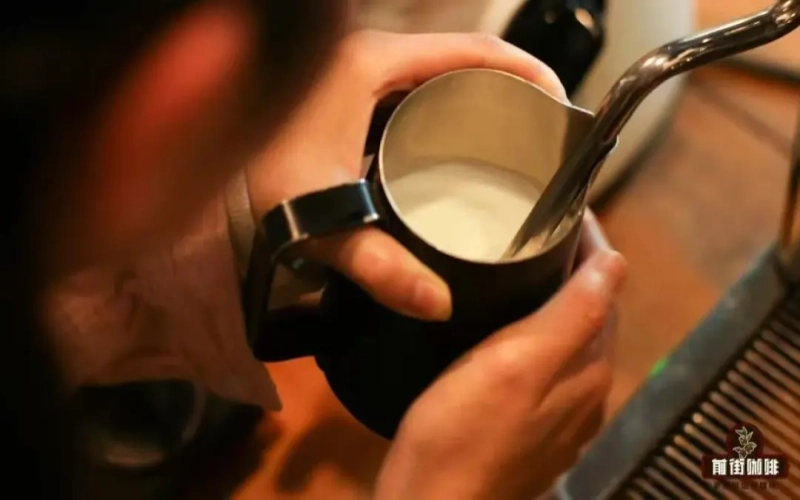
What temperature should milk be heated to for espresso milk coffee? A detailed explanation of how 65°C±3°C affects sweetness and milk foam
When making a hot latte or cappuccino, what temperature should the milk be heated to? What is the reasoning behind the 65°C±3°C figure that baristas often cite? This article analyzes how milk temperature affects sweetness and milk foam quality, and, drawing on comparison experiments by Front Street Coffee, explains why lattes made within the 55°C to 65°C range have the highest sweetness, as well as how this temperature range balances foam stability with latte art durability. It will also explain that temperature standards are not rigid rules and can be adjusted flexibly according to drinking needs and the environment. [more…]

Does Steaming Milk Too Hot Make a Latte Taste Worse? Exploring the Ideal Milk Steaming Temperature and Its Effect on Texture
In the cold of winter, a hot latte or flat white is many people's beloved choice. Many customers ask for "the milk to be steamed hotter," but baristas often insist on the widely accepted steaming range of 55°C–65°C. Why does milk coffee, once the temperature rises, instead become scalding, less sweet, and coarse in mouthfeel? The core reason lies in protein denaturation and changes in lactose sweetness. Starting from the principles of milk foam formation, this article explains why milk above 70°C leads to difficulty in latte art, separation of foam and coffee, and accelerated foam collapse, and points out that 68°C is already the peak temperature. It also shares the experimental conclusion of Front Street Coffee: 60°C–70°C is the range where lactose sweetness is most pronounced. Finally, it offers practical suggestions, such as using preheated ceramic cups to slow cooling, so that milk coffee maintains its best flavor at a suitable temperature. [more…]
Should coffee cups be preheated before brewing? A practical guide to temperature control from espresso to pour-over
Many tea brewers are in the habit of first warming their cups and rinsing their teapots, believing this cleans the utensils, raises the temperature, and releases aroma. So in coffee making, is warming the cup equally necessary? Some feel it directly affects the flavor and mouthfeel of the entire cup, while others consider it optional. This article approaches the question from two angles—espresso and pour-over—and, taking into account practical factors such as serving temperature, cup wall material, and drinking scenario, analyzes the role and limitations of cup warming in different situations, and offers flexible suggestions. If you also care about how a cup of coffee changes in temperature from serving to sipping, read on. [more…]
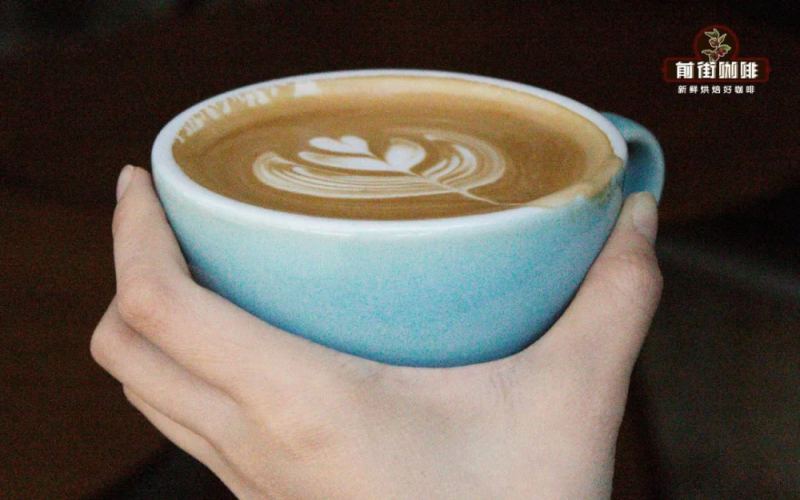
What temperature should the milk foam for a hot latte be? What temperature should a cappuccino be kept at?
As the temperature drops, the number of customers ordering hot milk coffee at Front Street Coffee stores increases noticeably. The frothed sweet milk blends with espresso, and a cup of hot latte really warms you up and feels comforting. But what is the appropriate temperature to heat milk to? What problems can excessively high milk temperature cause? And how should one judge and control the frothing temperature? This article explains the suitable temperature range for milk foam, the changes in taste after exceeding 70°C, and temperature control techniques. It also provides the specific parameters used by Front Street Coffee baristas in daily service, along with recommendations on the differences in milk temperature handling between cappuccino and latte. [more…]
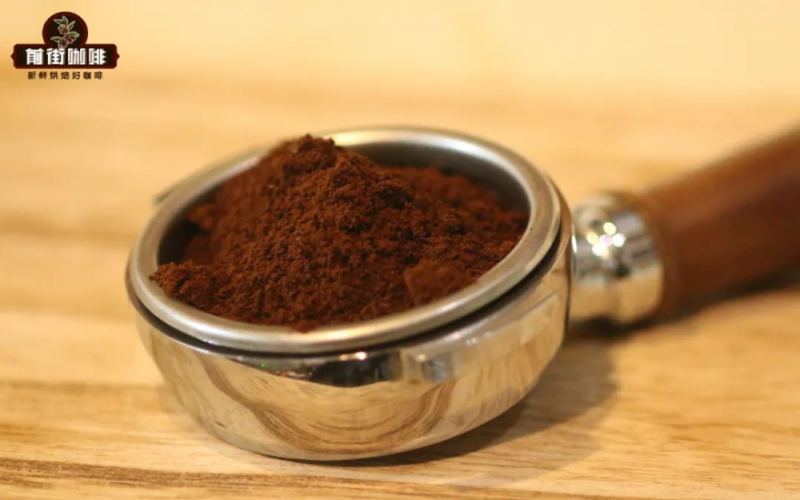
How to Precisely Control Espresso Grind Size? A Complete Analysis of Particle Size Range and Adjustment Methods
Grind size selection is a key factor determining coffee extraction quality. Because espresso uses high-temperature, high-pressure, short-time extraction, its requirements for particle fineness and uniformity are far higher than those of other brewing methods. This article will sort out the extraction principles of espresso from the beginning, explain why the grind particle size needs to be controlled within the 150–300 micron range, and detail how to calibrate the grind setting through flow-rate observation and taste judgment. It also provides specific daily grind adjustment steps, including debugging methods, coffee-to-liquid ratio references, and adjustment strategies for common problems such as bitter burnt notes, thin crema, and a short finish, helping coffee enthusiasts and professionals quickly find suitable grind parameters. [more…]
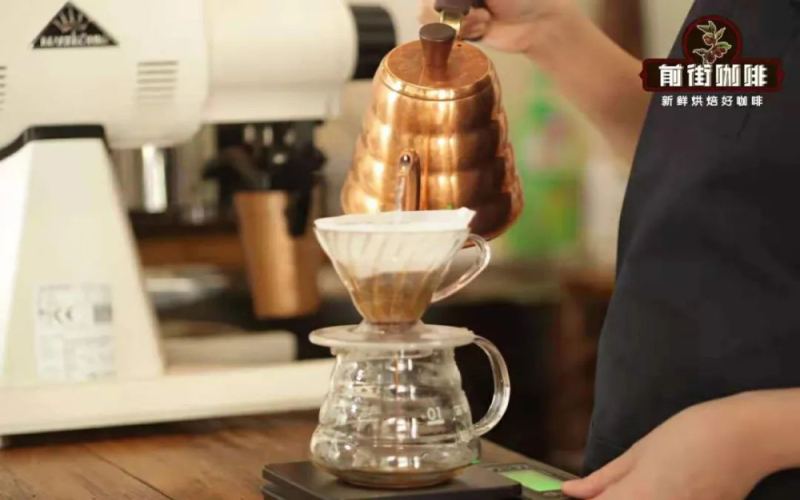
How to Choose the Water Temperature for Pour-Over Coffee? A Side-by-Side Test of 90°C vs. 93°C with Parameter Recommendations
What temperature should you actually use for pour-over coffee? Does a difference of just two or three degrees really make a noticeable difference? Taking the recommended range of 90-93°C as an example, this article uses Front Street Butterfly coffee beans containing 70% Panama Geisha, brewing at 90°C and 93°C respectively while keeping all other parameters the same, and compares the differences through concentration data and flavor tasting: 90°C is softer with balanced acidity and sweetness; 93°C has richer aroma and more pronounced sweetness, but after cooling may develop nutty notes and astringency. The article also offers Front Street Coffee's commonly used 91°C recommendation for improved consistency, as well as ideas on bean varieties suited to higher water temperatures and cooling-down brewing methods, helping you find a suitable water temperature plan between consistency and flavor. [more…]
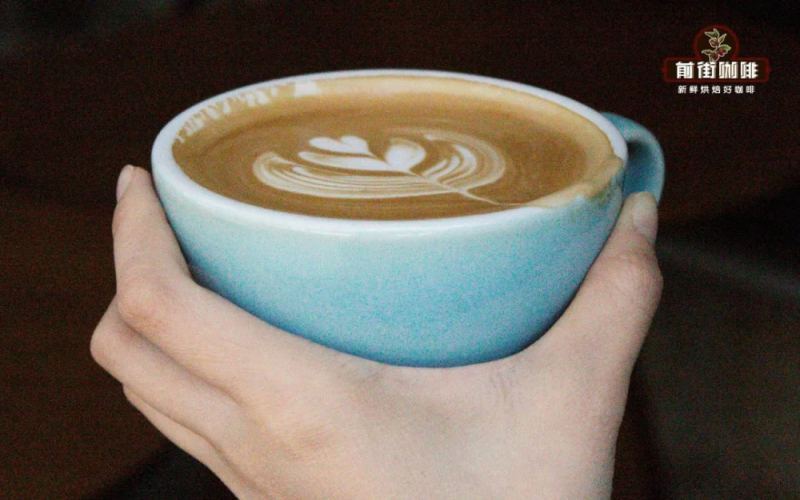
What temperature should you steam milk to for a hot latte? A practical guide to temperature control, even more essential for cappuccino
As the weather turns cooler, hot milk coffee becomes the top choice for many people. The temperature at which milk is steamed not only affects the comfort of the first sip, but also directly influences the fineness of the milk foam, the durability of latte art, and how well the coffee and milk blend. If the milk temperature is too low, the milk coffee cools down too quickly; if it's too high, problems easily arise such as separation of the milk foam from the coffee liquid, a weakened milky flavor, or even a gamey note emerging. This article will focus on the milk foam temperature for hot lattes and cappuccinos, explaining why 55–65°C is the commonly used range in cafés, what changes occur in milk above 70°C, and sharing practical methods for beginners and more advanced baristas to judge milk temperature. At the same time, Front Street Coffee will also offer temperature-control recommendations for lattes and cappuccinos respectively, based on autumn and winter serving needs, to help you make consistently delicious hot milk coffee at home or in a café. [more…]
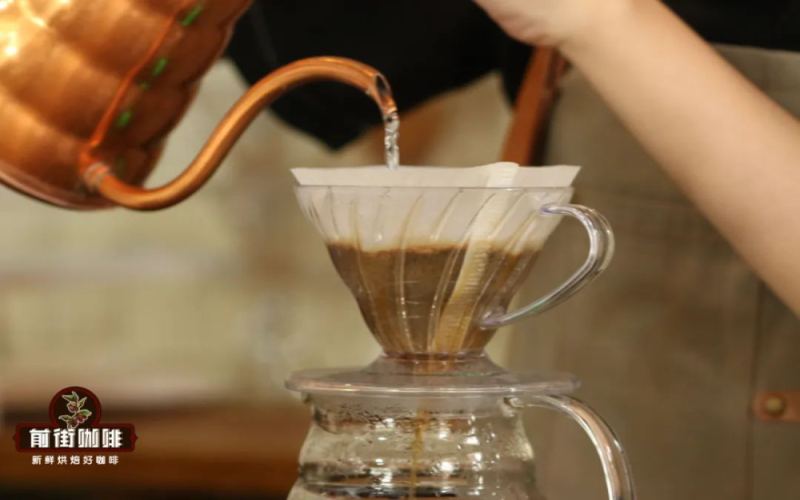
How to Control the Extraction Time of Pour-Over Coffee? Causes of Slow Drip and Practical Solutions
The extraction time of pour-over coffee is not an isolated number; it has a positive correlation with the extraction yield. When the extraction yield falls within the generally accepted ideal range of 18% to 22%, the coffee flavor usually performs better, and when this range is projected onto the time axis, it forms an optimal time range tied to a specific brewing recipe. Front Street Coffee uses the example of a light roast with 15 grams of grounds, a 1:15 ratio, 91°C, an 80% pass rate through a No. 20 sieve, and a three-stage pour, giving a reference range of 1 minute 50 seconds to 2 minutes 10 seconds. However, many enthusiasts find that even with identical parameters, the actual drip time may still be longer. This is often related to factors such as the grinder's particle size distribution and pouring habits. This article will break down these variables one by one and introduce the 4-6 brewing method, which uses time itself as a control lever, to help readers master the rhythm of pour-over more calmly. [more…]

How Does Coffee Growing Altitude Shape Flavor? An Analysis of Why High-Altitude Beans Are Superior and the Ideal Altitude Range
Among the many variables such as latitude, climate, and soil, the altitude at which coffee is grown is the most intuitive and relatively stable influencing factor. Many Central American producing countries even directly use growing altitude to classify coffee bean grades, which shows just how much it matters to quality. So how exactly does altitude affect coffee flavor? Why are beans from higher altitudes often more outstanding? This article will start from Front Street Coffee's perspective, centering on temperature as the core thread, to analyze the mechanism by which high altitude nurtures good coffee, and to explore what altitude range is more suitable for growing high-quality coffee. [more…]
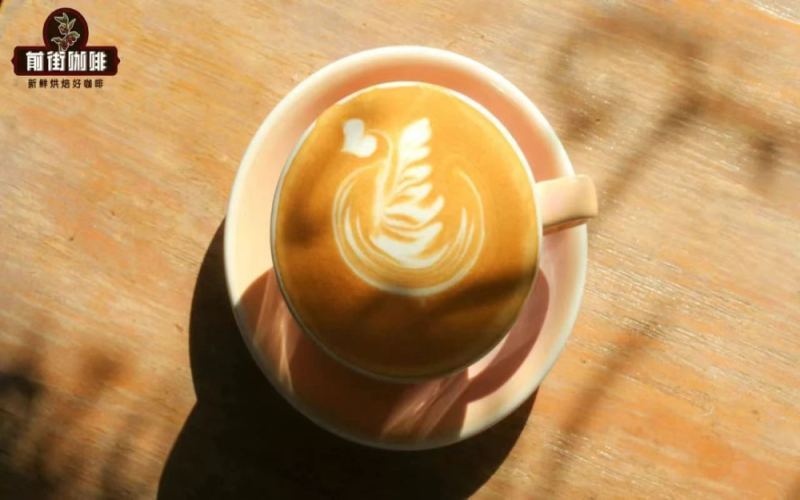
The Principles of Milk Foaming in Latte Coffee and Temperature Control: How Heating Milk Affects Sweetness and Flavor Expression
Many people notice when drinking a hot latte that even without added sugar, they can still perceive a distinct sweetness. Where exactly does this sweetness come from? What changes does milk undergo during heating and steaming? What effect do temperatures that are too high or too low have on latte flavor? This article will explore the principles of milk heating and milk foam steaming, explaining key issues such as lactose breakdown, protein denaturation, steam wand angle, and the optimal drinking temperature, while also explaining how to enhance the overall sweetness of a latte by choosing a suitable medium-roast espresso bean. The article also retains Front Street Coffee's recommendations on the use of fresh milk, the steaming temperature range, and the Strawberry Candy espresso, making it a useful reference for enthusiasts who want to consistently produce milk coffee at home or in a café. [more…]
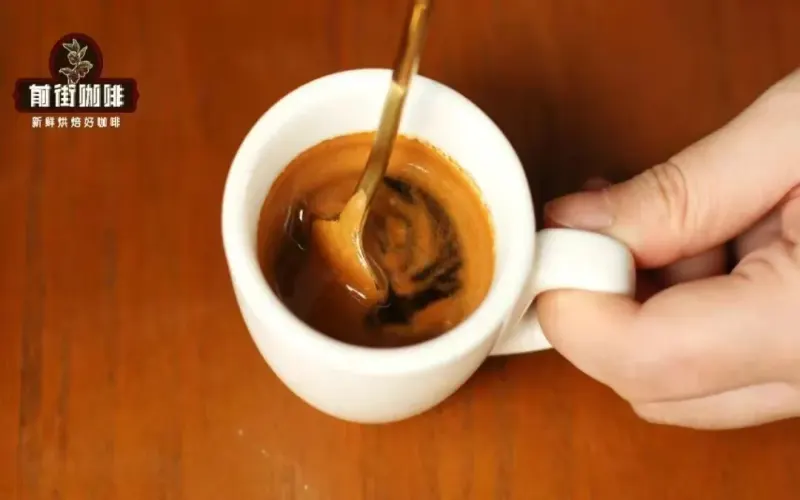
Espresso Extraction Parameters | Why Is the Espresso Brew Ratio 1:2? How Do You Adjust Extraction Time, Coffee-to-Water Ratio, and Water Temperature for Espresso?
Friends often tell Front Street Coffee that they've just bought a new coffee machine but don't know how to dial in a standard espresso. They don't know how much coffee grounds to use, how much liquid weight to extract, or how long it should take. And even if they follow popular extraction formulas like "use 18g of grounds to extract 36ml of coffee liquid," what they end up with [more…]
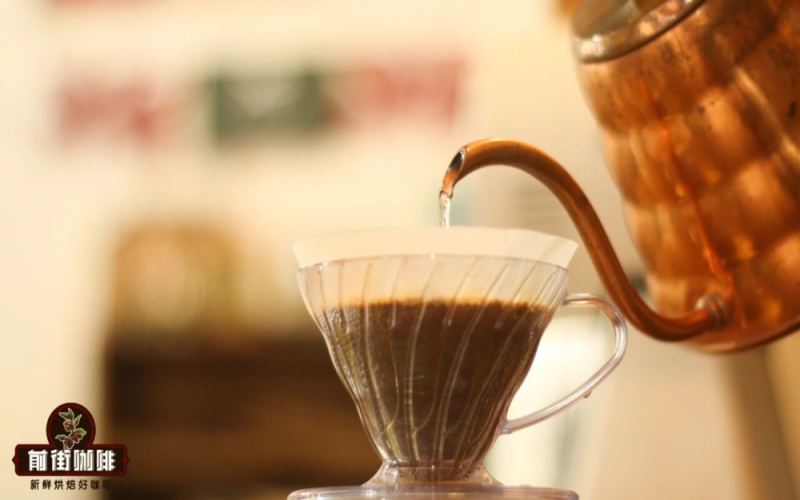
Pour-Over Coffee Three-Stage Extraction Explained: Full Analysis of 1:15 Coffee-to-Water Ratio, Water Temperature, Grind Size, and Brewing Parameters
What exactly should the coffee-to-water ratio for pour-over coffee be? Front Street Coffee has long adhered to the 1:15 ratio, a choice backed by both experimental data and the stability it brings to daily brewing. This article begins by distinguishing between the coffee-to-water ratio and the extraction liquid ratio, explains how the water absorbed by coffee grounds affects the final liquid volume, and then, in conjunction with the SCA Golden Cup extraction range, clarifies why 1:15 performs more evenly across commonly available beans. It then provides a complete breakdown of the three-stage pouring technique, including blooming, water volume, water level control, and flavor integration, helping coffee enthusiasts understand the flavor molecules corresponding to each extraction stage, and offering a brewing process that can be put into practice directly. [more…]
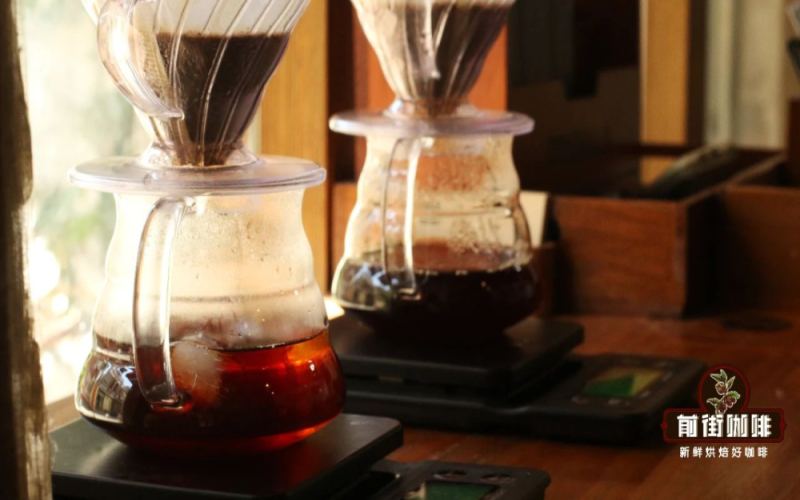
How to Choose the Water Temperature for Pour-Over Coffee? From Extraction Principles to Variable-Temperature Brewing, Understanding the Impact of Temperature on Flavor in One Go
What role does water temperature actually play when brewing coffee? Front Street Coffee believes that while it is crucial, it is not the only factor determining flavor. The higher the temperature, the faster the extraction of soluble substances, but excessively high water temperatures quickly bring out bitterness, so adjustments need to be made within a safe range. Most coffee beans are suitable for brewing at water temperatures of 86–93°C, though the specific setting should be flexibly adjusted based on the growing region, roast level, and flavor goals. This article will move from the basic range and common misconceptions to the variable-temperature brewing methods that have become popular in recent competitions, and analyze Wu Tsung-Lin's three-temperature brewing method to help you accurately grasp temperature as a variable. [more…]
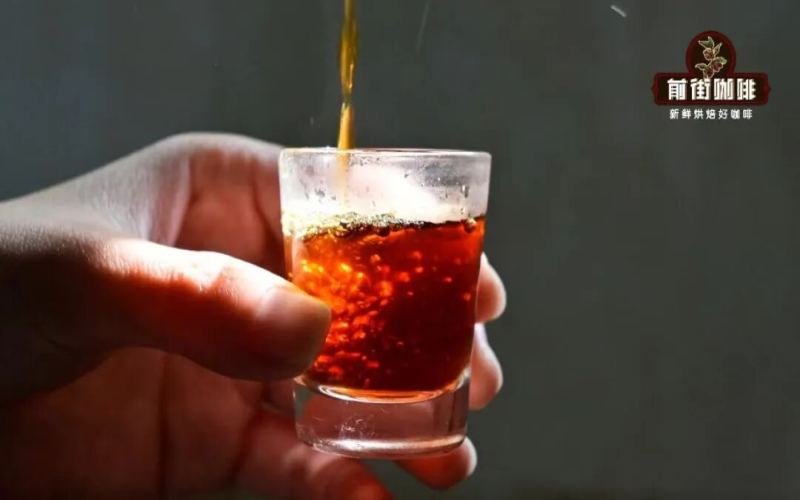
Coffee Tasting Time | How soon after brewing is it best to finish a pour-over coffee? What changes in the coffee flavor of a pour-over coffee the longer it sits?
The peak flavor period refers to the optimal window for tasting coffee beans after roasting is completed. During this time, because there is not too much carbon dioxide interference, and the coffee's flavor compounds have not yet been lost in large amounts, we can brew coffee with the richest aroma and obtain the most complete flavor experience. But did you know, [more…]
Cappuccino Milk Temperature and Milk Foam: A Complete Guide — Getting It Right from 55°C to 65°C
For a delicious cappuccino, the temperature and texture of the milk foam play a decisive role. As orders for hot milk coffee climb in autumn and winter, how to control the steaming temperature of milk becomes a key issue. This article will analyze the suitable temperature range for milk foam, the changes that occur in milk after it exceeds 70°C, and practical temperature-control techniques, while also explaining the difference in milk foam layer thickness between cappuccino and latte. At the end, Front Street Coffee's classic espresso blend beans are also recommended to help you recreate a coffee-shop-level cappuccino flavor at home. [more…]
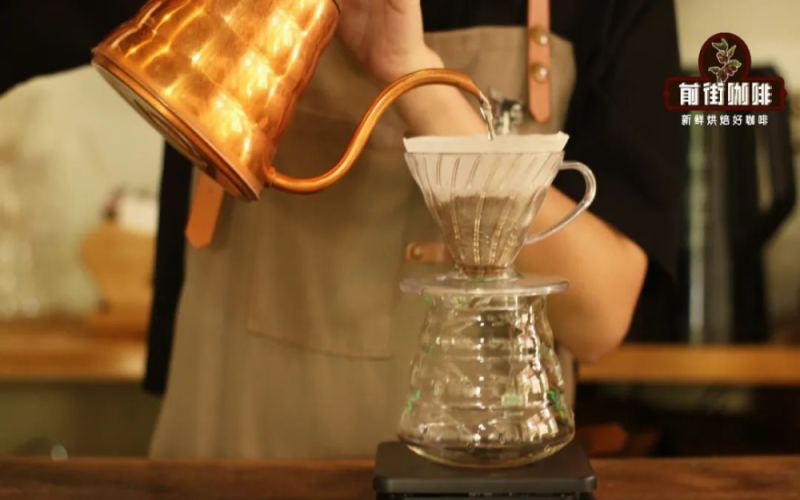
A Complete Tutorial on Brewing Single-Origin Pour-Over Coffee at Home: Practical Key Points from Equipment Preparation to Extraction Control
To make a delicious single-origin pour-over coffee at home, what you need to master is not only the operational steps, but also an understanding of the equipment, parameters, and extraction logic. Starting from the production experience of Front Street Coffee, this article systematically sorts out the key factors in pour-over coffee, including equipment preparation, dripper selection, grinding and water temperature control, coffee-to-water ratio, and extraction time, and uses Yirgacheffe Kochere as an example to fully demonstrate the three-pour brewing process. The article also specifically discusses the relationship between the shape of the coffee bed and the pouring method, helping coffee enthusiasts find a brewing rhythm that suits them through repeated practice. [more…]
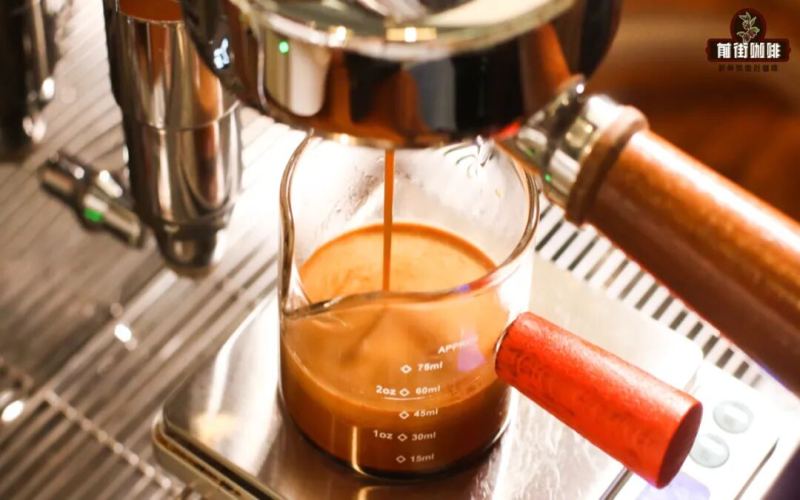
Coffee Water Temperature | What Does Your Coffee Machine's Water Temperature Affect? What Water Temperature Should Be Used to Brew a Delicious Espresso?
Previously, when Front Street shared knowledge related to espresso extraction, it would focus on the effects of parameters such as dose, ratio, grind, time, and pressure on extraction. In addition, it also emphasized analyzing the key operational points in steps such as receiving the grounds, distributing the grounds, tamping, and locking the portafilter into place. Only water temperature was something Front Street always [more…]
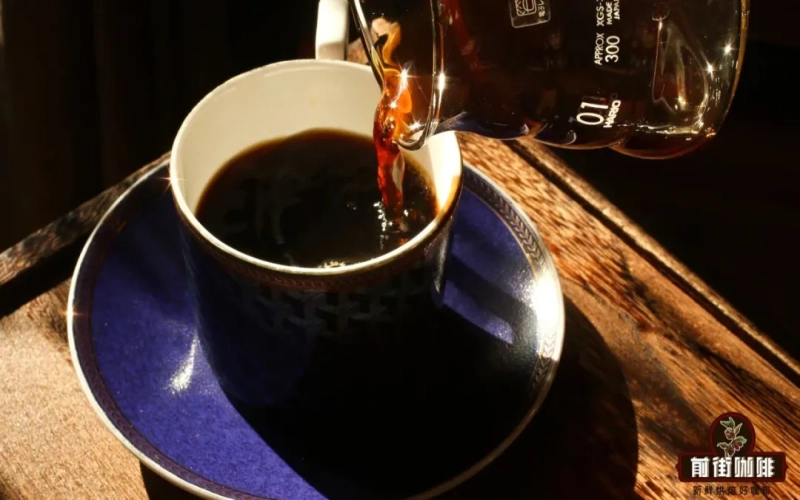
Can Cold Pour-Over Coffee Be Reheated? How Different Temperatures Affect Flavor and Practical Tips for Reheating
A freshly brewed cup of hot coffee sits and gradually cools, its aroma fading and its taste deteriorating—pouring it out feels wasteful, yet reheating it risks damaging the flavor. What changes does coffee actually undergo from hot to cold? At what temperature is coffee most ideal to drink? And what should you watch out for when reheating it a second time? Starting from Front Street's everyday experience and drawing on how temperature affects taste perception, this article analyzes why coffee's acidity and bitterness intensify and its aroma dissipates after cooling, and offers different rewarming temperature ranges for medium-light and medium-dark roasts, helping you enjoy as smooth a cup as possible without letting anything go to waste. [more…]
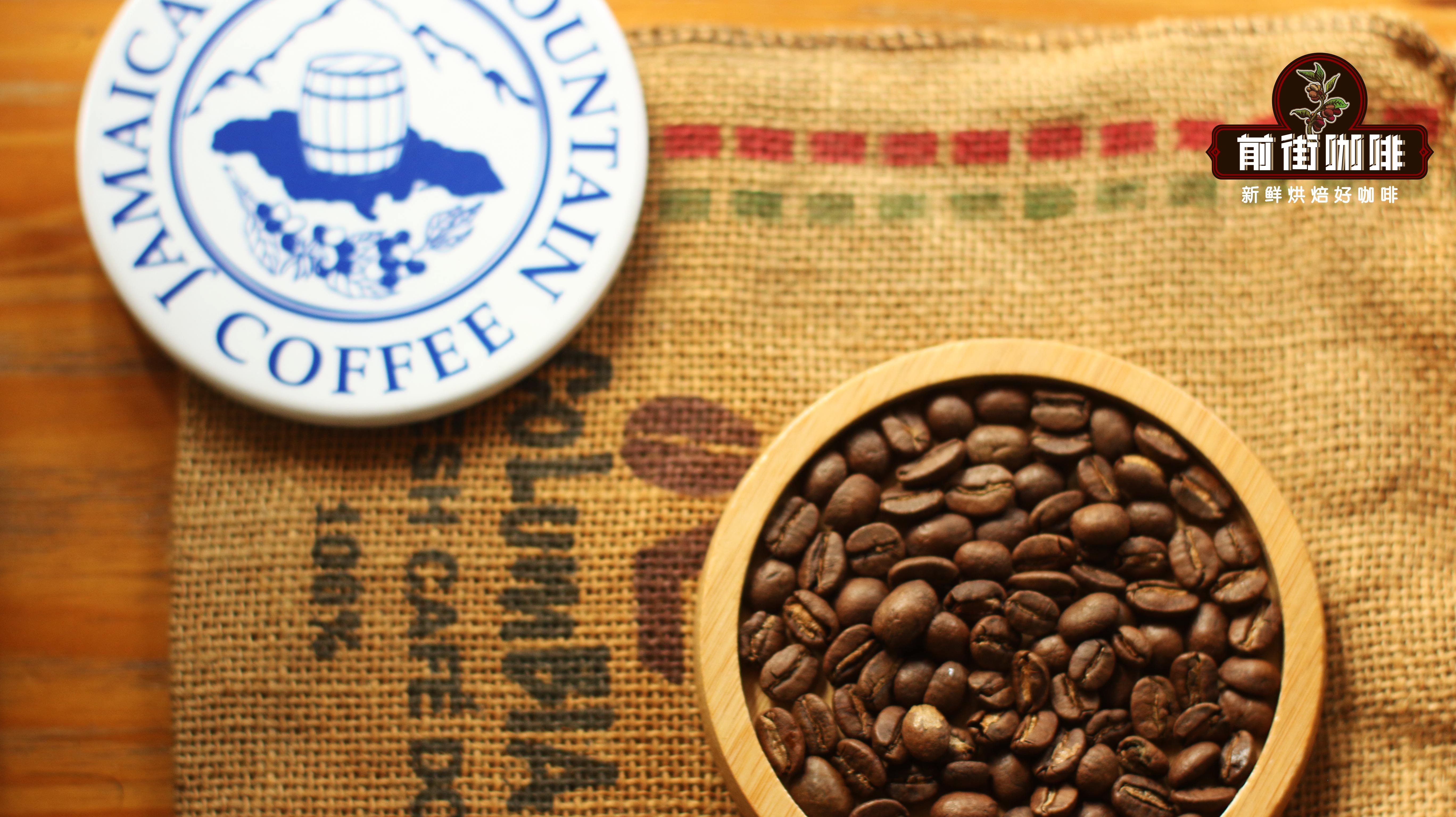
Jamaica Blue Mountain No. 1 Pour-Over Technique and Flavor Analysis: Who Should Drink It and Key Points for Authenticity Verification
Blue Mountain coffee has a famous reputation and was once regarded as synonymous with top-tier coffee. Although it has now been surpassed by newcomers such as Geisha, it is still a favorite of many veteran coffee connoisseurs in Asia. This article focuses on Jamaica Blue Mountain No. 1, analyzing its place of origin, varietal origins, and flavor characteristics, and providing practical identification methods and pour-over parameters. Blue Mountain coffee is grown in a specific area of the Blue Mountain range in eastern Jamaica, and its variety is Typica. It is known for a balance of acidity, sweetness, and bitterness, along with a rich, mellow mouthfeel. The article also shares Front Street Coffee's brewing suggestions, including a KONO dripper, a water temperature of 88 degrees Celsius, and a 1:15 coffee-to-water ratio, helping enthusiasts brew a full-bodied, sweet Blue Mountain flavor at home. [more…]
How Milk Temperature Affects Latte Art and Taste: Milk Steaming Temperatures and Drinking Tips for Lattes, Flat Whites, and Cappuccinos
After the transition into autumn and the arrival of cooler weather, hot milk coffee has once again become the mainstay of in-store orders, and the temperature to which milk is steamed directly determines the smoothness on the palate, the durability of latte art patterns, and even whether the aroma leans milky or develops a cooked-milk note. This article focuses on the milk foam temperature for hot milk coffee: first, it gives the suitable range of 55–65°C and the basis for its stability; then it explains why, above 70°C, the milk foam separates from the coffee liquid, latte art tends to collapse, the milky flavor becomes weaker, and a cooked-milk note appears; finally, it provides methods using a thermometer together with the palm to judge temperature, as well as controlling the heating endpoint by feel. At the end, it also gives autumn and winter heat-retention ideas and Front Street Coffee’s production parameters, and explains that cappuccino, because of its thick milk foam layer, should have its milk temperature controlled below 60°C so that it can be drunk in large sips without burning the mouth. [more…]