







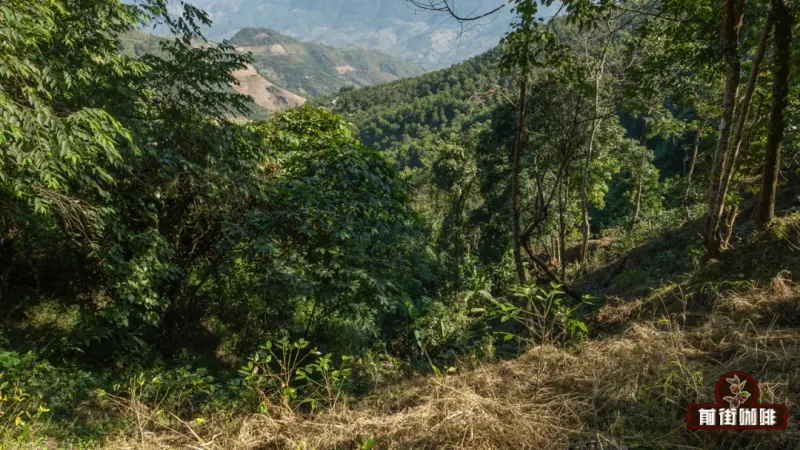
Which growing conditions of coffee does altitude shape most?
Altitude is the most visible and stable variable in coffee growing, and it shapes flavor mainly through temperature. At higher elevations the air is cooler, so coffee cherries ripen more slowly and accumulate more sugars and aromatic compounds. That slower ripening is the core reason beans grown high on the slope often taste more complex than those from lower ground.
The effect extends into trade. Many Central and South American producing countries use growing altitude as the basis for coffee bean grades, so a higher figure on the bag signals denser beans and tighter sorting. Latitude, climate, and soil all matter, but altitude stays relatively constant across seasons, which makes it a dependable reference for buyers and roasters judging growing conditions of coffee.
Among the many variables such as latitude, climate, and soil, the altitude at which coffee is grown is the most intuitive and relatively stable influencing factor. Many Central American coffee-producing countries even directly use growing altitude to classify coffee bean grades, which shows just how much it matters to quality. So how exactly does altitude affect coffee flavor? Why are beans grown at higher altitudes often better? This article will start from Front Street's perspective, focusing on temperature as the core thread, to analyze the mechanism by which high altitudes produce good coffee, and to explore what altitude range is more suitable for growing high-quality coffee.
Among the many conditions such as latitude, climate, and soil, the "altitude" at which coffee is grown can be said to be the most obvious and relatively constant variable. Precisely because of this, the word altitude appears almost everywhere in various coffee reports. What's more, some Central and South American producing countries directly use growing altitude as the basis for grading coffee beans. From this alone, one can see how profound altitude's impact on coffee quality is.
Today, Front Street will talk about why the altitude at which coffee is grown can determine whether quality is good or bad (focusing on the perspective of temperature)~
How exactly does altitude affect coffee? "Altitude" refers to the vertical distance of a point above sea level. The higher coffee is grown, the more impressive its flavor expression tends to be—everyone has probably heard this said countless times. And the fundamental reason why high altitude can produce more delicious coffee is that the coffee tree feels survival pressure.


The above content is compiled by CoffeeHunters, a coffee news website.


