








How reheating changes bright acidity in coffee
Reheating cold pour-over coffee is possible, but it changes the cup. As coffee cools, bitterness becomes far more noticeable, sweetness fades, and aroma compounds leave the liquid. Medium-light roasts tolerate gentle reheating better, while medium-dark roasts lose more of their structure and can turn harsh when heated again.
The shift happens because taste buds read sourness, sweetness, and bitterness differently at each temperature. Bitterness dominates once a cup is fully cold; sweetness reads most clearly near body temperature. Warming the coffee back to roughly 55 to 65 degrees Celsius restores some aroma without pushing the roast past its limit. If bright acidity coffee tastes sharp after cooling, that is expected rather than a flaw.
A freshly brewed cup of hot coffee will cool down as it sits, its aroma dissipating and its taste deteriorating. It feels wasteful to pour it out, yet reheating it risks damaging the flavor. What changes does coffee undergo from hot to cold? What temperature is ideal for drinking coffee? What should be noted when reheating? This article, based on Front Street Coffee's daily experience and combined with the impact of temperature on taste perception, analyzes the reasons why coffee becomes more sour and bitter and loses its aroma after cooling, and provides different reheating temperature range recommendations for medium-light and medium-dark roasted coffee, helping you enjoy a smooth cup without waste.
"Good coffee should be drunk while it's hot, so you can fully appreciate its rich flavors and mouthfeel." This is a saying Front Street Coffee often mentions.
Although Front Street Coffee hasn't completely said goodbye to short sleeves yet, as autumn and winter approach step by step, in a chilly room, a freshly extracted hot coffee cools down after just a few sips. The aroma noticeably weakens upon tasting, and the mouthfeel is not as pleasant as when it was just brewed—truly tasteless to eat and a pity to discard. So, the first thought of thrifty friends is to reheat it.
What changes does coffee undergo from hot to cold?
Generally speaking, during extraction, flavor compounds in coffee are brought out by hot water and exist in the liquid in a "moving" state. We find coffee delicious partly because we smell the coffee aroma wafting in the air, and partly because we taste the sourness, sweetness, and bitterness. So, what main changes occur as coffee goes from hot to cold?
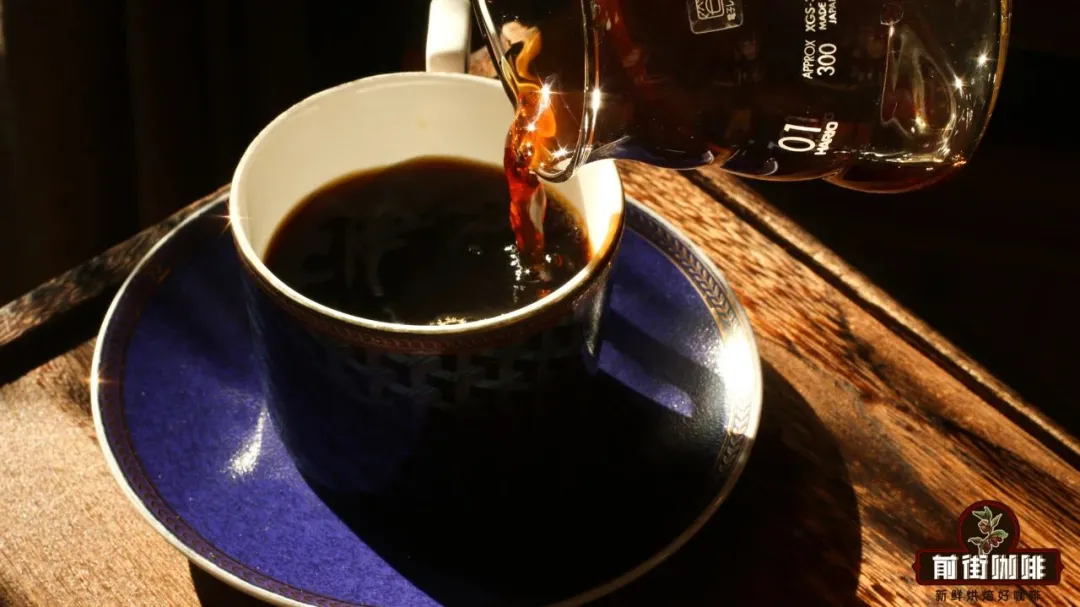
At different temperatures, human senses have varying sensitivity to sourness, sweetness, and bitterness, with bitterness always ranking first. When tasting coffee at medium-high temperatures, the burning sensation as the liquid contacts the mouth overrides the taste buds' perception, reducing sensitivity to bitterness; but once the liquid completely cools, the opposite happens—bitterness skyrockets, and the coffee becomes undrinkable.
Sweetness is another matter. When coffee temperature is close to human body temperature, we are more likely to perceive sweetness; as the temperature drops, the taste buds' sensitivity to sweetness gradually diminishes, making sourness and bitterness more prominent. Additionally, as coffee cools, some oils gradually oxidize, making the mouthfeel less smooth; some soluble substances also begin to condense, giving the coffee an astringent taste.
Besides changes in temperature perception, coffee tastes bad when cold also because a large amount of its aromatic compounds have already been lost. Front Street Coffee has mentioned in previous articles that coffee flavors are volatile substances. Whether coffee beans are ground into powder or brewed into a cup with hot water, as long as they contact air, the aroma accelerates its dissipation.
Take a cup of Sidamo Alo that Front Street Coffee just brewed in the morning. In the 50–70°C range, you can first smell the aroma of white magnolia and sweet orange, with a pineapple and mango-like sweet-and-sour texture on the palate; when the temperature drops to the 35–50°C range接近人体, the bright citrus acidity becomes more prominent, accompanied by black tea notes; but once the temperature falls below 30°C, not only are the above aromas gone, but the coffee liquid also becomes noticeably cloudy, with obvious sour and bitter tastes, insufficient body, and a shiver-inducing aftertaste.
What does reheating coffee mean?
Theoretically, when cold coffee is reheated, the taste buds' perception of sweetness is "activated," which in turn suppresses bitterness again, and to some extent inhibits the stimulation from sourness and astringency, bringing the coffee back to a more palatable state.
So, if the coffee gets cold, we can indeed try to "rescue" it by warming
But as Front Street Coffee mentioned above, as the coffee cools, volatile aroma compounds have already been largely depleted. Reheating at this point won't bring back the lost aromas—what remains is still just a faint "coffee taste." Moreover, during reheating, the unpleasant flavor compounds that emerged as the coffee cooled will also be heated up and concentrated along with it, further intensifying the negative notes in the coffee.
What should you pay attention to when reheating coffee?
To avoid this unpleasant taste, Front Street Coffee recommends that when reheating coffee, the temperature should not exceed body temperature by too much—in other words, don't let the coffee get too hot. Additionally, since different coffee beans have different characteristics, we can adjust the reheating temperature range based on their flavor profile.
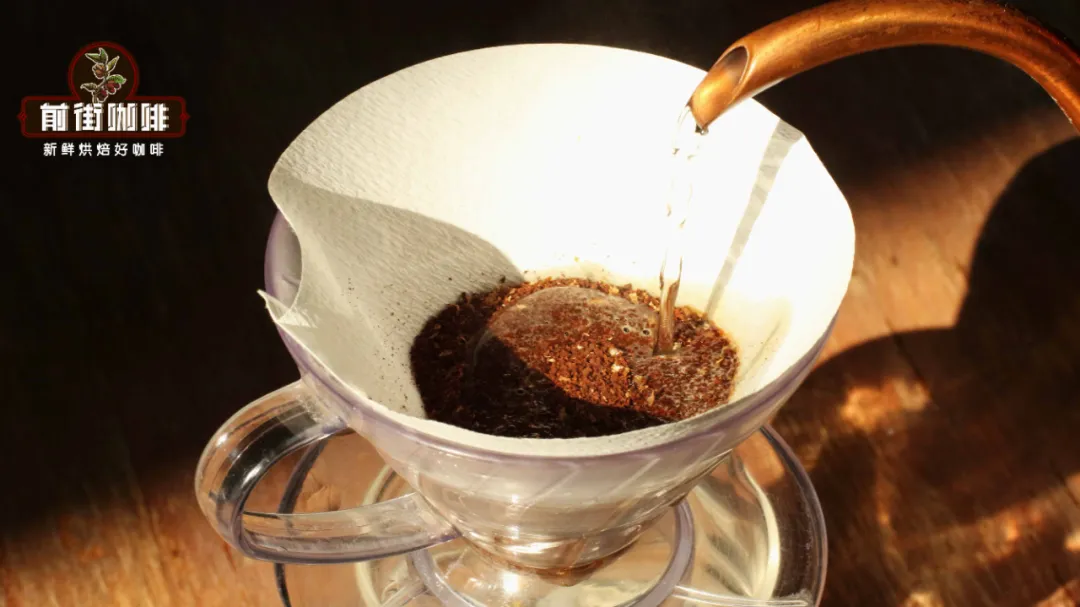
Medium-light roasted coffees are characterized by fruity acidity and a light body. When reheating, you can bring the temperature up to 50–70°C, which helps the acidity regain its brightness more easily. For medium-dark roasted coffees that pursue a rich, full body, it's better to keep the reheating temperature in the 35–50°C range, close to body temperature, because that's when the tongue perceives sweetness most clearly, making the coffee go down more smoothly.
- END -
The above content is compiled by CoffeeHunters, a coffee news website.


