








What milk foam temperature should a hot latte and cappuccino use?
Steamed milk for hot lattes and cappuccinos is normally held between 55 and 65 degrees Celsius. Milk below that range makes the drink cool too fast, while milk above roughly 70 degrees starts to separate from the coffee, lose sweetness, and pick up a cooked or milky-raw smell. Staying inside the range keeps the foam silky and the latte art stable.
Between 50 and 70 degrees, milk has not yet changed irreversibly, so its structure stays stable and blends well with espresso. Baristas judge the endpoint by touch and sound as the pitcher heats. The national coffee association cappuccino latte difference milk foam espresso discussion often turns on this detail, since a cappuccino needs more air and a drier, thicker foam than a latte. Milk preferences vary slightly between the two drinks.
As the weather turns cooler, hot milk coffee becomes the top choice for many people. The temperature to which milk is steamed not only affects the comfort of the first sip, but also directly relates to the silkiness of the milk foam, the durability of latte art, and how well the coffee and milk blend. If the milk temperature is too low, the milk coffee cools down too quickly; if it's too high, problems easily arise such as the milk foam separating from the coffee liquid, the milk flavor becoming weaker, or even a milky-raw smell emerging. This article will focus on the milk foam temperature for hot lattes and cappuccinos, explaining why 55–65°C is the commonly used range in cafés, what changes occur in milk after exceeding 70°C, and sharing practical methods for beginners and advanced baristas to judge milk temperature. At the same time, Front Street Coffee will also provide temperature control recommendations for lattes and cappuccinos respectively based on autumn and winter serving needs, helping you make stable and delicious hot milk coffee at home or in a café.
As soon as the temperature drops, the number of customers ordering hot milk coffee at Front Street's stores noticeably increases. Heated sweet milk mixed with espresso becomes a smooth, warm hot latte—one sip and your whole body feels much warmer.
Some friends, in order to keep their hot latte from cooling down so quickly, steam the milk hotter than usual. At this point, keeping the milk temperature within the appropriate range becomes especially crucial.
—The Suitable Temperature for Milk Foam
Judging whether the milk foam is fully steamed usually depends on whether the temperature is high enough. When cafés make hot milk coffee, the steamed milk temperature is generally controlled between 55–65°C. Since the milk foam produced during steaming needs to be fully mixed and texturized with the liquid milk, once air is introduced into the milk, a vortex should form as quickly as possible and the heating stage should begin.
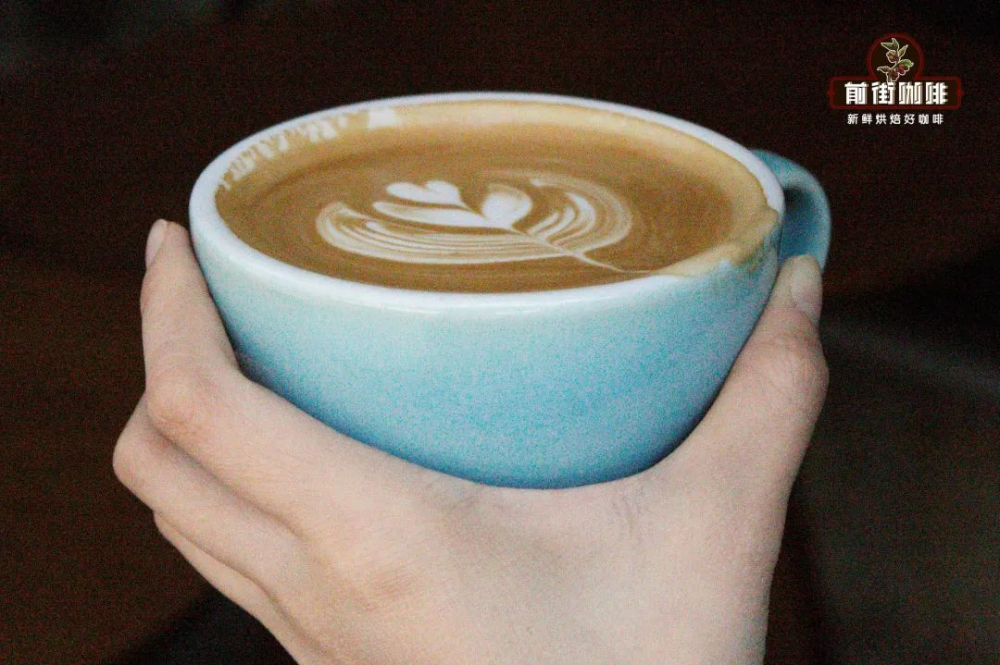
Within the 50–70°C range, the properties of milk have not yet undergone irreversible changes, so its stability is relatively good. Using milk foam at this temperature range to make hot milk coffee gives the most comfortable mouthfeel, and latte art patterns can also last longer.
—When Milk Foam Is Steamed Above 70°C
If the milk temperature is too high, you can clearly feel that the coffee liquid and milk foam are separated when drinking. Because the foaming time is too long, although the temperature of the liquid milk has risen, the foam layer—which has already formed countless small pores—has not reached the same temperature.
It is precisely this temperature difference that makes people feel the liquid and foam are disconnected; and if it's too hot, the tongue cannot perceive the silkiness of the foam layer either. The higher the milk coffee temperature, the more obvious this temperature difference becomes.
In addition, when the milk temperature rises above 70°C, it smells very milky, but when you drink it the milk flavor is very flat, with a slight milky-raw smell, and the texture is also somewhat rough. When fused into the coffee liquid, latte art also easily collapses and breaks apart.
The reason is that at too high a temperature, the proteins in the milk have already been damaged, the stability of the milk foam decreases, and so it quickly dissipates.
How to Control the Steaming Temperature of Milk?
Beginners can first use a thermometer together with their palm to feel the milk temperature.
When milk is heated to around 40°C, you can usually begin to feel the heat source. The specific heating speed depends on the steam wand's temperature, the amount of steam, and the amount of liquid in the milk pitcher. When your palm feels hot, it means the temperature has reached above 55°C—at this point, you can memorize this sensation.
If you already have some experience steaming milk foam, you can directly rely on feel to judge the milk temperature range. After the milk foam is texturized, submerge the steam wand in the liquid milk and keep heating until the target temperature is reached.
In autumn and winter, the ambient temperature is low, and hot drinks cool down faster. In terms of equipment, you can preheat the cup first, or choose a material with better heat retention, such as a ceramic cup.
Front Street Coffee's baristas, in their daily serving parameters, will raise the milk foam temperature to 65°C, which means continuous heating for 3–5 seconds. This way, the hot latte's flavor and aroma are relatively balanced, and the drinking experience won't be affected by it being too hot.

Unlike a latte, a cappuccino has a layer of milk foam about 1.5–2cm thick, and people prefer to taste a distinct foaminess. Front Street recommends controlling the cappuccino's milk temperature below 60°C, so you can drink it in big gulps without burning your mouth.
For professional coffee knowledge exchange and more coffee bean information, please follow Coffee Workshop (WeChat public account: cafe_style)
For more specialty coffee beans, please add the private WeChat of Front Street Coffee: qjcoffeex
The above content is compiled by CoffeeHunters, a coffee news website.


