







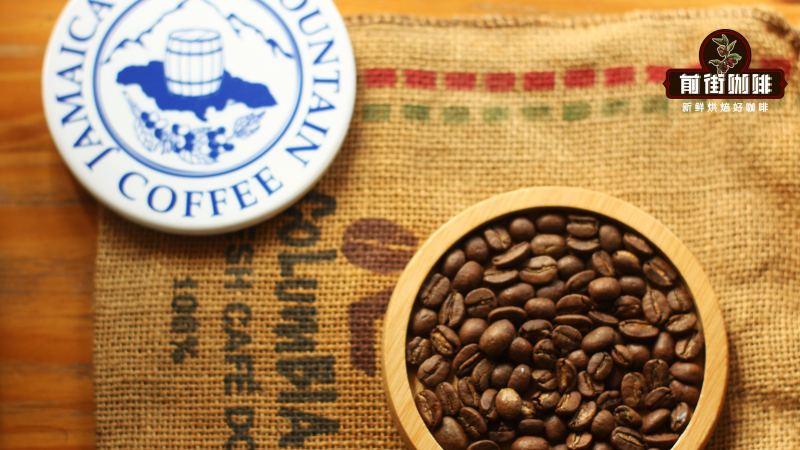
Is Jamaica Blue Mountain No. 1 Still Among the Most Expensive Coffee?
Jamaica Blue Mountain No. 1 is grown in a certified area of the Blue Mountain range in eastern Jamaica, using the Typica variety. It is known for balanced acidity, sweetness, and bitterness with a full body, and it remains a favorite among seasoned coffee drinkers in Asia. It was once labeled the most expensive coffee in history, though that status has since shifted to Panama Geisha lots that have auctioned at record prices.
Not all coffee grown in the Blue Mountain range can legally carry the name; only officially certified production qualifies. For pour-over, a KONO dripper, 88°C water, and a 1:15 coffee-to-water ratio are suggested to bring out a full, sweet cup. Buyers checking authenticity should look for certification marks and traceable estate information, since who grows coffee beans and where matters for the label.
Blue Mountain coffee has a renowned reputation and was once regarded as synonymous with top-tier coffee. Although it has now been surpassed by newcomers like Geisha, it remains a favorite among many seasoned coffee enthusiasts in Asia. This article focuses on Jamaica Blue Mountain No. 1, analyzing its place of origin, varietal origins, flavor characteristics, and providing practical identification methods and pour-over parameters. Blue Mountain coffee is grown in a specific area of the Blue Mountain range in eastern Jamaica, with the Typica variety, known for its balance of acidity, sweetness, and bitterness, and its full-bodied mouthfeel. The article also shares Front Street Coffee's brewing suggestions, including a KONO dripper, 88°C water temperature, and a 1:15 coffee-to-water ratio, helping enthusiasts brew a full and sweet Blue Mountain flavor at home.
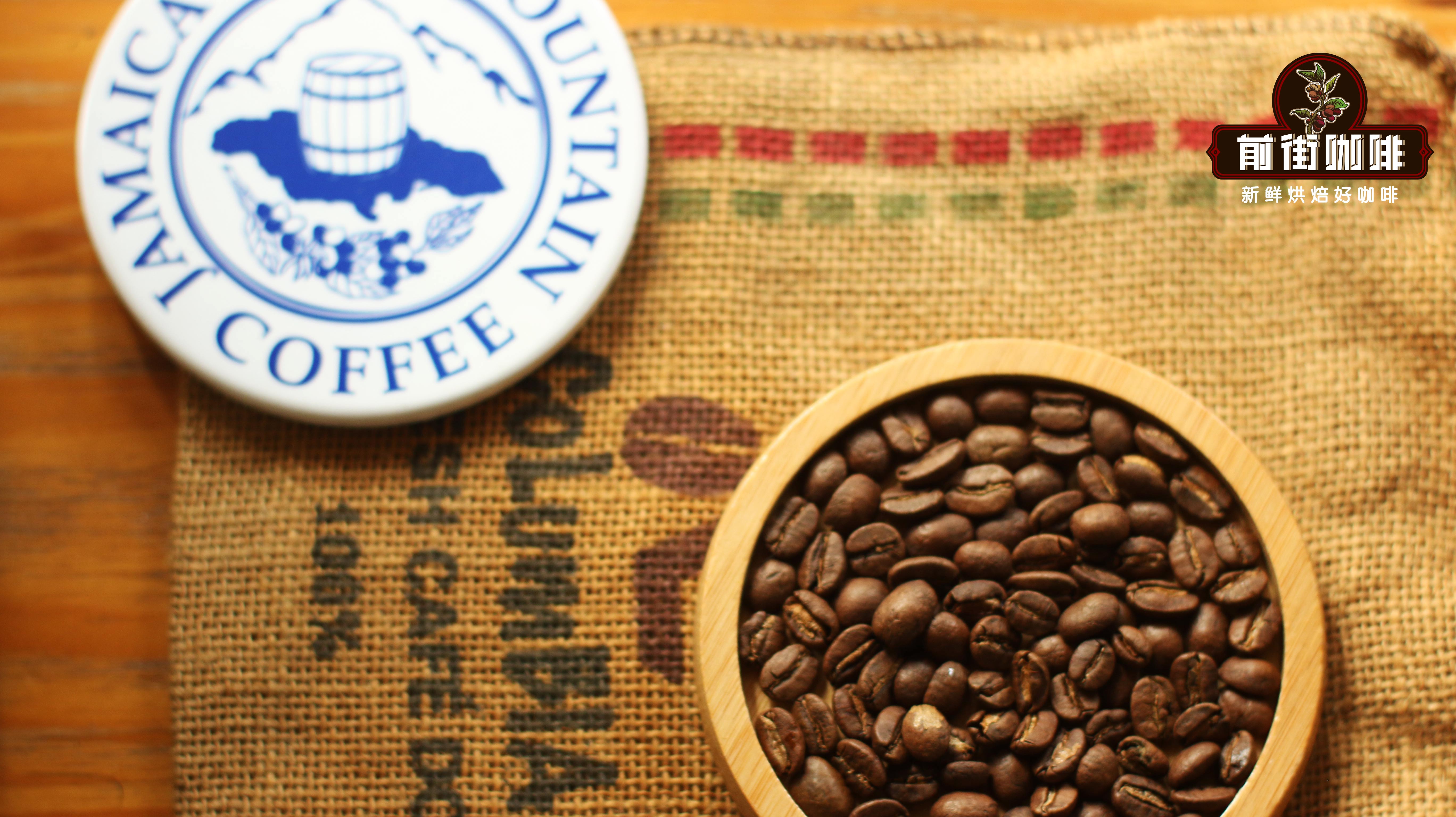
In the global coffee landscape, Blue Mountain coffee's fame is almost unmatched, and many people first encountered coffee through it. Especially in the Asian market, Blue Mountain coffee was once regarded as the highest-quality and most expensive bean, even labeled as "the most expensive coffee in history."
Of course, that is now a thing of the past. Over the past decade or so, specialty coffee culture has become increasingly ingrained, and planting techniques and varietal research in various regions have made significant progress. Currently, the highest-priced coffee beans known come from Panama, a Geisha variety with alluring floral aromas and rich fruity acidity. A certain estate there set a record price of $40,000 per kilogram when auctioning a custom micro-lot of Geisha.
Although today's coffee enthusiasts prefer the fresh profile of Geisha, Blue Mountain coffee remains an indispensable choice for many veteran coffee lovers in Asia. What exactly makes Asians so fond of Blue Mountain? Perhaps it is its rich, solid mouthfeel and balanced acidity, sweetness, and bitterness, offering a steady coffee experience.
Where is Blue Mountain coffee grown?
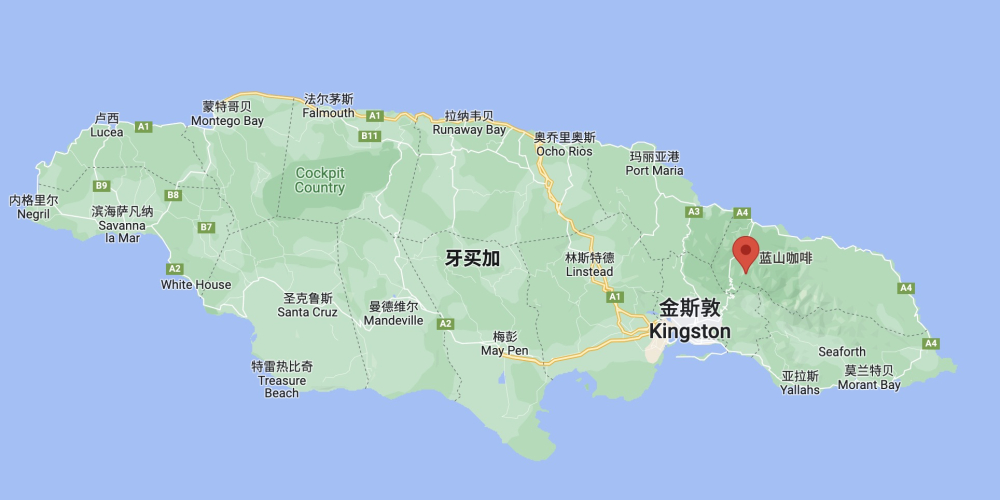
Blue Mountain coffee comes from the Blue Mountain range in eastern Jamaica. This mountain range is often shrouded in mist and clouds, and under the sunlight it emits a blue glow, hence the name. However, not all coffee produced in the entire Blue Mountain range can be called "Blue Mountain coffee."
The officially certified authentic Blue Mountain coffee production area in Jamaica is limited to four administrative regions: St. Andrew, St. Thomas, St. Mary, and Portland, and the planting altitude must be between 910 and 1,700 meters to use the Blue Mountain logo.
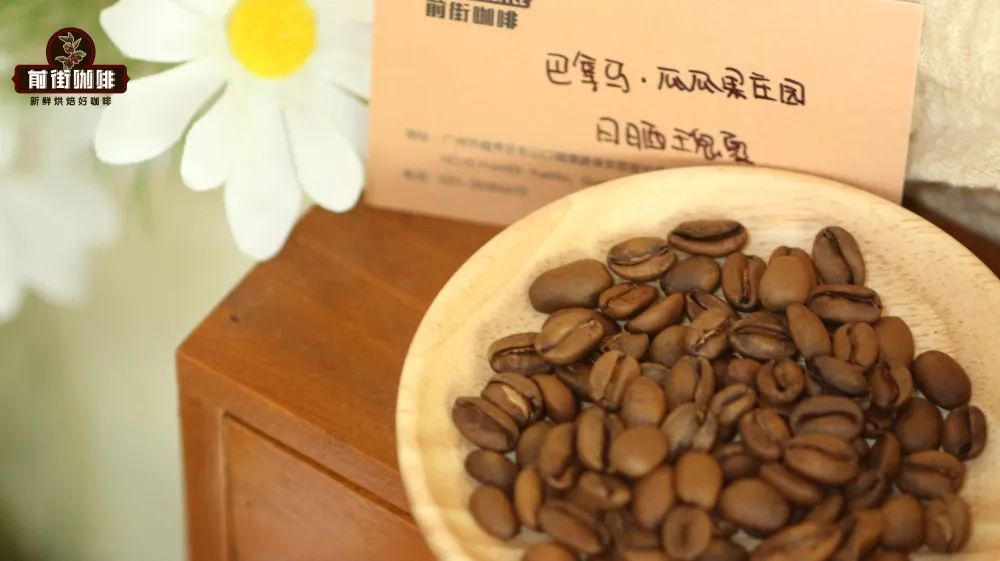
Coffee grown at altitudes between 500 and 900 meters is classified as Jamaica High Mountain coffee; that below 500 meters is classified as Jamaica Supreme coffee.
Is Blue Mountain a coffee variety name?
Not exactly. "Blue Mountain" is actually the highest mountain range in the Caribbean Sea, and because the coffee produced there is outstanding in quality and world-renowned, Blue Mountain coffee got its name. The variety of Blue Mountain coffee is the oldest branch of the Arabica line—Typica. This variety was introduced to the Blue Mountain region in the 18th century. After two hundred years of adaptation, Blue Mountain Typica has evolved into a stable variety with strong disease resistance, highly adapted to the local environment, and has developed a refined flavor that is difficult to replicate elsewhere.
Flavor and mouthfeel characteristics of Blue Mountain coffee
The Blue Mountains are located in a volcanic and seismic zone, with abundant fertile volcanic soil. The high altitude also increases the temperature difference between day and night in the mountains, with mist and clouds filling the forest and ample rainfall throughout the year, allowing the coffee cherries to absorb sufficient nutrients.
Therefore, the Typica grown here can display the variety's serene and clean flavor characteristics, as well as noticeable sweetness. Front Street has noticed that although the entire Blue Mountain range grows Typica, only beans produced at high altitudes possess the balanced acidity, sweetness, and bitterness, while those at low altitudes often lack balance and are slightly inferior in cleanliness.
How to buy authentic Blue Mountain coffee beans?
Blue Mountain coffee is too famous, and the price itself is not low. Many merchants capitalize on the popularity of Blue Mountain by selling beans not from the Blue Mountain range, low-altitude Blue Mountain beans, instant or ready-to-drink products, and blends under the name "Blue Mountain flavor."
How to identify the authenticity of Blue Mountain coffee beans? Which brand of Blue Mountain is trustworthy? Front Street shares a few key points for identification.
1. Blue Mountain No. 1 coffee beans are all exported in whole wooden barrels. When purchasing, check whether the seller has a complete Blue Mountain wooden barrel, which can prevent substitution with other beans.
2. Buyers of Blue Mountain coffee beans (first-hand green bean buyers) can apply to the Jamaica CIB or the estate for a Blue Mountain coffee bean certification certificate, which is also an effective proof of authenticity.
3. Currently, most Blue Mountain single-origin beans sold domestically are of the Blue Mountain No. 1 grade. The grading standard for this grade of green beans is: over 96% must be 17 mesh in size, and the proportion of defective beans must not exceed 2%. Therefore, the beans are uniform in overall size, oval in shape, and plump.
Regarding the brand of Blue Mountain coffee, it is actually not crucial. Because any brand selling authentic Blue Mountain beans sources from the four major processing plants and several independent farms authorized by the Jamaica CIB, and there is no issue of which brand can obtain better quality. The most important thing is to buy the genuine product, and at that point, you simply choose based on cost-effectiveness. As a reference, Front Street offers Blue Mountain No. 1 in a small 100-gram package at 158 yuan, which is relatively affordable.
How to brew Blue Mountain coffee for the best taste?
Front Street currently sells a Blue Mountain No. 1 from Jamaica's oldest coffee plantation—Clifton Estate, grown at an altitude of 1,310 meters. This estate is also the only one in Jamaica to receive Rainforest Alliance environmental certification. Estates or regions with this certification have the green frog logo printed on their green bean packaging. You can see the green bean wooden barrels with the green frog logo and Clifton Estate's Blue Mountain certification certificate at Front Street Coffee's physical store.
For specialty-grade beans like Blue Mountain No. 1, Front Street believes that pour-over black coffee best brings out its unique aroma. The Blue Mountain coffee sold by Front Street Coffee is roasted on the darker side, with a rich and full-bodied flavor profile. Therefore, it is recommended to use a KONO dripper, taking advantage of the tight fit between the filter paper and the dripper to create immersion-style extraction during brewing, increasing the coffee's concentration. At the same time, to avoid over-extraction leading to bitterness, Front Street uses a slightly lower water temperature and a coarser grind.
The brewing parameters for Blue Mountain coffee at Front Street Coffee's store are as follows: water temperature 88°C, coffee-to-water ratio 1:15, 15 grams of coffee powder, grind size (75% passing through a No. 20 standard sieve), with a three-stage pouring method.
First, pour 30 grams of hot water for a 30-second bloom, then slowly pour in a fine stream from the center in a circular motion up to 125 grams. When the water level in the dripper drops to just before exposing the coffee bed, continue pouring in a circular motion up to 225 grams. The total extraction time is about 2 minutes. Finally, swirl the coffee liquid to mix and enjoy.
Pour-over flavor of Blue Mountain No. 1: Caramel aroma can be smelled during the bloom stage; on the palate, there are rich nutty and dark chocolate flavors, with a full body and a sweet, clear finish.
The above content is compiled by CoffeeHunters, a coffee news website.


