







Search Results for: Tapered Cup
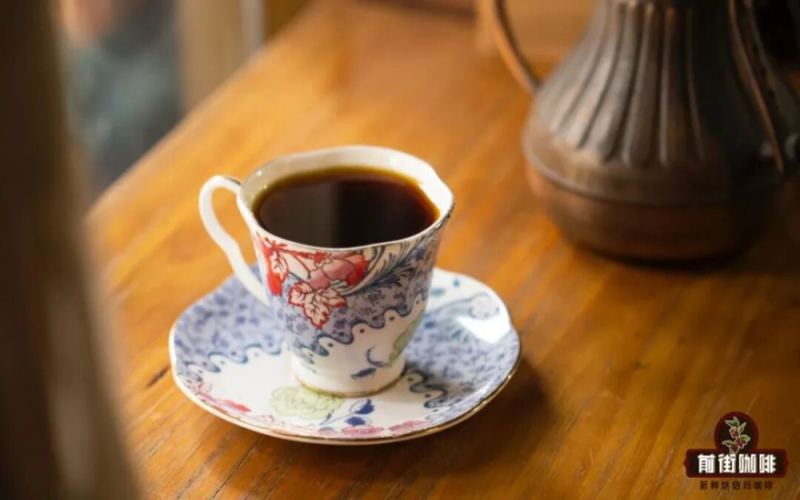
Introduction to Coffee Tasting: How Cup Rim Shape Affects the Aroma and Mouthfeel of the Same Pot of Coffee
In coffee tasting, the cup is not just a container—the design of the rim directly affects aroma release and the path the coffee takes as you sip. This article compares three mainstream rim types—open, straight, and tapered—using the same brew to contrast dark-roasted Front Street Blue Mountain No. 1, medium-roasted Front Street Sidra, and light-roasted Geisha Village Red Label, recording the flavor differences at the aroma, hot, and cool stages. It also explains the sensitivity of different areas of the tongue to taste and offers pairing suggestions for coffees of different roast levels with cup types, including Front Street Huakui, Front Street Little Tomato, Front Street Mandheling, Front Street Yirgacheffe, and Front Street Strawberry Candy. [more…]
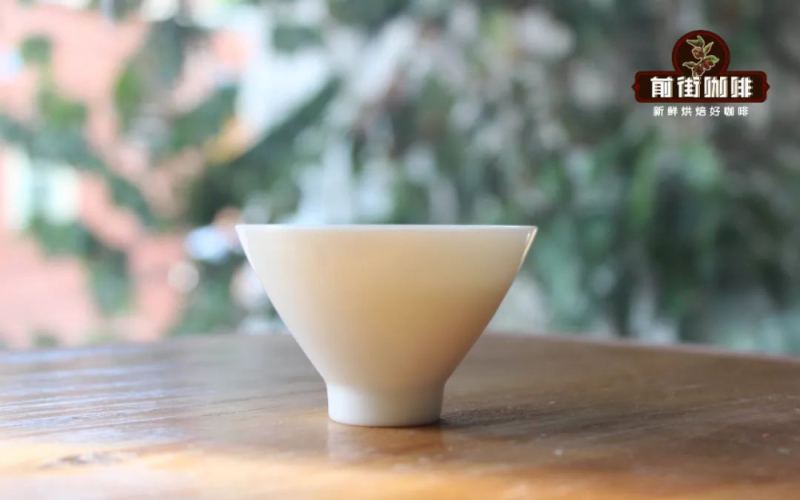
How the shape of the cup rim changes the flavor expression and drinking experience of pour-over coffee
When drinking pour-over coffee, does the shape of the cup really affect the taste? Front Street used three common cup types—wide-mouth, straight-walled, and tapered—to conduct a comparative tasting of the same coffee, and found that aroma, acidity, sweetness, and body all show noticeable differences depending on the rim design. Starting from cup type classification, this article combines the brewing performance of Guatemala Geisha, Brazil Queen's Estate, and Ethiopia Yirgacheffe Gutingding to analyze how different rims guide the flow of coffee liquid in the mouth and temperature changes, and offers cup selection suggestions for acidic, bitter, and aroma-forward coffee beans, helping coffee enthusiasts find a drinking method that suits them better. [more…]
Pour-Over Coffee Tasting | Does Coffee Taste Differ with Different Cup Shapes? Which Cup Shape of Coffee Tasting Cup Should Be Paired for Tasting Different Coffees?
As the saying goes, a good horse deserves a good saddle, and good tea belongs in a fine jar. As the main vessel for holding coffee, the impact of different cup designs on tasting has gradually drawn people's attention. Some coffee shops even spend lavishly on a set of coffee cups dedicated to serving, in order to create a dual experience for the eyes and the palate. Just like wine, cups [more…]

How the material, thickness, and shape of a coffee cup shape the drinking experience and flavor perception
Have you also collected a bunch of exquisite and good-looking coffee cups, yet always find yourself unsure which one to pick when brewing coffee? In fact, the material, thickness, and rim shape of a cup each have their own nuances. Although they won't change the concentration or flavor compounds of the coffee liquid, they can influence our visual perception, temperature, and mouthfeel through their structural characteristics. This article follows the perspective of Front Street Coffee, breaking down everything from materials and wall thickness to different forms such as wide-mouth, straight-sided, and tapered cups, helping you understand what kind of coffee each cup is suited for, while also discussing the exceptional strengths and sole weakness of those professional tasting cups used in competitions. [more…]
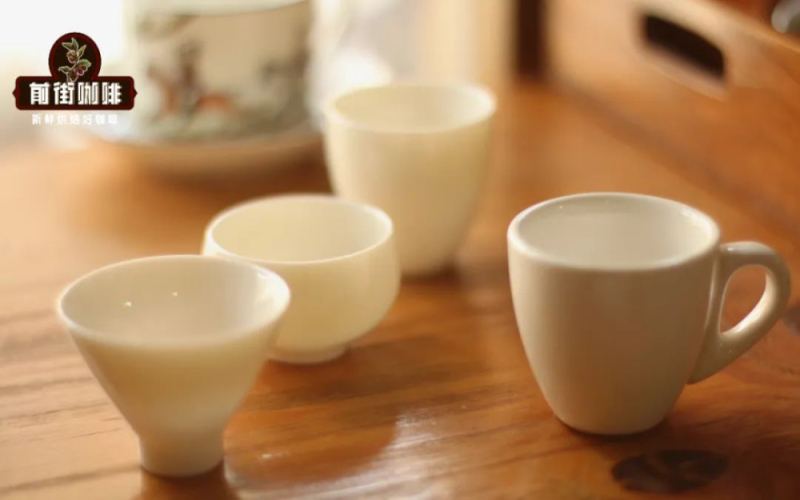
The Complete Guide to Choosing a Coffee Cup: How Material, Thickness, and Rim Shape Shape the Tasting Experience of Espresso, Latte, and Cappuccino
When it comes to drinking coffee, besides the beans and brewing method, the cup is also an aspect that cannot be overlooked. This article starts from three dimensions—material, thickness, and the shape of the cup body and rim—to systematically sort out the actual effects of different coffee cups on visual appeal, heat retention, and taste perception. You will learn what scenarios glass, ceramic, and stainless steel are each suited for, which flavors open-mouth cups, straight-bodied cups, and tapered cups can respectively amplify, and why Front Street pairs specific cup types when recommending single-origin coffees such as Red Cherry, Geisha Village Flower Queen, and Mozart. Whether you are a collector or just starting out, this cup-selection guide can help you find the vessel best suited to the cup of coffee in front of you. [more…]
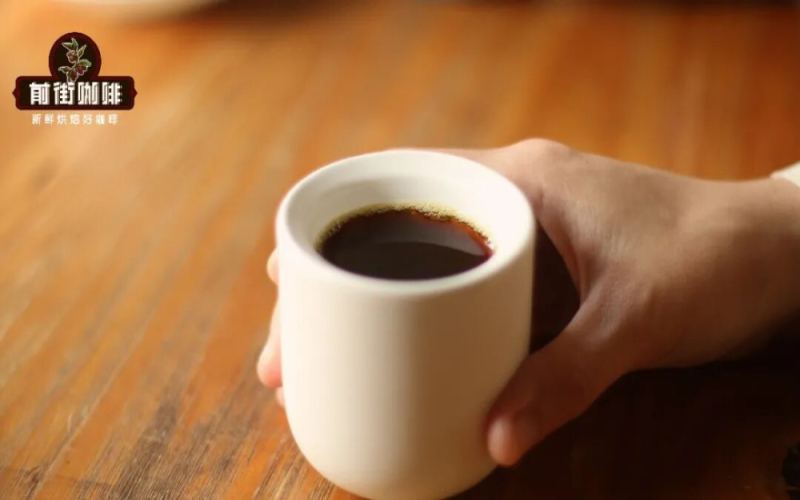
A Practical Guide to Choosing Coffee Cups: How Material, Capacity, Thickness, and Shape Affect the Taste of Espresso, Latte, Flat White, and Dirty
Faced with the dazzling array of coffee cups on the market, many people wonder: can a cup really change the taste of coffee? And what cup shapes should different drinks be paired with? Starting from the coffee cups commonly used at Front Street, this article sorts out the effects of four dimensions—material, size, thickness, and cup shape—on coffee flavor, and gives specific cup selection suggestions for common coffees such as hot latte, cappuccino, flat white, Dirty, and pour-over. Whether you are a beginner enthusiast or a barista making drinks every day, you can find practical purchasing ideas here, so that every cup of coffee can show its best side. [more…]

Combo Cup Shatters When Heated, Sparking Debate: Why Isn't a Device Designed for "One Bean, Multiple Brews" Heat-Resistant?
The "one bean, multiple brews" combo format has been appearing frequently on coffee shop menus in recent years. A pairing of one americano and one latte has caught many consumers' attention. However, the hulu combo cup designed specifically for combos has been exposed for quality issues — some netizens reported that the glass cup suddenly shattered while they were warming it, and customer service explained it was caused by excessive temperature difference. The merchant's product description did not indicate any usage restrictions or temperature tolerance range, which led many coffee enthusiasts to question: is a cup that can't even hold hot water really suitable for making coffee? This article will walk you through the origins of the combo, the original design intent behind the equipment, and this debate over aesthetics versus practicality. [more…]
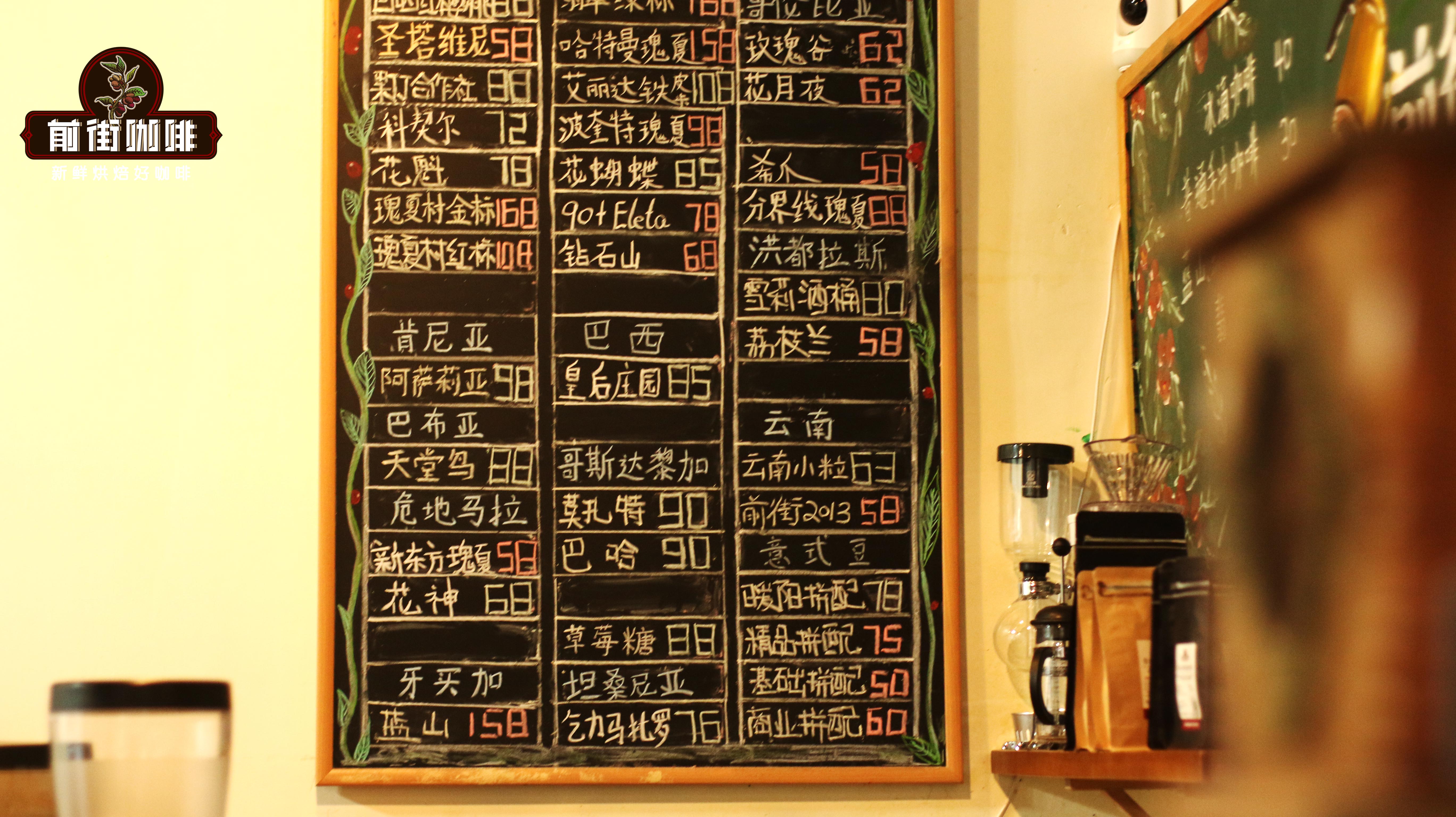
A Complete Guide to Siphon Coffee Brewing: Equipment Principles, Historical Origins, and Key Practical Points Explained
Among the many coffee brewing methods, the siphon pot has always held its own thanks to its unique vacuum extraction principle and rich, full-bodied flavor. Although pour-over coffee has now become the mainstream choice in specialty cafés, the siphon pot's brewing process—combining ritual and visual appeal—still fascinates many coffee enthusiasts. This article will give you a comprehensive understanding of the siphon pot's structure and principles, its development history, and the key details of actual brewing, helping you master the use of this classic device so you can make a cup of aromatic, full-bodied siphon coffee at home. [more…]
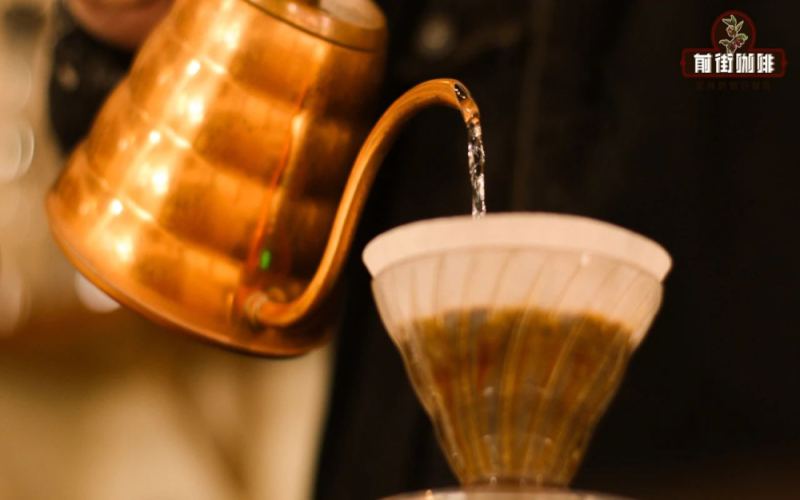
Analysis of the Roasting Characteristics of Espresso Beans: Can Medium-Dark Roast Blends Be Used for Pour-Over?
The flavor profile of espresso fundamentally depends on the variety of coffee beans selected and the degree of roast. To achieve a cup that is both balanced and full-bodied, the vast majority of cafés tend to use medium-dark roasted blends for espresso. However, quite a few coffee enthusiasts also try using such beans for pour-over. It is worth noting that during pour-over extraction, the brewing parameters will differ significantly depending on the roast level of the beans. This article takes medium-dark roasted coffee as its main thread and, drawing on Front Street's hands-on experience, systematically sorts through the flavor characteristics of such beans in pour-over, grind setting, water temperature range, coffee-to-water ratio, and dripper selection, and provides a complete brewing procedure to help you reliably reproduce a rich, full-bodied medium-dark roast pour-over at home. [more…]
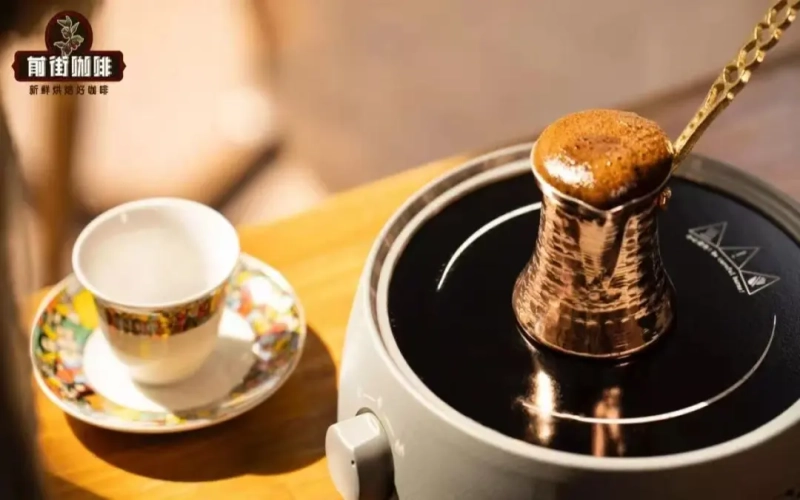
Why does Turkish sand-brewed coffee seem inexhaustible? A complete analysis of the brewing method and parameters
Turkish sand-brewed coffee is often given the magical label of "unlimited refills" online, with a copper pot repeatedly rubbed in hot sand, and the coffee liquid seemingly never running out. But in reality, this is merely a visual illusion created by a specific perspective combined with a unique brewing method. Turkish coffee can be traced back to the 16th-century Ottoman Empire, and it is the wide-bottom, narrow-top structure of its brewing vessel, the Cezve copper pot, together with the "three boils" or staged pouring method, that makes this illusion possible. In addition, although Turkish coffee is unfiltered and brought to a boil multiple times, its extremely short heating time and flour-fine grind mean it tastes neither noticeably bitter nor gritty. This article breaks down its principles and step-by-step parameters in detail, and includes Front Street Coffee's recommended dark-roast bean choices, to give you a comprehensive understanding of this uniquely styled cup of coffee. [more…]
How to Use a Flat-Bottom Dripper with Adjustable Flow Rate? Hero Variable-Speed Cake Dripper Hands-On Review and Three Brewing Recipes
What kind of brewing experience does a flat-bottom dripper with manually switchable extraction modes actually deliver? Front Street recently got its hands on Hero's variable-speed cake dripper, which uses a knob mechanism to offer three flow-rate settings—immersion, slow, and uniform—while its flat-bottom design makes it quite beginner-friendly. Front Street has brewed beans such as washed Butterfly Flower, Mozart, and Juliette Geisha with it, and also tried extending the variable-speed function to iced pour-over scenarios, comparing it with the V60. This article provides a complete record of three sets of brewing parameters, flavor performance, and detailed issues found during use, for coffee enthusiasts' reference. [more…]
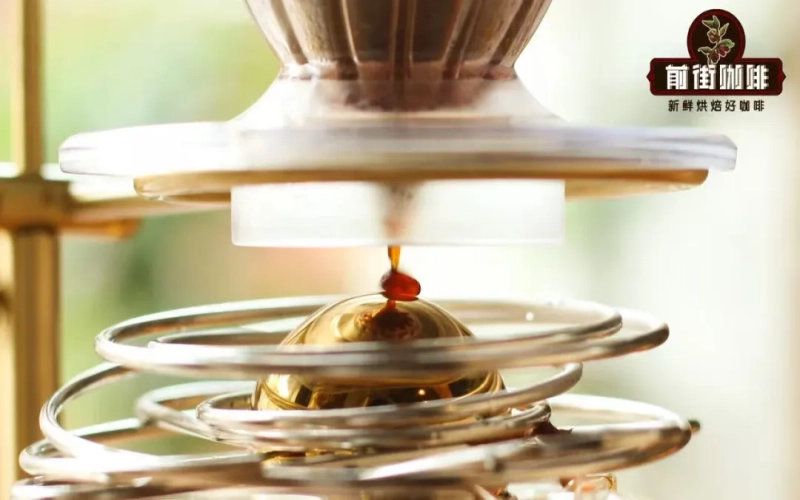
How Does Cup Temperature Affect Coffee Flavor? A Comparative Experiment on Preheating vs. Chilling a Pour-Over Coffee Cup
Coffee aroma is volatile, and the higher the temperature, the faster it dissipates, so some have proposed using low-temperature containers to lock in the aroma. Front Street Coffee compared three types of pour-over coffee vessels—a high-temperature cup, a room-temperature cup, and a frozen cup—to test whether cup temperature truly affects coffee aroma and flavor performance. The experiment used Kenya Asaliya coffee beans with uniform brewing parameters, and the results showed that cup temperature mainly changes the temperature of the coffee when it enters the mouth, rather than the amount of aroma, but temperature differences do indeed cause noticeable changes in flavor perception. This article will present the experimental process and conclusions in detail, and offer cup selection suggestions for different weather conditions. [more…]

Guming's Spring Festival Spinning Cup Sparks Controversy: Creativity Requires a Cup Sleeve, Missing Accessories at Multiple Stores Draw Consumer Complaints
Guming teamed up with Pan Hu Design Lab to launch a Spring Festival limited-edition "Fortune and Prosperity in Motion" themed packaging. One of the designs, a takeaway cup featuring a rotating interactive element, attracted considerable consumer interest thanks to its novel concept — some customers even placed orders specifically to collect the cup. However, many customers discovered upon receiving the actual product that the snake pattern on the cup body was hard to make out, and rotating the cup to the left as instructed produced no movement at all — a far cry from the dynamic effect advertised by the brand. Guming staff later explained that the rotating effect requires a special cup sleeve to work, and that this sleeve needs to be assembled. Due to the heavy order volume during the Spring Festival, some stores overlooked including it, which significantly undermined the customer experience. The incident sparked widespread discussion online, with some arguing that the promotional materials failed to clearly indicate the importance of the cup sleeve, while others pointed out that stores should ensure all accessories are complete before serving orders. [more…]
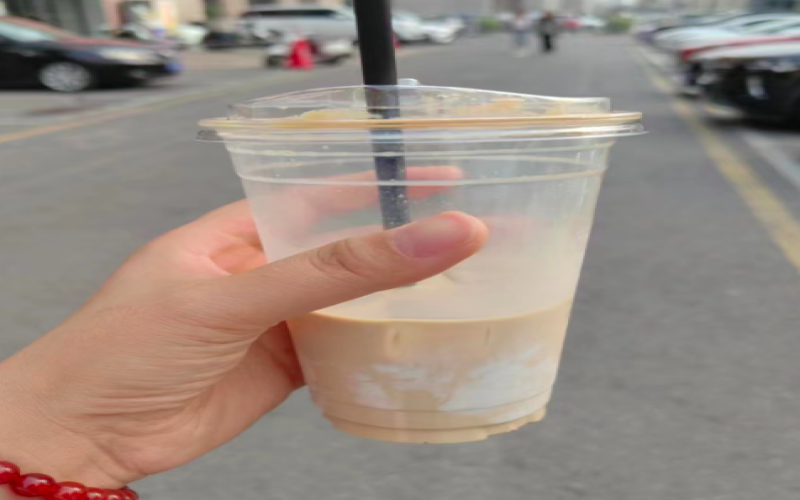
Can Bring-Your-Own-Cup Discounts Really Attract Consumers? Exploring Why Coffee Lovers Still Prefer Disposable Cups
Bringing your own cup to buy drinks at coffee shops has become an eco-friendly habit for some consumers, and chain brands such as Starbucks and Manner have long offered BYO cup discounts to encourage reducing single-use cup usage. However, in reality, it seems that not many people truly stick to bringing their own cups, and the tables in coffee shops are still dominated by takeaway cups. Why are consumers not buying into BYO cup discounts? Some value saving money but give up because the discounts cannot be stacked; some pursue efficiency and feel that bringing their own cup actually wastes time; others encounter troubles such as capacity mismatch, forgetting to bring the cup, or the cup having an odor. Although bringing your own cup causes many inconveniences, for long-term coffee drinkers, the money saved can buy a few more cups, and some even pass off disposable cups as their own, leaving baristas not knowing whether to laugh or cry. Front Street Coffee reminds us that the environmental friendliness and cost savings of bringing your own cup still need to find a balance with convenience. [more…]
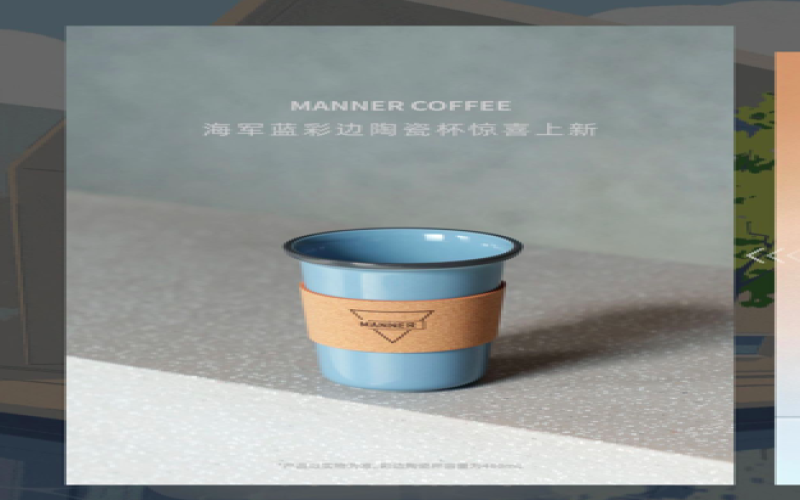
Manner Navy Blue Ceramic Cup Sleeve Is Hard to Remove, Aesthetic Controversy Arises After the Cup Body Is Stripped of Its Jacket
Manner has once again launched a mug gift set, this time featuring a navy blue ceramic cup with a colored rim paired with a brown leather sleeve, attracting a large number of fans to stay up late waiting to snap it up. However, after receiving the actual product, many people found that the leather sleeve fits tightly against the cup body, making it time-consuming and laborious to remove. Users who successfully removed it were surprised to find that the originally exquisite cup instantly became plain and was even jokingly compared to a spittoon. Meanwhile, another hidden style—white with a red rim—also sparked speculation. This article will fully present the design details, the buying frenzy, and user feedback for this merchandise drop. [more…]
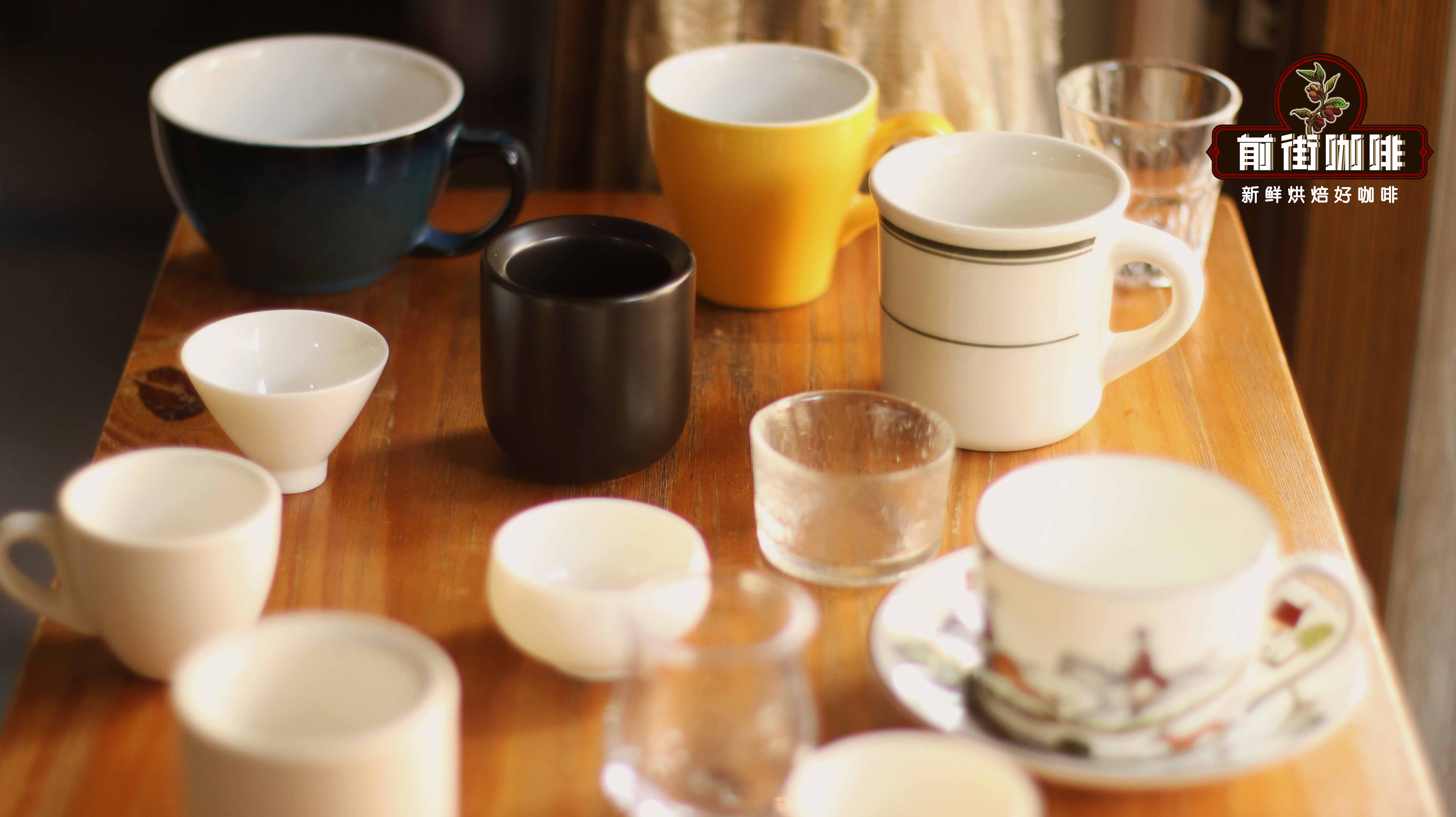
A Complete Guide to Coffee Cup Sizes: What Drinks Suit Small, Medium, and Large Cups?
Walking into Front Street Coffee, ceramic cups of various sizes are neatly arranged on the espresso machine. These cups are not placed randomly but correspond to the serving needs of different coffees. The capacity of a coffee cup often hints at the intensity of the drink within—the smaller the cup, the more concentrated the coffee. A small cup holds about 60ml, used for espresso or as a sharing cup for pour-over; a medium cup holds 180-200ml, suitable for Americano and cappuccino; a large cup holds 300ml, the stage for milk coffees like latte and mocha. This article breaks down in detail the capacity, uses, and pairing logic of Front Street's three cup sizes, helping you choose the right cup at home and drink with professional standards. [more…]
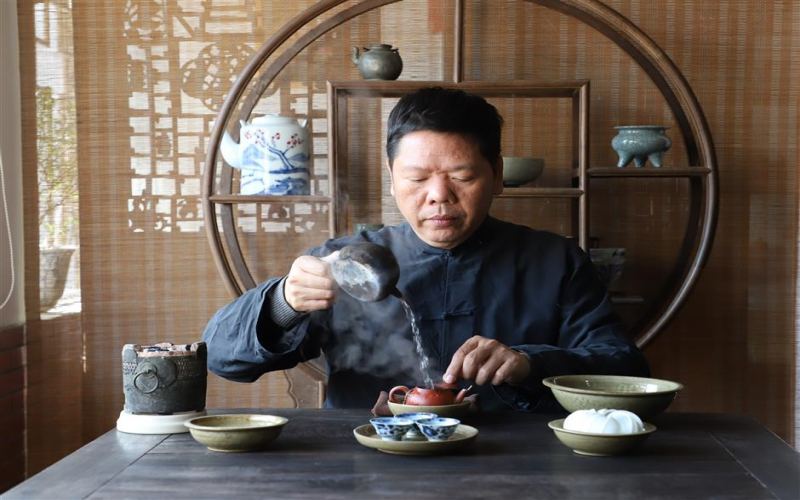
Analyzing the Differences in Gongfu Tea Brewing Between Chaoshan, Fujian, and Taiwan: From the Use of the Fairness Cup to Aroma Appreciation with the Fragrance Cup, and a Discussion of Mindfulness Practice in the Way of Tea
As the essence of Chinese tea culture, Gongfu tea has developed distinctive brewing systems across different regions. The Gongfu tea styles of Fujian and Taiwan appear more "inclusive" due to the introduction of the fairness cup (gongdao bei): the tea liquor is first poured from the lidded bowl (gaiwan) into the fairness cup, then distributed into tasting cups, ensuring consistent strength in every cup. Both regions also retain the aroma cup, a tall, slender vessel specifically used to capture the complex aromatic layers of oolong tea. The serving process is full of ritual: tea is brewed first, then decanted through the fairness cup, and afterward poured into the aroma cup, which is covered and flipped with the tasting cup; the host slowly lifts the aroma cup to let the guest appreciate the fragrance. Unfortunately, the aroma cup is no longer as popular in Fujian as it is in Taiwan. Fujian people brew Wuyi rock tea this way, while Taiwanese people use it for high-mountain oolong. Gongfu tea is not merely a brewing technique but a practice of mindfulness, sharing a spiritual core with yoga. This article will compare the similarities and differences of Gongfu tea across the three regions in depth, and share Front Street Coffee's understanding of tea ceremony practice. [more…]
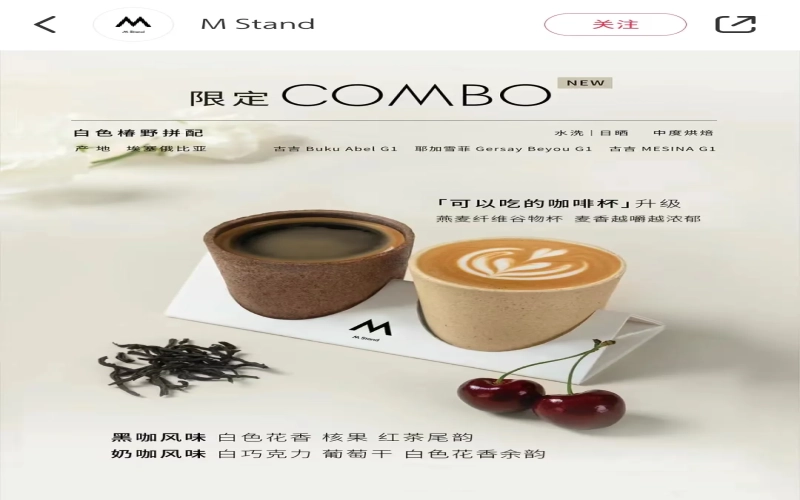
M Stand launches an edible cup Combo set: the one-bean-two-ways concept is full of creativity, yet netizens complain the cup itself is hard to gnaw through
M Stand once went viral online with an oat cookie latte that you can eat together with the cup. Now the brand has innovated further on this basis, launching a limited-edition Combo paired with a medium-roast Ethiopian blend bean, achieving two drinks from one bean. The black-and-white edible cups respectively hold a hot americano and a hot latte. The cup bodies are made from oat fiber grain, with the white cup being original flavor and the black cup cocoa flavor. However, this new product, which must be enjoyed on-site and cannot be delivered, has sparked polarized reviews on social platforms—beyond the coffee's taste drawing attention, the texture of the oat cup itself has become a hot topic of discussion. Many netizens complain that it is dry and hard like paper, difficult to swallow, and some even had their mouths cut. [more…]
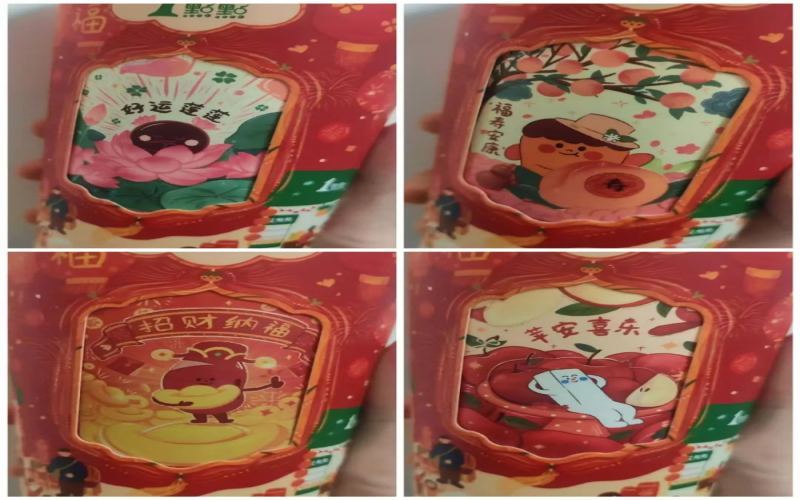
A Little New Year Spinning Cup Limited Release Sparks Controversy: Customer Requests Cup in Notes but Receives Ordinary Cup
During the Spring Festival, major chain beverage brands rolled out limited-edition packaging to create a festive atmosphere. Yidianji's New Year spinning cup won widespread praise on social media thanks to its ingenious design: the cup body can rotate, revealing different blessings through a small cut-out window. However, many consumers specifically placed orders with notes requesting this limited-edition cup, only to receive their drinks in ordinary cups, sparking widespread complaints. The reasons given by stores included that the cup was not suitable for cold drinks, that it was limited to a daily quota, or that it could not be used with the ice cream topping—and some stores simply said they did not have the cup at all. The gap between the brand's statements and the stores' actual execution left expectant consumers confused and disappointed. [more…]
What Size Coffee Cup Should You Use for Espresso, Latte, and Cappuccino? Standard Specifications and Selection Guide
Walking into Front Street Coffee, the espresso machine is lined with ceramic cups of various capacities, each cup type corresponding to a specific coffee category. The size of a coffee cup not only affects the visual presentation but also directly influences the concentration expression and heat retention of the espresso. This article will systematically sort out the specific capacities and suitable scenarios of three coffee cup sizes—small, medium, and large: how a 60ml small cup carries a standard espresso, why a 180-200ml medium cup suits Americano and cappuccino, and how a 300ml large cup achieves a balanced latte. At the same time, combined with the extraction parameters of Front Street Coffee's Sunflower Warm Sun espresso blend coffee beans, it analyzes the pairing logic between different cup types and coffee flavors, helping you produce professional-grade coffee at home. [more…]